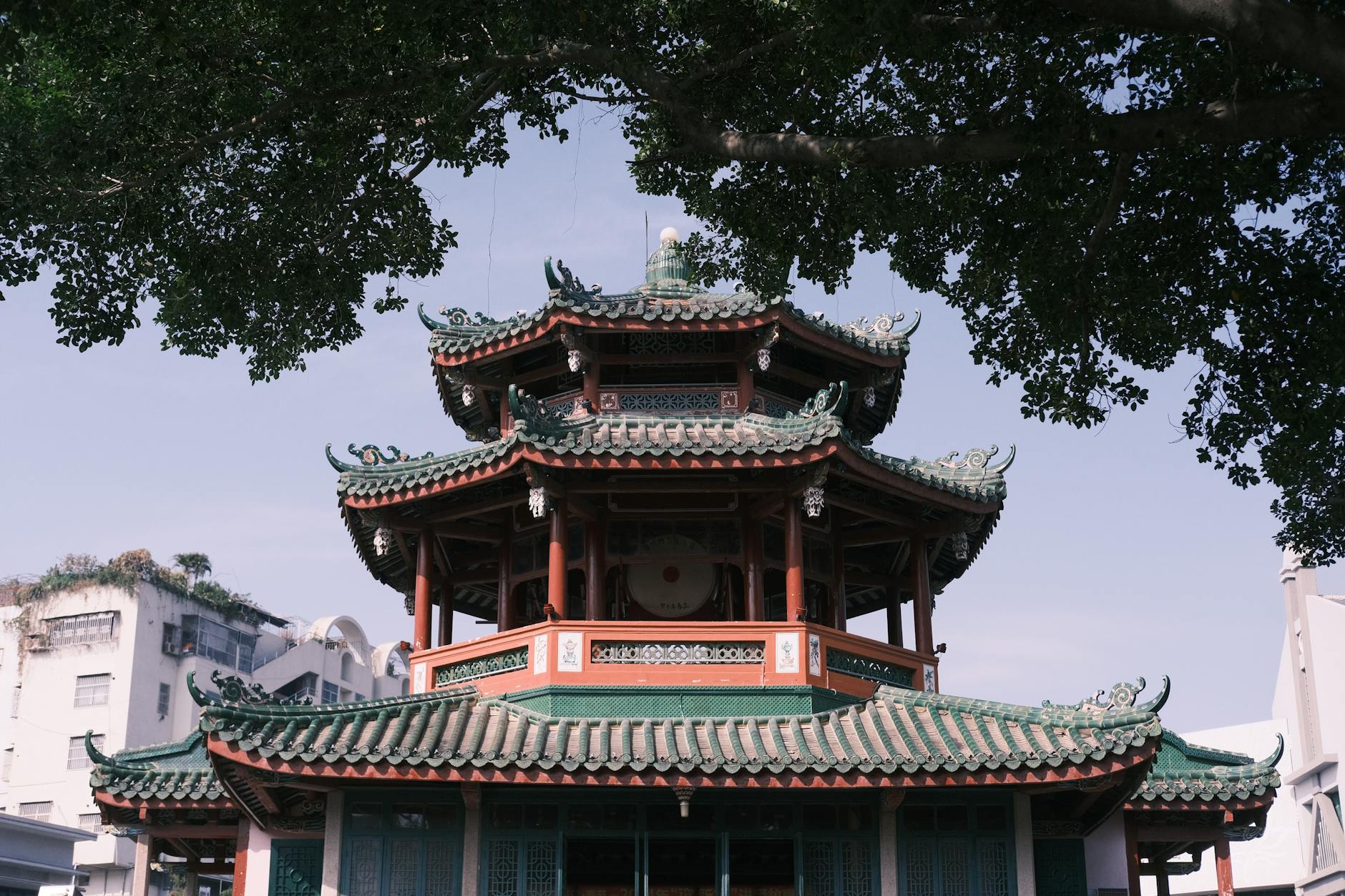
The finest surviving Lingnan-style ancestral hall — 1894 woodcarvings, ceramic roof friezes, and stone reliefs at every turn.
At a glance
- What it is
- Heritage Site
- Also known as
- 陈家祠 (Chénjiā Cí)
- Opening hours
- 9 AM – 5:30 PM
- Time needed
- 1.5-2 hours
- Best time to visit
- Tue-Sun mornings; closed Mondays for cleaning
- Getting there
- Metro to the door
- English
- Some English signage
- Cards accepted
- Cash only
- Entry
- Passport booking recommended · tickets & prices →
- Wi-Fi
- Free Wi-Fi
- Address
- 34 Enlongli, Zhongshan 7th Rd, Liwan District, Guangzhou · 荔湾区中山七路恩龙里34号
See Chen Clan Ancestral Hall tickets & tours
Trip.com link · we earn a small commission · disclosure
Chen Clan Ancestral Hall map & getting there
Taxi / DiDi? Show the driver: 荔湾区中山七路恩龙里34号 · 34 Enlongli, Zhongshan 7th Rd, Liwan District, Guangzhou
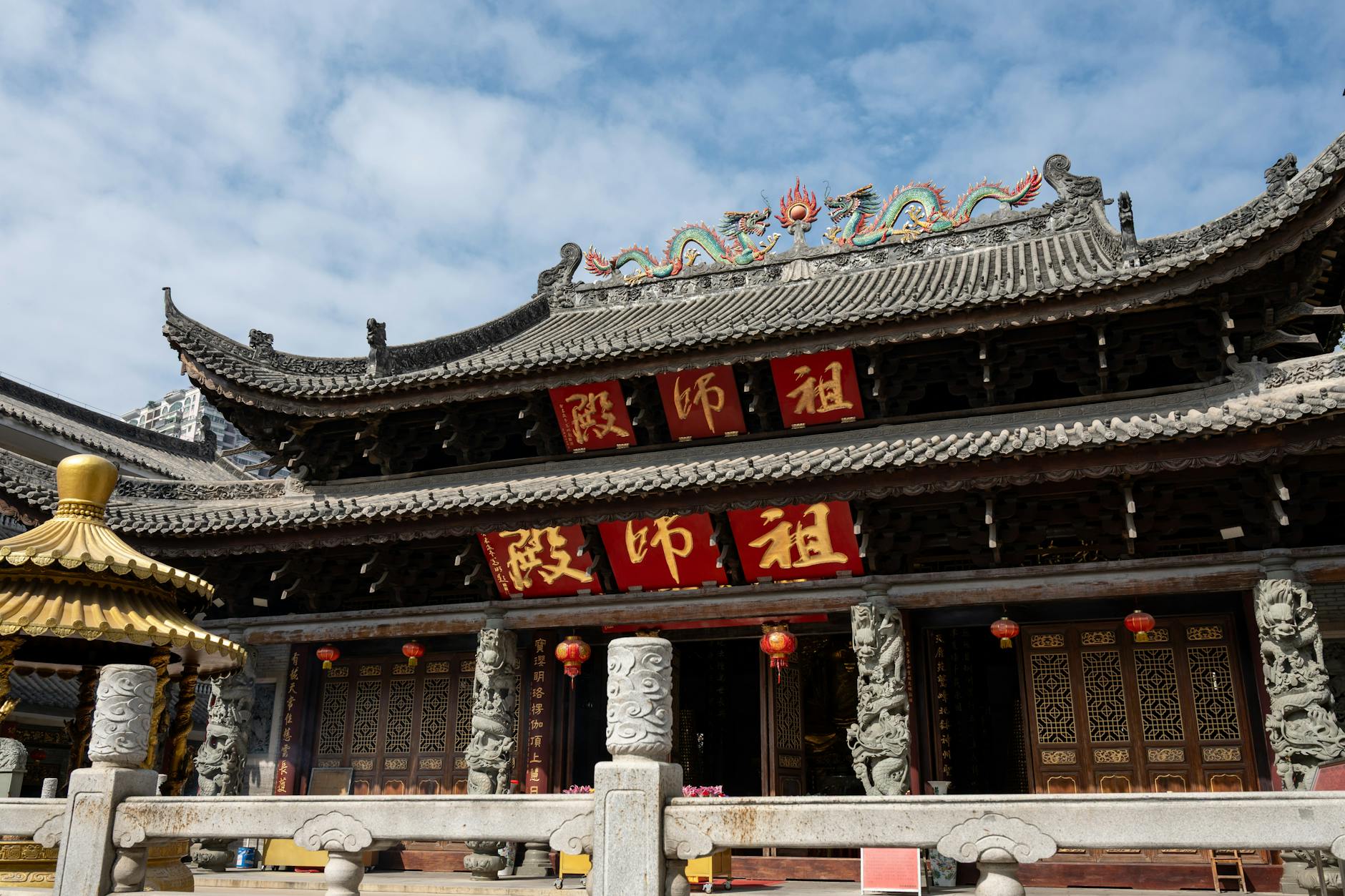
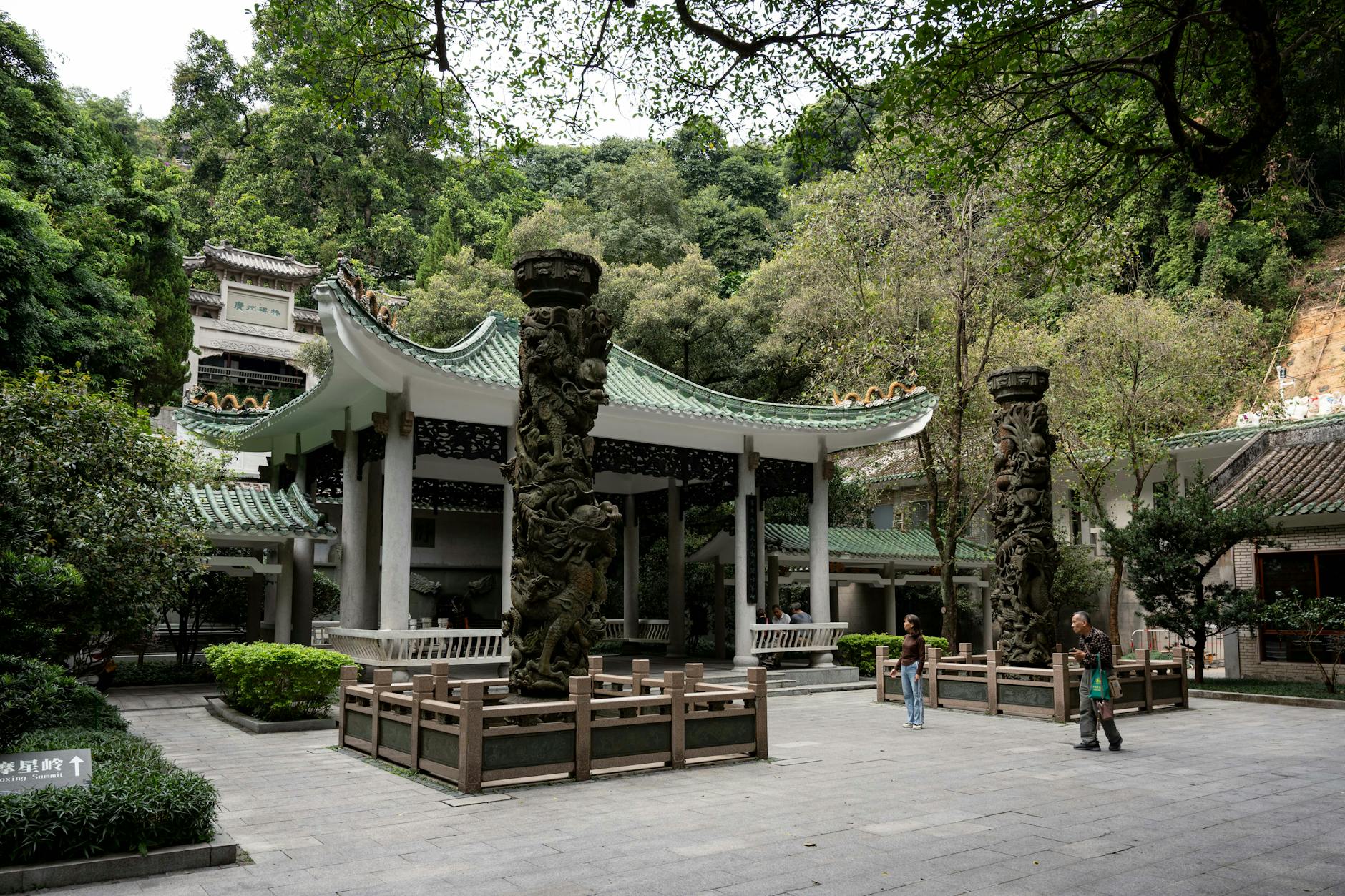
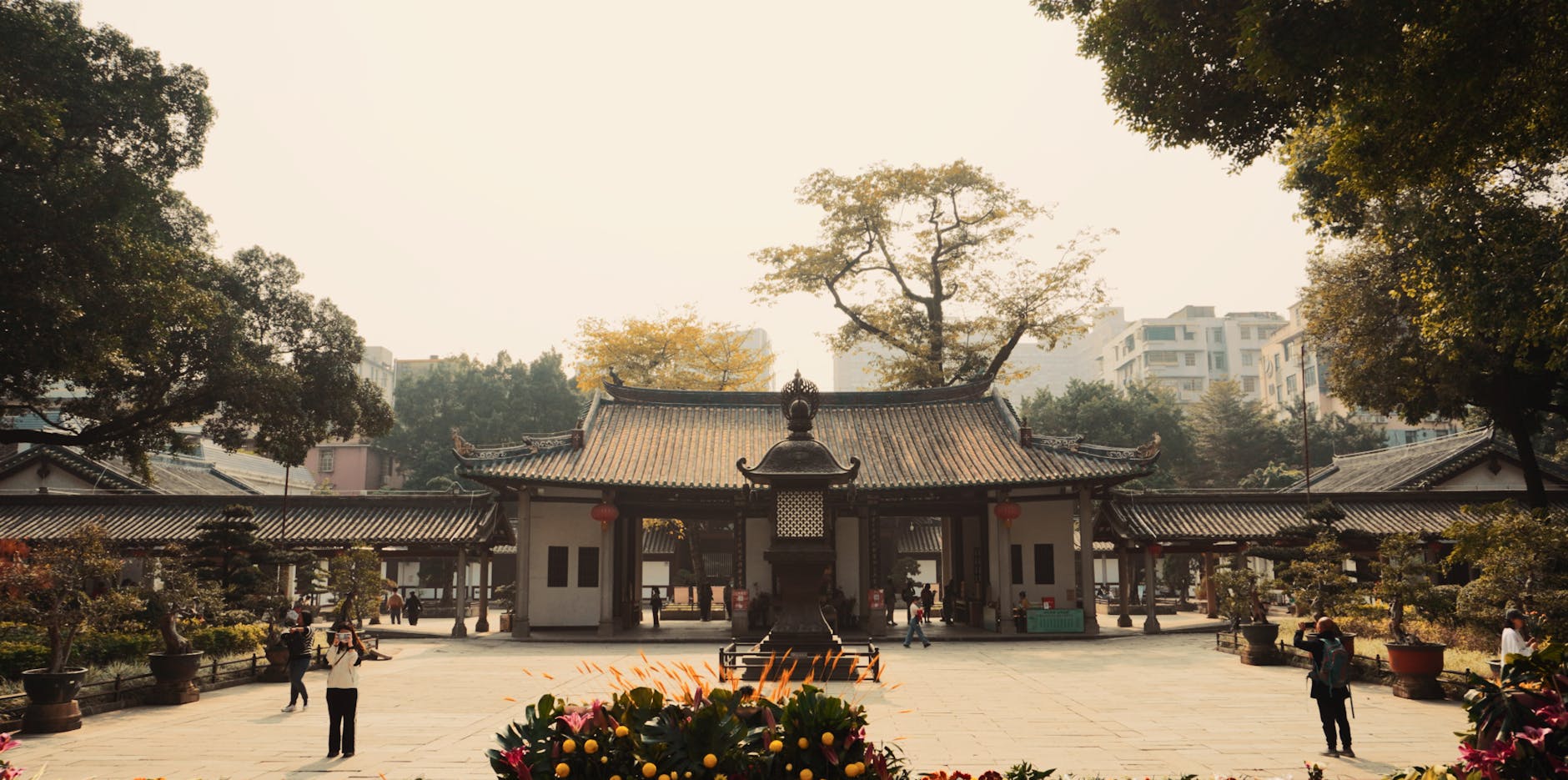
Built 1888-1894 by Chen families across 72 Guangdong counties as a shared school and ancestral temple, this is Guangzhou’s masterpiece of Lingnan architecture and a national protected site. Nine halls, six courtyards, and 19 buildings cover 13,200 m². The wow factor: every available surface is decorated. Look up for the ceramic shi wan polychrome roof friezes depicting opera scenes; look at the lintels for wood carvings of mythical beasts and Cantonese folk tales; look down for stone reliefs at the bases. The complex now houses the Guangdong Folk Art Museum — its collection of ivory miniatures, embroidery, and porcelain rivals the architecture itself. English signage is sparse but the audio guide is excellent. Open daily 9:00-17:30, ¥10 entry (cheap for what you see). Closest Metro: Chen Clan Academy (Line 1, Exit D). Wear comfortable shoes — the granite courtyard tiles are uneven and slippery in rain.
Highlights
- Shi Wan Polychrome FriezesCeramic roof ridges; intricate opera and god scenes — bring a zoom lens
- Door God PaintingsOriginal Qing-dynasty Lingnan-style painted door gods at the main entrance
- Folk Art Museum CollectionIvory ball-within-ball miniatures, Cantonese embroidery, jade
- Main Lecture Hall (聚贤堂)Central courtyard centerpiece with carved beam-and-bracket details
- Ceramic ‘Shi Wan’ Dragon WallSide courtyard’s blue-and-white ceramic dragon-and-phoenix wall
What Chinese travelers actually do here
Distilled from Chinese-language travel notes — the practical tips most English guides miss.
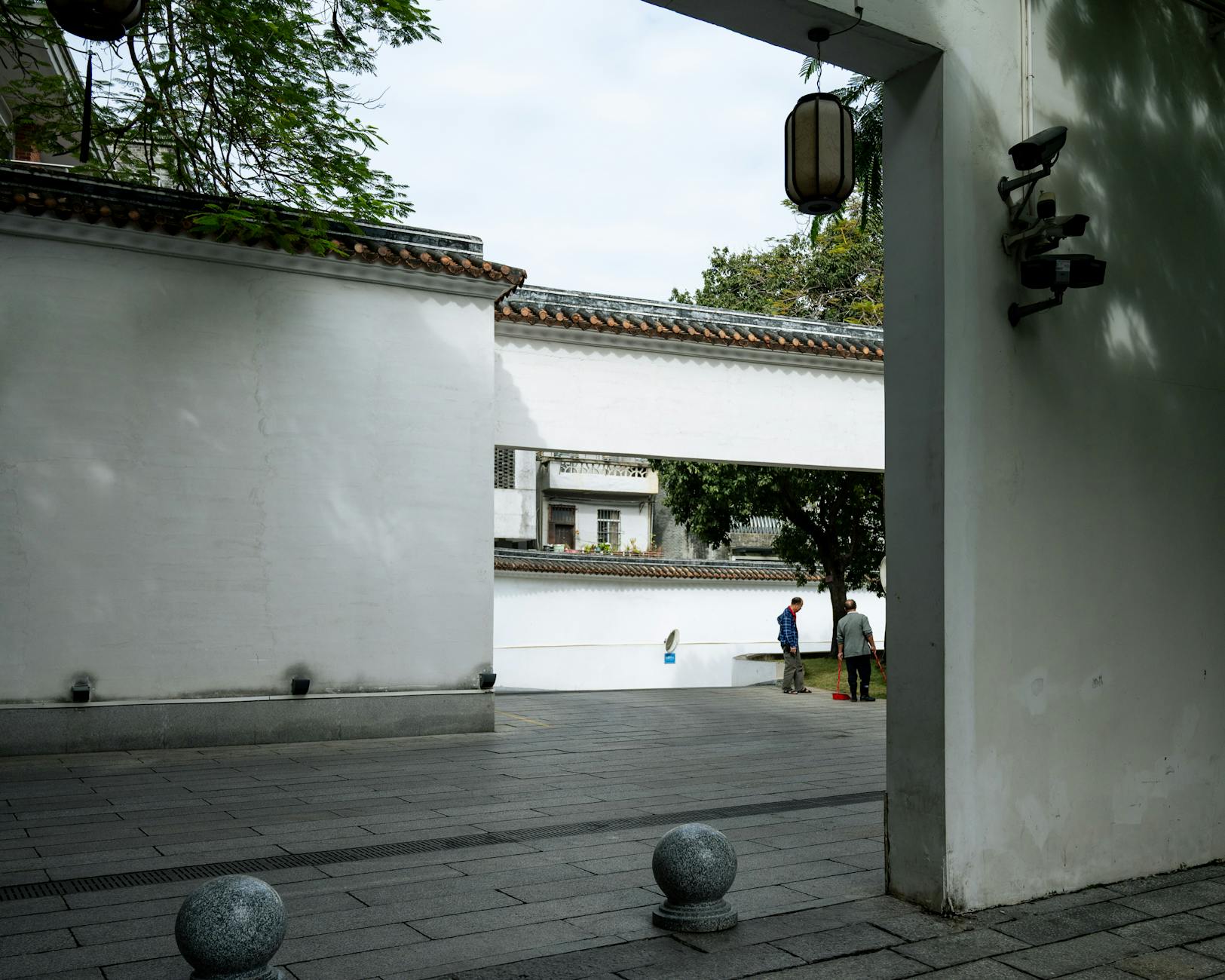
- Arrive right at 9am opening on a weekday — the granite courtyards photograph cleanest before tour groups and harsh midday glare arrive.
- Bring a zoom lens or use phone zoom: the best opera scenes sit high on the roof ridges, invisible to the naked eye.
- Skip Mondays entirely — the complex closes for cleaning, a trap that catches visitors who only check generic hours.
- The granite courtyard tiles turn slippery in rain; wear grippy shoes rather than smooth-soled sandals after a shower.
- Side-courtyard ceramic dragon walls are quieter than the main lecture hall — loop there first while crowds bunch at the entrance.
- Cross the road after to the modern Chen Clan metro plaza for cheap iced Cantonese drinks before your next stop.
Book on Trip.com
Trip.com link · we earn a small commission · disclosure
Photos
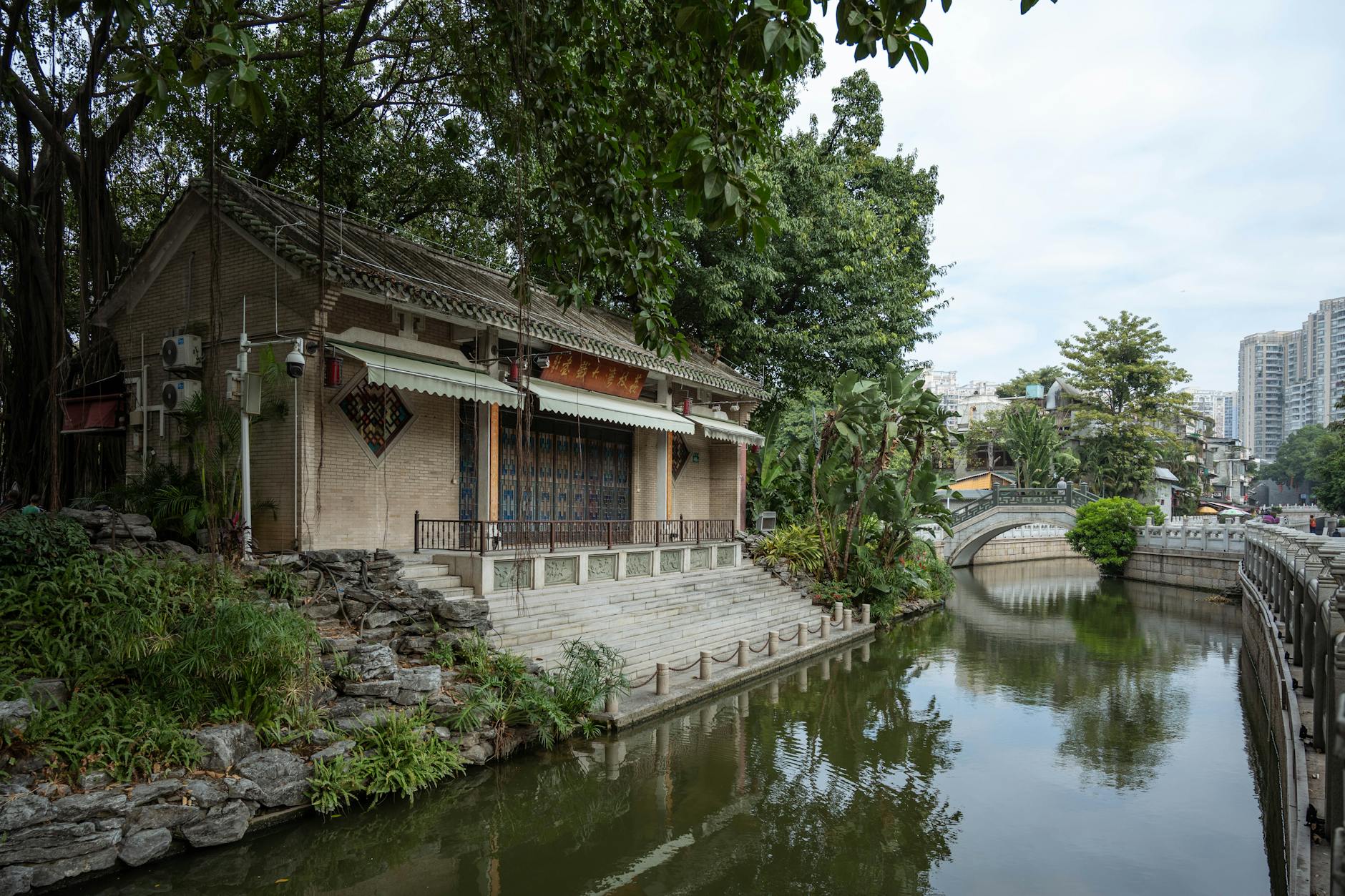


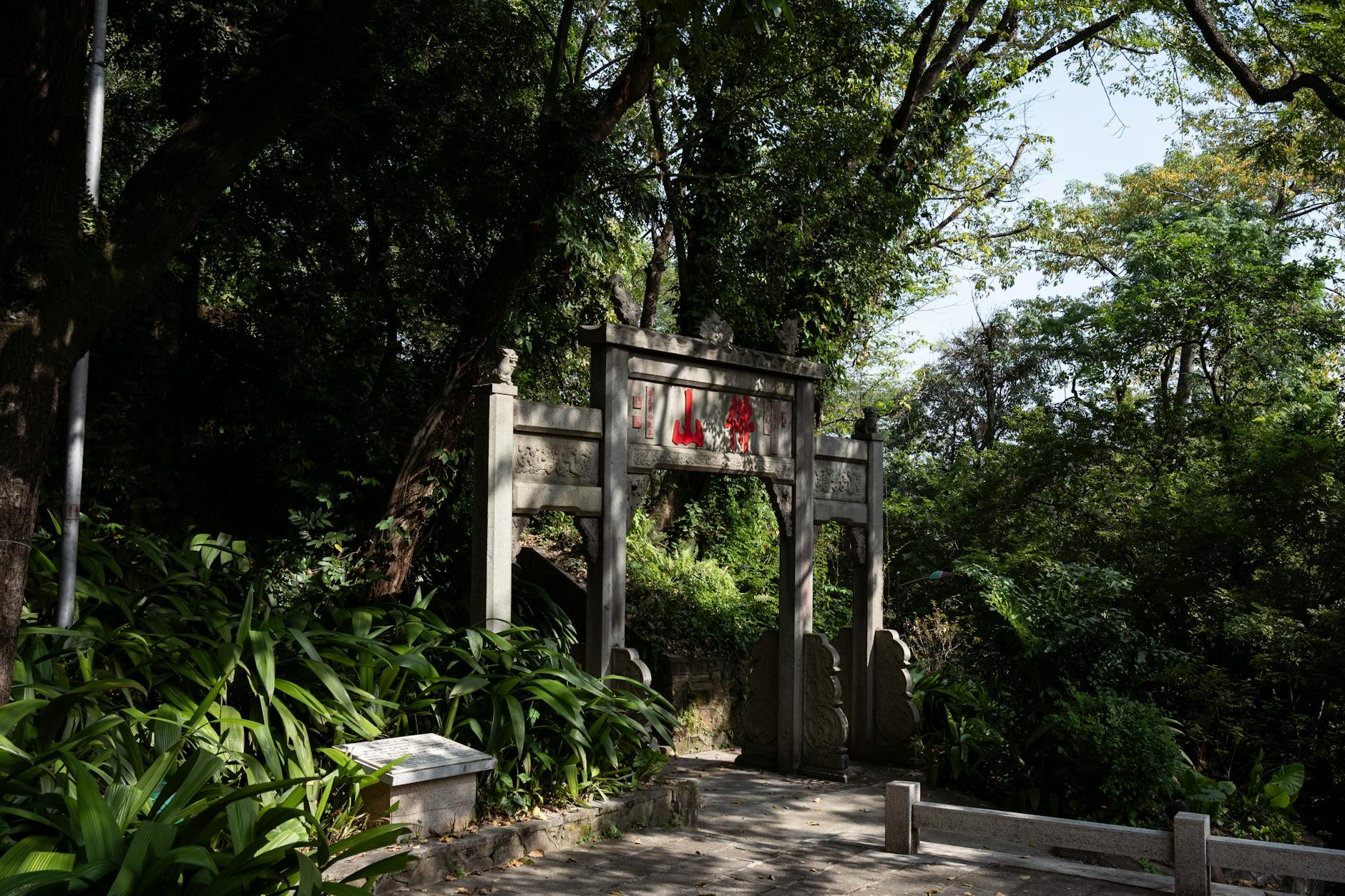
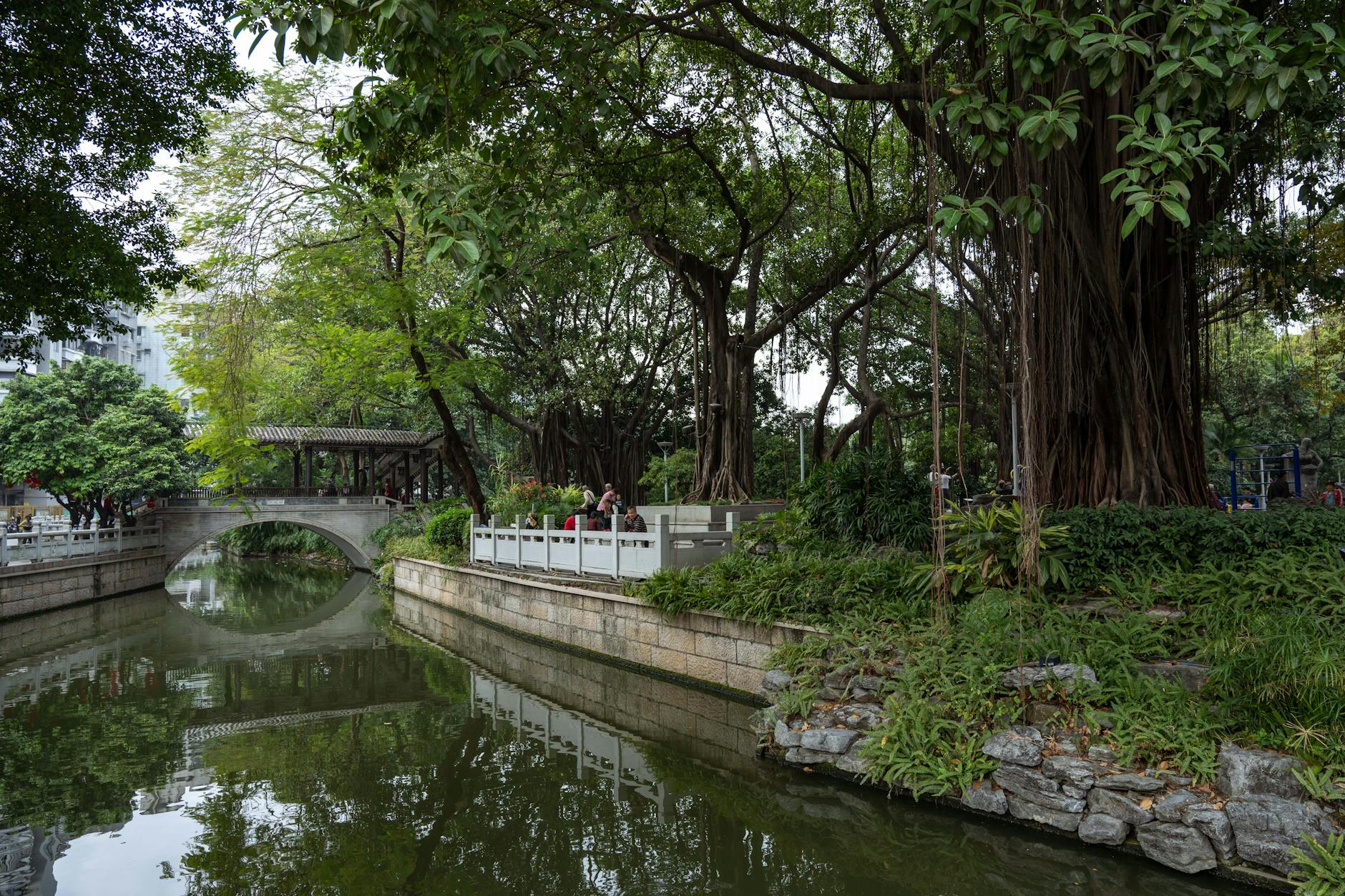
Show all 14 photosShow fewer
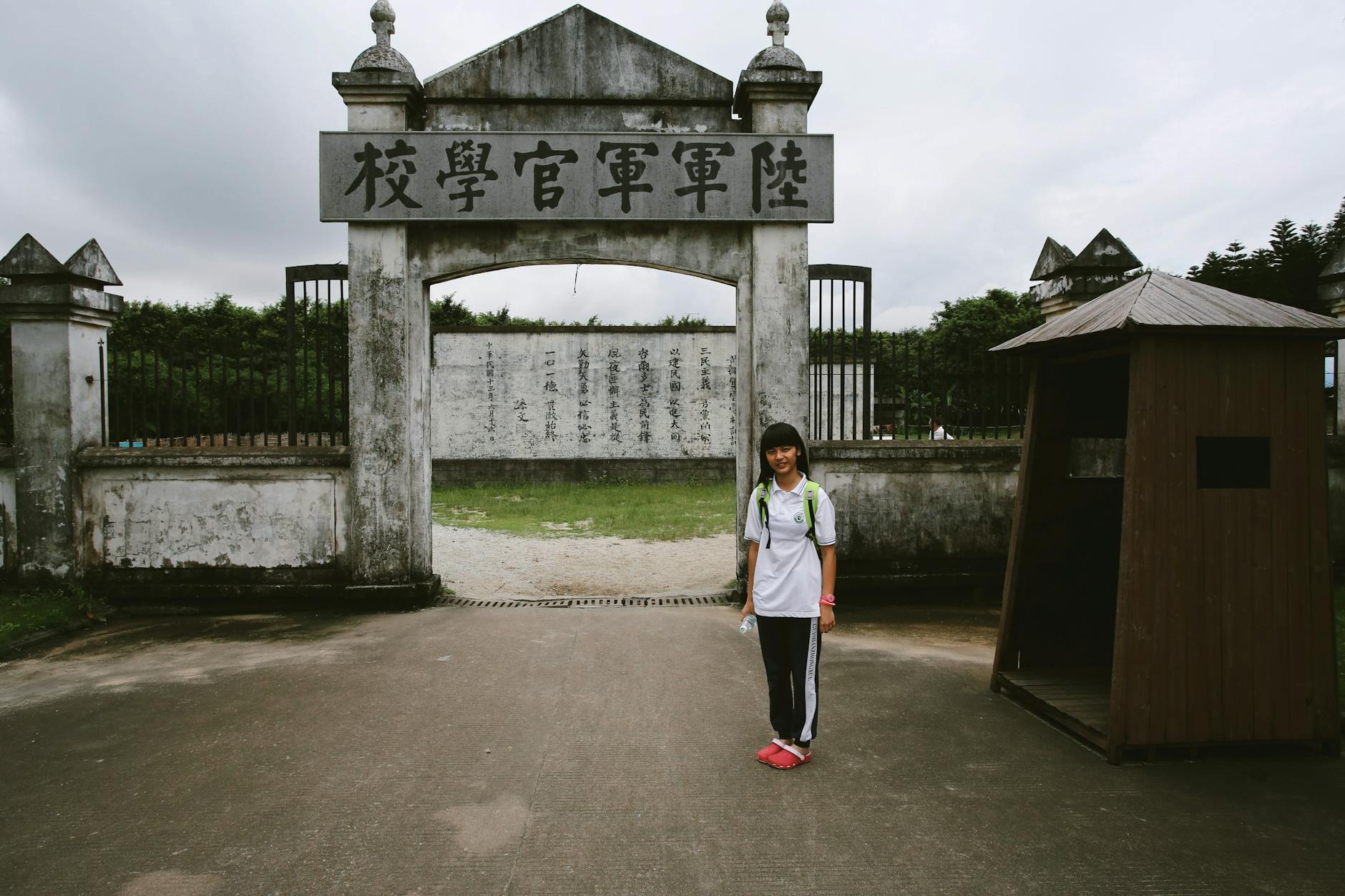


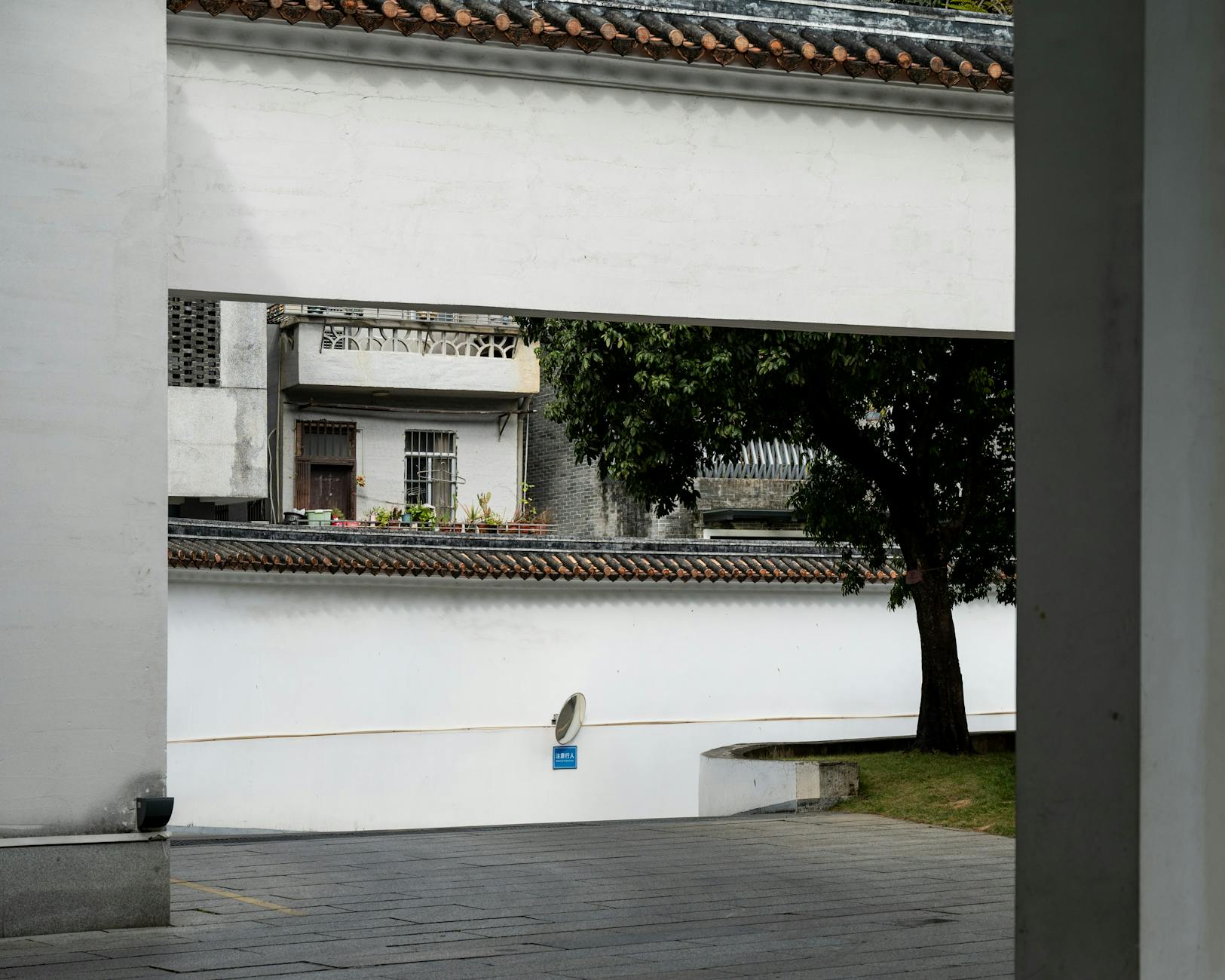
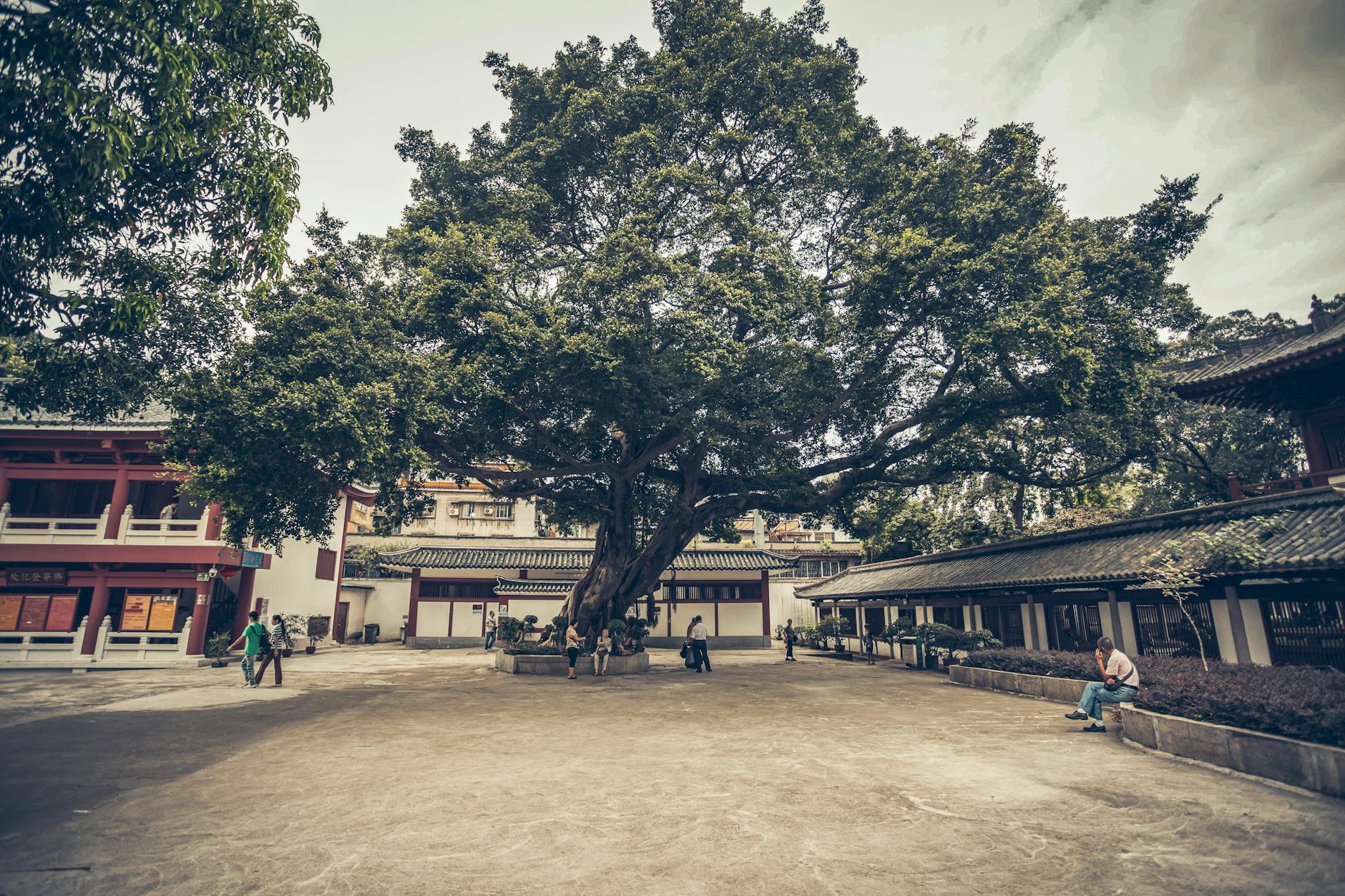
Watch creators visit Chen Clan Ancestral Hall
Each clip is timestamped to the moment the creator arrives at this stop.
Best Things To Do in Guangzhou China Travel Guide 2026 4K
Island Hopper TVStarts at 3:01
Chen Clan Ancestral Area
Top 10 Things to Do in Guangzhou China! 🇨🇳
Bucket List Urban AdventuresStarts at 4:13
Chen Clan Ancestral Hall (Chen Clan Academy)
Videos


Frequently asked questions about Chen Clan Ancestral Hall
- How do I get to Chen Clan Ancestral Hall by metro?
- Take Metro Line 1 to Chen Clan Academy station and leave by Exit D, which surfaces almost at the entrance — the stop is named after the hall. From central Guangzhou it is only a few stops, and the walk from the exit takes under two minutes, so no taxi or transfer is needed.
- Can I pay the entrance fee with a card or do I need cash?
- The ticket window here is cash-only, so carry small notes or have Alipay or WeChat Pay linked to a foreign card before you arrive. Entry is just ¥10, very cheap for the carving detail you get, but the booth does not take Visa or Mastercard tap directly.
- Is Chen Clan Ancestral Hall worth visiting if I do not read Chinese?
- Yes. The draw is visual — ceramic roof friezes, wood carvings, and stone reliefs that need no translation. English signage is thin, so rent the audio guide at the entrance, which explains the symbolism and the folk-art museum pieces well enough to make the visit rewarding for non-Chinese readers.
More in Guangzhou
Plan your Guangzhou trip
- China High-Speed Rail (Gaotie) — The 2026 Foreigner’s GuideTransit · 11 min read
- Does Google Maps Work in China? (No — Here’s What Does, 2026)Internet & Apps · 9 min read
- WeChat Pay for Foreigners — The 2026 Setup GuidePayments · 9 min read
- China Trip Pre-Departure Checklist — The 30-Day TimelineVisa & Entry · 10 min read
- 240-Hour Visa-Free Transit to China — 2026 GuideVisa & Entry · 11 min read
- How to Use Alipay as a Foreigner in China — 2026 GuidePayments · 11 min read
- Do You Need a VPN for China? Legality, Setup Before You Fly, and What Breaks (2026)Internet & Apps · 13 min read
- China Travel Insurance Requirements 2026 — What You Actually NeedVisa & Entry · 10 min read
Trip.com link earns us a small commission · disclosure