The oldest and most historically significant Buddhist temple in Guangzhou — predates the city itself. Where Zen patriarch Hui Neng was ordained in 676 CE.
At a glance
- What it is
- Heritage Site
- Also known as
- 光孝寺 (Guāngxiào Sì)
- Opening hours
- 6 AM – 5 PM
- Time needed
- 1-1.5 hours
- Best time to visit
- Early morning for chanting; weekday mornings for quiet
- Getting there
- Metro to the door
- English
- Some English signage
- Cards accepted
- Cash only
- Entry
- Walk-in — no booking · tickets & prices →
- Wi-Fi
- No public Wi-Fi
- Address
- 109 Guangxiao Rd, Yuexiu District, Guangzhou · 越秀区光孝路109号
See Guangxiao Temple tickets & tours
Trip.com link · we earn a small commission · disclosure
Guangxiao Temple map & getting there
Taxi / DiDi? Show the driver: 越秀区光孝路109号 · 109 Guangxiao Rd, Yuexiu District, Guangzhou
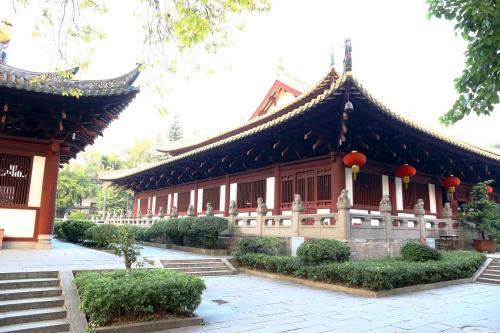
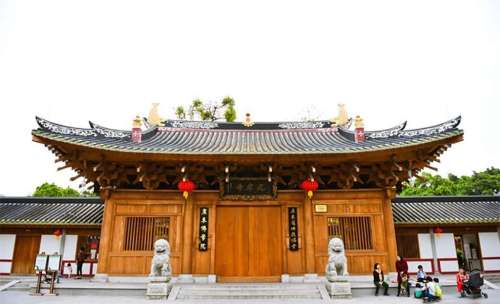
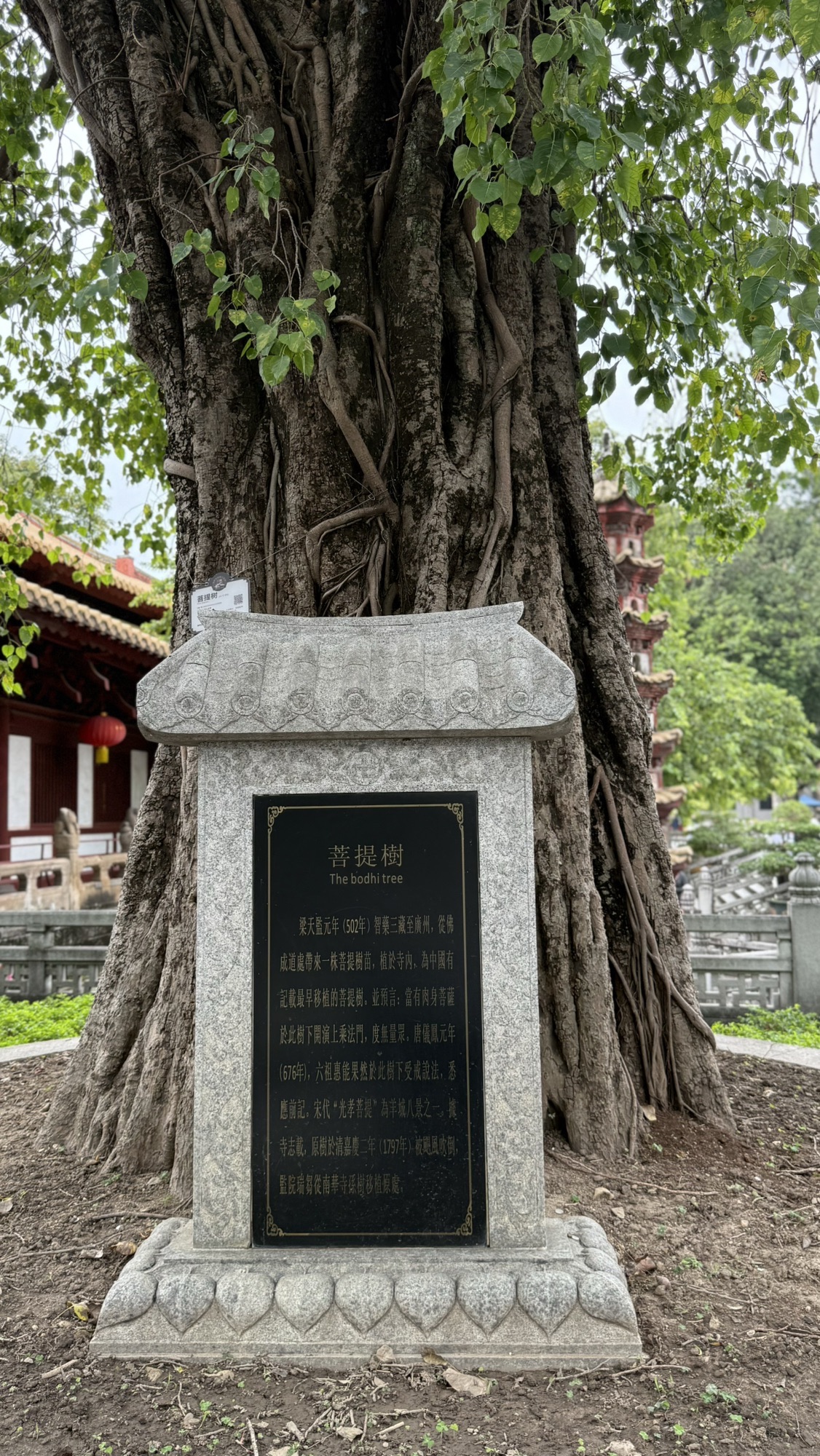
Cantonese folk wisdom says: ‘未有羊城,先有光孝’ — ‘Before there was Guangzhou, there was Guangxiao’. The temple’s roots trace to a 3rd-century BCE Nanyue royal residence, converted to a Buddhist monastery in 397 CE — making it ~600 years older than Liurong Temple nearby. Its claim to fame: in 676 CE, the wandering monk Hui Neng was tonsured here under the bodhi tree planted by Tripitaka, becoming the Sixth Patriarch of Chan (Zen) Buddhism. The Main Hall (大雄宝殿) is a 9th-century structure rebuilt in 1696, with mortise-and-tenon timber and a copper roof. Highlights: the dual stone pagodas of east and west iron pagodas (Tang Dynasty, 9-10th century — the oldest iron pagodas in China still intact); the bodhi tree (a descendant of the original); the Hui Neng hair-burial pagoda (where his shaved hair was reportedly preserved); and the Liu-zu Hall (六祖殿) dedicated to the Sixth Patriarch. ¥5 entry, open daily 6:00-17:00. Closed during Buddhist festivals (lunar 1st/15th). Closest Metro: Ximenkou (Line 1, Exit A), 5-min walk. Combine with Liurong Temple (5-min walk).
Highlights
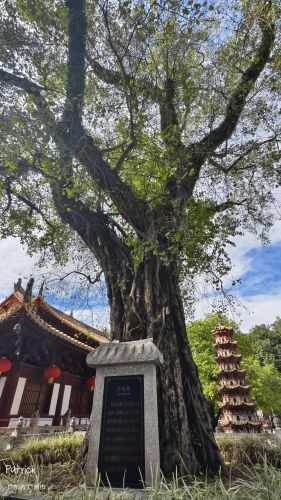
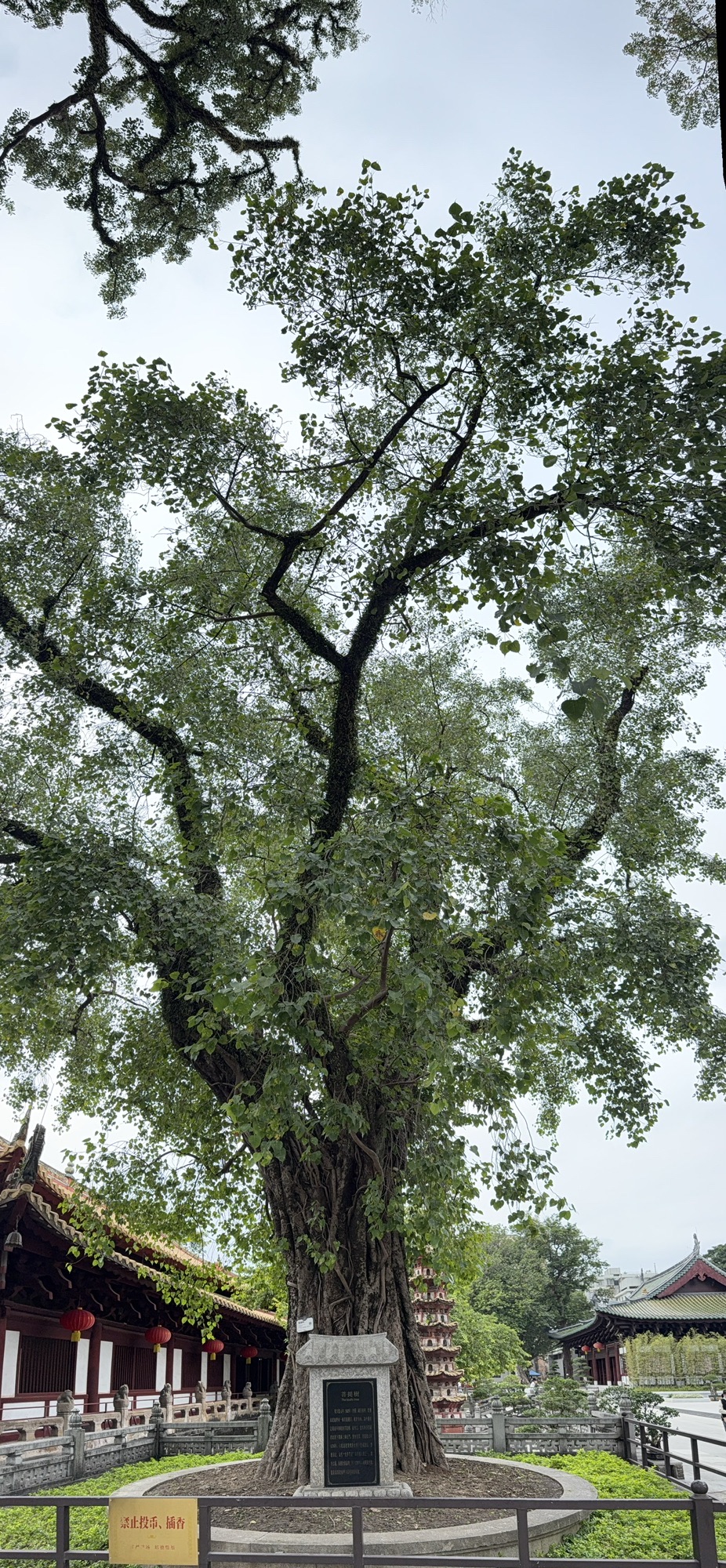
- Hui Neng’s Ordination TreeThe bodhi tree where the Sixth Patriarch of Zen Buddhism was tonsured in 676 CE
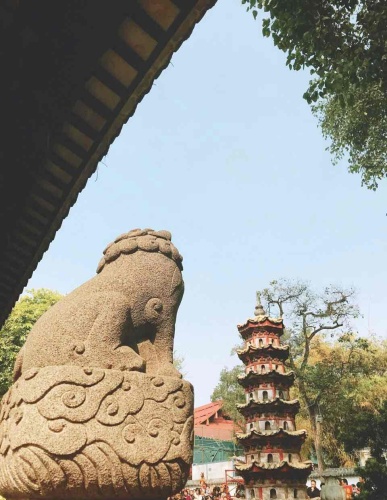
- Twin Iron Pagodas (东西铁塔)9-10th century Tang Dynasty pagodas — oldest surviving iron pagodas in China
- Main Hall (大雄宝殿)9th-century original timber structure, rebuilt 1696; mortise-and-tenon construction
- Liu-zu Hall (六祖殿)Dedicated to Hui Neng; pilgrimage site for Chan/Zen Buddhists from across Asia
- ‘Before Guangzhou, Guangxiao’Cantonese folk saying about the temple’s age — older than the city itself
What Chinese travelers actually do here
Distilled from Chinese-language travel notes — the practical tips most English guides miss.
- Arrive at opening, around 6:00, to catch monks chanting and the courtyards still empty of tour groups.
- Weekday mornings are noticeably quieter; skip lunar 1st and 15th when locals flood in and it may close.
- Bring small cash notes for the low entry fee; cards and mobile pay are unreliable at the ticket window.
- The twin iron pagodas are easy to walk past, look low and dark; they are the oldest surviving in China.
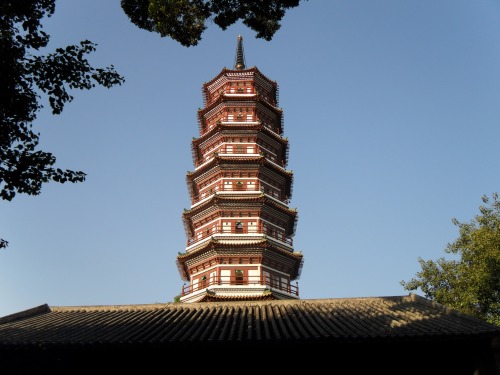
- Walk five minutes to Liurong Temple afterward and climb its Flower Pagoda for a contrast to the flat layout here.
- Dress modestly and keep voices low; this is an active monastery, not just a museum, with worshippers present.
- Photograph the bodhi tree from beneath in morning light, when sun filters through the leaves over the ordination spot.
Photos
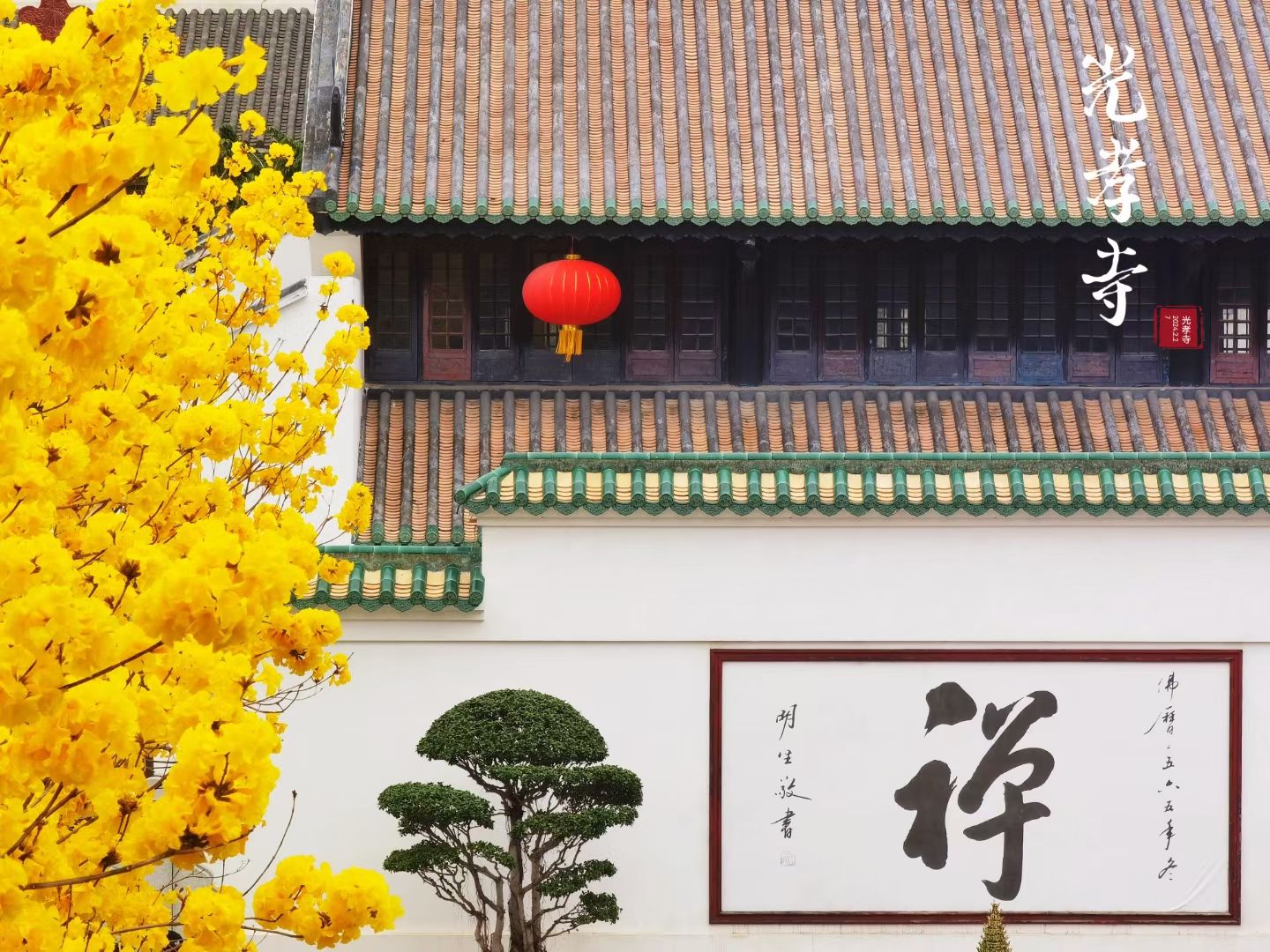
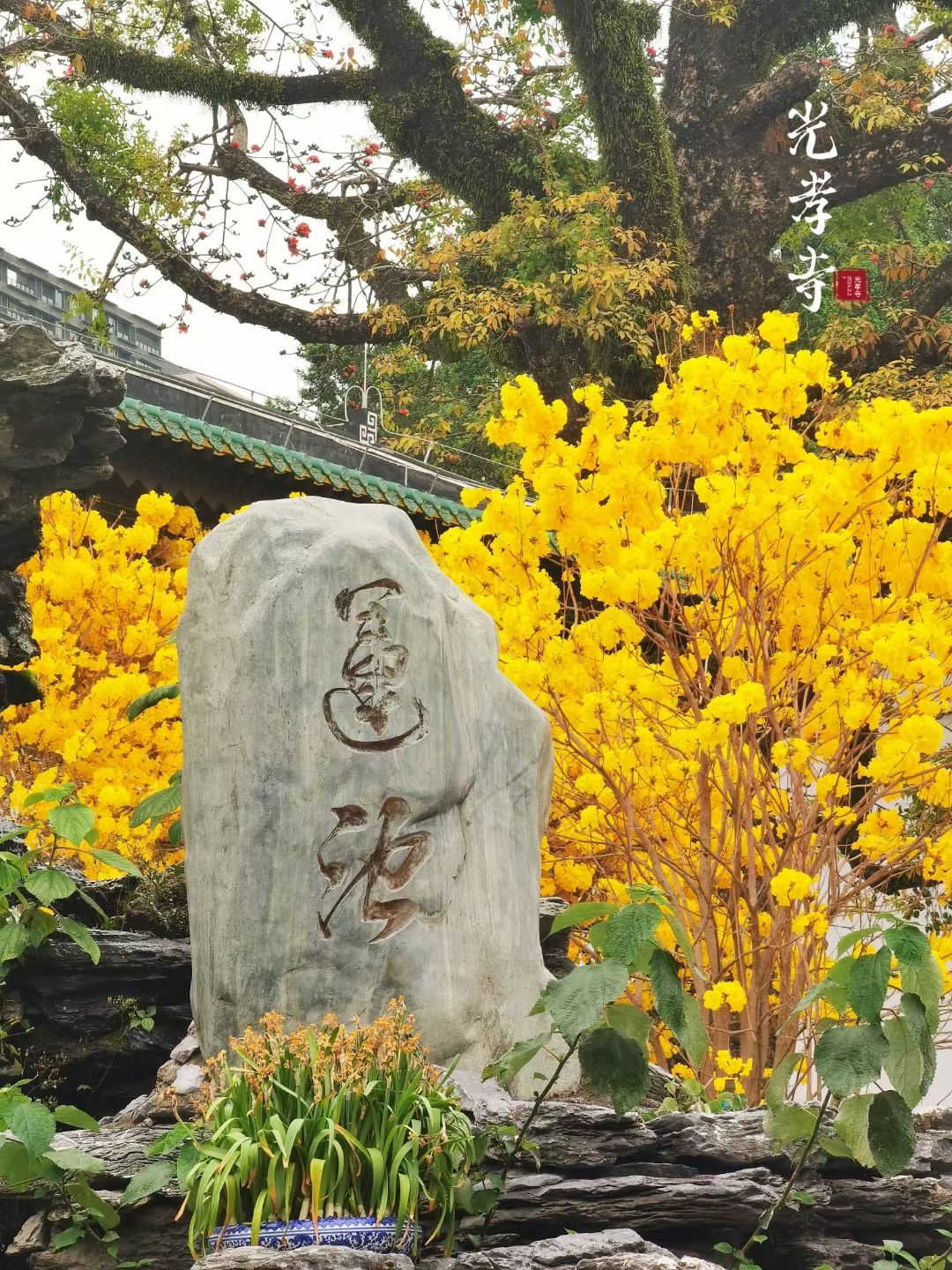
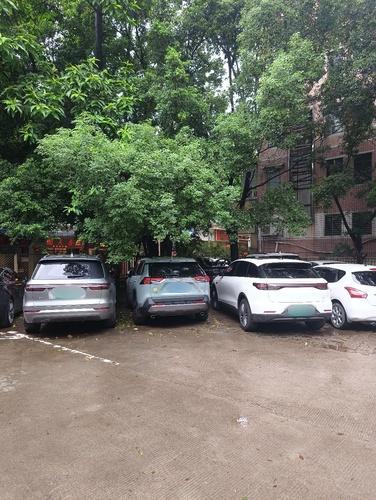
Show all 11 photosShow fewer
Videos


Frequently asked questions about Guangxiao Temple
- Why is Guangxiao Temple important in Buddhism?
- It is where Hui Neng, the Sixth Patriarch of Chan (Zen) Buddhism, was ordained in 676 CE under the temple’s bodhi tree. That moment helped launch the Southern school of Zen, so the site draws Chan pilgrims from across Asia. The Liu-zu Hall is dedicated to him, and a pagoda here preserved his shaved hair.
- How do I get to Guangxiao Temple, and how much does it cost?
- Take Metro Line 1 to Ximenkou station and use Exit A; the temple is about a five-minute walk. Entry is roughly 5 yuan, cash only, so bring small notes. It opens early, around 6:00, and closes mid-afternoon. Note it may close on Buddhist festival days, the 1st and 15th of the lunar month.
- Is Guangxiao Temple worth visiting if I’m short on time?
- Yes, especially paired with Liurong Temple five minutes away. The grounds are compact, peaceful, and walkable in about an hour. You get the Tang-era twin iron pagodas, the bodhi tree, the rebuilt Main Hall, and the Zen heritage in one stop, without the crowds of bigger Guangzhou sights.
More in Guangzhou
Plan your Guangzhou trip
- China High-Speed Rail (Gaotie) — The 2026 Foreigner’s GuideTransit · 11 min read
- Does Google Maps Work in China? (No — Here’s What Does, 2026)Internet & Apps · 9 min read
- WeChat Pay for Foreigners — The 2026 Setup GuidePayments · 9 min read
- China Trip Pre-Departure Checklist — The 30-Day TimelineVisa & Entry · 10 min read
- 240-Hour Visa-Free Transit to China — 2026 GuideVisa & Entry · 11 min read
- How to Use Alipay as a Foreigner in China — 2026 GuidePayments · 11 min read
- Do You Need a VPN for China? Legality, Setup Before You Fly, and What Breaks (2026)Internet & Apps · 13 min read
- China Travel Insurance Requirements 2026 — What You Actually NeedVisa & Entry · 10 min read
Trip.com link earns us a small commission · disclosure