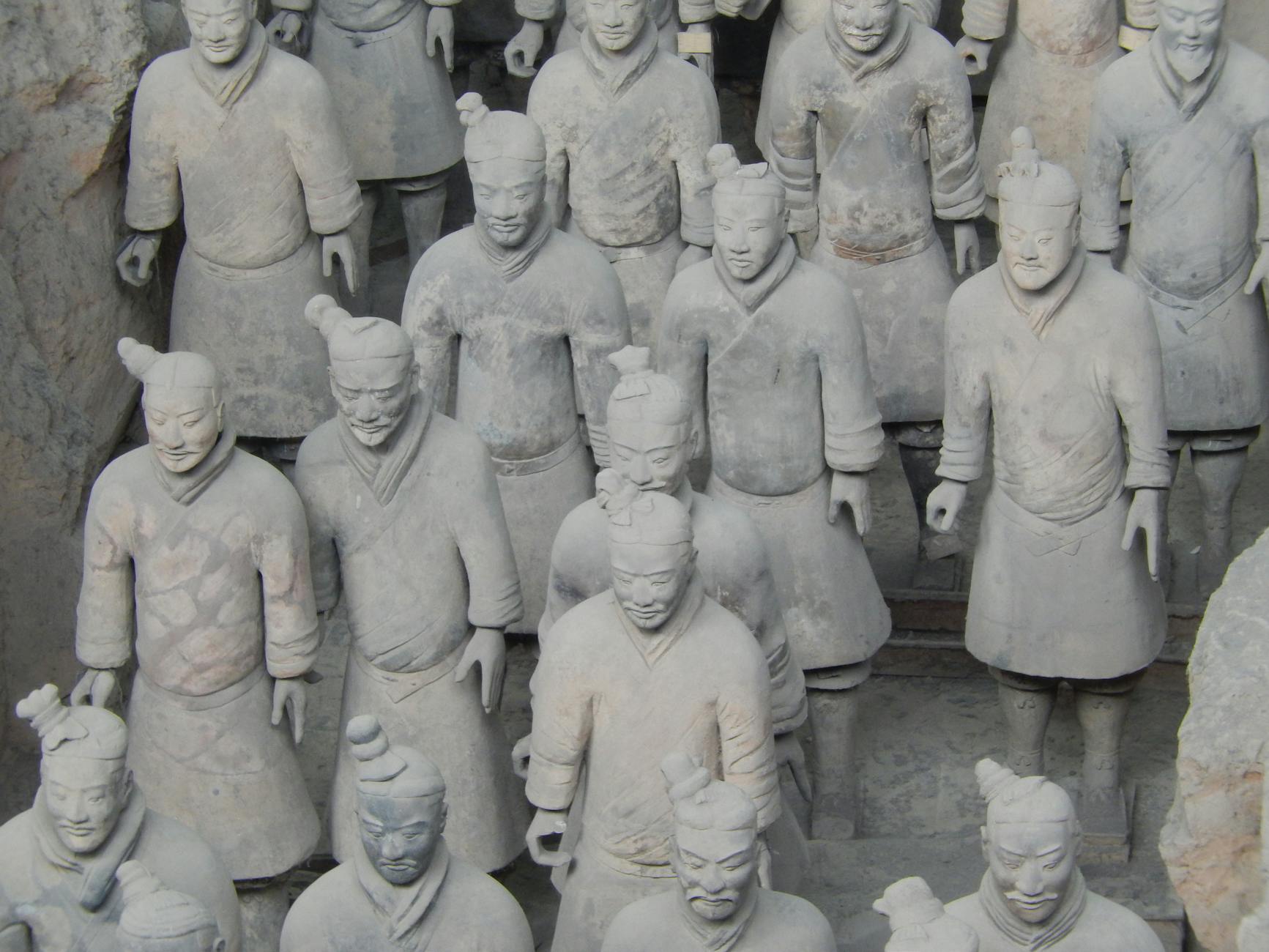
8000+ life-size 2200-year-old warriors discovered 1974 — the #1 international attractor in Xi’an and a UNESCO World Heritage Site.
At a glance
- What it is
- Heritage Site
- Also known as
- 秦始皇兵马俑 (Qín Shǐhuáng Bīngmǎyǒng)
- Opening hours
- 8:30 AM – 5:30 PM
- Time needed
- Half day (5-6 hours including transit)
- Best time to visit
- Weekday morning; arrive 8:30 AM opening before tour buses
- Getting there
- Taxi / DiDi from metro
- English
- English tours available
- Cards accepted
- Visa, Mastercard
- Entry
- Passport booking required · tickets & prices →
- Wi-Fi
- Free Wi-Fi
- Address
- Qinling North Rd, Lintong District, Xi’an · 临潼区秦陵北路
Trip.com link · we earn a small commission · disclosure
Terracotta Army (Qin Shi Huang Mausoleum) map & getting there
Taxi / DiDi? Show the driver: 临潼区秦陵北路 · Qinling North Rd, Lintong District, Xi’an
How to book tickets
Real-name, time-slot ticketing (CNY 120) for all visitors including foreign passport holders; peak dates sell out days ahead. The official Chinese site accepts foreign passports but needs a Chinese phone number, so most foreigners book via WeChat or an OTA.
Official site bmy.com.cn or WeChat mini-program 秦始皇帝陵博物院 (foreign-phone WeChat accounts work); Trip.com/GetYourGuide handle passport verification with an English flow for a small markup. Bring the exact passport used to book.
Tickets release: 7 days ahead (10 days for statutory holidays)
Verified 2026-08 · How attraction booking works in China
Highlights
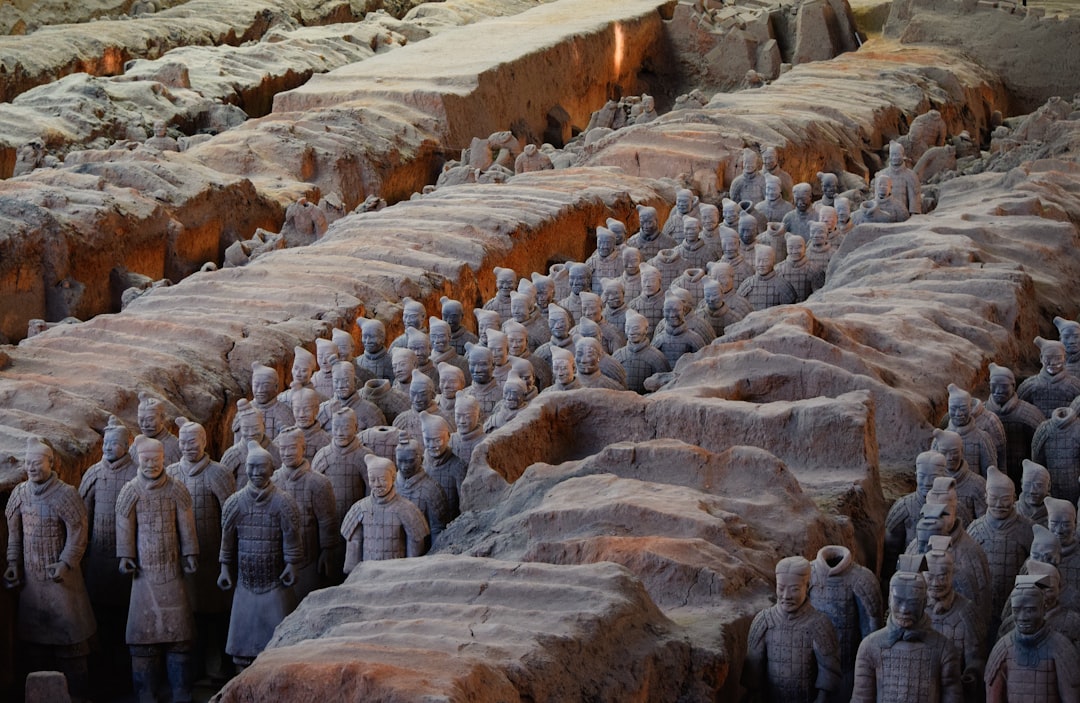
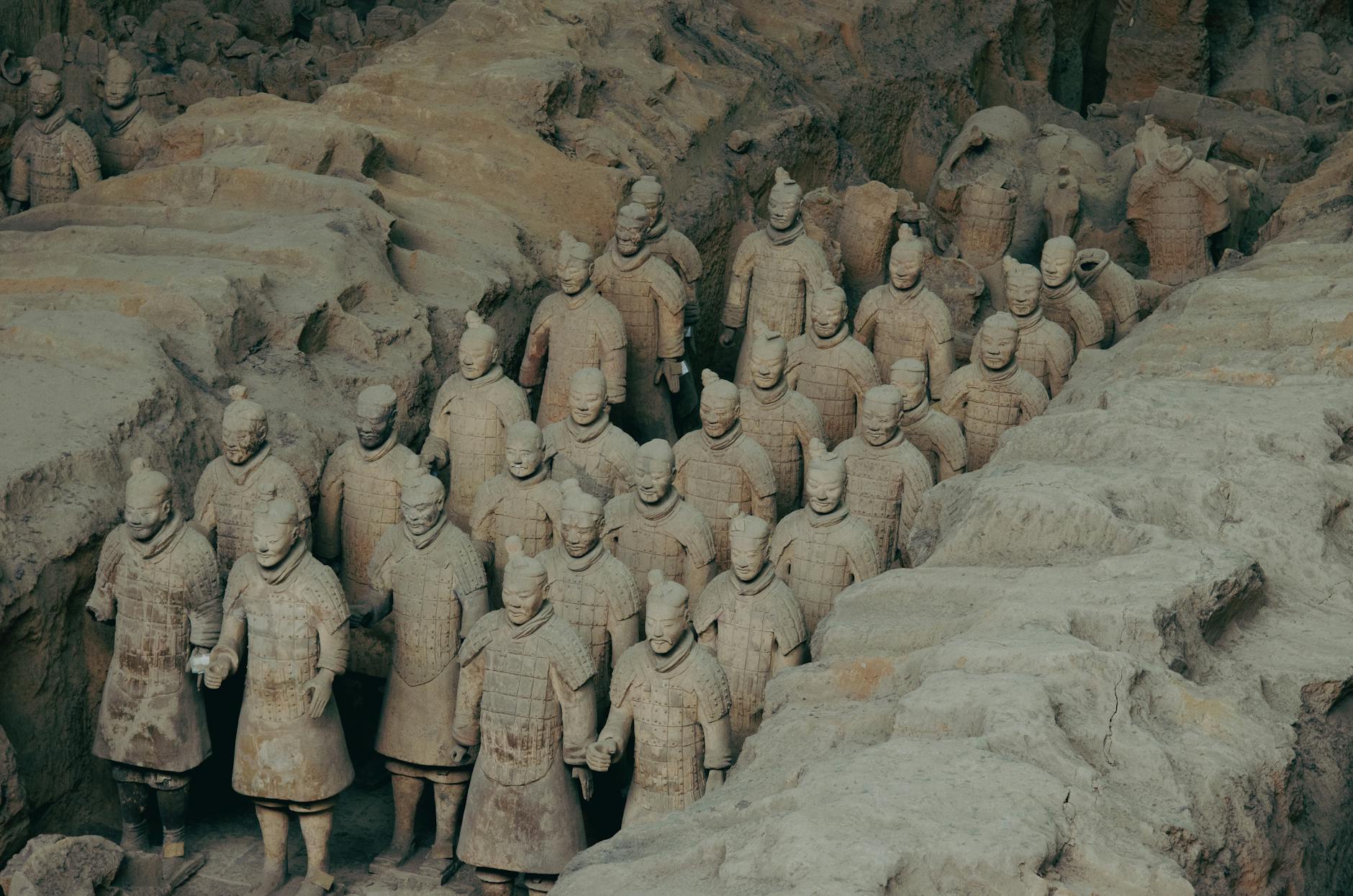
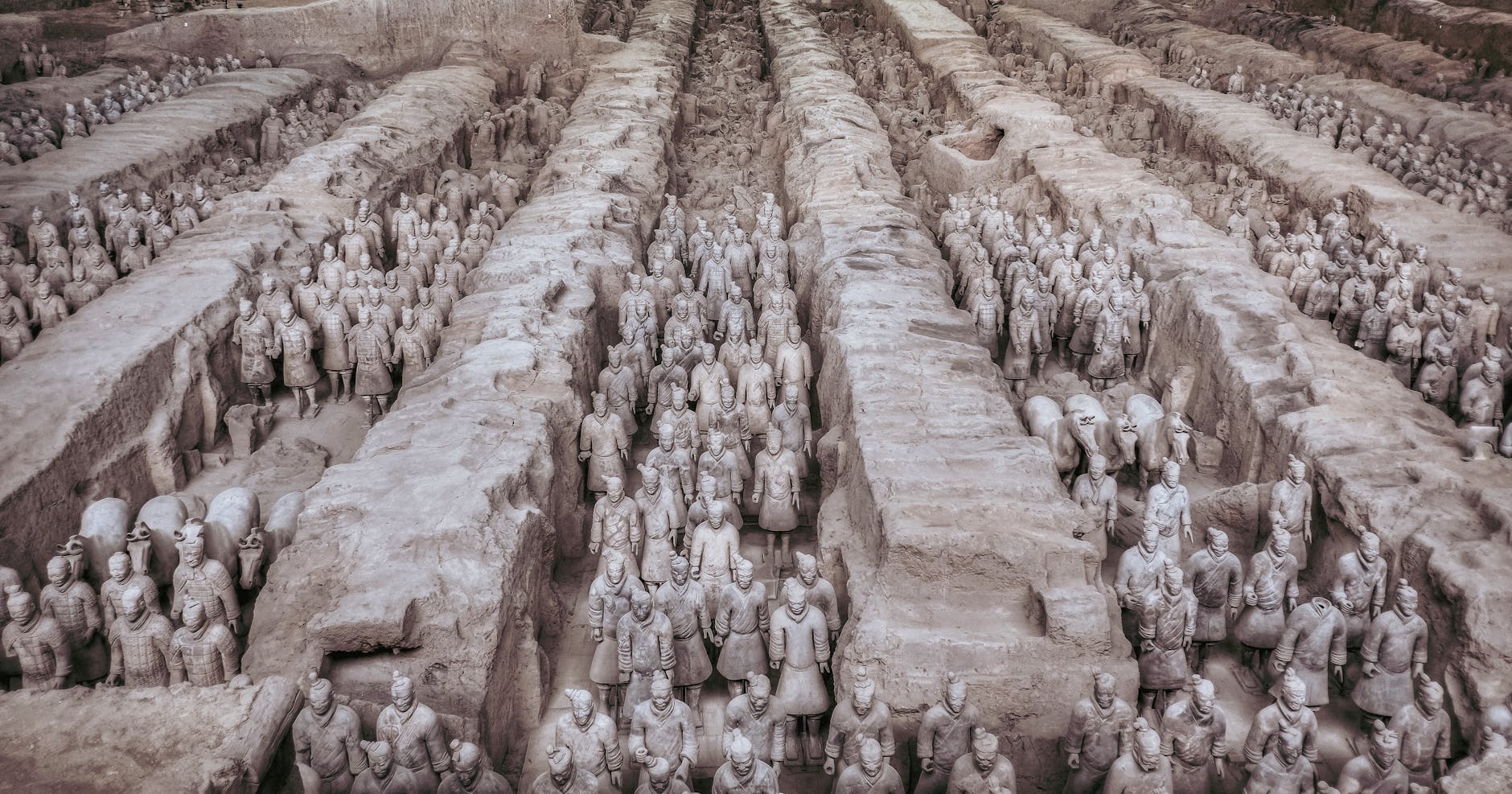
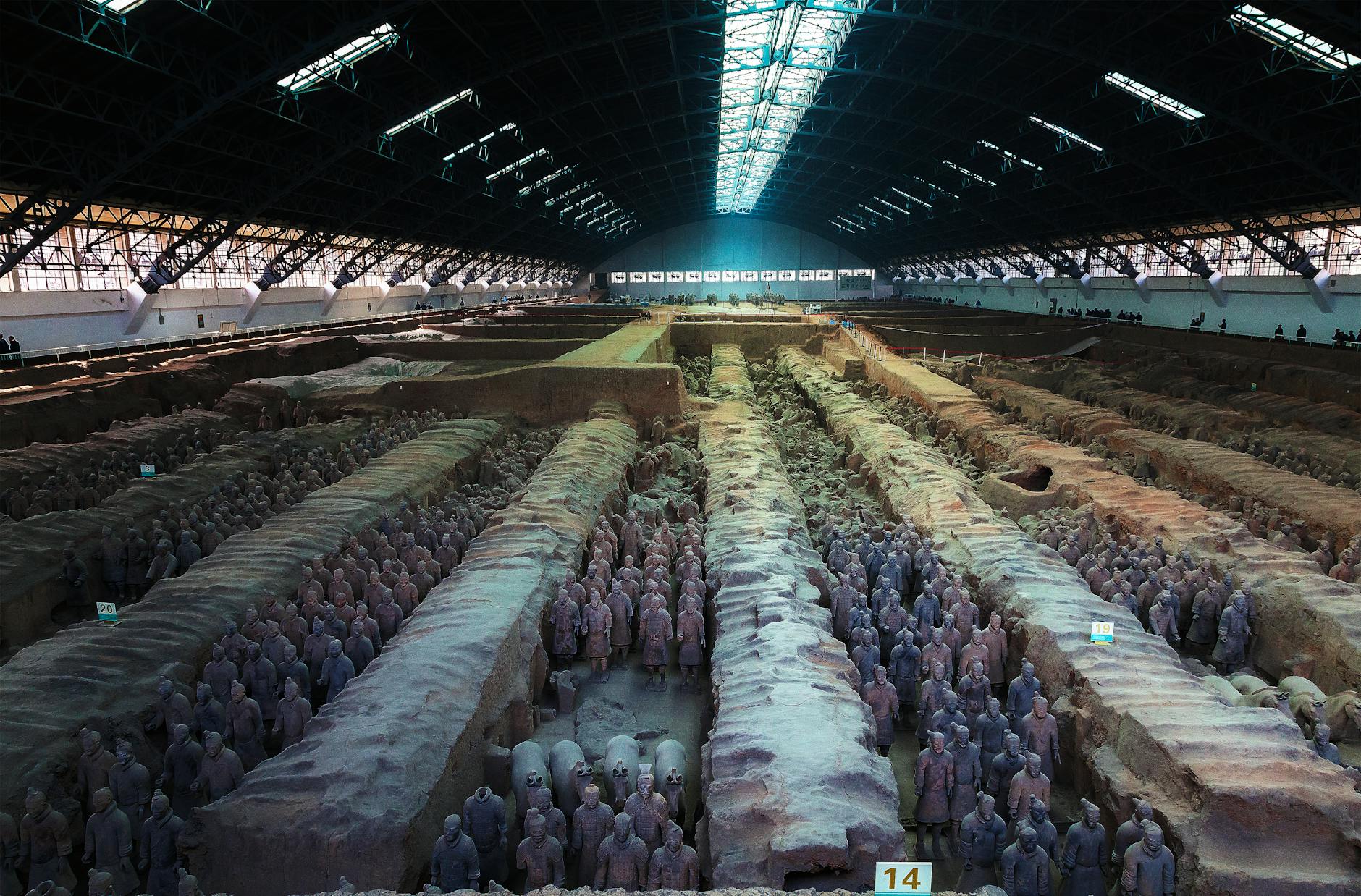
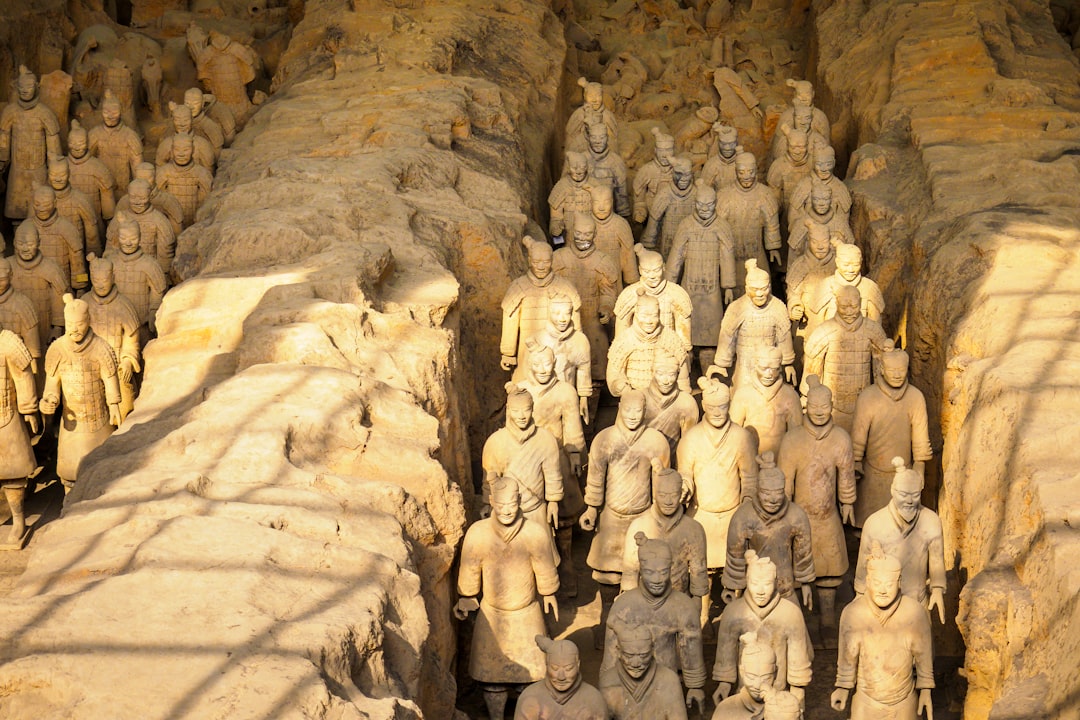
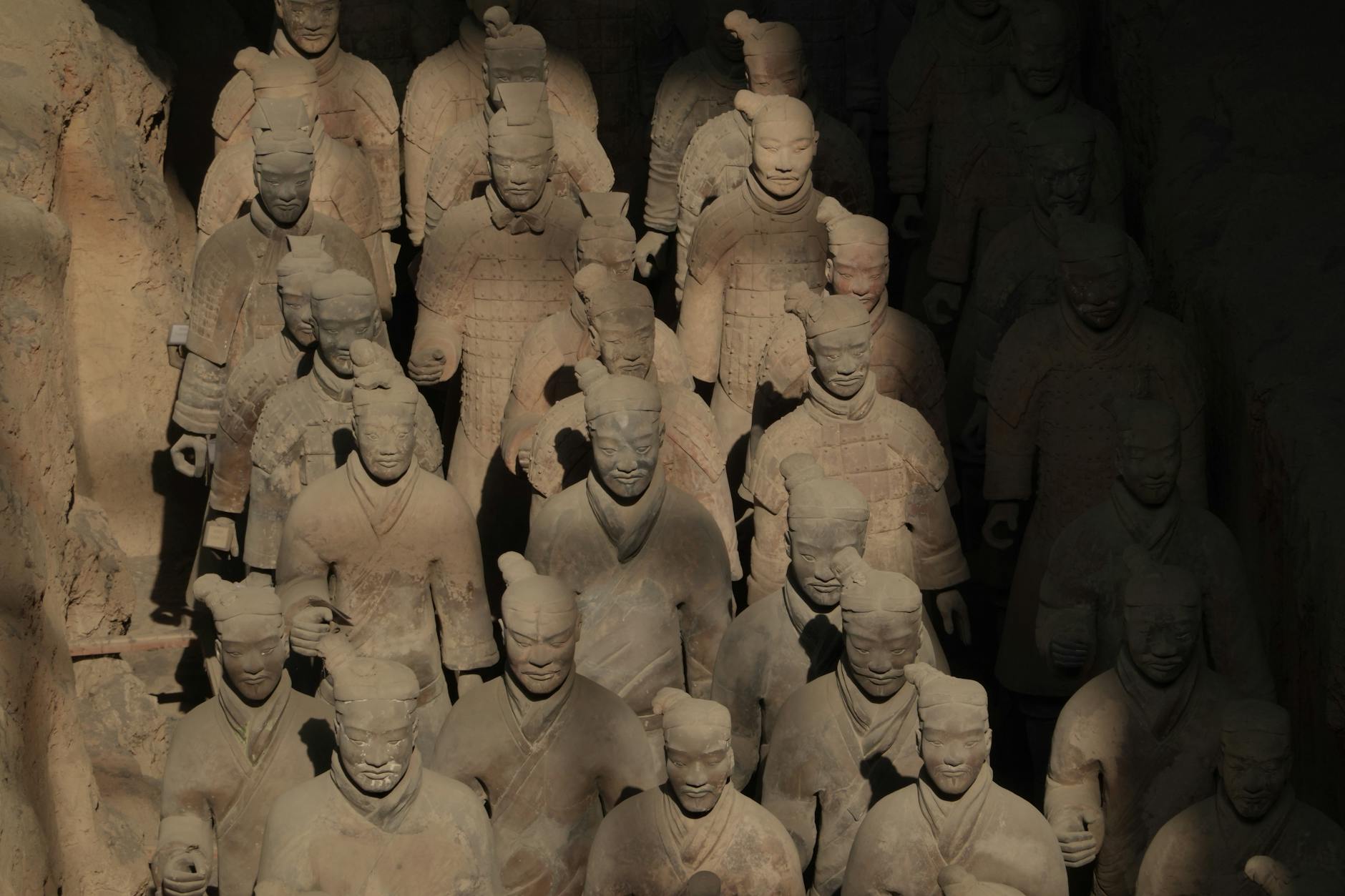
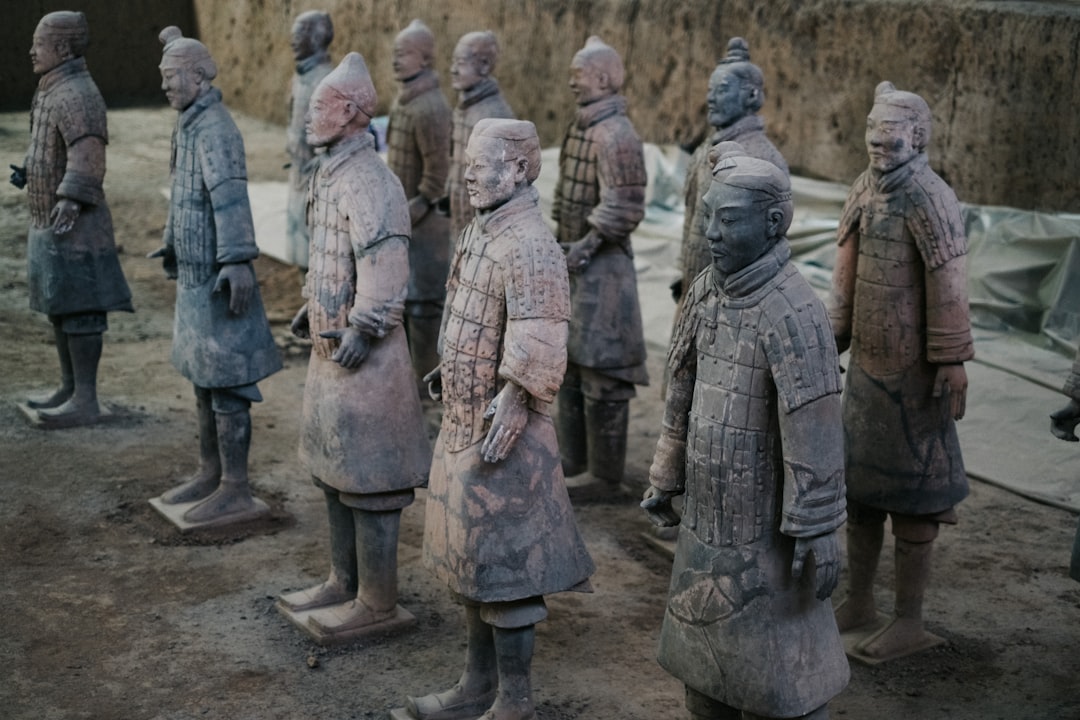
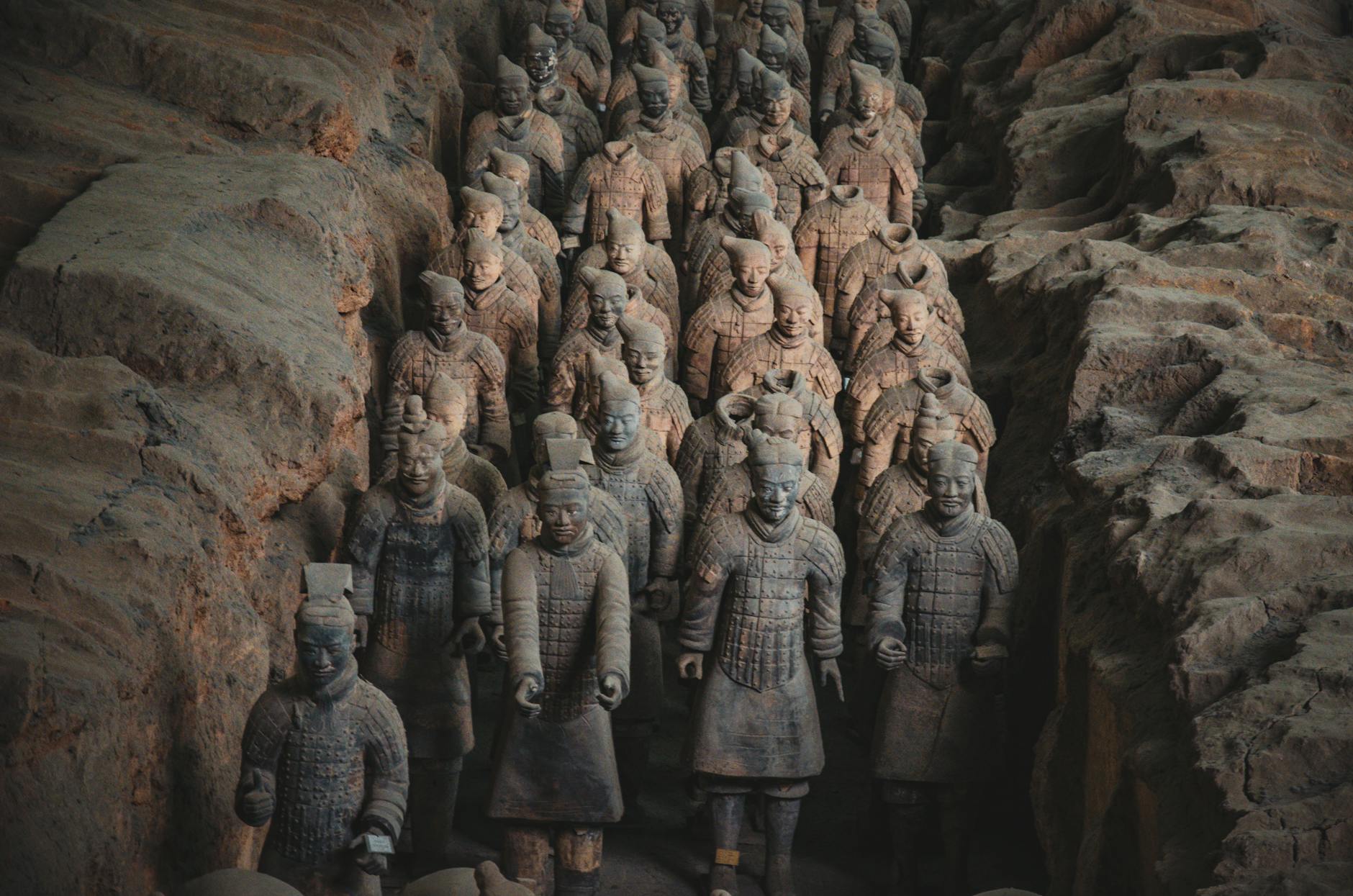
- Pit 1 — 6000 Warriors in FormationThe iconic photo; arrive 8:30 AM for crowd gap
- English Audio Guide (40 RMB)Essential — signage alone is sparse
- Tourist Bus 5 (306)From Xi’an Railway Station East; 7 RMB / 80 min
What Chinese travelers actually do here
Distilled from Chinese-language travel notes — the practical tips most English guides miss.
- Visit order matters: most tour groups go Pit 1 → Pit 2 → Pit 3, building from biggest to smallest. Do the REVERSE — Pit 3 first (small, intimate, almost empty before 10 AM), then Pit 2 (medium, the kneeling archer is here), then Pit 1 last for the wow-finale at the peak crowd hour. Same content, 10x better experience.
- The ‘Bronze Chariot’ museum hall (铜车马展厅) at the entrance is a 15-minute detour that 80% of foreigners skip. The two intact gilt-bronze chariots are arguably more impressive than the warriors themselves and have 1/10 the crowd — go before the pits, not after.
- Tourist Bus 5 (306) from Xi’an Railway Station East Square is ¥7 vs ¥250-400 for a ‘private tour’ — it goes to the exact same gate. The bus is government-run, runs every 15 min from 7 AM, and 90% of the warning posts about ‘fake tour buses’ are themselves scams designed to push you toward overpriced private cars.
- Eat at the Lintong county town BEFORE entering the site, not at the museum food court inside. Lintong is famous for its pomegranate (石榴) and roujiamo (肉夹馍) — ¥10-15 from street stalls vs ¥45-80 for mediocre fried-rice combos inside.
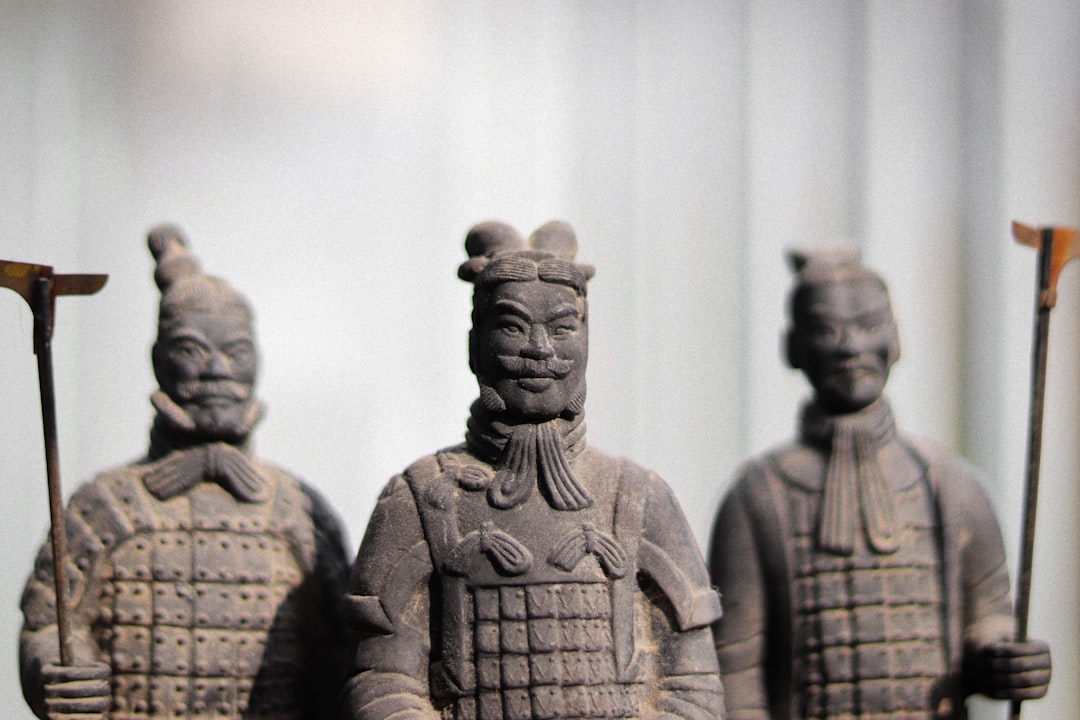
- The ‘Terracotta Warrior Replica Workshop’ tour add-on (¥80 to watch artisans make souvenirs) is a high-pressure sales funnel ending in a ¥600-2000 statue. Skip aggressively — and decline politely twice if a guide tries to push it.
- Huaqing Pool (华清池) and the Qin Shi Huang Mausoleum mound (秦始皇陵, 1 km from the warriors) are the two adjacent sites most travelers ignore. The mausoleum mound is the actual emperor’s tomb (unexcavated) — eerie, mostly empty, ¥120 combo with warriors. Worth 90 minutes.
- Best photo of Pit 1 is from the RIGHT-side observation walkway (when facing the warriors), about 1/3 from the south end — this angle isolates the second-row generals against the back wall. The standard center-front angle is a wall of heads.
- Don’t bother with a Chinese tour guide doing simultaneous translation — quality is highly variable. Hire an official Pit-licensed English guide at the museum entrance for ¥200-300, or skip and use the rented audio device (¥40, deposit ¥100).
Photos

Show all 14 photosShow fewer
What visitors say about Terracotta Army (Qin Shi Huang Mausoleum)
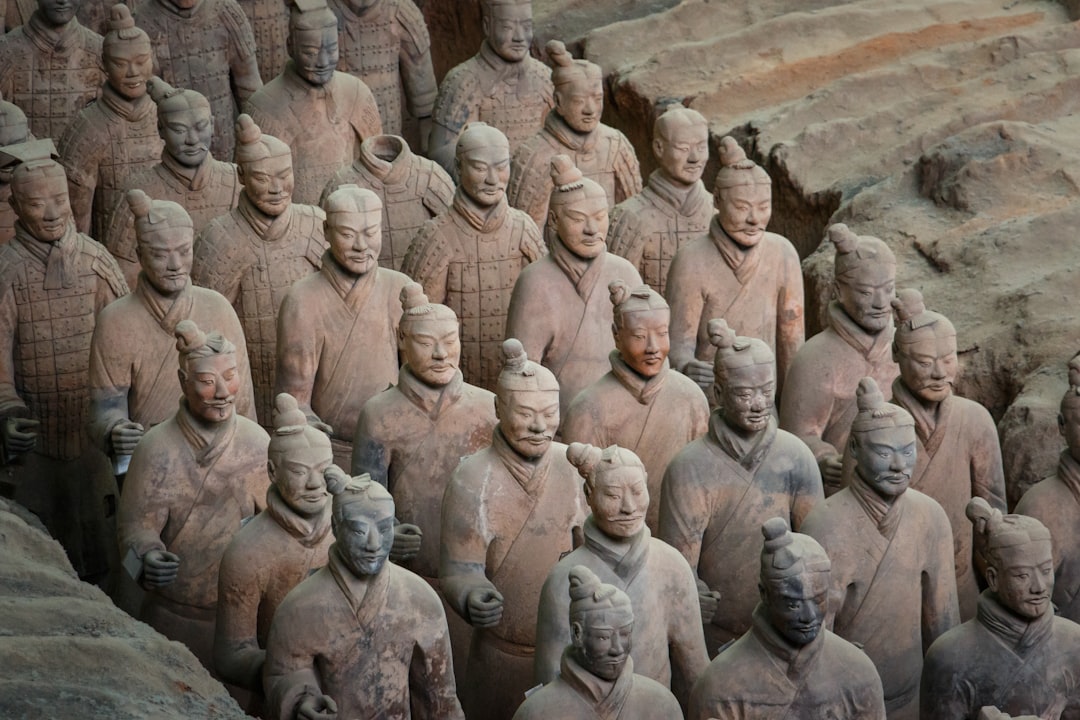
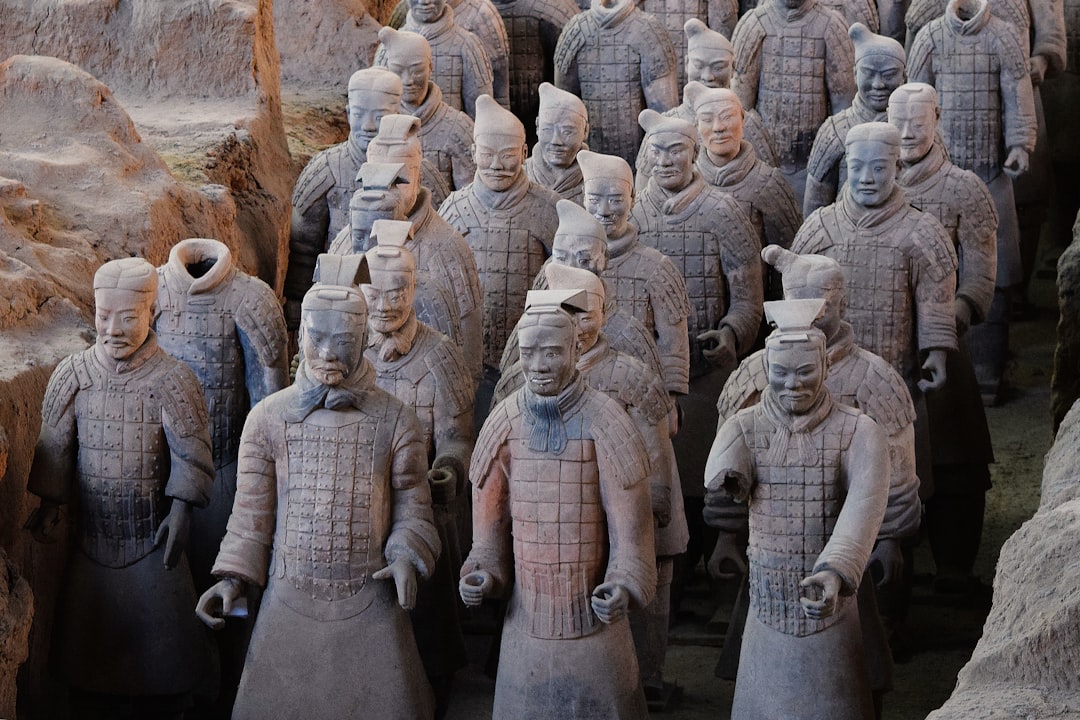
Consistently praised: the awe-inspiring scale of pit 1 and the lifelike detail of thousands of individually crafted warriors
Most common gripe: heavy mid-morning crowds plus pushy touts selling overpriced tours near the entrance
Watch creators visit Terracotta Army (Qin Shi Huang Mausoleum)
Each clip is timestamped to the moment the creator arrives at this stop.
Frequently asked questions about Terracotta Army (Qin Shi Huang Mausoleum)
- Are the Terracotta Warriors worth visiting?
- For first-time visitors to Xi’an, yes — the scale only registers in person. Pit 1 alone has roughly 2,000 warriors visible from raised walkways, and the museum’s bronze chariots and kneeling-archer cases are considerably stronger than the photographs suggest. Plan 3-4 hours on-site plus 2-3 hours round-trip from central Xi’an. Travelers who skip it overwhelmingly regret it; travelers who go consistently rate it among their China trip’s highlights.
- How long do you need at the Terracotta Warriors?
- Plan a minimum of 3 hours on-site (Pit 1 + Pit 2 + Pit 3 + the Bronze Chariots Hall), or 4-5 hours for unhurried photography and museum reading. Add roughly 2.5 hours round-trip on Tourist Bus 5/306 (¥7, 60-80 min each way). A door-to-door visit from your Xi’an hotel and back takes 6-7 hours — treat it as a half-day commitment, not a quick stop.
- Can I visit the Terracotta Warriors as a day trip from Beijing or Shanghai?
- Technically yes via high-speed rail, but it is an exhausting 14-16 hour round-trip and most travelers regret it. Beijing-Xi’an HSR is about 4h 30min each way; Shanghai-Xi’an roughly 6h. A realistic plan stays at least one night in Xi’an, sees the warriors in the morning, and combines the city’s other major sites (City Wall, Muslim Quarter, Big Wild Goose Pagoda) the same afternoon and evening.
- Are all 8,000 Terracotta Warriors visible to visitors?
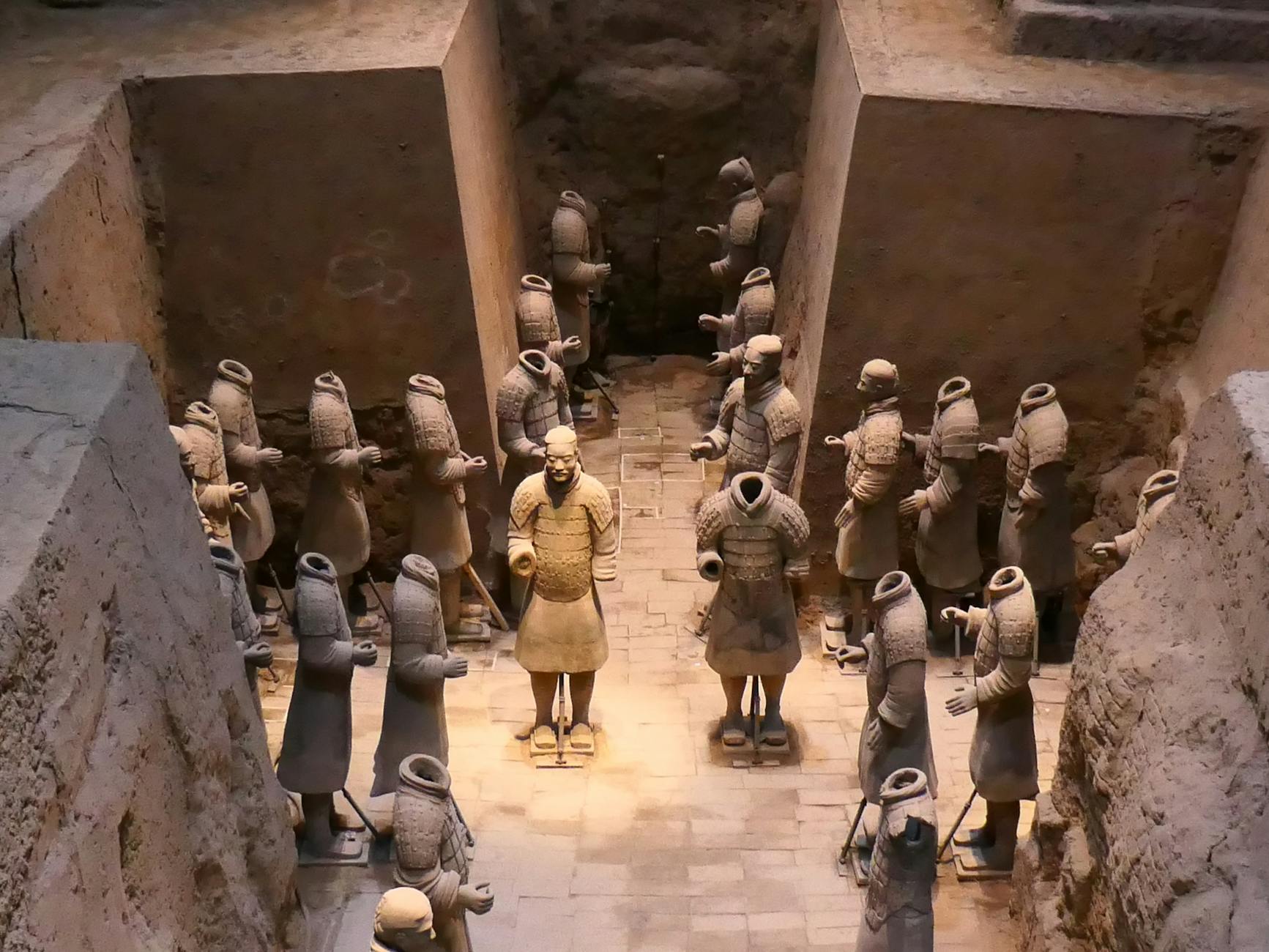
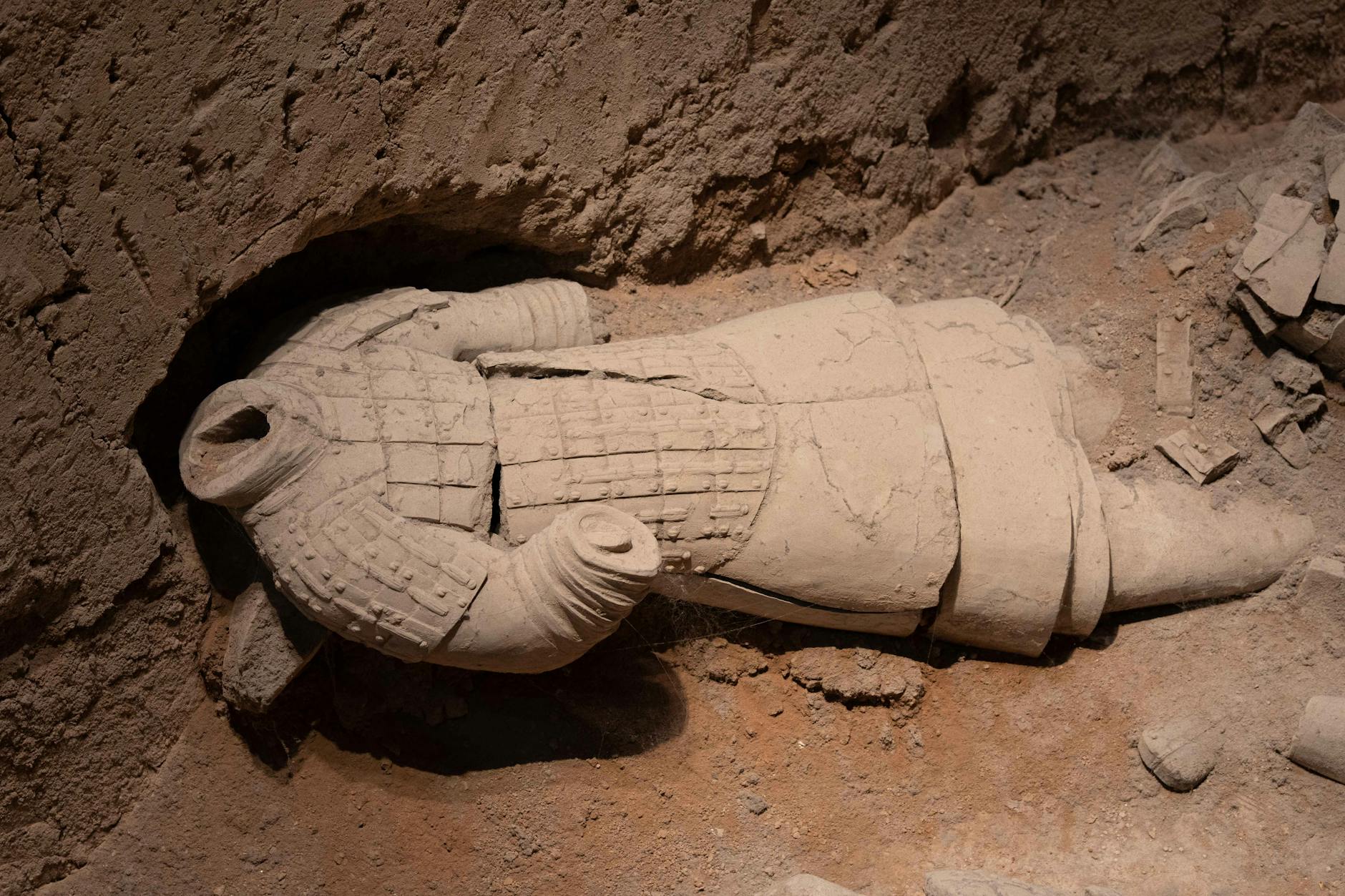
- No — only about 2,000 are excavated and on display. The remaining roughly 6,000 are still buried in Pits 1 and 2 to protect their original paint coatings, which deteriorate within minutes of exposure to Xi’an’s dry air. Archaeologists deliberately paused excavation in the 1990s pending better preservation technology. What you see are the front rows; the back rows remain underground for now.
- Can you take photos inside the pits?
- Yes, photography is permitted throughout all three pits with no extra fee, including flash in most areas (flash is requested off inside the Bronze Chariots Hall to protect the lacquer surfaces). Tripods and selfie sticks are technically allowed but make crowded walkways harder to navigate. The best photo angle for Pit 1 is the right-side observation walkway, about a third in from the south end — it isolates the second-row generals.
- What’s the best time of day and year to visit?
- Best time of day: arrive at 08:30 right as the gates open — Tourist Bus 5/306 leaves Xi’an around 07:00 and catches the first wave. Pit 1 is uncrowded for the first 45 minutes before tour groups arrive at 09:30. Best months are April-May and September-October (mild weather, fewer domestic tourists). Avoid May 1 and October 1-7 — Chinese national holidays bring daily visitor caps and 2-3 hour queues.
- Do you need to hire a guide?
- Not strictly required, but the ¥40 English audio guide rented at the entrance is essential — on-pit labels are sparse and you will miss most of the historical context. Avoid the freelance “private guides” loitering outside the gate, who charge ¥200-400 and vary widely in quality. For a serious guided experience, book an official pit-licensed English guide (¥200-300, small group) at the in-museum guide-services counter.
More in Xi'an

Plan your Xi'an trip
- Beijing vs Xi’an — Which Ancient Capital Should a History Traveler Pick?Itineraries · 9 min read
- Beijing, Xi’an & Shanghai: A 7-Day Itinerary That Actually Books (2026)Itineraries · 14 min read
- China High-Speed Rail (Gaotie) — The 2026 Foreigner’s GuideTransit · 11 min read
- Does Google Maps Work in China? (No — Here’s What Does, 2026)Internet & Apps · 9 min read
- 240-Hour Visa-Free Transit to China — 2026 GuideVisa & Entry · 11 min read
- How to Use Alipay as a Foreigner in China — 2026 GuidePayments · 11 min read
- WeChat Pay for Foreigners — The 2026 Setup GuidePayments · 9 min read
- Do You Need a VPN for China? Legality, Setup Before You Fly, and What Breaks (2026)Internet & Apps · 13 min read
Trip.com link earns us a small commission · disclosure