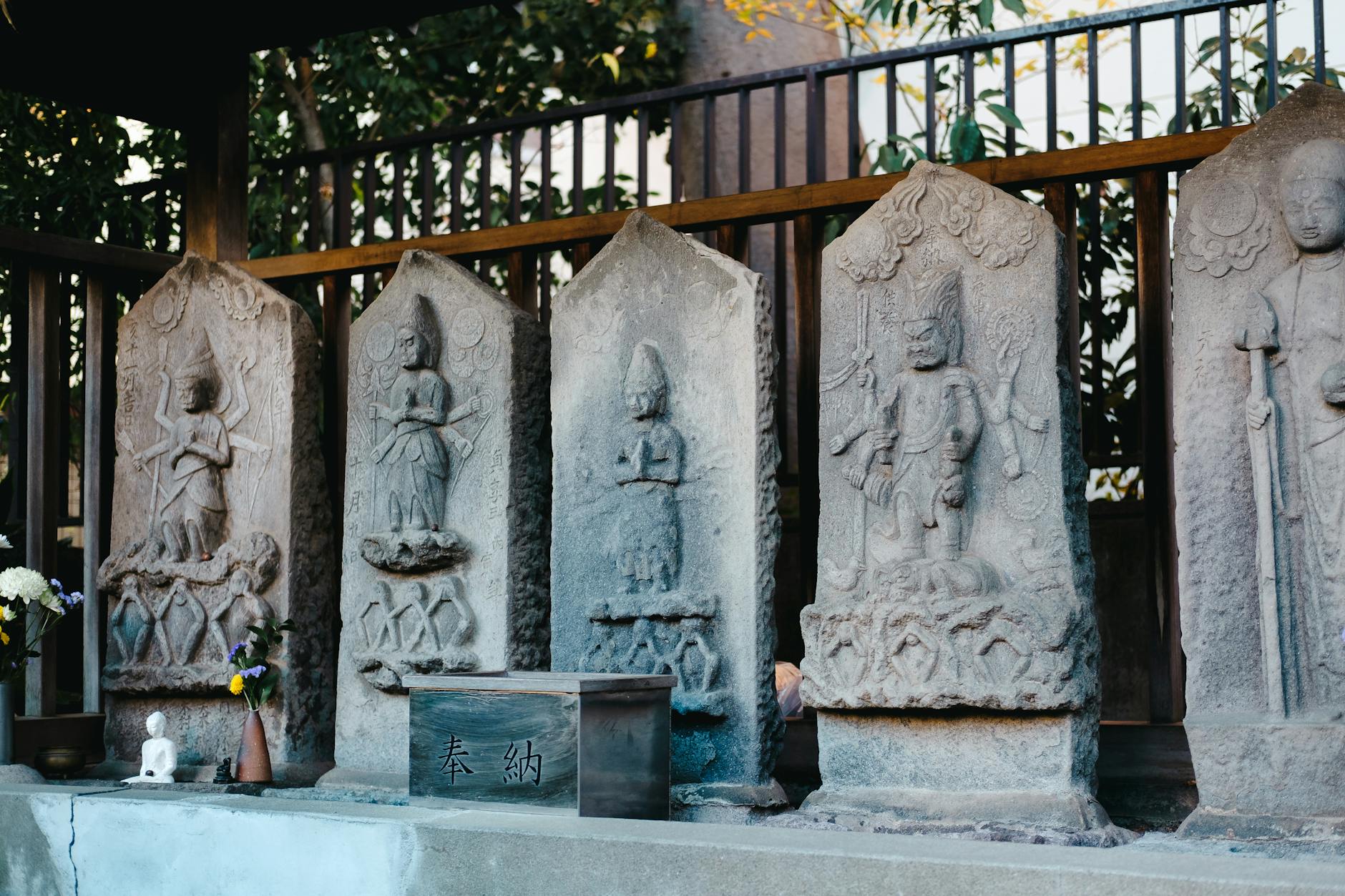
1100+ engraved stone tablets spanning 2000 years of Chinese calligraphy — China’s calligraphy mecca, founded 1087 CE.
At a glance
- What it is
- Arts & Culture
- Also known as
- 西安碑林博物馆 (Xī’ān Bēilín Bówùguǎn)
- Opening hours
- 8 AM – 6 PM
- Time needed
- 2-3 hours
- Best time to visit
- Weekday morning
- Getting there
- Metro to the door
- English
- English tours available
- Cards accepted
- Cash only
- Entry
- Passport booking recommended
- Wi-Fi
- Free Wi-Fi
- Address
- 15 Sanxue St, Xi’an · 三学街15号
Forest of Stone Steles Museum map & getting there
Taxi / DiDi? Show the driver: 三学街15号 · 15 Sanxue St, Xi’an
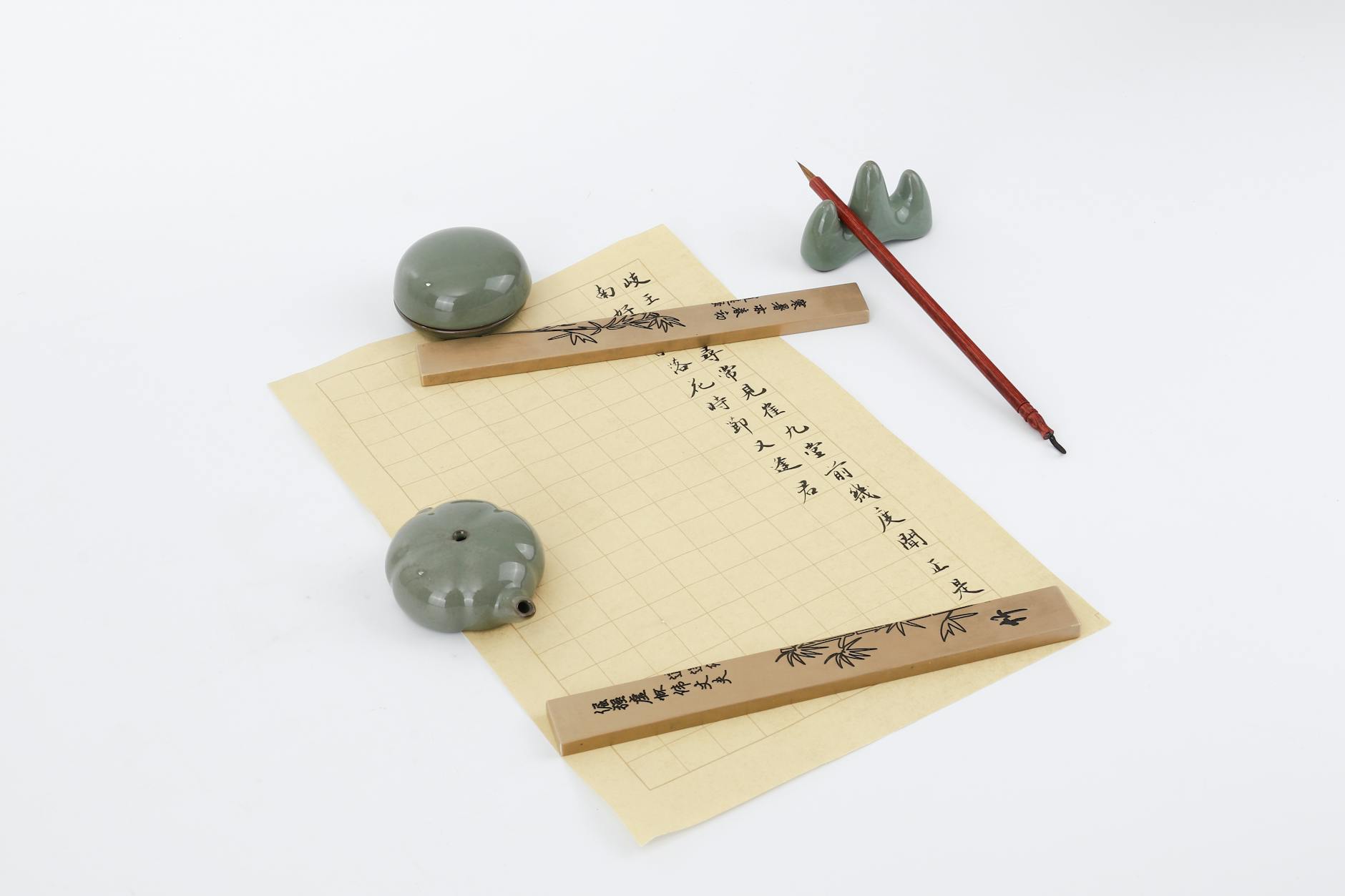
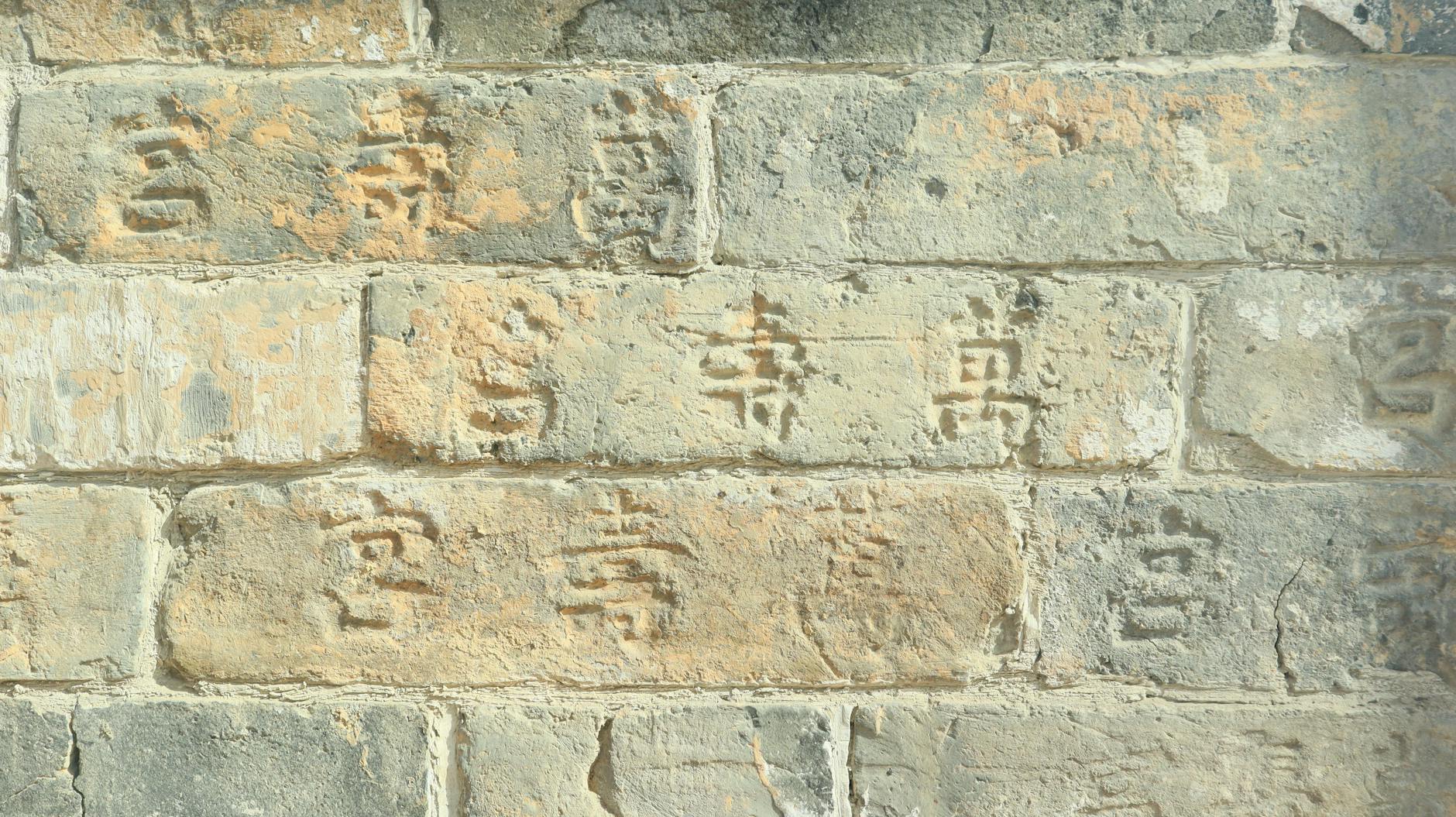
The Forest of Stone Steles (founded 1087 CE) is China’s largest collection of engraved stone tablets — 1,100+ steles spanning Han through Qing dynasties, on which most of the canonical Chinese classics are preserved (the Kaicheng Stone Classics from 837 CE, the Tang dynasty’s official version of the Four Books and Five Classics, are here). Calligraphy buffs make pilgrimages here. Entry 65 RMB. The seven halls are organized by era; Hall 1 has the Stone Classics, Hall 4 has the famous Daqin Nestorian Tablet (781 CE, evidence of Christianity reaching Tang China). Combine with Confucius Temple (same complex) and Xi’an City Wall South Gate (5 min walk).
Highlights
- Kaicheng Stone ClassicsTang dynasty official Four Books + Five Classics
- Daqin Nestorian Tablet781 CE evidence of Christianity in Tang China
What Chinese travelers actually do here
Distilled from Chinese-language travel notes — the practical tips most English guides miss.
- Visit on a weekday morning; this niche museum stays calm but tour groups still cluster around Hall 1.
- Bring cash for the 65 RMB ticket, as the site is listed cash-only.
- Seek out the Daqin Nestorian Tablet in Hall 4; many visitors leave without finding this 781 CE highlight.
- Hall 1 holds the Kaicheng Stone Classics, the Tang dynasty’s official texts, and is the room to slow down in.
- The South Gate of the City Wall is a five-minute walk, an easy add-on after the steles.
- Browse the Sanxue Street shops just outside for brushes and ink stones rather than tourist-trap souvenirs.
- Non-calligraphy travellers should budget closer to one hour, since the inscribed stones grow repetitive quickly.
Photos






Show all 14 photosShow fewer






Frequently asked questions about Forest of Stone Steles Museum
- What exactly is the Forest of Stone Steles Museum?
- Founded in 1087 CE, it is China’s largest collection of engraved stone tablets, over 1,100 steles spanning the Han to Qing dynasties. The carved stones preserve canonical Chinese classics and centuries of calligraphy, which is why calligraphy enthusiasts treat it as a pilgrimage site. The seven halls are arranged by era. Entry costs 65 RMB.
- Is the Forest of Stone Steles worth it if I cannot read Chinese?
- It depends on your interests. If you love calligraphy, history, or stone carving, the craftsmanship is remarkable even without reading the text. The Daqin Nestorian Tablet (781 CE), documenting early Christianity in Tang China, has a fascinating cross-cultural story. Casual visitors with no interest in script may find the long rows of inscribed stones repetitive.
- What can I combine with a visit to the steles museum?
- The museum shares its complex with the Confucius Temple, so both are seen on one ticket area. The City Wall’s South Gate is only about a five-minute walk away. A weekday morning works best, and the surrounding Sanxue Street antique and calligraphy shops make a pleasant browse afterward.
More in Xi'an



Plan your Xi'an trip
- Beijing vs Xi’an — Which Ancient Capital Should a History Traveler Pick?Itineraries · 9 min read
- Beijing, Xi’an & Shanghai: A 7-Day Itinerary That Actually Books (2026)Itineraries · 14 min read
- China High-Speed Rail (Gaotie) — The 2026 Foreigner’s GuideTransit · 11 min read
- Does Google Maps Work in China? (No — Here’s What Does, 2026)Internet & Apps · 9 min read
- 240-Hour Visa-Free Transit to China — 2026 GuideVisa & Entry · 11 min read
- How to Use Alipay as a Foreigner in China — 2026 GuidePayments · 11 min read
- WeChat Pay for Foreigners — The 2026 Setup GuidePayments · 9 min read
- Do You Need a VPN for China? Legality, Setup Before You Fly, and What Breaks (2026)Internet & Apps · 13 min read