5,000 years of Chinese silk history — including live silkworm farming demonstration. Suzhou has been China’s silk capital since 220 BC.
At a glance
- What it is
- Arts & Culture
- Also known as
- 苏州丝绸博物馆 (Sūzhōu Sīchóu Bówùguǎn)
- Opening hours
- 9 AM – 5 PM
- Time needed
- 1.5-2 hours
- Best time to visit
- Morning weekday; May-July for active silkworm demo
- Getting there
- Metro to the door
- English
- English tours available
- Cards accepted
- Visa, Mastercard
- Entry
- Walk-in — no booking
- Wi-Fi
- Free Wi-Fi
- Address
- 2001 Renmin Road, Gusu District, Suzhou · 苏州市姑苏区人民路2001号
Suzhou Silk Museum map & getting there
Taxi / DiDi? Show the driver: 苏州市姑苏区人民路2001号 · 2001 Renmin Road, Gusu District, Suzhou
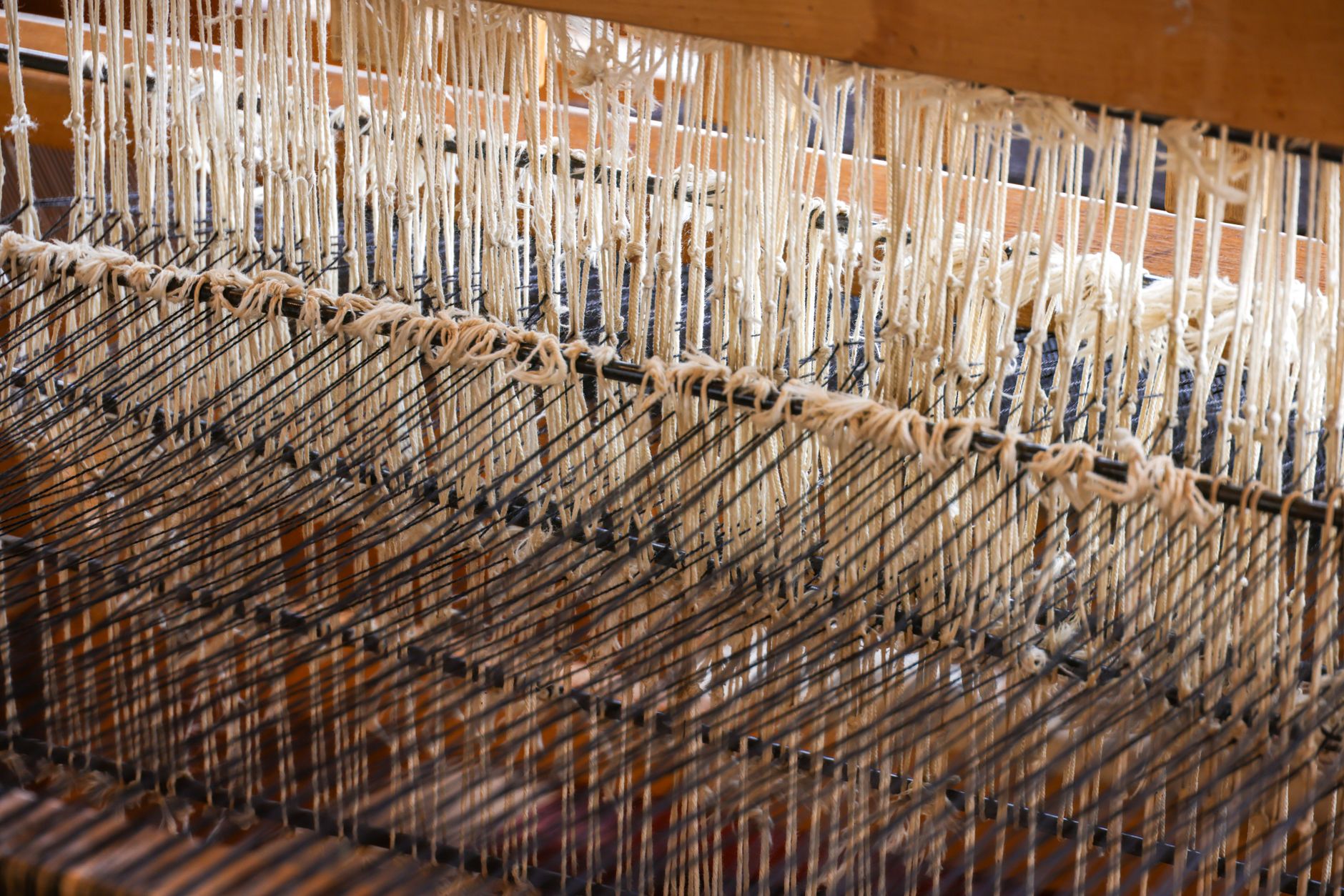
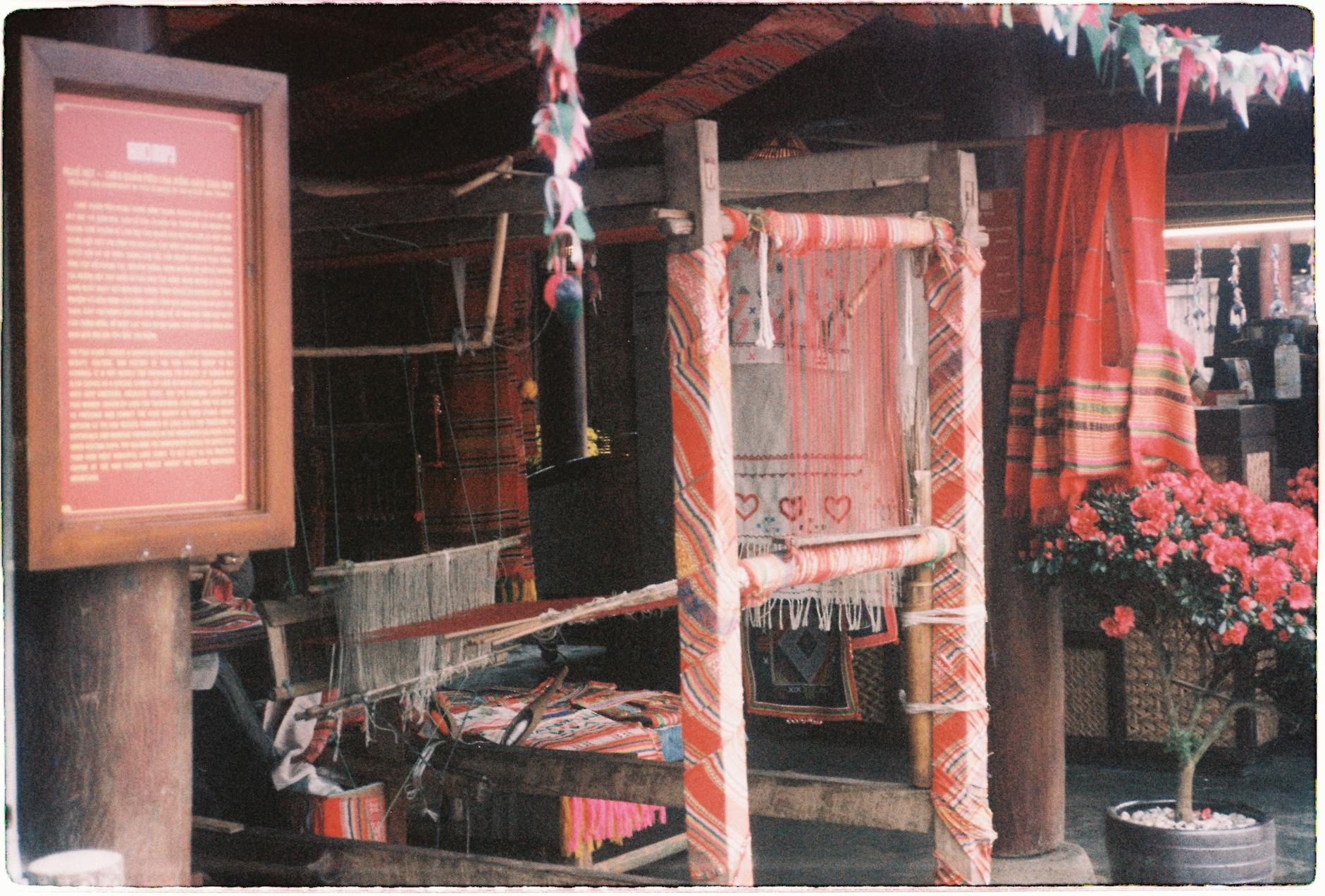
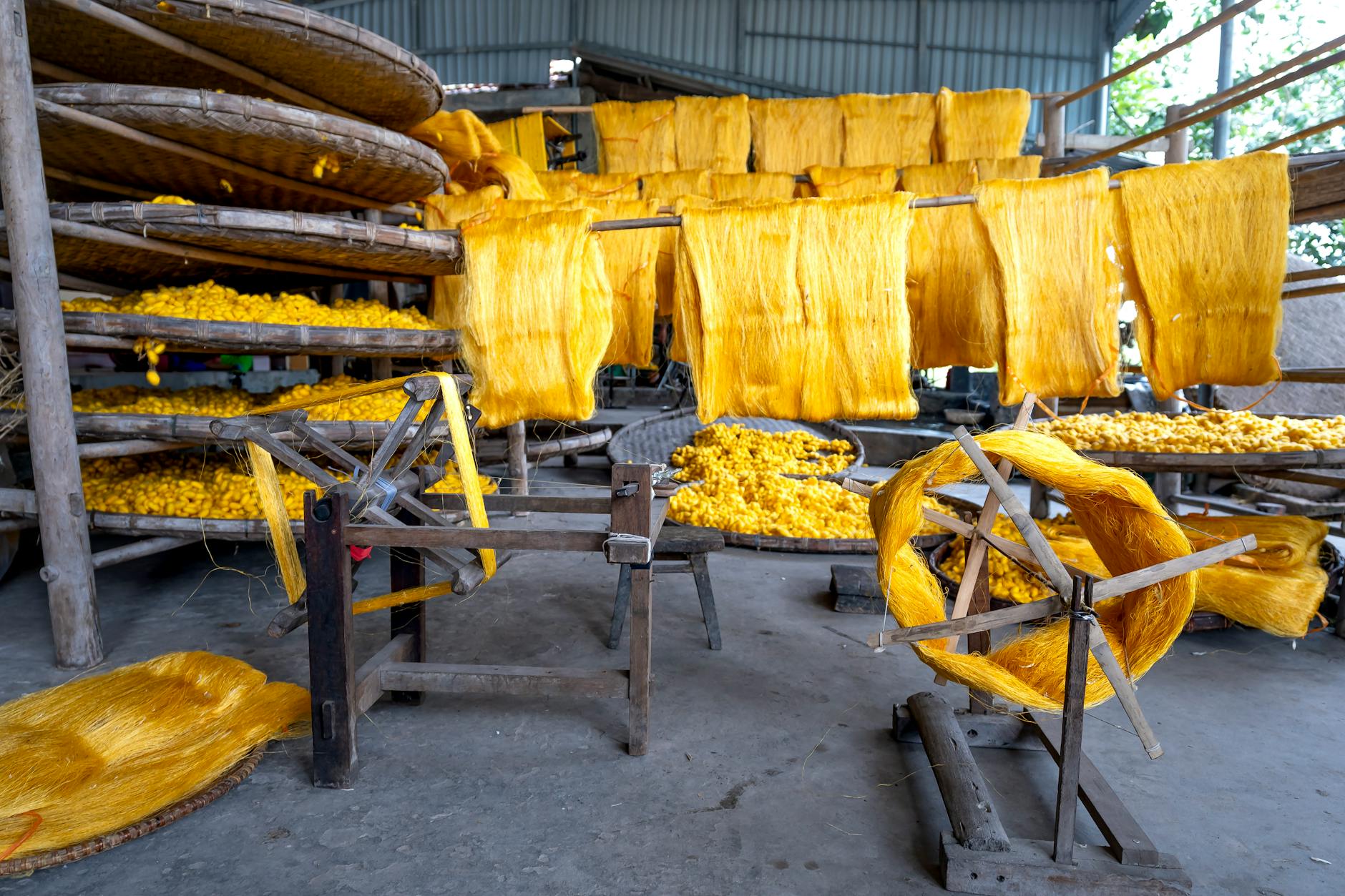
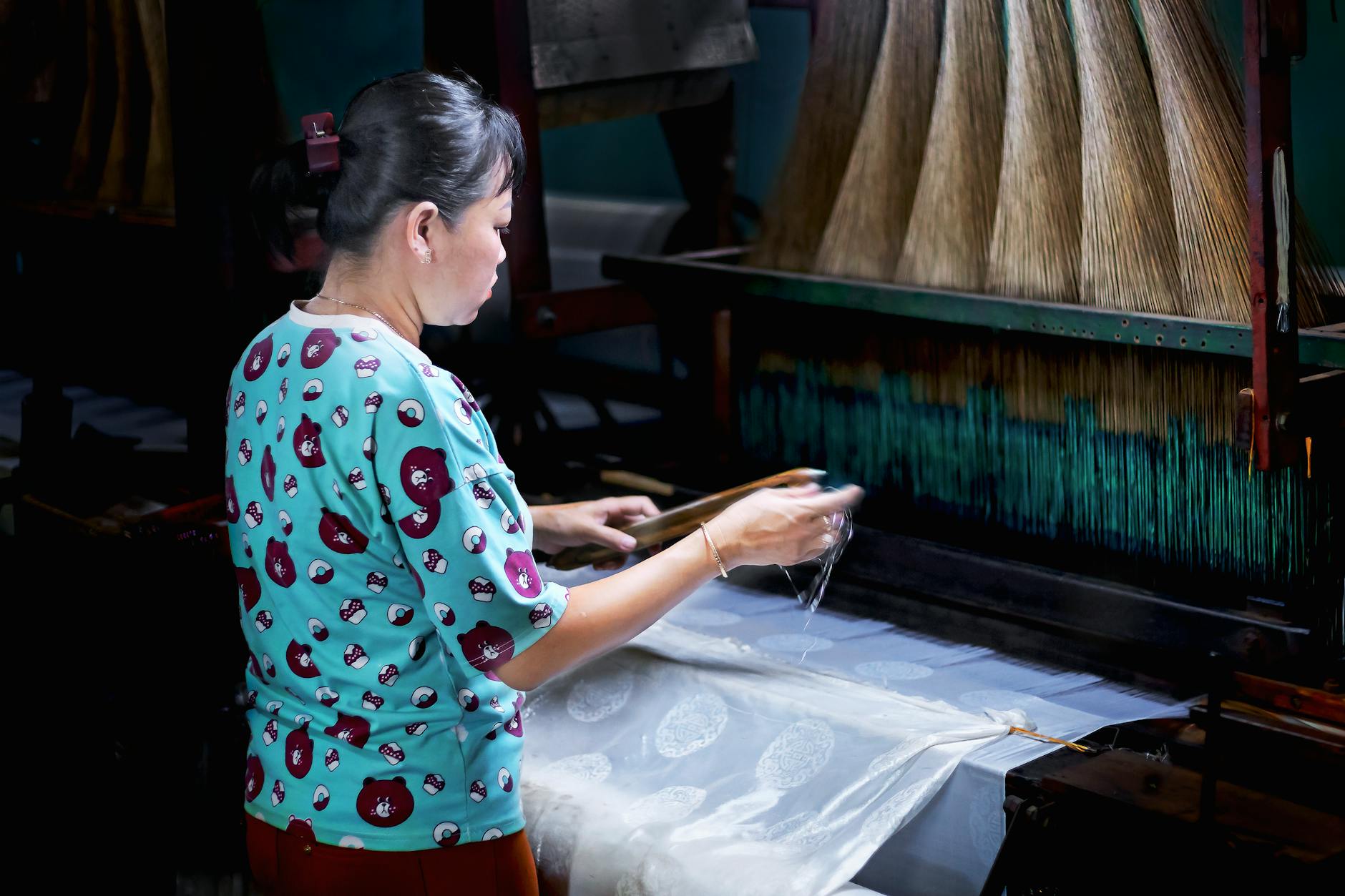
The Suzhou Silk Museum traces 5,000+ years of Chinese silk culture, from Neolithic Liangzhu silk artifacts (4,800 BC, found in Suzhou region) through Tang/Song imperial silk production through today’s Suzhou silk industry. Highlights: 5,000 BC silk fragments from Liangzhu archaeological digs, original Tang/Song dynasty loom reconstructions, an imperial robe collection from the Ming/Qing courts, and a LIVE silkworm + mulberry leaf demonstration room (working silkworms producing thread you can see — peak May-July). Adjacent Silk Workshop offers hands-on silk-painting / weaving lessons. Entry FREE. Open 9 AM - 5 PM, closed Mondays. Worth 90 min if you have interest in textile history or want a context-setting visit before buying Suzhou silk products at Pingjiang Road shops.
Highlights
- 5,000 BC silk artifactsFrom Liangzhu archaeological site; world’s oldest silk
- Live silkworm farmMay-July active demonstration; see thread being produced
- FREE entryNo booking needed; closed Mondays
What Chinese travelers actually do here
Distilled from Chinese-language travel notes — the practical tips most English guides miss.
- Suzhou has been China’s silk capital since 220 BC (Han dynasty) — the city’s wealth, gardens, and cultural achievements were all funded by silk trade. The museum displays trace this 2,200+ year unbroken history. Most foreigners don’t realize how thoroughly silk shaped Suzhou’s identity until they see this museum.
- The 5,000 BC silk fragments from the Liangzhu archaeological site are arguably the world’s oldest preserved silk — found just 50 km from Suzhou. The display shows the original specimen + restored versions. Worth 10-15 min careful viewing.
- Imperial silk robes (Ming + Qing dynasties) are displayed in the third-floor gallery — actual robes worn by emperors and senior officials. The thread density (1,200-2,400 threads per inch) is technically extraordinary; modern industrial silk only reaches ~600 threads per inch. The robes are one-of-a-kind treasures.
- Live silkworm room (May-July) is the kid-magnet exhibit — children love watching the worms eat mulberry leaves. If traveling with kids, time the Suzhou trip for May-July specifically and prioritize this room.
- Photography is allowed throughout except in the imperial robe gallery (UV protection rules). Bring a smartphone with good macro for the close-up shots of silk thread structure.
- Most foreigners visit AFTER buying tourist-priced silk on Pingjiang Road — then realize the museum prices are 30-50% lower. Visit the museum FIRST in your Suzhou trip, then make informed silk-purchase decisions afterwards.
Photos
Videos


Frequently asked questions about Suzhou Silk Museum
- Is the Silk Museum worth visiting?
- Yes for travelers with interest in textile history, archaeology, OR planning to buy silk products in Suzhou. The museum gives essential context for understanding silk-purchase decisions: which grades exist, how to identify real silk, what production techniques mark luxury vs commercial. Skip if you have zero textile interest and won’t be silk shopping.
- Can I see live silkworms?
- Yes, May through July — the active silkworm rearing season. The museum’s working farm room houses thousands of silkworms feeding on mulberry leaves through their life cycle (3 weeks from egg to cocoon). You can watch worms produce silk thread in real time. Other months (Aug-Apr) show preserved specimens + video footage. May-July visits give the strongest experience.
- How long does the visit take?
- 90 min for a standard tour; 2-2.5 hours for deep dive. The museum has 5 main galleries: ancient silk archaeology, dynasty-era silk production, imperial silk robes, modern silk industry, and the working silkworm room. Most foreigners spend 60-90 min and leave with strong context.
- Can I buy silk products at the museum?
- Yes — the museum gift shop sells museum-grade Suzhou silk products at FAIR PRICES (no tourist markup). Items: silk scarves (¥80-200), small silk-stuffed sachets (¥30-50), silk-painted fans (¥60-150), silk-thread embroidery samplers (¥200-500). Much better quality and price than Pingjiang Road tourist shops.
- What’s the workshop / hands-on experience?
- The adjacent Silk Workshop offers silk-painting (¥80-150, 90 min) + silk-weaving lessons (¥200-300, 2-3 hours) — small group classes with English-speaking instructors. Book 1-3 days ahead via the museum’s WeChat mini-program or hotel concierge. Make a silk handkerchief or paint a silk fan as a souvenir.
More in Suzhou
Plan your Suzhou trip
- Hangzhou vs Suzhou — Which Day Trip Should You Take from Shanghai?Itineraries · 8 min read
- China High-Speed Rail (Gaotie) — The 2026 Foreigner’s GuideTransit · 11 min read
- Does Google Maps Work in China? (No — Here’s What Does, 2026)Internet & Apps · 9 min read
- WeChat Pay for Foreigners — The 2026 Setup GuidePayments · 9 min read
- China Trip Pre-Departure Checklist — The 30-Day TimelineVisa & Entry · 10 min read
- 240-Hour Visa-Free Transit to China — 2026 GuideVisa & Entry · 11 min read
- How to Use Alipay as a Foreigner in China — 2026 GuidePayments · 11 min read