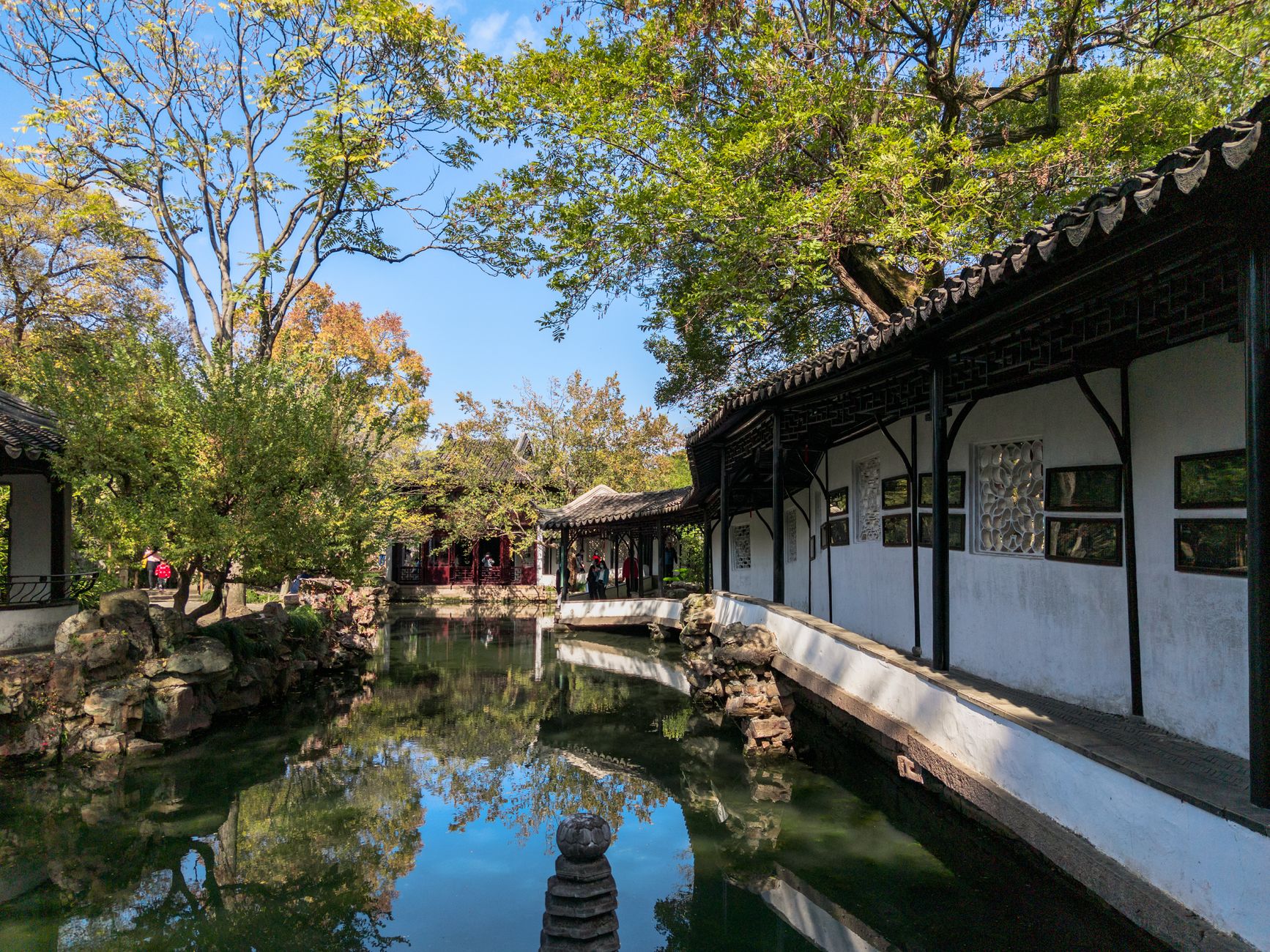
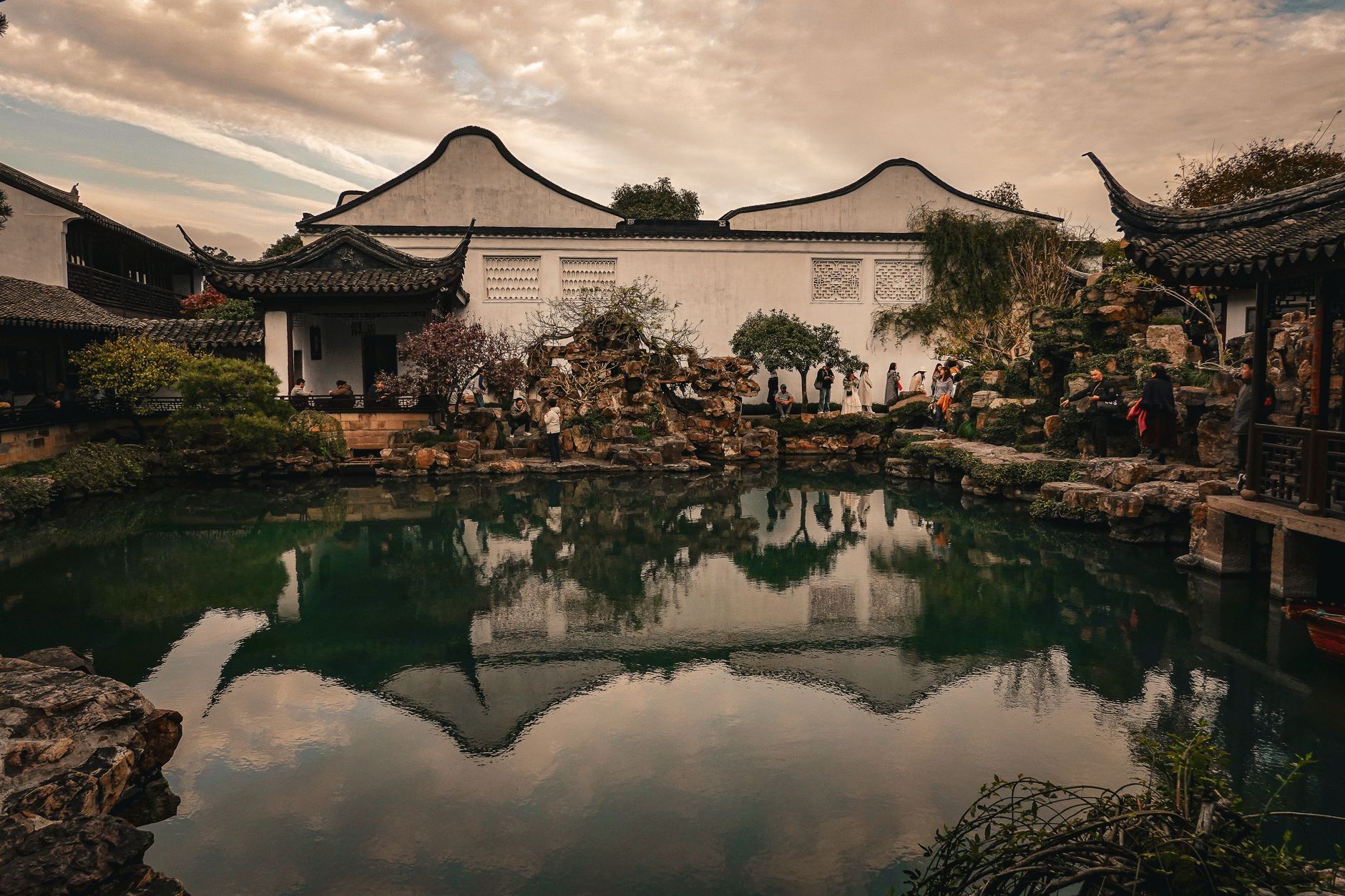
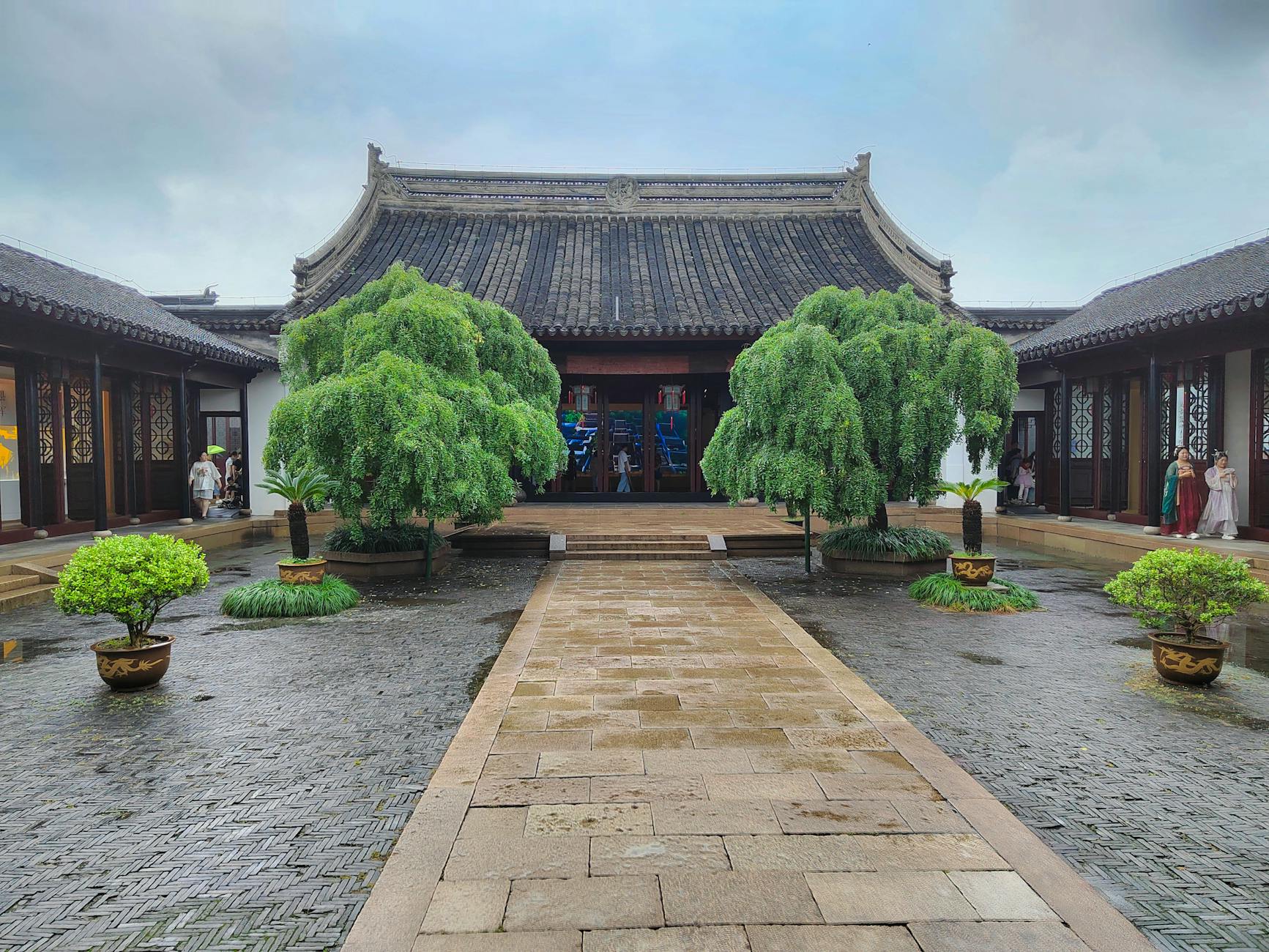
Largest of Suzhou’s UNESCO-listed classical gardens (52,000 m²) — built 1509, the canonical example of Ming-dynasty Jiangnan landscape design.
At a glance
- What it is
- Heritage Site
- Also known as
- 拙政园 (Zhuōzhèng Yuán)
- Opening hours
- 7:30 AM – 5 PM
- Time needed
- 2-3 hours
- Best time to visit
- Opening 7:30 AM or after 3 PM weekday; avoid 10 AM - 2 PM
- Getting there
- Metro to the door
- English
- English tours available
- Cards accepted
- Visa, Mastercard
- Entry
- Passport booking required · tickets & prices →
- Wi-Fi
- Free Wi-Fi
- Address
- 178 Dongbei Street, Gusu District, Suzhou · 苏州市姑苏区东北街178号
Trip.com link · we earn a small commission · disclosure
Humble Administrator's Garden map & getting there
Taxi / DiDi? Show the driver: 苏州市姑苏区东北街178号 · 178 Dongbei Street, Gusu District, Suzhou
How to book tickets
Real-name booking with a specific entry time slot; tickets are not sold on-site without a prior reservation, and foreigners book with exact passport details and show the original passport plus QR code at the gate. Sells out on weekends and holidays.
Official WeChat mini-program 苏州园林旅游 (Suzhou Gardens), bookable up to 7 days ahead; Trip.com/GetYourGuide sell official-price entry with an English flow. Penalty-free cancellation until midnight the day before your visit.
Tickets release: 7 days ahead
Verified 2026-08 · How attraction booking works in China
Highlights
- 52,000 m² — largest Suzhou garden5x the size of Lingering Garden
- Distant Fragrance Hall (远香堂)Main pavilion; central viewpoint
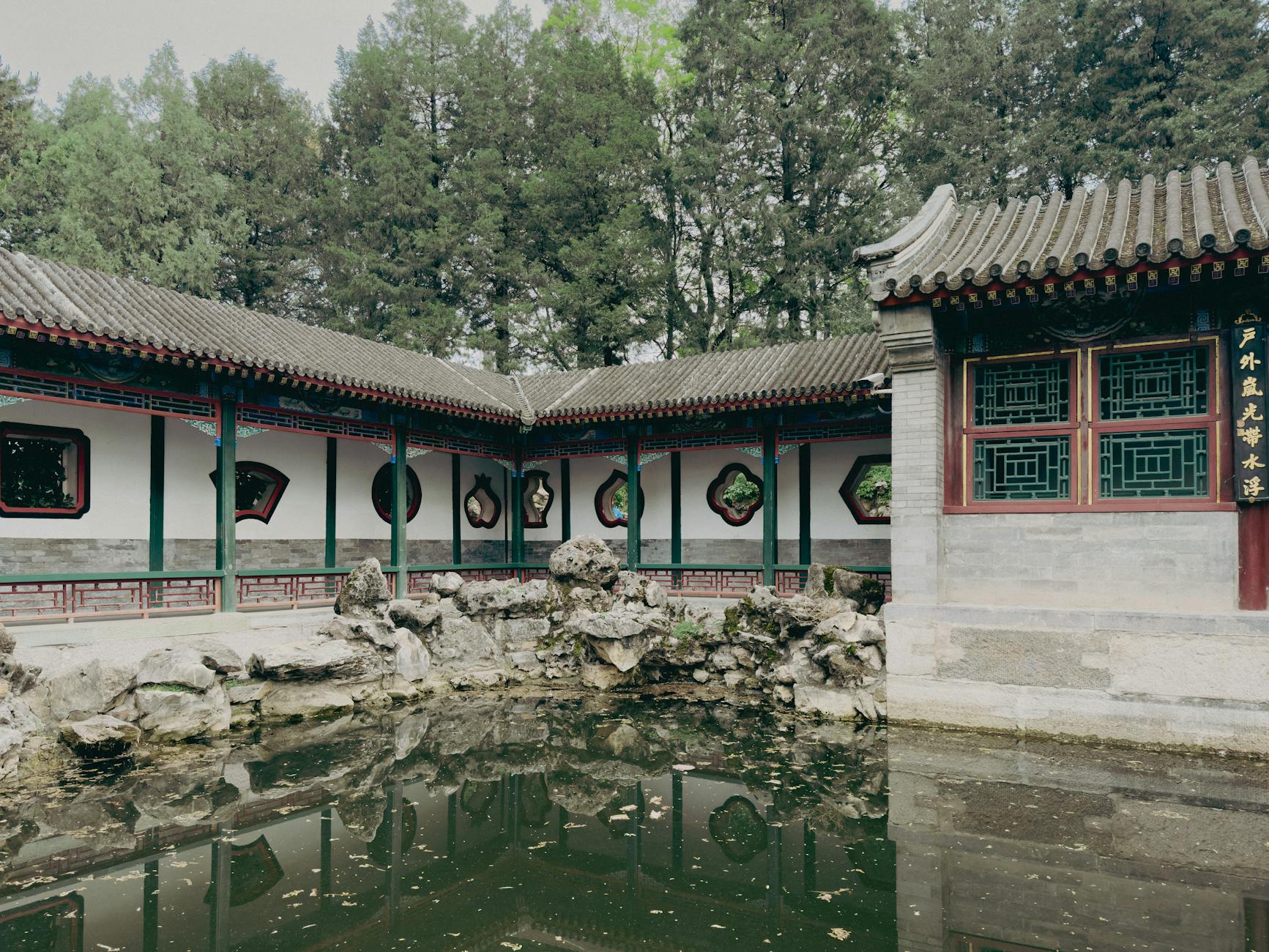
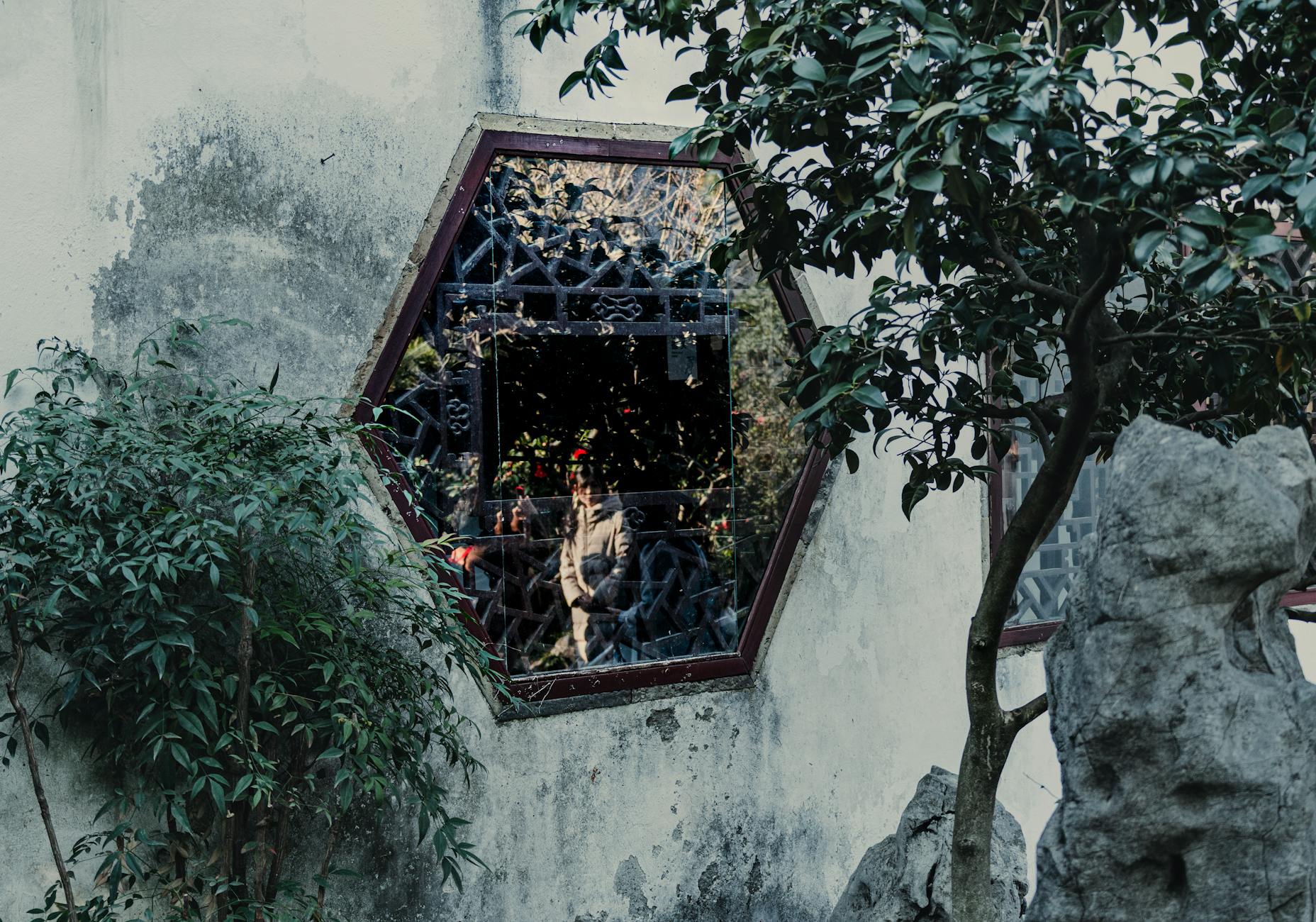
- Borrowed Scenery from North PagodaTang pagoda 1km away framed through garden window — classical 借景 technique
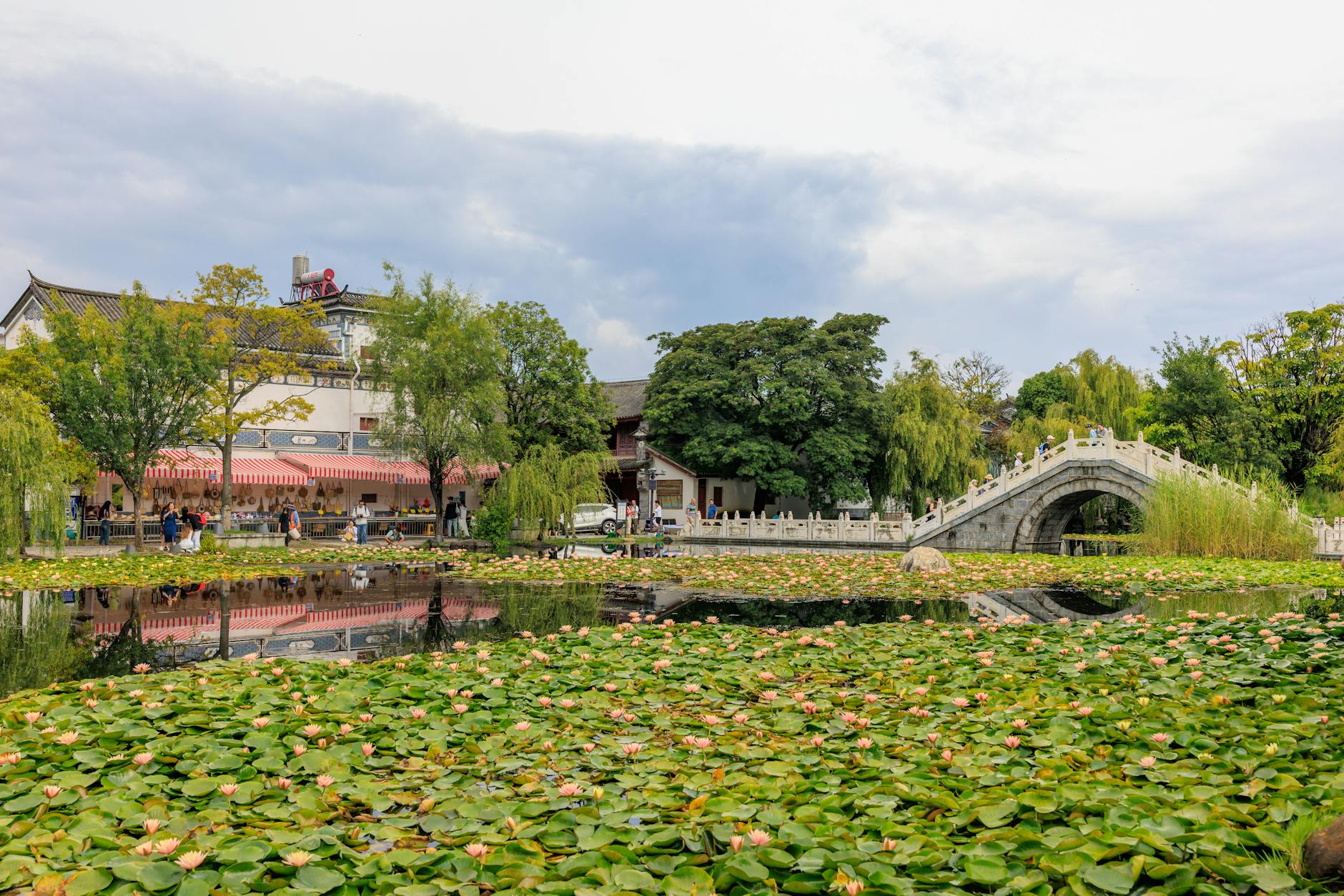
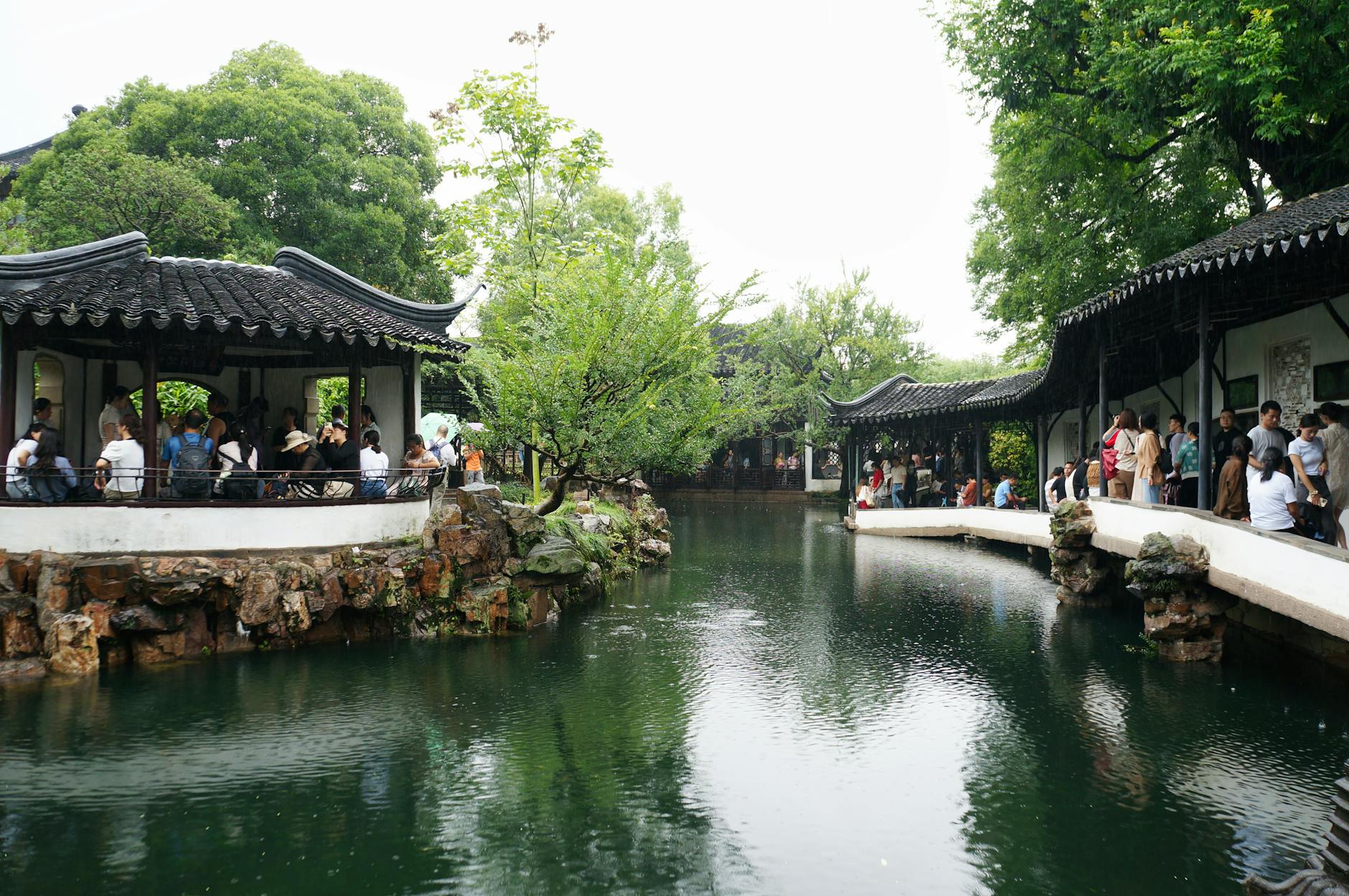
- 60% water surfaceLotus ponds, zig-zag bridges, water pavilions
What Chinese travelers actually do here
Distilled from Chinese-language travel notes — the practical tips most English guides miss.
- The ‘borrowed scenery’ North Pagoda view is the single MOST important spot in the garden — but it’s tucked away in a side corridor of the Middle Garden, near the Wave Pavilion. 95% of tourists walk past it without realizing. Find the window framed shot at 9-10 AM when the light hits the pagoda from the east.
- Skip the East Garden if your time is tight. It was rebuilt in 1949 after war damage and lacks the original 1509 design integrity — most photographs you’ve seen of the ‘Humble Administrator’s Garden’ are from the Middle Garden, which is the historically authentic core.
- The water-pavilion seating at Furong Xie (Hibiscus Pavilion) is the best 15-minute rest stop in the entire garden. Bring a thermos of tea, sit on the wooden bench facing the lotus pond, and you’ll experience why Chinese scholars ‘lived’ in these gardens — the view IS the room.
- The garden’s pond water turns green-algae in July-August summer heat — visually disappointing. Best photo months are April (cherry blossoms + wisteria), early May (peonies), late September to early October (lotus seed pods), and November (maple turn).
- The official entry ticket includes the Suzhou Garden Museum (across from the main gate) and the Suzhou Folk Customs Museum (5-min walk). Most tourists don’t realize. Combined visit adds 60 min but rounds out the historical context of classical-garden culture.
- Don’t eat at the garden’s internal restaurant (¥120/person mediocre Suzhou-style). Walk 5 min to Pingjiang Road and pick a canal-side noodle shop instead (¥30-50/person, vastly better local food).
Trip.com link · we earn a small commission · disclosure
Photos
Watch creators visit Humble Administrator's Garden
Each clip is timestamped to the moment the creator arrives at this stop.
The Humble Administrator’s garden
China’s Largest Classical Garden
Frequently asked questions about Humble Administrator's Garden
- How many of Suzhou’s classical gardens should I visit?
- Two or three maximum. Doing all 9 UNESCO gardens in one trip causes ‘garden fatigue’ — they share visual vocabulary and start to blur. The standard 2-garden combo: Humble Administrator’s (largest, most ambitious) + Lingering Garden (most architecturally varied) OR Humble Administrator’s + Master of Nets Garden (smallest, most intimate). Skip the rest unless you’re a serious garden historian.
- What’s ‘borrowed scenery’ and where do I see it here?
- Borrowed scenery (借景, jiejing) is the classical Chinese garden technique of incorporating views BEYOND the garden’s walls into the garden’s composition. At Humble Administrator’s Garden, walk to the western corridor of the Middle Garden — there’s a window framed view of the North Temple Pagoda (1km away in central Suzhou), positioned so the pagoda appears to grow out of the garden’s own trees. This is the most-cited borrowed-scenery example in all of Chinese landscape design.
- When should I visit to avoid crowds?
- Opening at 7:30 AM (be at the gate by 7:20). The garden’s first 45 minutes after opening are when you can walk the corridors solo. Between 10 AM and 2 PM is wall-to-wall tour groups — you’ll wait 5+ minutes for crowd-free photos at every viewpoint. After 3:30 PM crowds thin out again, with golden-hour light through the windows.
- Is there an audio guide in English?
- Yes — rent the official audio guide at the gate for ¥40 (¥100 deposit, refundable). It has decent English narration for the 30+ named buildings + pavilions, with historical context. Much better than reading the brief English plaques. The free ‘Suzhou Garden Tour’ app has lower-quality audio but is free if you prefer.
- What’s the difference between Suzhou’s classical gardens and Japanese gardens?
- Suzhou gardens are NOT meant for walking-and-meditating like Japanese karesansui (rock) or stroll gardens. They’re meant for INHABITING — each pavilion is a tiny architectural room you sit in, with a specific view-out designed by the original owner. Japanese gardens emphasize spareness and natural simulation; Chinese classical gardens emphasize abundance and human cultivation (literally, you see the brush strokes of the gardener-poet). Both beautiful, very different aesthetic logics.
- Should I combine it with Suzhou Museum?
- Yes — Suzhou Museum (I.M. Pei’s last project, 2006) is literally next door, 30 seconds’ walk. Pei intentionally designed his museum as a ‘modern interpretation of the classical garden’ — bright white walls, geometric water + rock features, framed views. Doing both in one morning lets you see the classical original + modern dialogue back-to-back. Museum is free; book online a day ahead because it caps daily entries.
More in Suzhou
Plan your Suzhou trip
- Hangzhou vs Suzhou — Which Day Trip Should You Take from Shanghai?Itineraries · 8 min read
- China High-Speed Rail (Gaotie) — The 2026 Foreigner’s GuideTransit · 11 min read
- Does Google Maps Work in China? (No — Here’s What Does, 2026)Internet & Apps · 9 min read
- WeChat Pay for Foreigners — The 2026 Setup GuidePayments · 9 min read
- China Trip Pre-Departure Checklist — The 30-Day TimelineVisa & Entry · 10 min read
- 240-Hour Visa-Free Transit to China — 2026 GuideVisa & Entry · 11 min read
- How to Use Alipay as a Foreigner in China — 2026 GuidePayments · 11 min read
Trip.com link earns us a small commission · disclosure