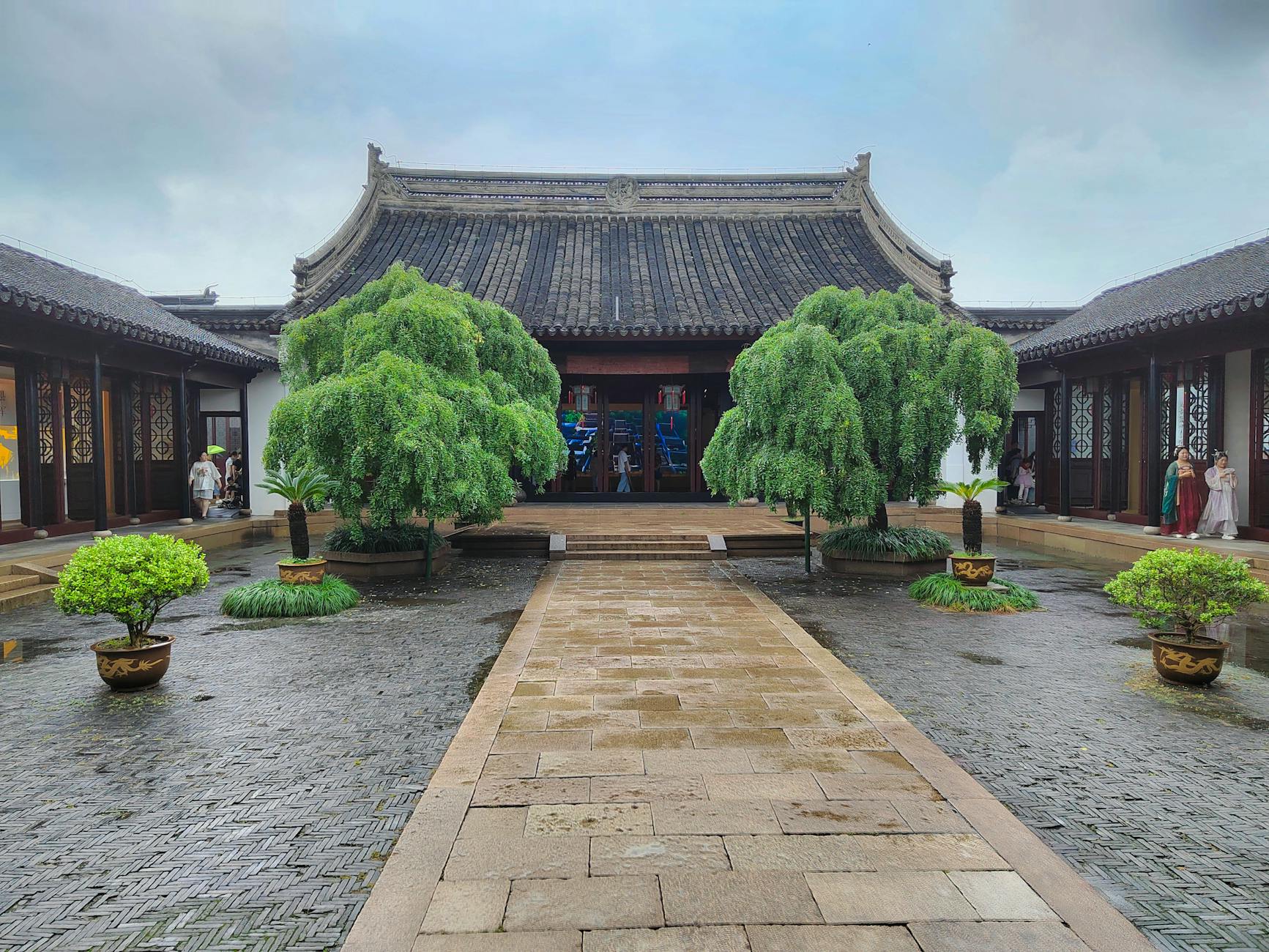
Smallest of Suzhou’s 4 most famous UNESCO gardens (5,400 m²) — the canonical example of ‘small but complete’ Chinese garden design + the only one with summer night openings.
At a glance
- What it is
- Heritage Site
- Also known as
- 网师园 (Wǎngshī Yuán)
- Opening hours
- 7:30 AM – 10 PM
- Time needed
- 1.5-2 hours
- Best time to visit
- Summer night opening (7:30-10 PM) for the unique Pingtan-music + lit-pavilion experience
- Getting there
- Metro to the door
- English
- English tours available
- Cards accepted
- Visa, Mastercard
- Entry
- Passport booking required · tickets & prices →
- Wi-Fi
- Free Wi-Fi
- Address
- 11 Kuojiatou Lane, Gusu District, Suzhou · 苏州市姑苏区阔家头巷11号
See Master of Nets Garden tickets & tours
Trip.com link · we earn a small commission · disclosure
Master of Nets Garden map & getting there
Taxi / DiDi? Show the driver: 苏州市姑苏区阔家头巷11号 · 11 Kuojiatou Lane, Gusu District, Suzhou
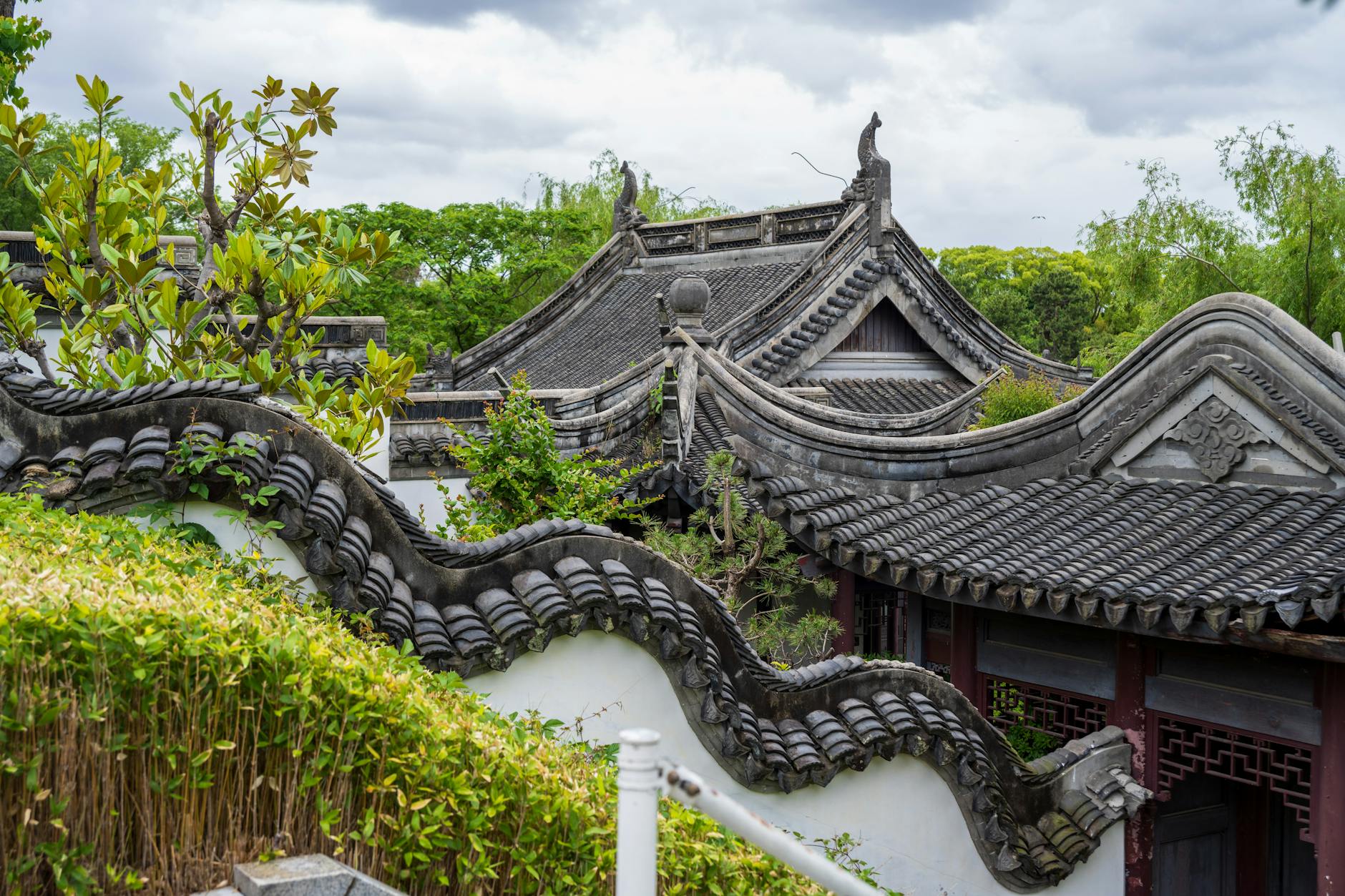
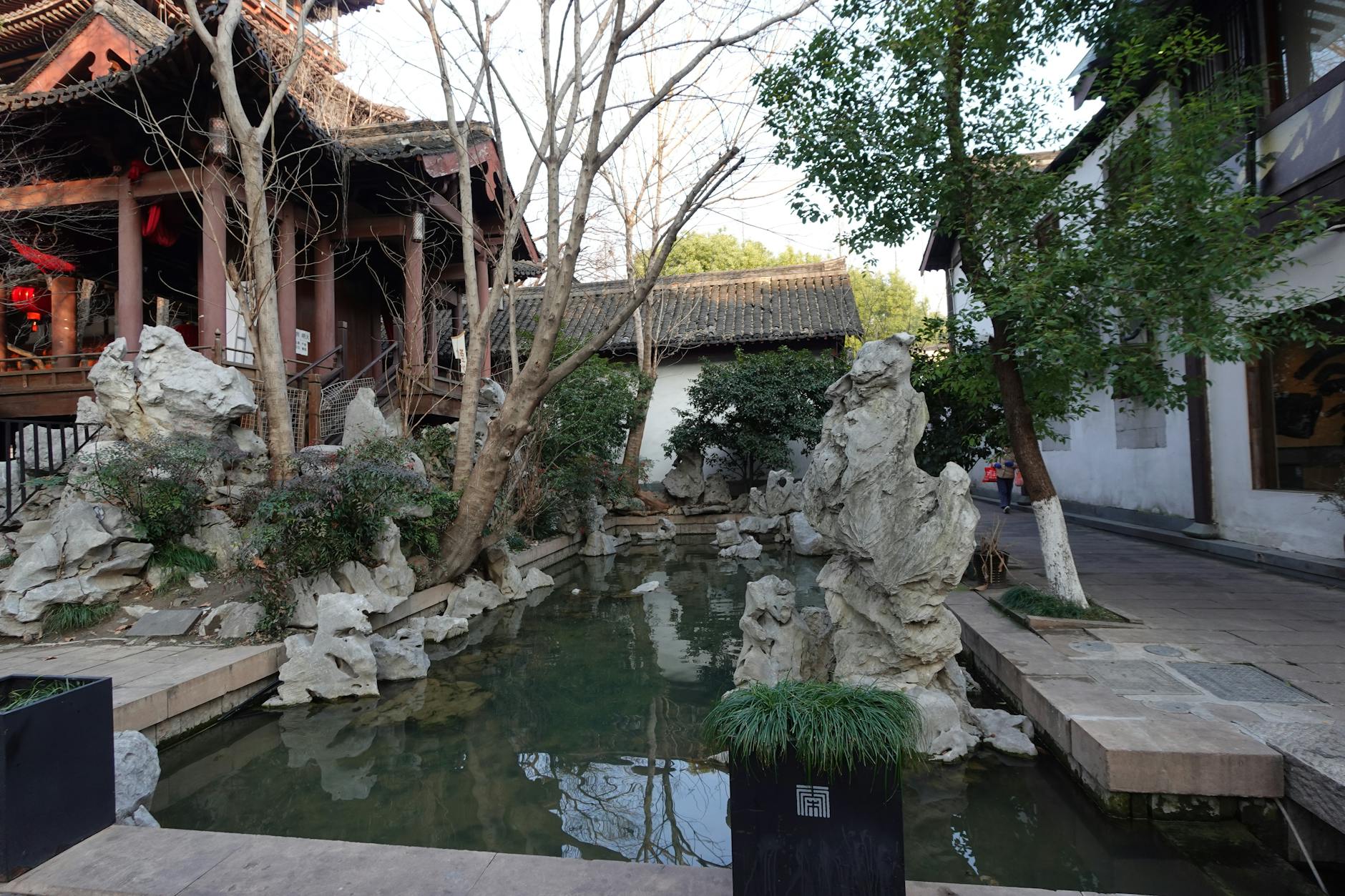
The Master of Nets Garden (Wangshi Yuan) is the smallest of Suzhou’s 4 most famous classical gardens at just 5,400m² — but consistently cited by garden historians as the most perfectly composed. Built 1140 in the Southern Song, redesigned 1785 by retired scholar Song Zongyuan, it demonstrates the classical ‘small but complete’ (小巧玲珑) aesthetic: every pavilion, every window, every rock is positioned to create maximum visual depth in minimum space. The central pond is barely 30m wide, but the surrounding architecture is designed so each viewing position reveals a different composition. Unique feature: **summer night openings** (mid-March to mid-November, 7:30-10 PM) with traditional Pingtan (Suzhou ballad) music performances in lit pavilions — the ONLY classical Suzhou garden with regular night programming. Day entry ¥40 (¥30 low season); night entry ¥100. Lonely Planet’s ‘most recommended single garden if visiting just one’ choice.
Highlights
- Smallest of the 4 major gardens5,400 m² vs. Humble Administrator’s 52,000 m²
- Night opening + Pingtan musicMarch-November 7:30-10 PM; the only night-program garden
- Late Spring CottageReplicated as ‘Astor Court’ at NYC Metropolitan Museum 1981
- ‘Small but complete’ aestheticCanonical example in garden-design textbooks
What Chinese travelers actually do here
Distilled from Chinese-language travel notes — the practical tips most English guides miss.
- The night session’s Pingtan ballad music (苏州评弹) is the soundtrack you’ve heard in every Wong Kar-wai film set in old China. The traditional Suzhou dialect + pipa lute is the canonical ‘old Chinese culture’ aesthetic. Worth the ¥100 night ticket for the music alone.
- Late Spring Cottage (殿春簃) is positioned in the garden’s southwest corner — most tourists miss it because it’s down a small lane. Walk there first, before the main pond, for the iconic small-courtyard view.
- The garden was built 1140 in Southern Song dynasty, then redesigned and significantly altered 1785 by retired scholar Song Zongyuan. What you see today is mostly the 1785 layout. Original 1140 elements are limited to foundation lines.
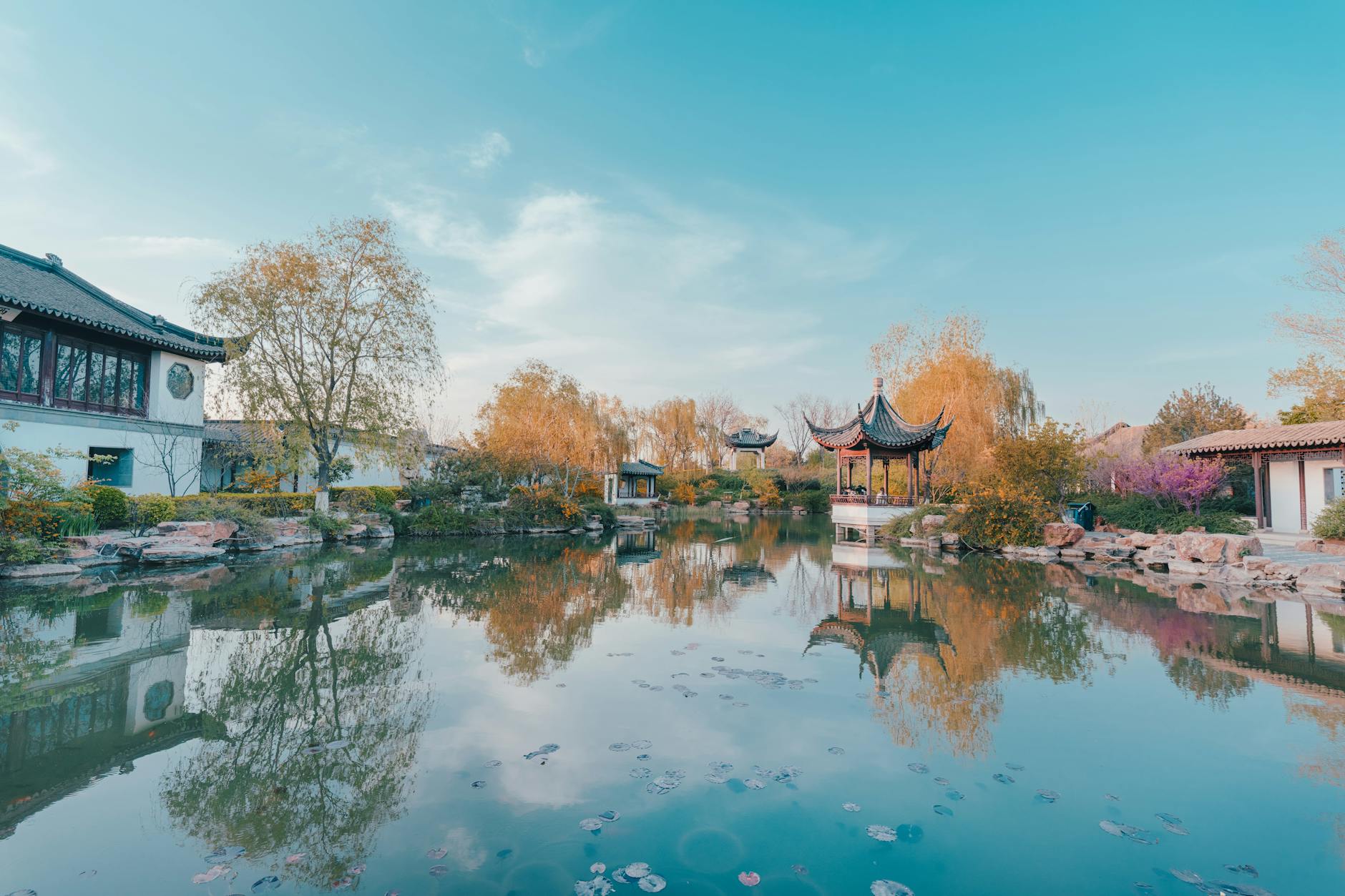
- The central pond is barely 30m wide — smaller than a residential pool. Garden owner Song Zongyuan deliberately kept it small to force visual focus on the surrounding pavilions and stones. The ‘compressed scale’ is the design genius.
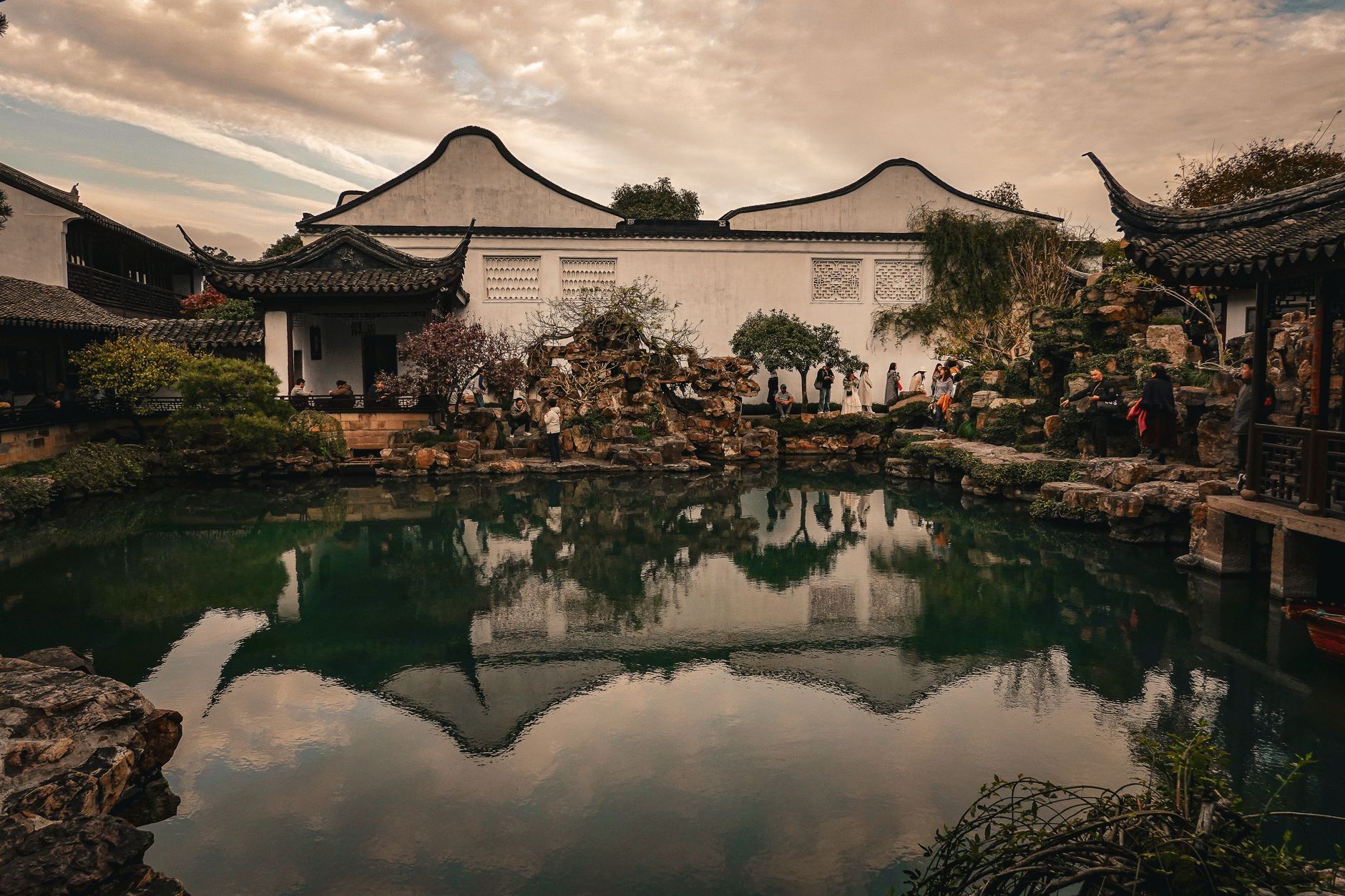
- Photography: from the west pavilion (Hexagonal Pavilion) at golden hour gives the iconic ‘pavilion reflected in still water’ shot. From the north corridor looking south at sunset gives a different shadow-pattern composition. Allow 90 min for full photo coverage.
- Avoid weekends — Master of Nets is small enough that 30-50 visitors at once make every pavilion crowded. Weekday mornings (Tue-Thu 9-10 AM) are quietest; weekday evenings (Tue-Thu 7:30 PM for Pingtan) are intimate.
Book on Trip.com
Trip.com link · we earn a small commission · disclosure
Photos
Videos


Frequently asked questions about Master of Nets Garden
- Why is Master of Nets considered the ‘best’ classical garden despite being smallest?
- Garden historians and Chinese landscape architects rank it #1 for COMPOSITION density — every square meter of its 5,400m² is purposeful. The central pond is barely 30m wide but the surrounding pavilions are positioned so each viewpoint reveals different framings. Humble Administrator’s is 10x larger but less DENSELY composed. Master of Nets is the canonical textbook example of ‘small but complete’ (小巧玲珑) — the dominant aesthetic philosophy in classical Suzhou garden design.
- Should I do the day or night visit?
- Night if you visit March-November. The night opening (7:30-10 PM, ¥100) includes traditional Pingtan ballad music in lit pavilions — it’s the ONLY classical Suzhou garden with regular night programming, and the experience is genuinely magical. Day visit (¥40) is the standard ‘see the architecture’ option. If your trip allows just one, prefer night.
- What’s the connection to NYC’s Metropolitan Museum?
- The Late Spring Cottage (殿春簃) inside Master of Nets was replicated in 1981 as the Astor Court at NYC’s Metropolitan Museum — a full-scale recreation of a Suzhou garden courtyard, the first permanent Chinese cultural object installed at the Met. The original here is the source material. Met visitors who recognize Astor Court are often surprised to find the prototype standing in a small Suzhou lane.
- How do I book the night session?
- Online via Trip.com (search ‘Master of Nets night ticket’) 1-3 days ahead. Daily cap ~200 for the night session — sells out 1-2 days ahead in summer. Walk-up tickets exist but only for back-row seating during Pingtan performances. The performance schedule lists 4 traditional pieces nightly; bilingual program notes available.
- Is the size disappointing?
- Some foreigners feel disappointed when they first walk in — 5,400m² is small. But the DESIGN reveals itself slowly: walk slowly, sit in each pavilion, notice how the same pond looks completely different from each angle. Allow 90-120 min minimum; rushing through in 30 min gives the ‘too small’ impression. The Garden REQUIRES slow looking.
More in Suzhou

Plan your Suzhou trip
- Hangzhou vs Suzhou — Which Day Trip Should You Take from Shanghai?Itineraries · 8 min read
- China High-Speed Rail (Gaotie) — The 2026 Foreigner’s GuideTransit · 11 min read
- Does Google Maps Work in China? (No — Here’s What Does, 2026)Internet & Apps · 9 min read
- WeChat Pay for Foreigners — The 2026 Setup GuidePayments · 9 min read
- China Trip Pre-Departure Checklist — The 30-Day TimelineVisa & Entry · 10 min read
- 240-Hour Visa-Free Transit to China — 2026 GuideVisa & Entry · 11 min read
- How to Use Alipay as a Foreigner in China — 2026 GuidePayments · 11 min read
Trip.com link earns us a small commission · disclosure