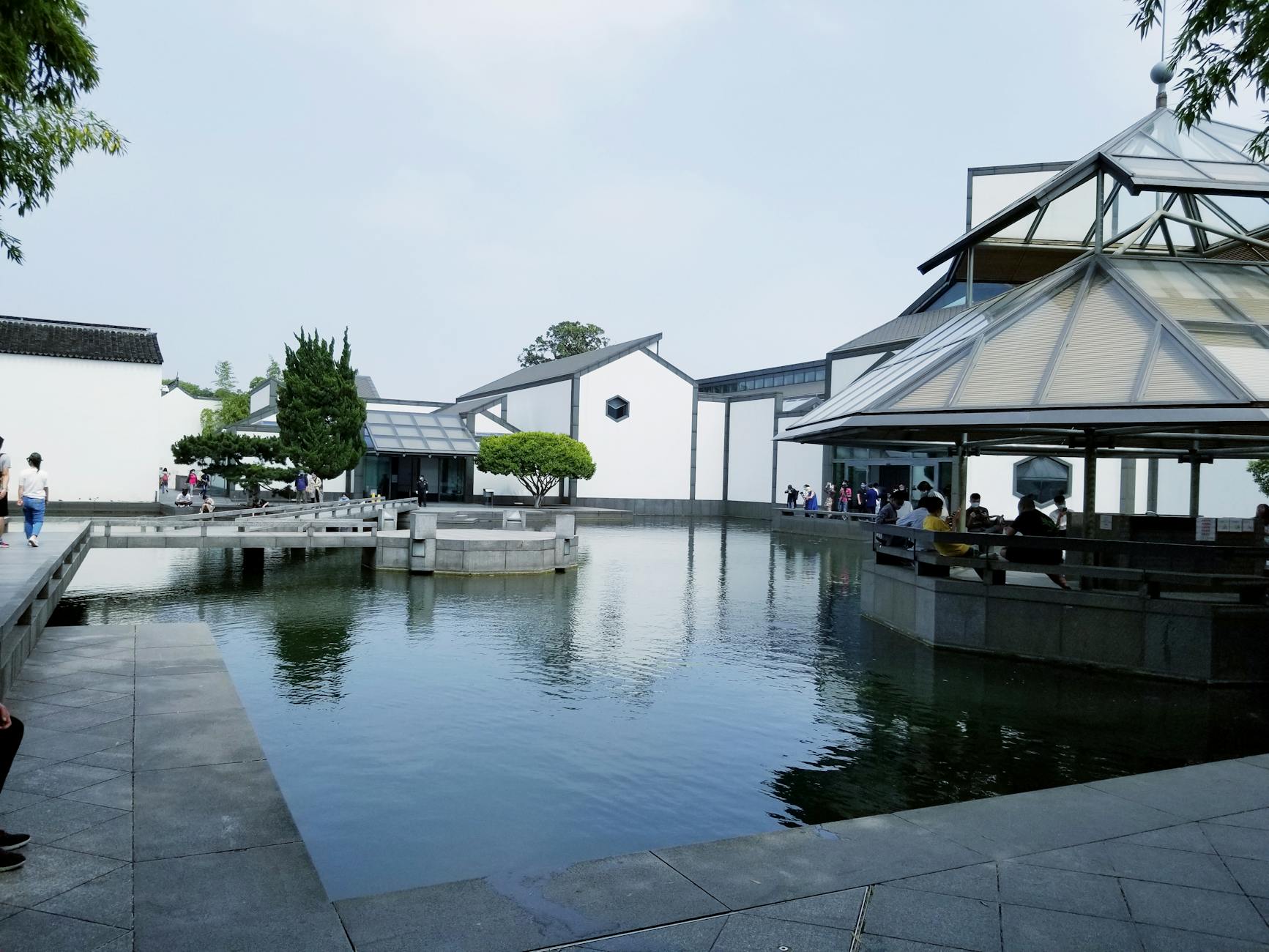
I.M. Pei’s last completed project (2006) — a ‘modern interpretation of the classical Suzhou garden’ that pairs perfectly with the Humble Administrator’s Garden next door.
At a glance
- What it is
- Arts & Culture
- Also known as
- 苏州博物馆 (Sūzhōu Bówùguǎn)
- Opening hours
- 9 AM – 5 PM
- Time needed
- 2-3 hours
- Best time to visit
- Morning 9-10 AM for fewest crowds; closed Mondays
- Getting there
- Metro to the door
- English
- English tours available
- Cards accepted
- Visa, Mastercard
- Entry
- Passport booking required · tickets & prices →
- Wi-Fi
- Free Wi-Fi
- Address
- 204 Dongbei Street, Gusu District, Suzhou · 苏州市姑苏区东北街204号
See Suzhou Museum (I.M. Pei's Last Project) tickets & tours
Trip.com link · we earn a small commission · disclosure
Suzhou Museum (I.M. Pei's Last Project) map & getting there
Taxi / DiDi? Show the driver: 苏州市姑苏区东北街204号 · 204 Dongbei Street, Gusu District, Suzhou
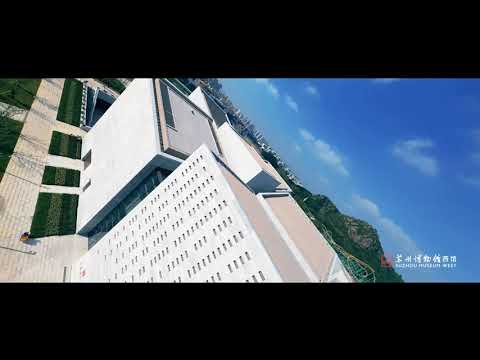
Suzhou Museum is the final completed major project of I.M. Pei (also known for Louvre Pyramid and Bank of China Tower) — designed in 2006 when Pei was 89 years old and explicitly conceived as a ‘modern interpretation of the classical Suzhou garden.’ The building uses Suzhou’s traditional white-wall + black-tile-roof palette but in geometric modernist forms. Inside: bright skylit galleries, framed window views looking out at the Humble Administrator’s Garden’s pavilions (intentional borrowed scenery), and the museum’s signature ‘sculpted mountains’ (Pei’s modernist take on Tai Lake stones, made by hand-shaping limestone slabs against a white wall). The collection covers Suzhou-region archaeology, calligraphy, ceramics, and silk. Entry is FREE but requires online booking (Trip.com or official WeChat) one day ahead — daily caps fill by noon in peak season. Open 9 AM - 5 PM, closed Mondays. Pair with Humble Administrator’s Garden (30-second walk).
Highlights
- I.M. Pei’s final project (2006)Designed at age 89; his hometown of Suzhou
- Modernist ‘classical garden’White walls + black roof + geometric water/rock, modern form
- Sculpted Mountains exhibitPei’s hand-shaped limestone slabs vs. natural Tai Lake stones
- FREE but timed entryBook online 1 day ahead; daily cap
What Chinese travelers actually do here
Distilled from Chinese-language travel notes — the practical tips most English guides miss.
- Free entry doesn’t mean accessible — daily cap of 9,000 visitors enforced via timed-entry slots. Morning slots (9-10 AM) book out 3 days ahead in peak season. If your booking window is tight, the afternoon 3-4 PM slots usually have last-minute availability.
- The borrowed-scenery window in the museum’s eastern gallery looks DIRECTLY at the Humble Administrator’s Garden’s roofline — Pei aligned the window precisely. Most foreigners walk past without realizing; spend 2 min at this window after the garden visit to see the same view from the modern side.
- Skip the cafe inside (¥50 / coffee). Walk 5 min to Pingjiang Road for proper local food. The cafe is overpriced and the architectural moment is over once you sit down for cake.
- The museum’s gift shop sells I.M. Pei’s authorized monograph + Suzhou Museum architectural sketches. Worth browsing even if not buying — most knowledgeable English-language source on the building’s design intent.
- Photograph the courtyard FROM INSIDE the galleries, not from outside. Pei designed the building to be photographed through the windows from interior darkness toward sunlit courtyards. The Instagram-famous shots are all from this interior angle.
- The Bonsai Garden in the southwest corner is most foreigners’ missed visit — composed rock + bamboo + miniature pine, Pei’s modernist take on Suzhou’s classical 盆景 (penjing) tradition. 10 min visit, often empty.
Book on Trip.com
Trip.com link · we earn a small commission · disclosure
Photos
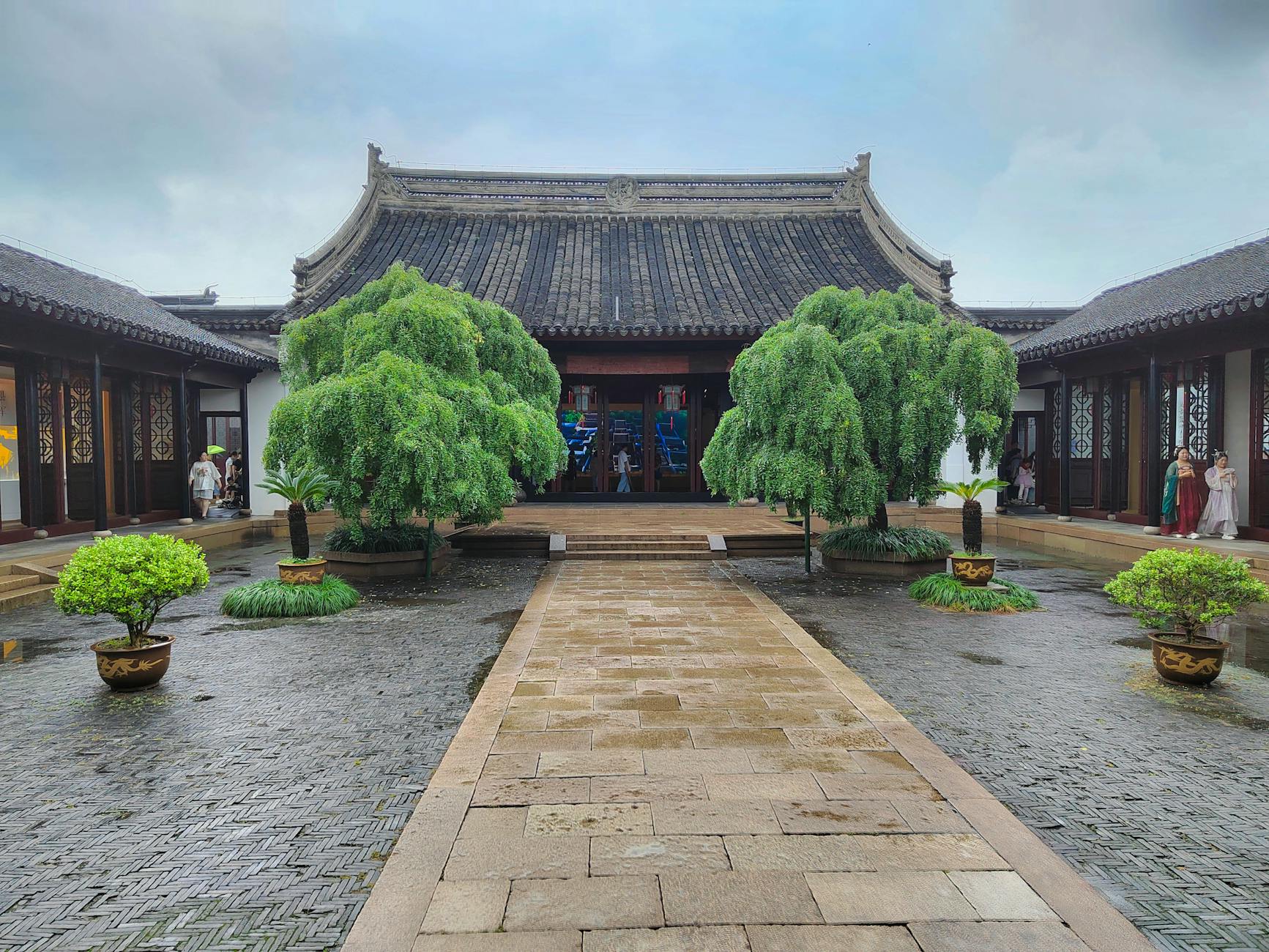
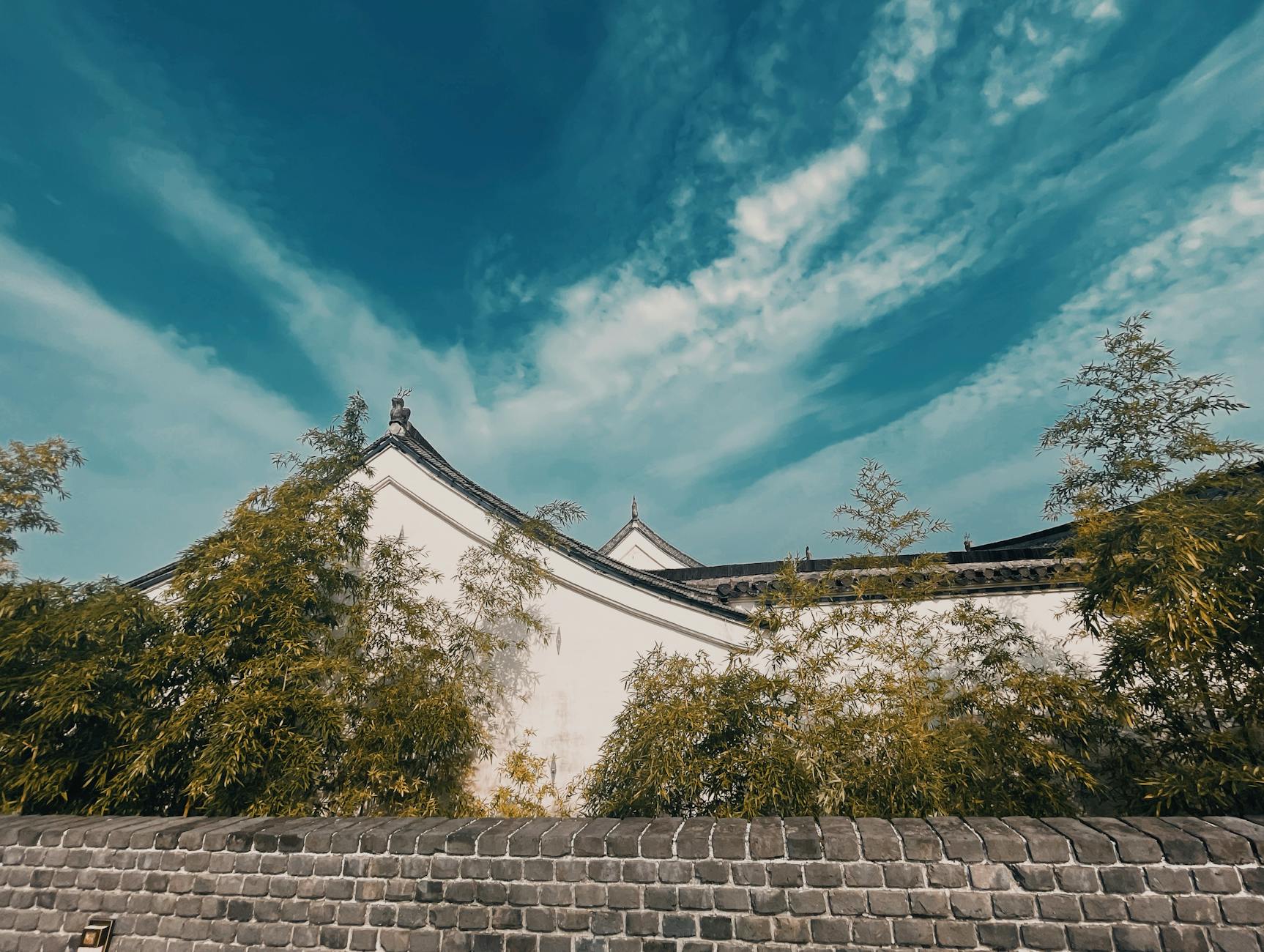
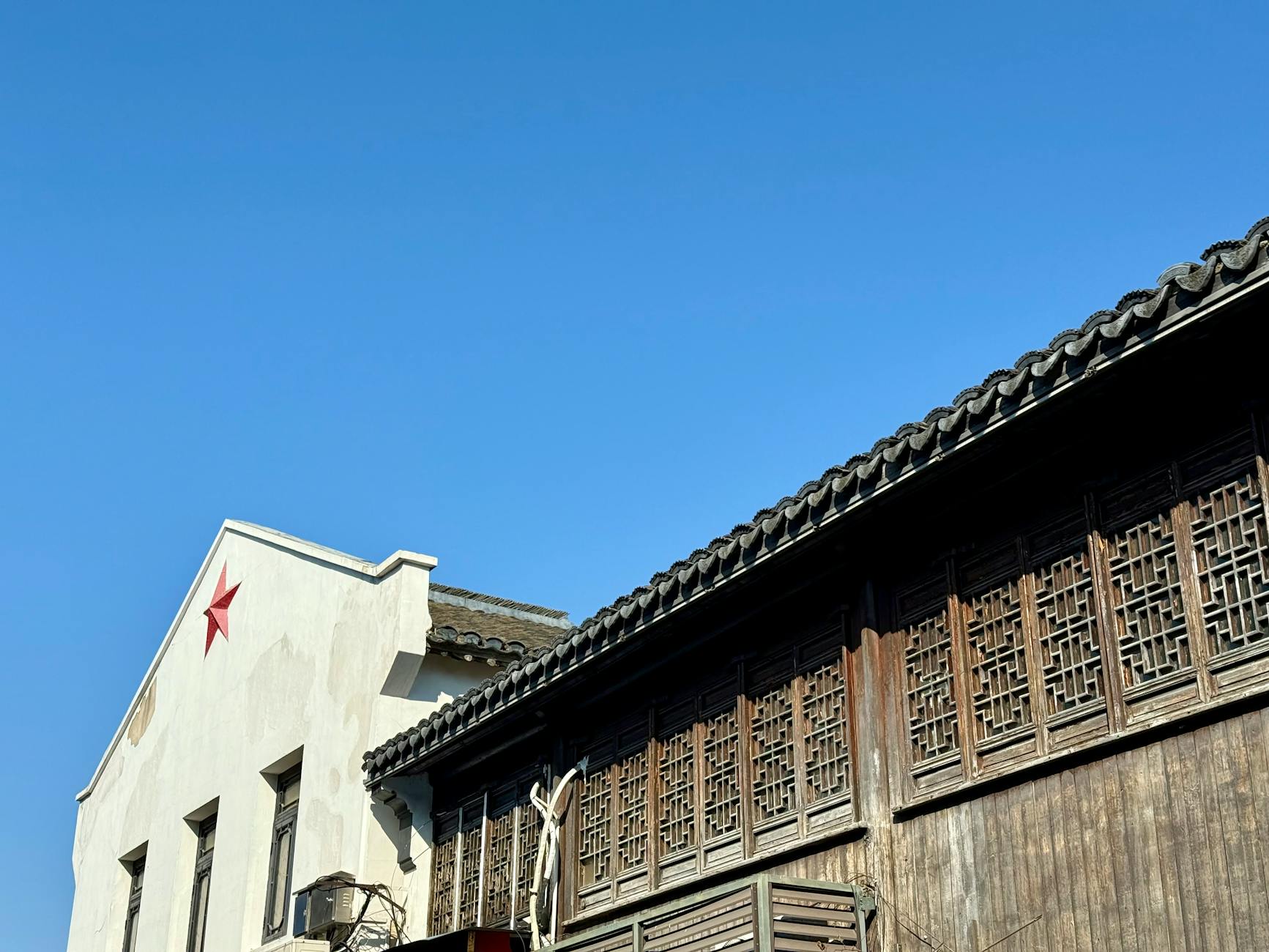
Watch creators visit Suzhou Museum (I.M. Pei's Last Project)
Each clip is timestamped to the moment the creator arrives at this stop.
Suzhou travel guide from Classical Gardens to Modern Metropolis | 苏州
GlopenStarts at 5:49
Suzhou museum
suzhou vlog 🇨🇳 aesthetic old streets, ancient canals, chinese gardens ⛲️
linyiStarts at 9:01
Suzhou Museum
Videos

Frequently asked questions about Suzhou Museum (I.M. Pei's Last Project)
- Is Suzhou Museum worth visiting if I’m not interested in I.M. Pei or museums?
- Yes — even if you don’t care about the architect, the architecture itself is one of the most-photographed in modern China. The interior light + framed views + sculpted-mountain exhibit are visually stunning even without context. Allow 1.5 hours for a non-museum-person, 3+ hours for an architecture fan.
- How do I book the free ticket?
- Two routes: (1) Trip.com lists ‘Suzhou Museum free entry booking’ as a service (¥0 + small handling fee, ~$2). They handle the WeChat mini-program for foreigners. (2) Directly on the official 苏州博物馆 WeChat mini-program if you have a Chinese WeChat ID + Chinese phone number. Most foreigners use Trip.com because the direct route requires Chinese mobile number. Book 1-2 days ahead in peak season.
- Can I combine Suzhou Museum + Humble Administrator’s Garden in one morning?
- Yes — they share a wall. The museum is 30 seconds’ walk from the garden’s gate. Standard route: garden 7:30-10:00 AM (when crowds thinnest), then museum 10:30 AM - 1:00 PM. Or reverse if museum opens earlier. Both share a single ticket office area on Dongbei Street.
- Is the collection itself impressive?
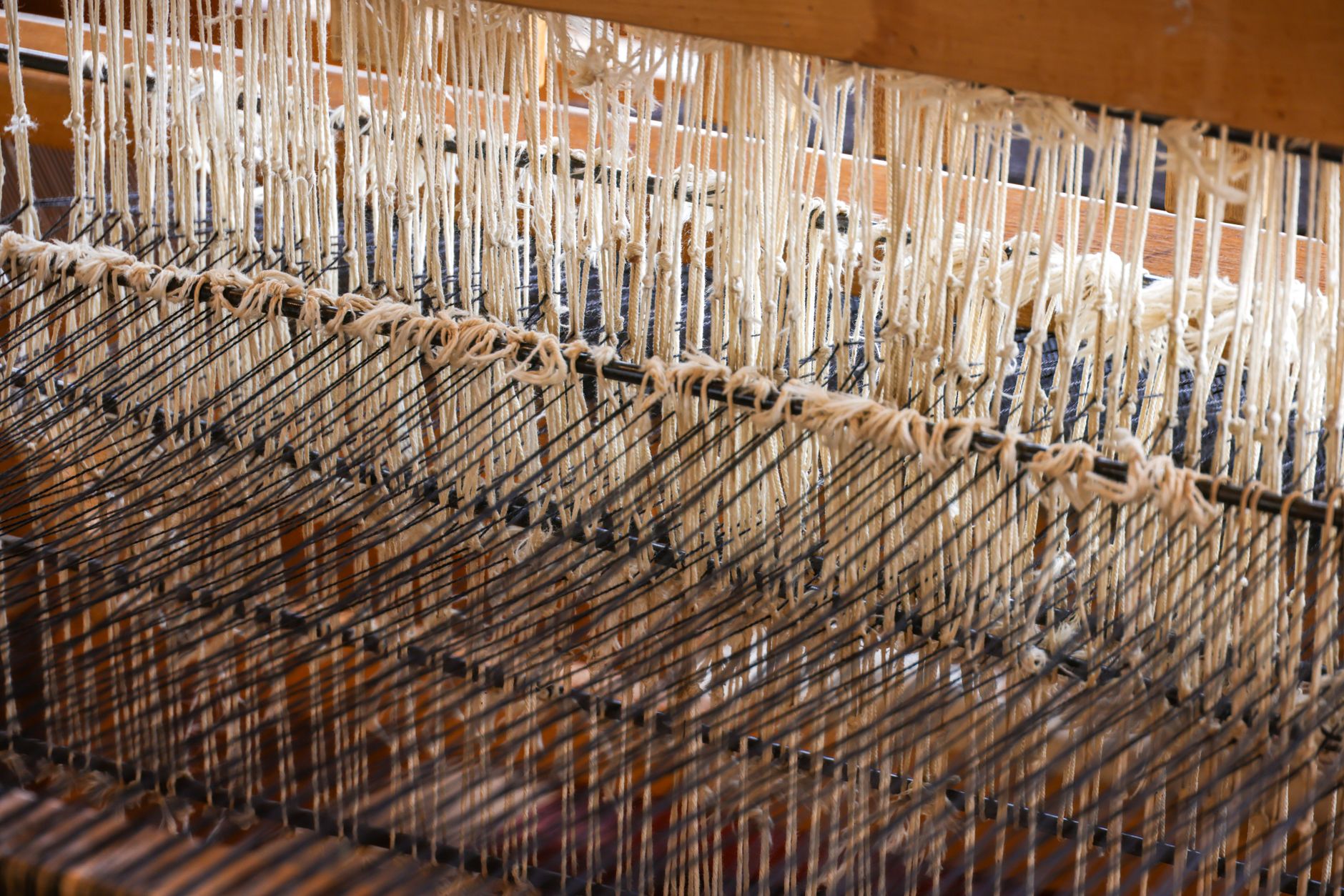
- Curated, not encyclopedic. ~30,000 objects in the permanent collection but only ~1,200 displayed at a time. Strongest in: Suzhou-region jade artifacts (Liangzhu culture, 5,000 BC), Ming + Qing silk industry tools (Suzhou was China’s silk capital), and Wu School scholar paintings (Suzhou’s painting tradition). The Shanghai Museum has a deeper Chinese-historical collection if that’s your priority; Suzhou Museum is more about architecture + curation.
More in Suzhou
Plan your Suzhou trip
- Hangzhou vs Suzhou — Which Day Trip Should You Take from Shanghai?Itineraries · 8 min read
- China High-Speed Rail (Gaotie) — The 2026 Foreigner’s GuideTransit · 11 min read
- Does Google Maps Work in China? (No — Here’s What Does, 2026)Internet & Apps · 9 min read
- WeChat Pay for Foreigners — The 2026 Setup GuidePayments · 9 min read
- China Trip Pre-Departure Checklist — The 30-Day TimelineVisa & Entry · 10 min read
- 240-Hour Visa-Free Transit to China — 2026 GuideVisa & Entry · 11 min read
- How to Use Alipay as a Foreigner in China — 2026 GuidePayments · 11 min read
Trip.com link earns us a small commission · disclosure