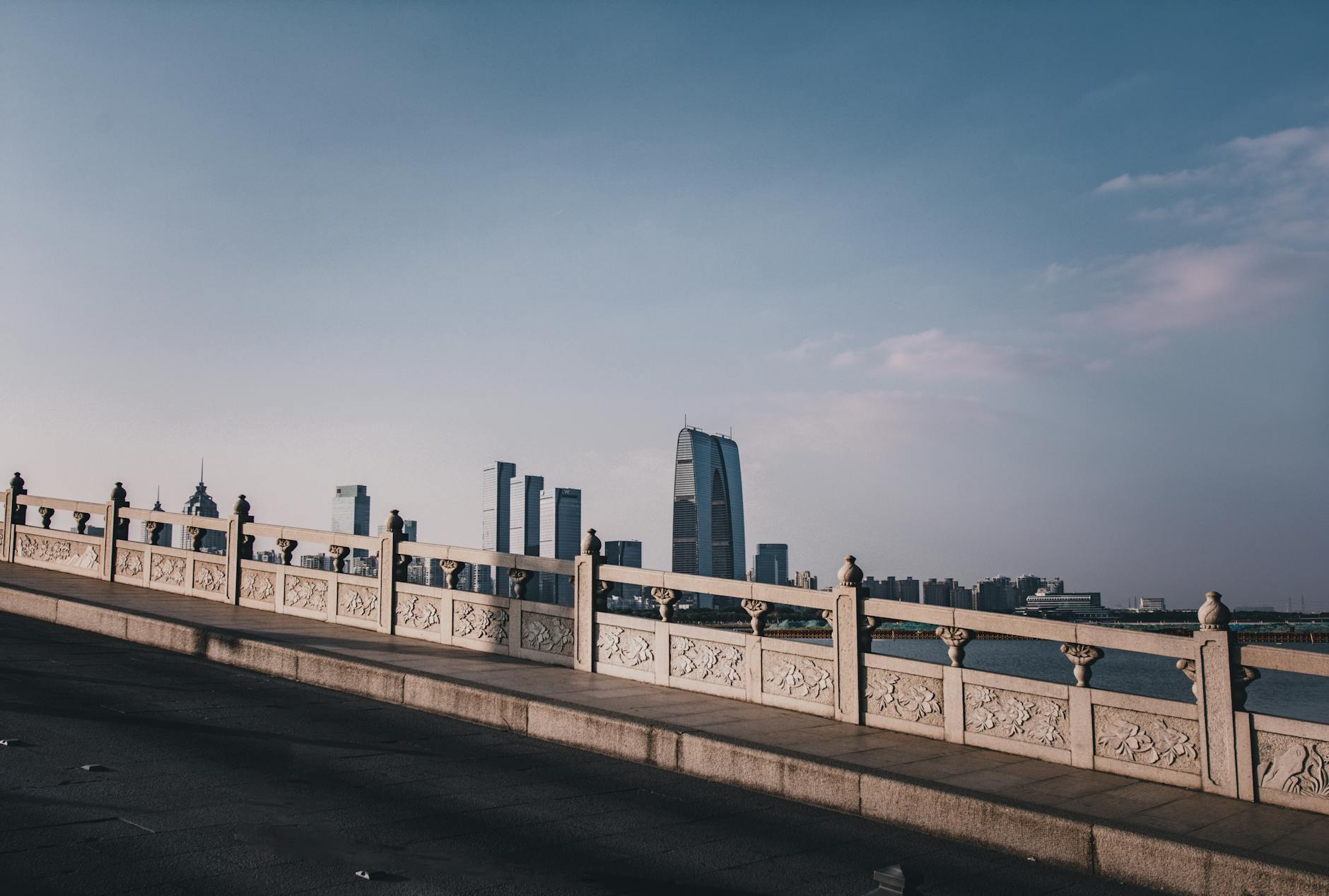
Suzhou’s only surviving Song-dynasty water gate — a unique combined land + water entry from the original city walls, now a 30-hectare scenic area.
At a glance
- What it is
- Heritage Site
- Also known as
- 盘门 (Pán Mén)
- Opening hours
- 7:30 AM – 5 PM
- Time needed
- 2 hours
- Best time to visit
- Late afternoon for panoramic pagoda climb at golden hour
- Getting there
- Metro to the door
- English
- Some English signage
- Cards accepted
- Visa, Mastercard
- Entry
- Walk-in — no booking
- Wi-Fi
- Free Wi-Fi
- Address
- 49 Dongda Street, Gusu District, Suzhou · 苏州市姑苏区东大街49号
Pan Gate (Water Gate) map & getting there
Taxi / DiDi? Show the driver: 苏州市姑苏区东大街49号 · 49 Dongda Street, Gusu District, Suzhou
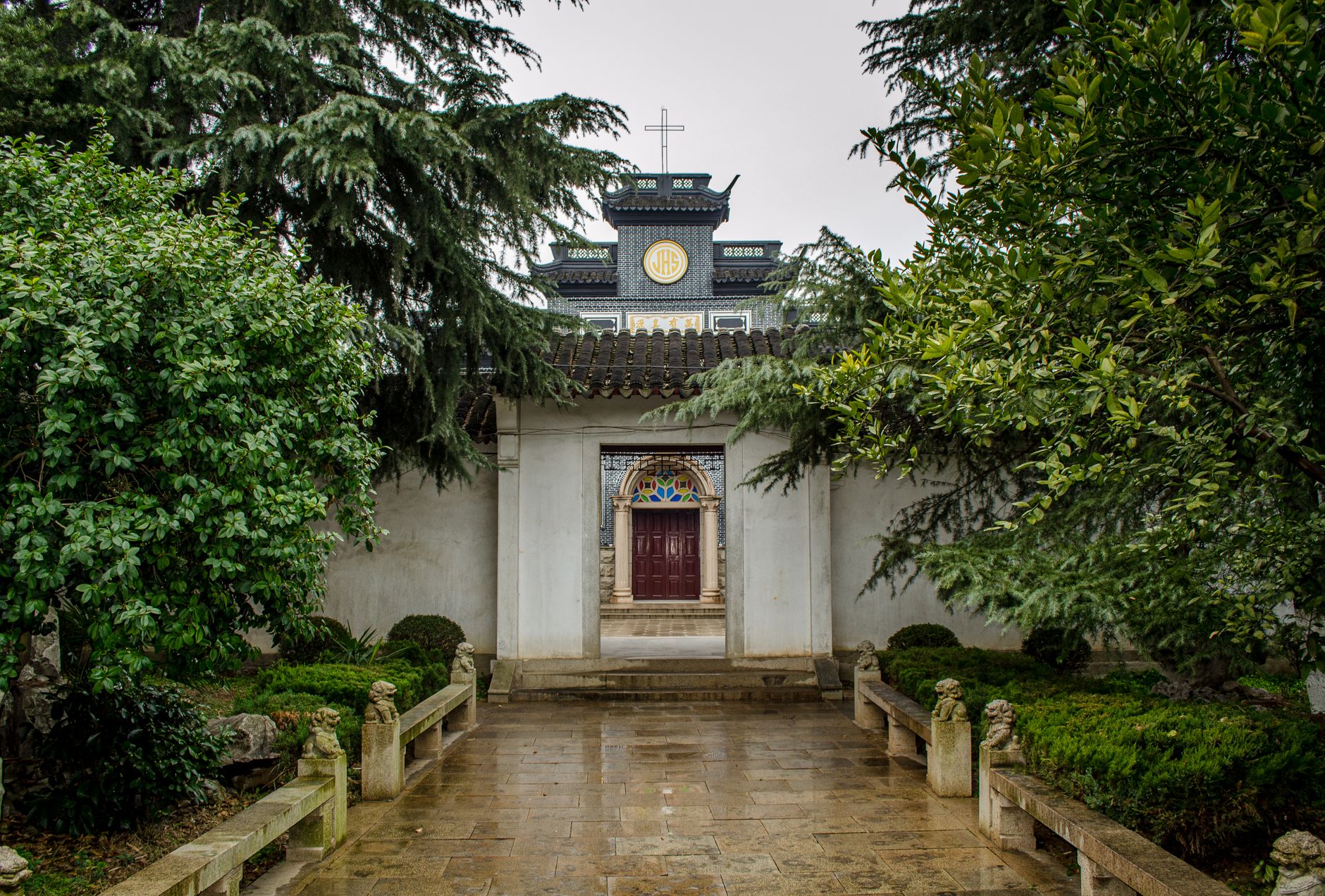
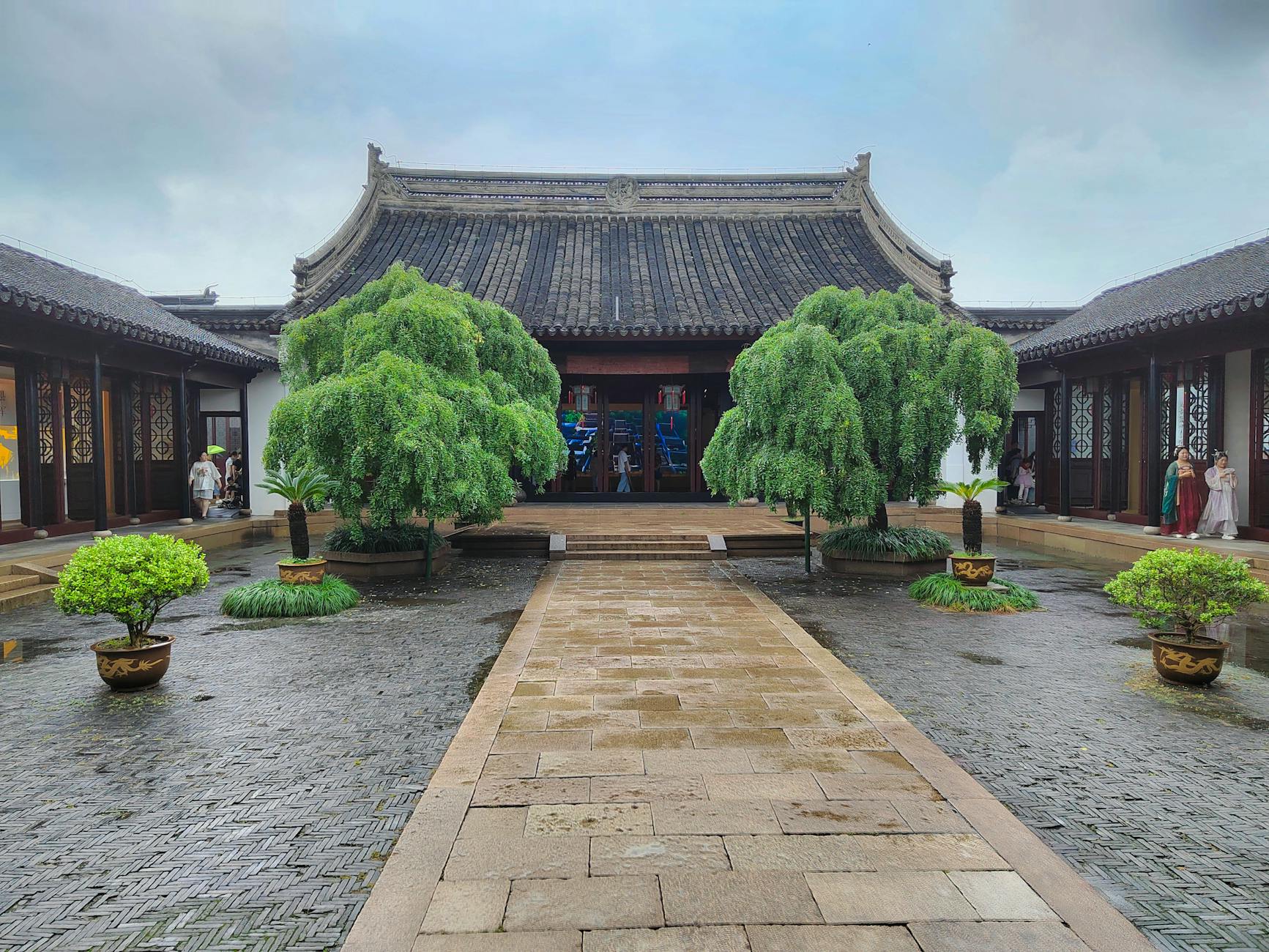
Pan Gate is the only surviving section of Suzhou’s original Song-dynasty (12th-century) city walls + the only surviving ‘combined water + land’ gate in any preserved Chinese ancient city. The complex includes the water gate itself (boats passed through here), the land gate (city militia gate), the 1004 AD Ruiguang Pagoda (35m, predates Yunyan Pagoda at Tiger Hill), the Wumen Bridge across the canal, and a 30-hectare reconstructed garden + park around them. Built 514 BC during the Wu Kingdom era; rebuilt multiple times across dynasties. Entry ¥40. Most foreigners skip Pan Gate for the more famous Tiger Hill or classical gardens, but it offers a unique architectural history piece (the gate combination) and the climb up the Pagoda gives the best Suzhou old-town panoramic view from inside the walls.
Highlights
- Only Song-era water + land gateUnique architecture; no other Chinese ancient city has both
- Ruiguang Pagoda (1004 AD)35m climb for old-town panorama
- Wumen BridgeOriginal Song bridge over canal
What Chinese travelers actually do here
Distilled from Chinese-language travel notes — the practical tips most English guides miss.
- Pan Gate (盘门, ‘Winding Gate’) gets its name from the curved water + land entry path — boats had to make a sharp turn between two gates, slowing entry for inspection. This ‘winding’ design is the military-architecture innovation. Most visitors don’t realize the gate name itself describes the function.
- The Ruiguang Pagoda (1004 AD) PREDATES Tiger Hill’s more famous Yunyan Pagoda (961 AD reconstruction) — both are Song dynasty but Ruiguang’s structure is more original. Visit both pagodas for comparison: same era, different conditions.
- Best photo of the gate: from the WUMEN BRIDGE (the Song bridge over the canal) looking west at the combined gate complex. The bridge + canal + gate composition is unique to Pan Gate. Golden hour late afternoon gives the warmest light.
- Most foreigners skip Pan Gate because it’s not famous internationally. Tour groups concentrate at Humble Administrator’s Garden + Tiger Hill. Pan Gate gets 20-30% the crowds — making it ideal for photographers + slow-walkers who want unhurried access.
- The 30-hectare scenic area includes a small museum on the gate’s military history and Suzhou’s Song-era urban design. Worth 30 min if you have a history interest; skip if you’re just here for the architecture.
- Pan Gate is in SOUTHERN Suzhou, away from the central Pingjiang / Humble Administrator’s cluster. Plan it as a half-day with Suzhou Silk Museum (5 min away) or as part of a Tiger Hill day where you cross the old town.
Photos
Videos

Frequently asked questions about Pan Gate (Water Gate)
- Why is Pan Gate architecturally important?
- It’s the ONLY surviving combined water-and-land city gate in any preserved ancient Chinese city. Suzhou’s original Wu kingdom (514 BC) had 8 such combination gates; Pan Gate is the only one that wasn’t destroyed or rebuilt over the centuries. The combination meant boats and people could both enter through controlled checkpoints — unique military + commercial architecture you can’t see anywhere else.
- Can I climb the Ruiguang Pagoda?
- Yes — 35m climb up wooden internal stairs (about 7 floors), open daily. The view from the top is one of the BEST old-town panoramas: see the surviving Song city walls, the Pingjiang and Shantang water streets in the distance, and the entire Pan Gate complex below. The climb is steep but well-maintained; takes 15-20 min round-trip.
- Is Pan Gate worth visiting if I’ve done Tiger Hill and the gardens?
- Yes — it offers a unique experience the other Suzhou attractions don’t. Tiger Hill has its Yunyan Pagoda (961 AD, leaning), Pan Gate has Ruiguang Pagoda (1004 AD, straight). The combined gate architecture has no equivalent. The 30-hectare surrounding park is also pleasant. About 2 hours total.
- Is the surrounding garden reconstructed or original?
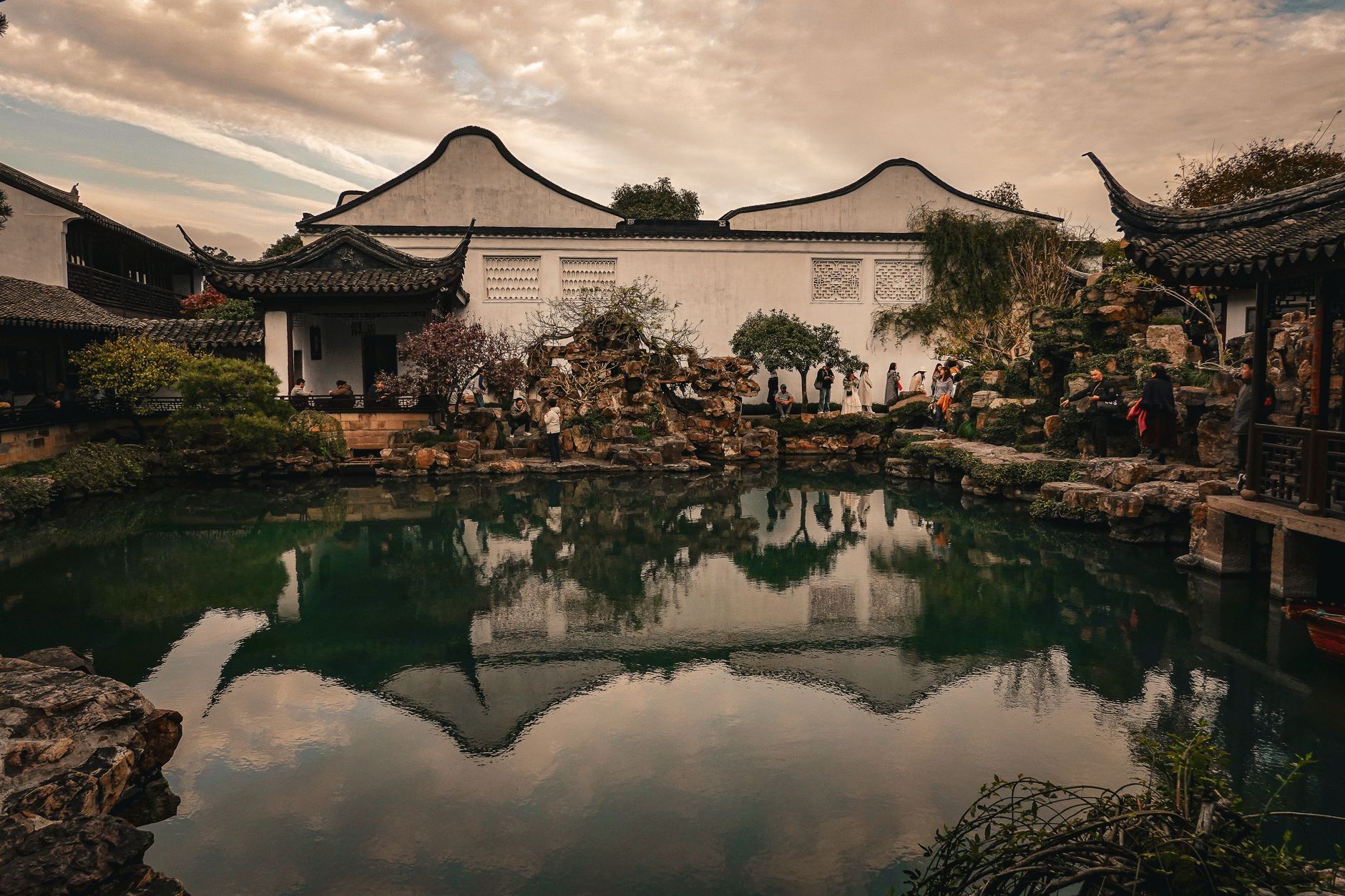
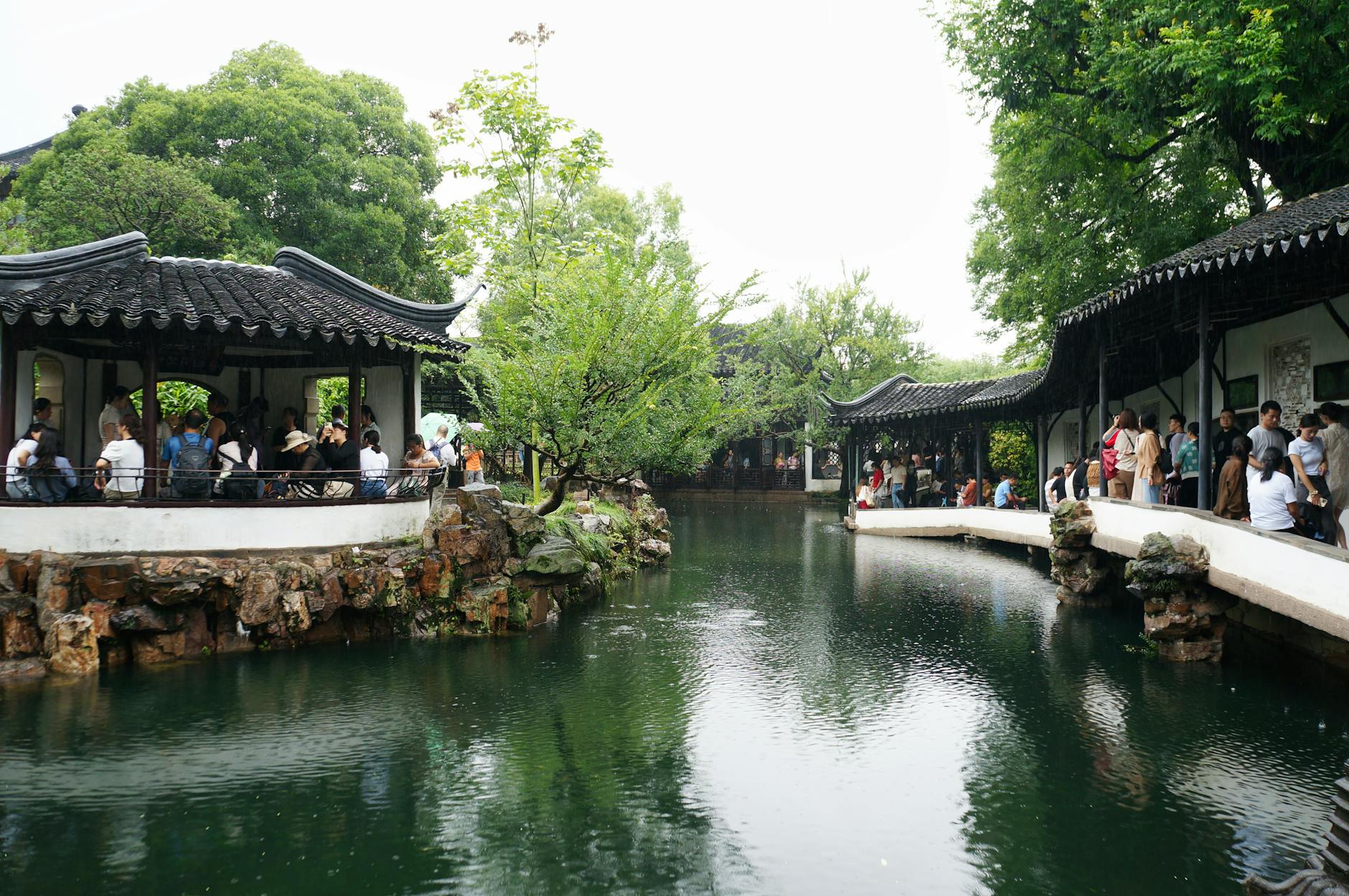
- Mostly reconstructed (1980s-2000s) but on original Ming-Qing layouts. The garden park around the actual gate + pagoda is modern landscaping designed to evoke classical Suzhou garden aesthetics — pleasant but NOT a UNESCO classical garden. The gate, walls, pagoda, and Wumen Bridge are the original structures worth visiting.
- Best time to visit?
- Late afternoon (3-5 PM) for the pagoda climb at golden hour — the panoramic view across Suzhou old town glows in late light. Avoid 11 AM - 2 PM heat in summer; the climb gets uncomfortable. Pair with lunch at the nearby Suzhou-style restaurants on Dongda Street.
More in Suzhou
Plan your Suzhou trip
- Hangzhou vs Suzhou — Which Day Trip Should You Take from Shanghai?Itineraries · 8 min read
- China High-Speed Rail (Gaotie) — The 2026 Foreigner’s GuideTransit · 11 min read
- Does Google Maps Work in China? (No — Here’s What Does, 2026)Internet & Apps · 9 min read
- WeChat Pay for Foreigners — The 2026 Setup GuidePayments · 9 min read
- China Trip Pre-Departure Checklist — The 30-Day TimelineVisa & Entry · 10 min read
- 240-Hour Visa-Free Transit to China — 2026 GuideVisa & Entry · 11 min read
- How to Use Alipay as a Foreigner in China — 2026 GuidePayments · 11 min read