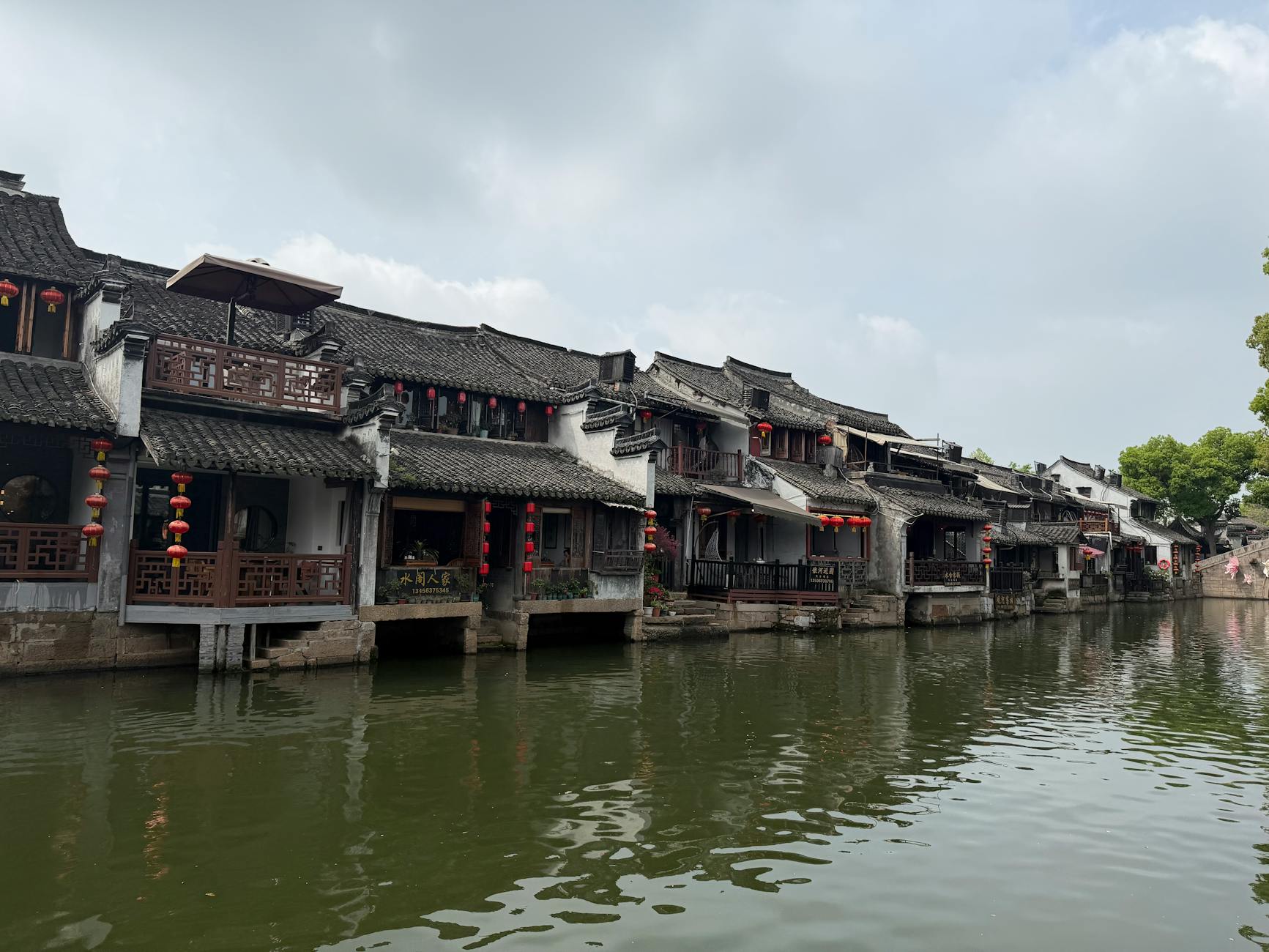
Closest water town to Suzhou city center (15km) with 40% the crowds of Zhouzhuang — three Qing-era gardens, canal streets, and direct bus connection.
At a glance
- What it is
- Heritage Site
- Also known as
- 木渎古镇 (Mùdú Gǔzhèn)
- Opening hours
- 8 AM – 5 PM
- Time needed
- Half-day
- Best time to visit
- Anytime — least crowded of Suzhou water towns
- Getting there
- Metro to the door
- English
- Some English signage
- Cards accepted
- Cash only
- Entry
- Walk-in — no booking
- Wi-Fi
- Free Wi-Fi
- Address
- Mudu Town, Wuzhong District, Suzhou · 苏州市吴中区木渎镇
Mudu Ancient Town map & getting there
Taxi / DiDi? Show the driver: 苏州市吴中区木渎镇 · Mudu Town, Wuzhong District, Suzhou
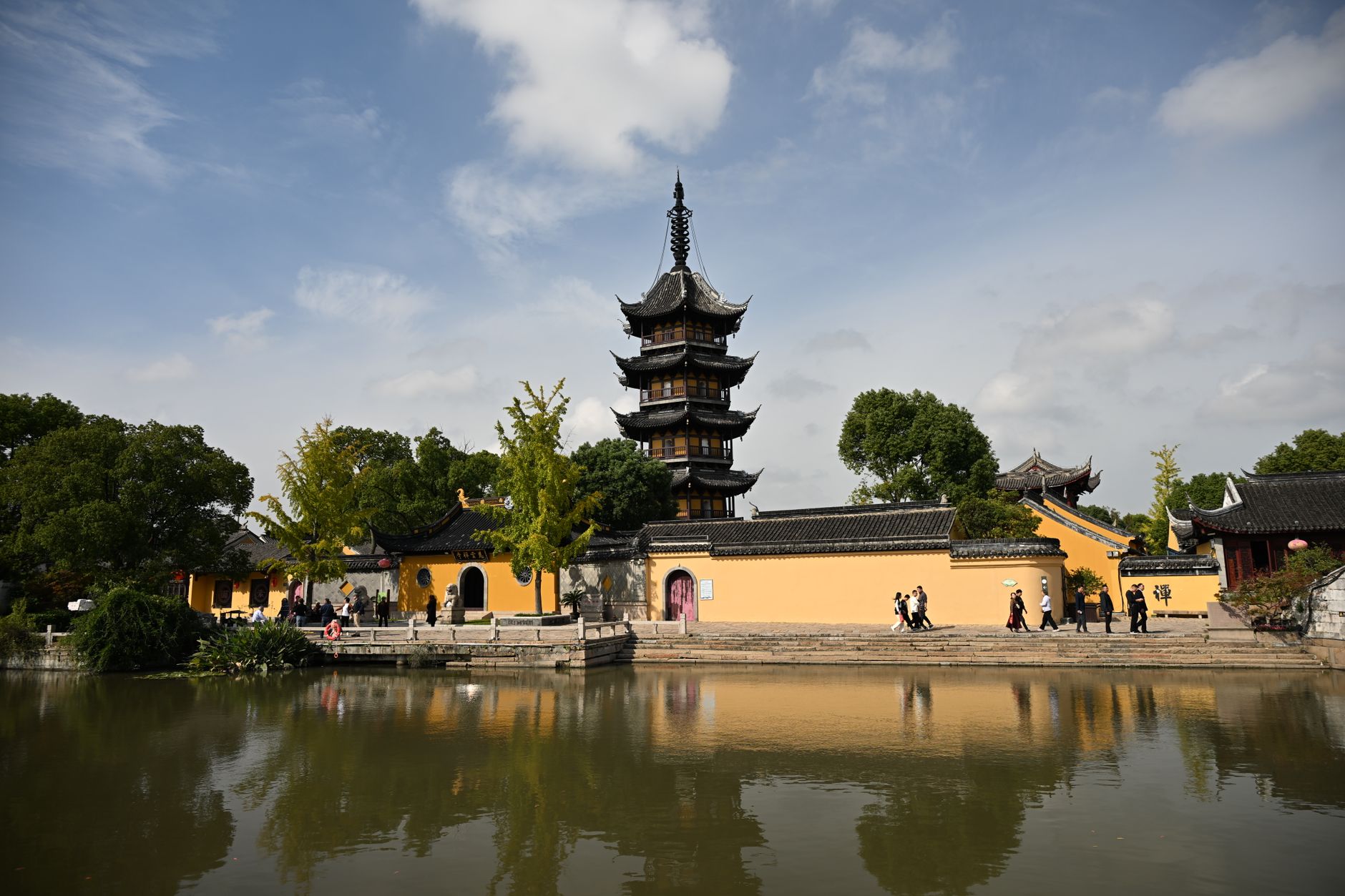
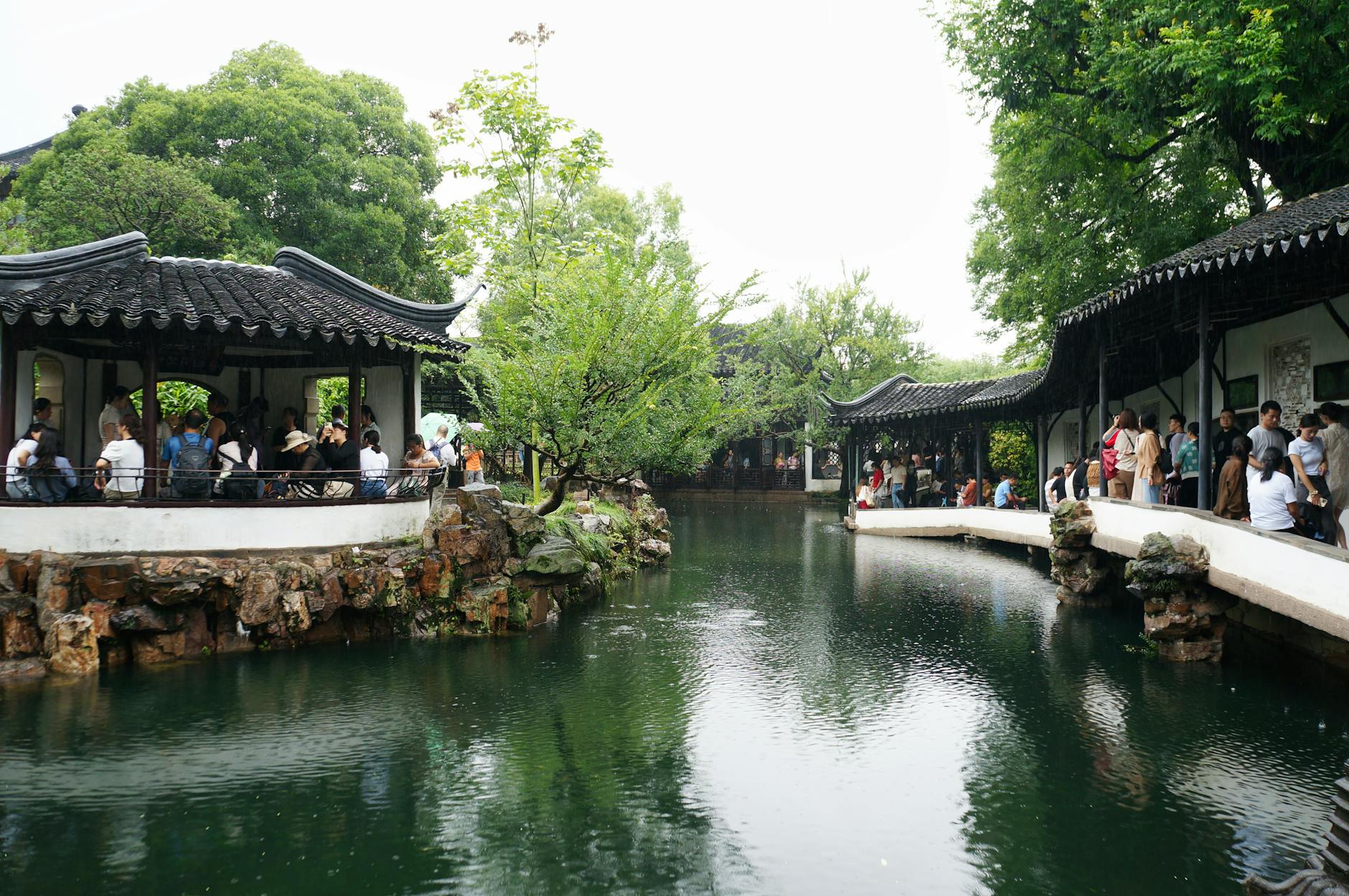
Mudu is the most accessible Suzhou water town — only 15 km southwest of city center, reachable by direct city bus (no train transfer needed). It’s the least touristy of the three major Suzhou water towns: only 40% the crowds of Zhouzhuang, mostly local Chinese day-trippers and almost no foreign tour groups. Features three restored Qing-dynasty private gardens (Yan Family, Hong Family, and Old Provincial Yamen), a 1km canal street, and the historic ‘Yongdai Bridge’ (1607 AD). Entry ¥58 (free for canal walking; ¥58 for the 3 gardens combo). The trade-off: less spectacular than Zhouzhuang or Tongli (fewer canals, smaller scale) but feels MORE like a real living town than a tourist site. Good half-day if your Suzhou trip is already covering the main gardens — Mudu offers a ‘water town’ experience without the all-day commitment.
Highlights
- Closest to Suzhou city15 km southwest; direct city bus 308
- Yan Family GardenLargest of Mudu’s Qing-era private gardens
- Yongdai Bridge (1607)Original Ming-dynasty stone arch bridge
- 40% the crowdsMostly local day-trippers, few foreign tour buses
What Chinese travelers actually do here
Distilled from Chinese-language travel notes — the practical tips most English guides miss.
- Mudu (木渎) literally means ‘wood + canal’ — historically the town was a major timber-trade hub during the Ming-Qing dynasties. Logs were floated down the Grand Canal to Mudu for processing. The wood-trade history is documented in the small museum inside the Yan Family Garden.
- Best Mudu visit timing: weekday morning 9-11 AM for empty Qing gardens (the actual draw), then lunch at a local Suzhou-style restaurant on the canal street, then walk back to bus. Total 4 hours. Avoid weekends — Chinese family day-trippers pack the small canal street.
- Yan Family Garden’s interior reveals Qing-era domestic LUXURY in ways Suzhou’s classical gardens don’t — actual furniture (rosewood + lacquer), bedrooms with original platform beds, ancestral hall. Suzhou’s UNESCO gardens have empty pavilions; Mudu shows the lived-in version.
- Mudu has been used as a film location for 50+ Chinese period dramas — the canal street appears in many Qing-dynasty TV shows. Local guides may point out filming spots; foreign tourists generally don’t recognize the references.
- The pirated handicrafts sold in tourist shops (claimed silk fans, brushes, calligraphy paper) are cheaper than Suzhou old town prices but lower quality. Buy real silk products at Pingjiang Road or Suzhou Silk Museum; buy Mudu only for novelty / impulse souvenirs.
- Connection to literary history: Tang poet Bai Juyi visited Mudu and wrote about its timber trade in his 9th-century poems. A small stone tablet inscribed with his verses sits in the central park area, easily missed by foreigners.
Photos
Frequently asked questions about Mudu Ancient Town
- Mudu vs Tongli vs Zhouzhuang — which water town?
- Three different propositions: Mudu is the EASIEST (15 km, direct city bus 308, half-day), Tongli is the QUIETEST + has UNESCO garden (overnight worthwhile), Zhouzhuang is the MOST ICONIC + accessible to Shanghai (day-trip from either city). If you have one half-day, Mudu. One full day, Tongli. One Shanghai-Suzhou combo day, Zhouzhuang. Doing all three is excessive — pick based on time + interest.
- Is the Yan Family Garden worth ¥58?
- Yes — the combo ticket includes Yan Family Garden + Hong Family Garden + Old Provincial Yamen, three restored Qing-dynasty residences. Yan Family is the most architecturally interesting (largest private home with garden composed around a central pool). Total visit time 2 hours; ¥58 is fair value compared to ¥100 Zhouzhuang or ¥100 Tongli entry.
- How do I get to Mudu from Suzhou old town?
- Direct city bus #308 (¥2, 50 min) from Suzhou Train Station or central Suzhou. Bus runs every 15-20 min, accessible to foreigners with Chinese cash or AliPay. Taxi is faster (¥40-60, 25 min) and avoids navigation confusion. Most foreigners take taxi out, bus back.
- Is the Yongdai Bridge worth seeing?
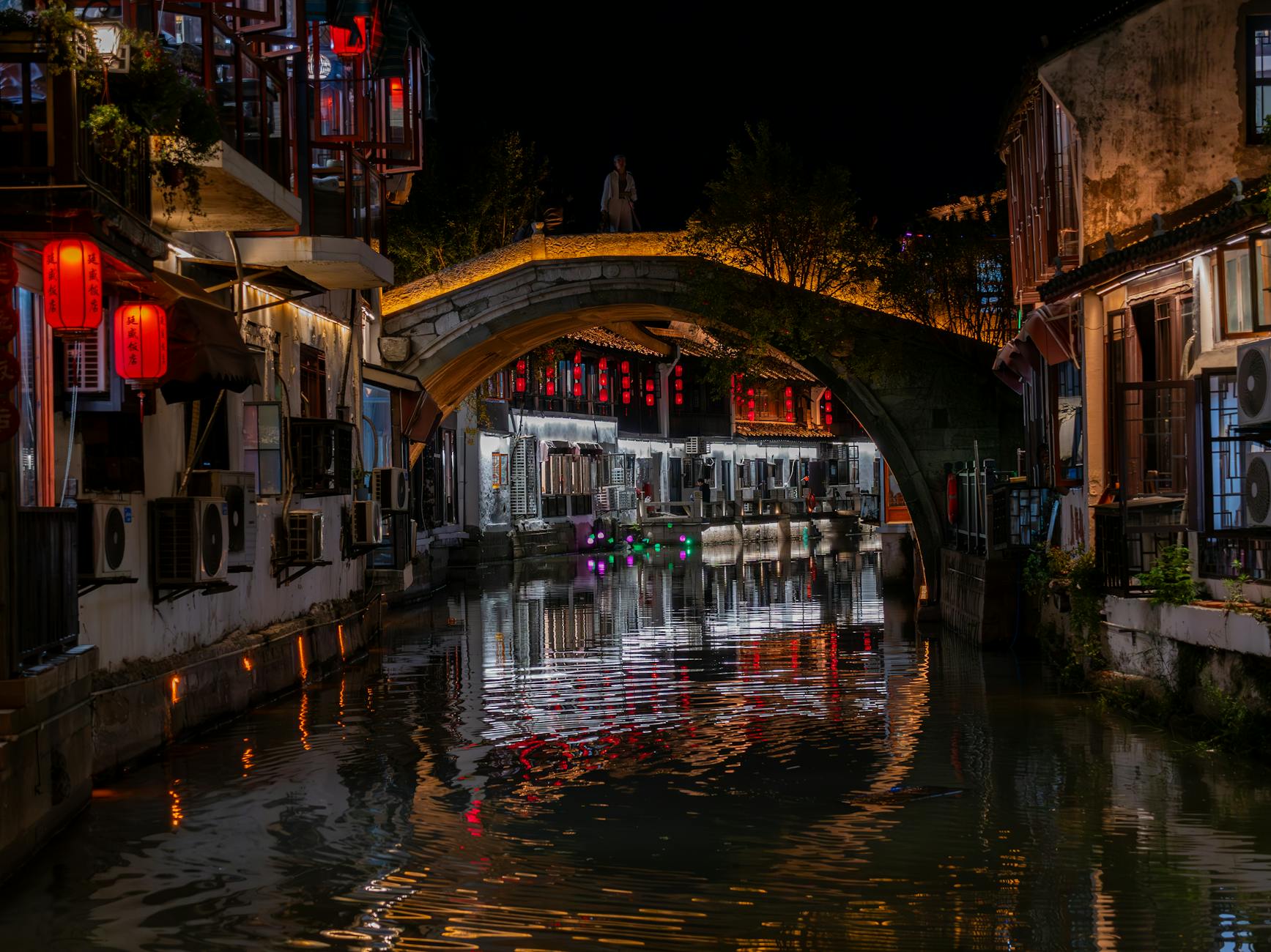
- Brief stop yes — it’s a 1607 Ming-dynasty stone arch bridge in original condition. 5-10 min photo stop. Mudu’s other Ming-Qing bridges are 19th-century reconstructions; Yongdai is the genuine article. Good photo location for sunset.
- What’s the difference between Mudu and a ‘real’ water town?
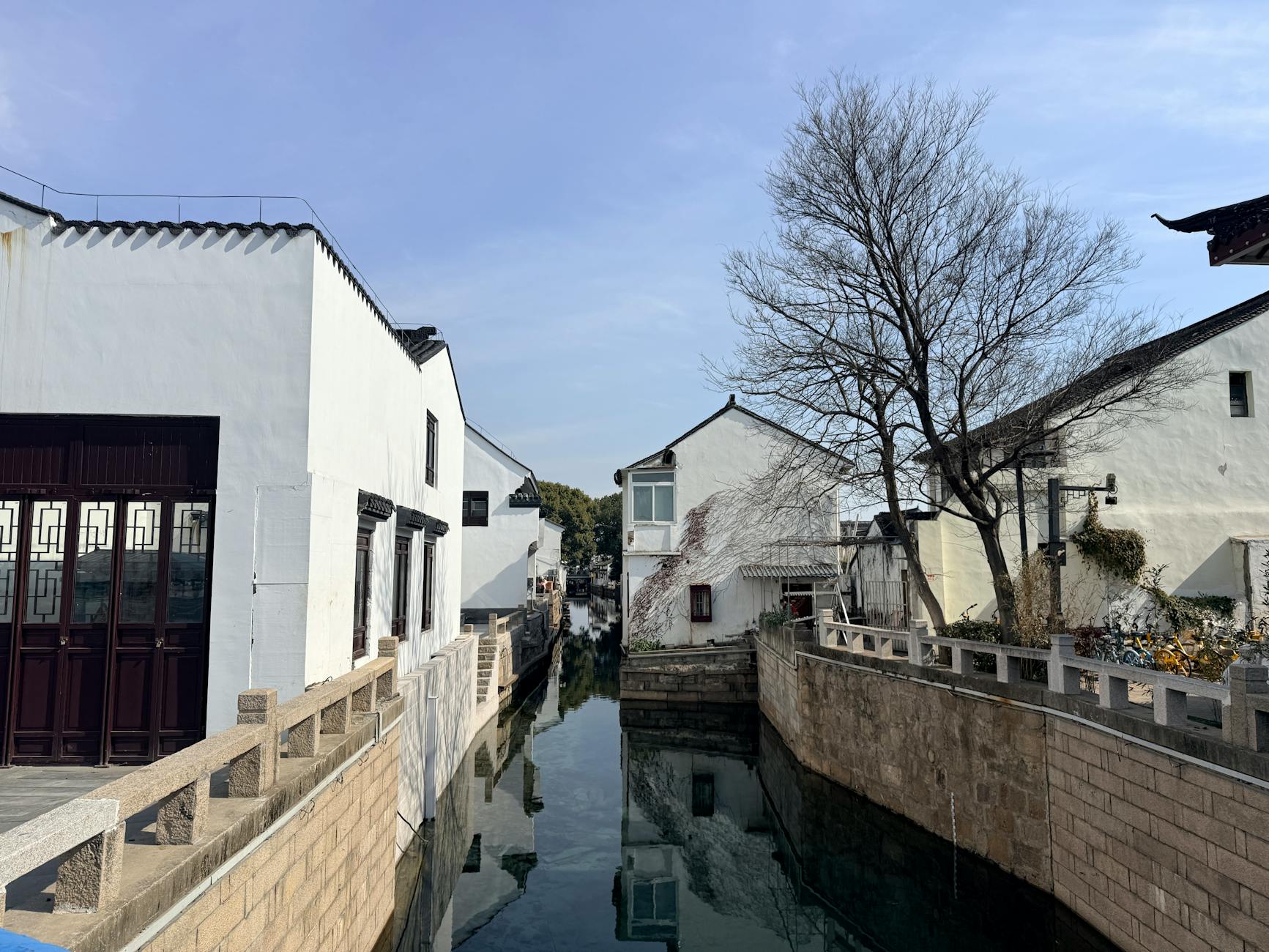
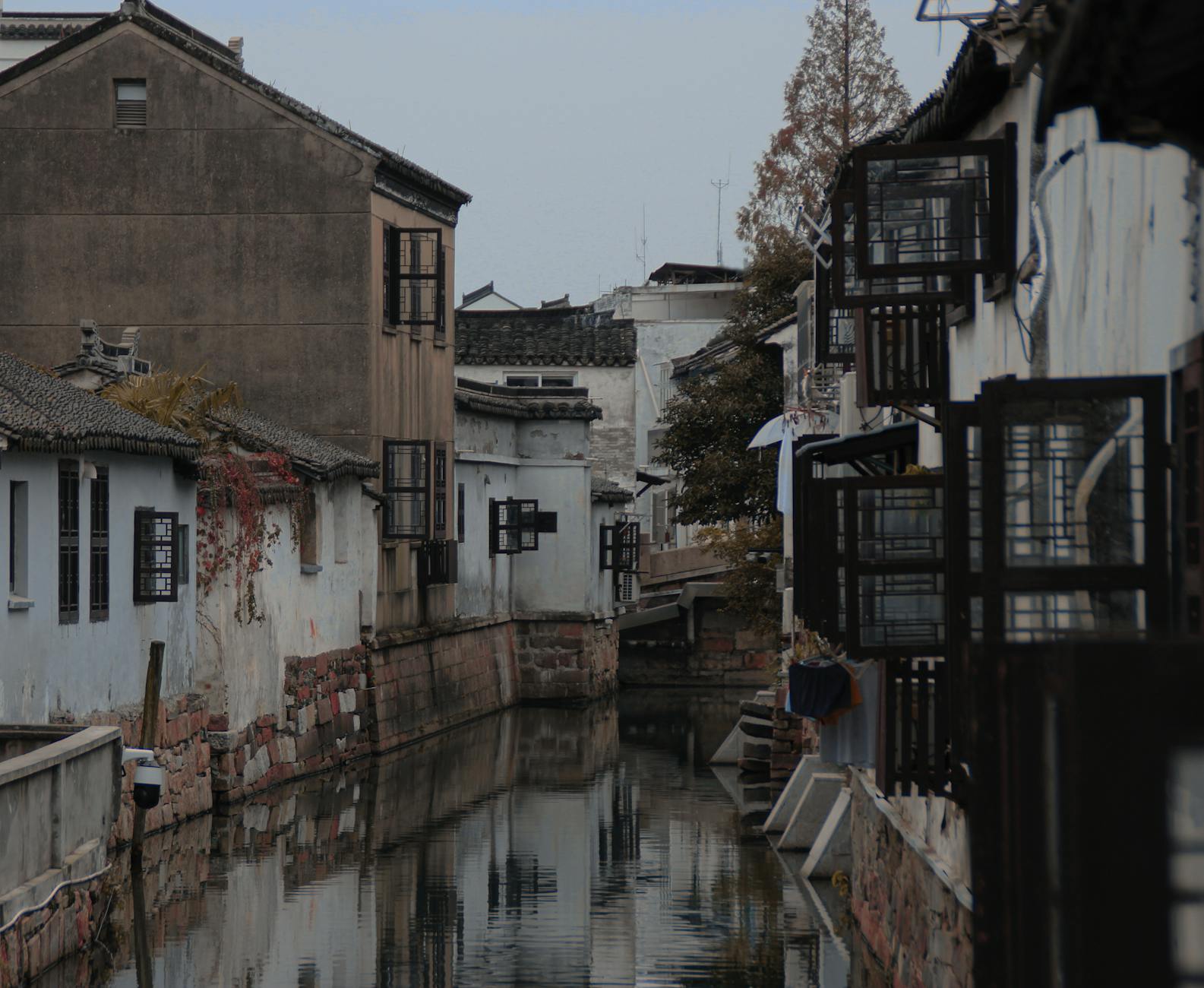
- Mudu has only 1 km of canal street (compared to Tongli’s 15 canal network), making it more ‘historic town’ than ‘water town.’ The architecture is similar (Ming-Qing residential), but the canal-density experience is less impressive. Mudu is a ‘water-town-lite’ option for visitors short on time.
More in Suzhou
Plan your Suzhou trip
- Hangzhou vs Suzhou — Which Day Trip Should You Take from Shanghai?Itineraries · 8 min read
- China High-Speed Rail (Gaotie) — The 2026 Foreigner’s GuideTransit · 11 min read
- Does Google Maps Work in China? (No — Here’s What Does, 2026)Internet & Apps · 9 min read
- WeChat Pay for Foreigners — The 2026 Setup GuidePayments · 9 min read
- China Trip Pre-Departure Checklist — The 30-Day TimelineVisa & Entry · 10 min read
- 240-Hour Visa-Free Transit to China — 2026 GuideVisa & Entry · 11 min read
- How to Use Alipay as a Foreigner in China — 2026 GuidePayments · 11 min read