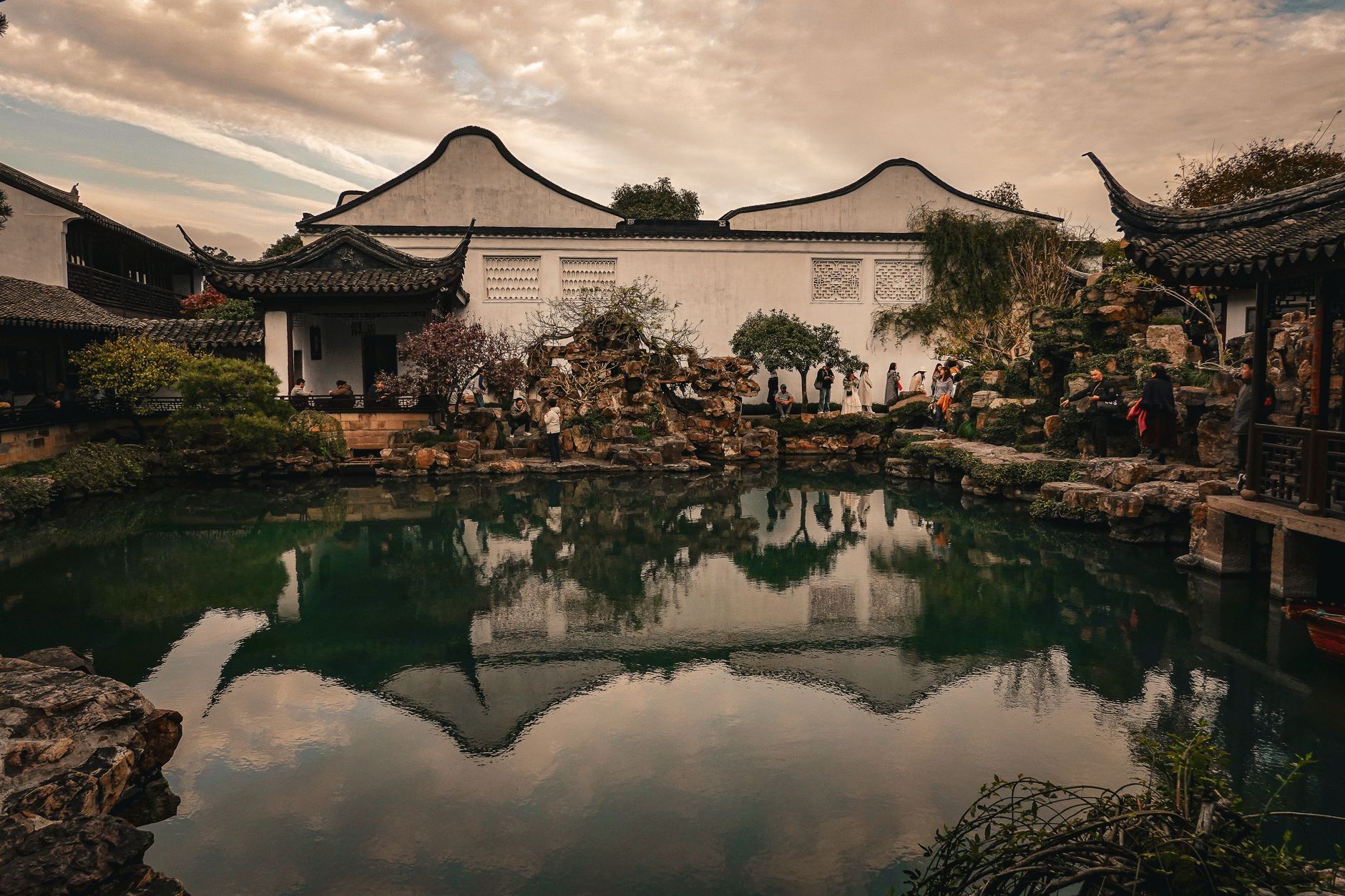
UNESCO garden whose ‘rockery labyrinth’ is the most playful classical Suzhou garden — Tai Lake stones arranged as 500+ lion shapes.
At a glance
- What it is
- Heritage Site
- Also known as
- 狮子林 (Shīzilín)
- Opening hours
- 7:30 AM – 5 PM
- Time needed
- 1.5-2 hours
- Best time to visit
- Morning before tour groups; weekdays
- Getting there
- Metro to the door
- English
- English tours available
- Cards accepted
- Visa, Mastercard
- Entry
- Passport booking required · tickets & prices →
- Wi-Fi
- Free Wi-Fi
- Address
- 23 Yuanlin Road, Gusu District, Suzhou · 苏州市姑苏区园林路23号
See Lion Grove Garden tickets & tours
Trip.com link · we earn a small commission · disclosure
Lion Grove Garden map & getting there
Taxi / DiDi? Show the driver: 苏州市姑苏区园林路23号 · 23 Yuanlin Road, Gusu District, Suzhou
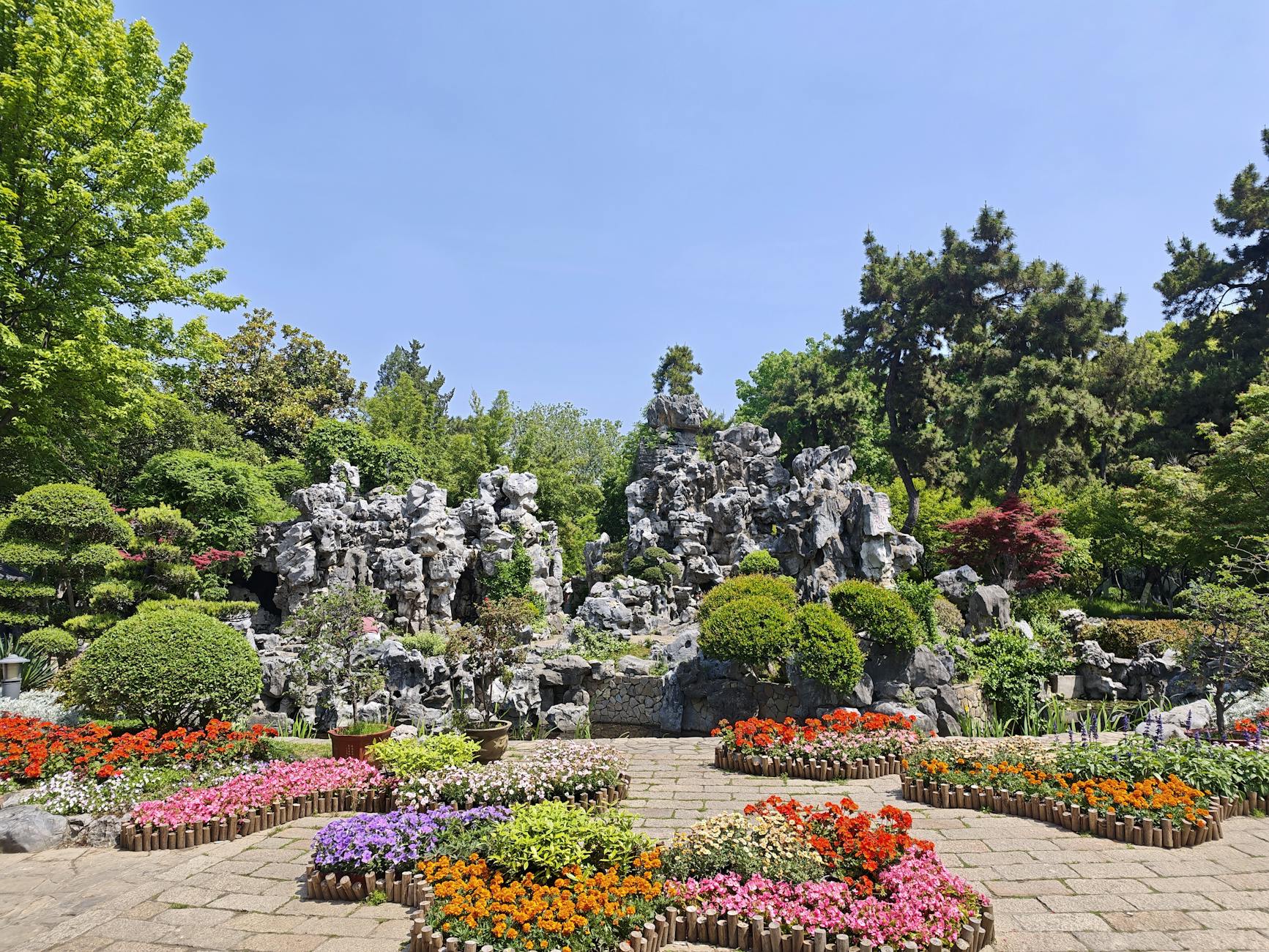
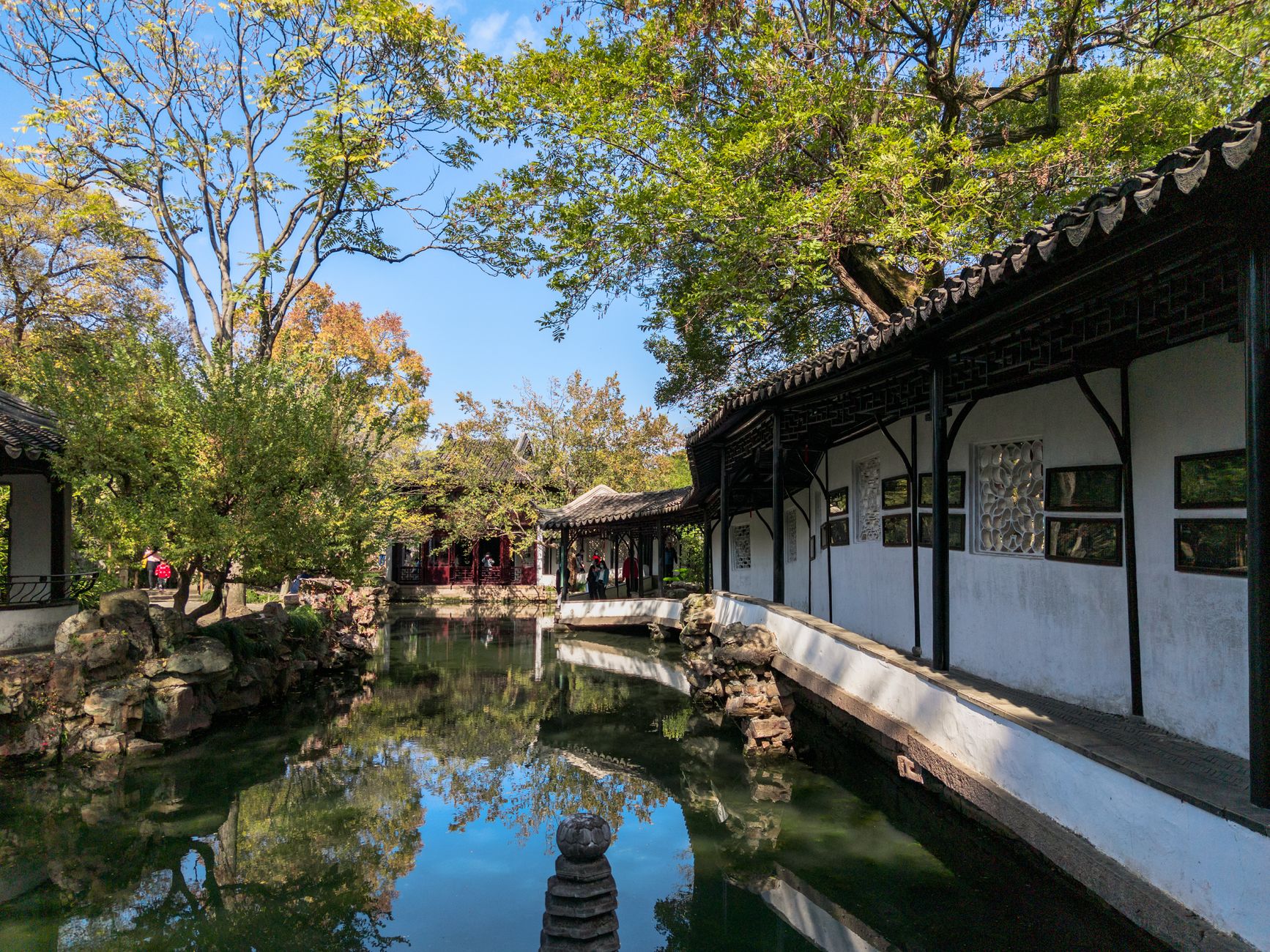
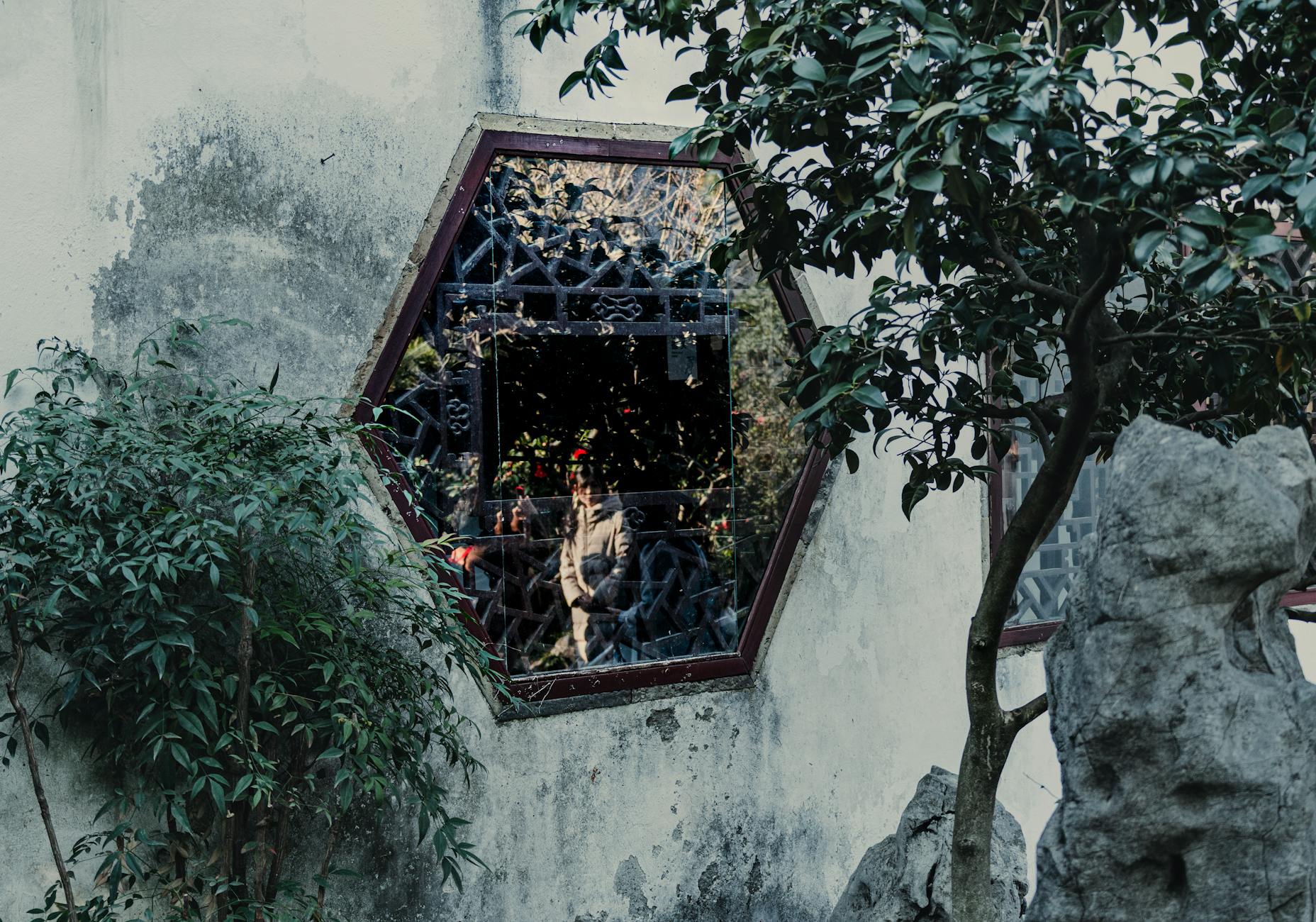
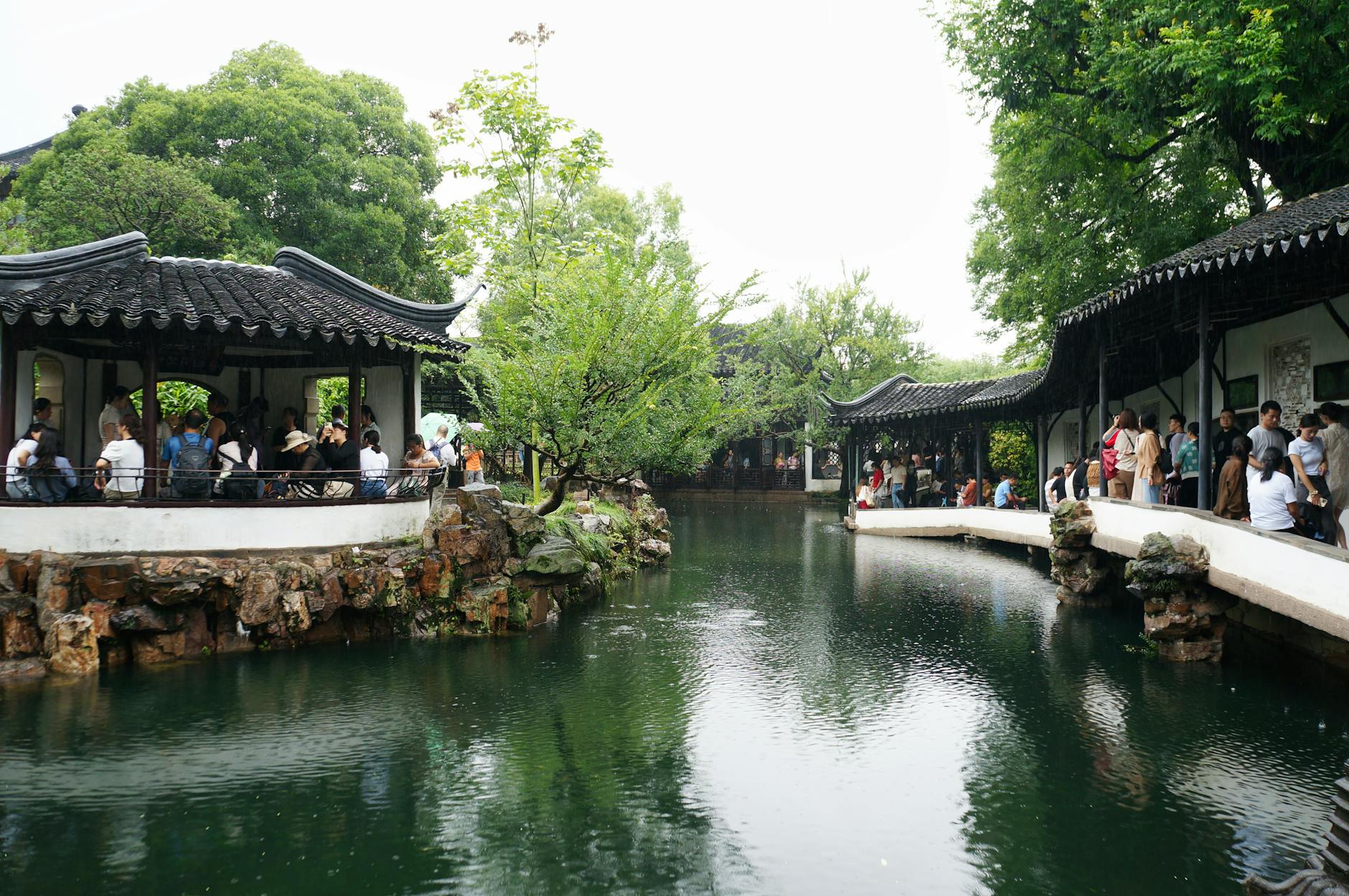
Lion Grove Garden (Shizilin) is the UNESCO classical garden best known for its central ‘rockery labyrinth’ — a 3,000m² maze of Tai Lake stones arranged so the eroded shapes resemble crouching lions. Built 1342 by Buddhist monk Tianru in honor of his teacher (whose Buddhist title was ‘Lion’), the garden’s central concept inverts the usual landscape painting: instead of evoking distant mountains, the rocks evoke a specific Buddhist scene (Manjushri Bodhisattva on a lion). The labyrinth has 9 separate caves you can walk through; tour guides traditionally challenge groups to find their way out. Beyond the rockery, the garden has standard classical elements (lotus pond, covered corridors, pavilions). Owned in early 20th century by I.M. Pei’s family — Pei studied here as a child and credited it as the inspiration for his Suzhou Museum design. Entry ¥40.
Highlights
- Rockery labyrinth500+ Tai Lake stones arranged in lion shapes; 9 navigable caves
- I.M. Pei family connectionPei’s family owned it early 20th century; inspired Suzhou Museum design
- Manjushri Buddhist themeRocks evoke the Bodhisattva-on-lion scene, not landscape
What Chinese travelers actually do here
Distilled from Chinese-language travel notes — the practical tips most English guides miss.
- The Buddhist monk Tianru founded the garden in 1342 as a memorial to his teacher (Buddhist master 中峰禅师 nicknamed ‘Lion’). The rocks evoke the Manjushri Bodhisattva traditionally depicted RIDING a lion — meaning the rockery represents a religious tableau, not just abstract shapes.
- The CENTER of the rockery is the most disorienting — keep heading west to exit. Most foreigners enter from the south, find themselves circling for 10-20 min, and exit at the north via the elevated pavilion. Children consistently navigate faster than adults.
- Lion Grove was famously visited by Qianlong Emperor in 1762 (his FIRST of six visits), who praised it and ordered replica versions built in his Beijing imperial gardens. The Qianlong replica (no longer extant) was the source of European ‘Chinese garden’ fashions in 18th-century England.
- Photography tip: the rockery looks BEST in light overcast — flat sky reduces glare on the white limestone, deepens shadow definition. Bright sunny days create harsh highlight blowout on the white rock. Light rain creates beautiful wet-rock saturation; bring a raincoat and shoot anyway.
- Avoid weekends and Chinese national holidays — the labyrinth in particular gets uncomfortable with 100+ people inside simultaneously. Weekday morning openings (7:30 AM) give you a near-empty rockery for 30-45 min.
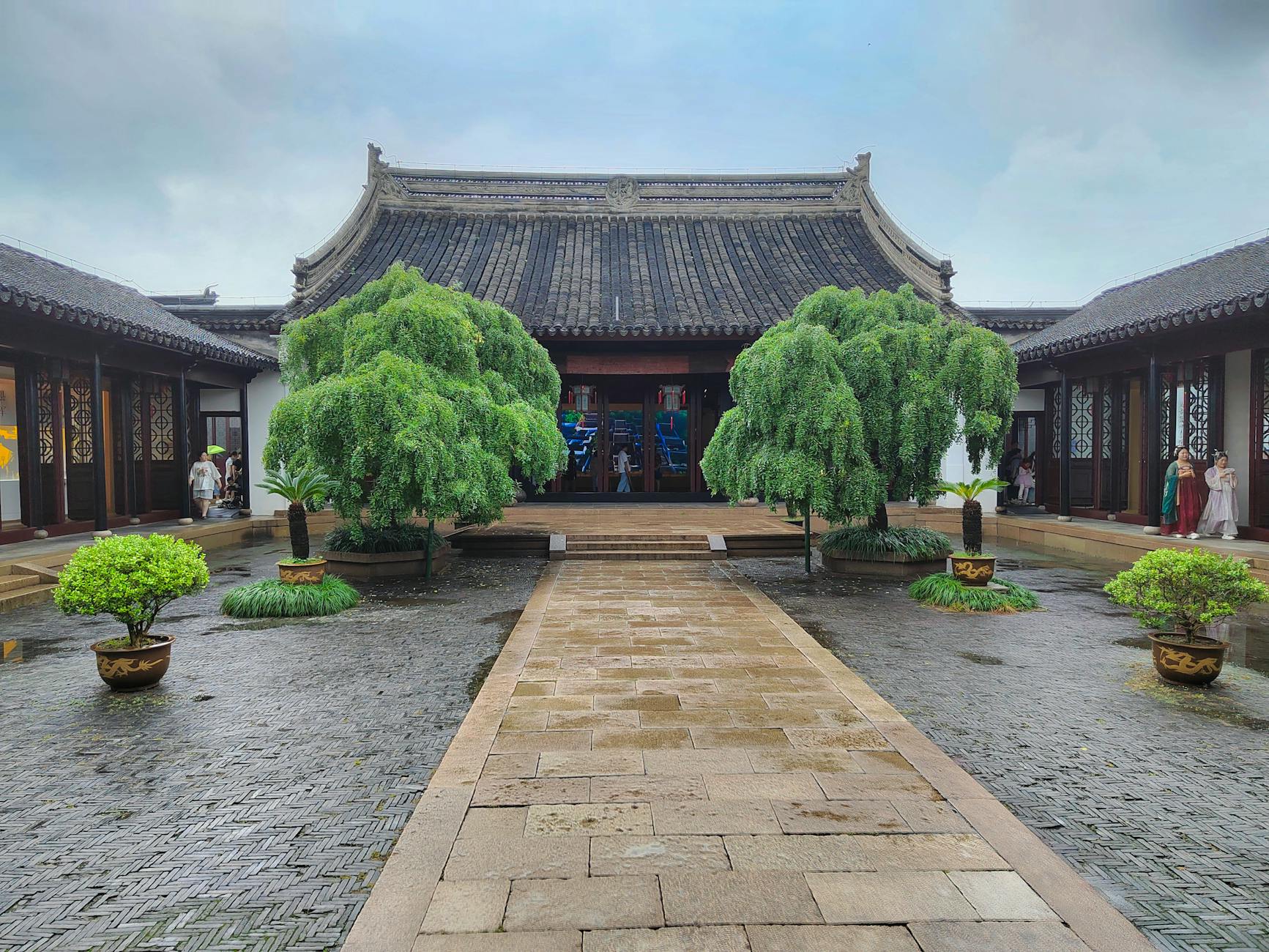
- Combine with Humble Administrator’s Garden (10 min walk) and Suzhou Museum (5 min walk) for a complete ‘central Suzhou heritage’ morning. All three are within 800m of each other.
Book on Trip.com
Trip.com link · we earn a small commission · disclosure
Photos
Frequently asked questions about Lion Grove Garden
- Can you actually find 500 lions in the rockery?
- Yes in the loose sense — local guides will point out 50-80 obvious lion shapes (the famous ones have nicknames: ‘Sleeping Lion,’ ‘Roaring Lion,’ ‘Mother and Cub’). The total ‘500+ lions’ count is poetic — includes any rock that vaguely suggests a feline form when squinted at. The fun is finding YOUR OWN lions, not chasing the official list.
- Is the labyrinth actually disorienting?
- Yes, genuinely. The 3,000m² rockery has 9 separate cave-paths with multiple entries and exits — visitors do regularly lose track of where they entered. Don’t panic — just keep climbing UP (the labyrinth is contained within a finite space, and rising eventually exits to a higher viewing terrace). Children love it; adults underestimate how confused they’ll be.
- What’s the I.M. Pei family connection?
- The Pei family owned Lion Grove Garden from 1917 to 1949 (when the People’s Republic confiscated private property). I.M. Pei spent his early childhood here in the 1920s — playing in the rockery, studying the architecture. He repeatedly credited Lion Grove as the inspiration for his 2006 Suzhou Museum design (which is a 30-minute walk away). Visiting both back-to-back gives a complete architect-and-source-material experience.
- Should I do this AND Master of Nets / Lingering / Humble Administrator’s?
- If you have 2-3 days in Suzhou: do Humble Administrator’s + Master of Nets + Lion Grove. Skip Lingering. Lion Grove offers the unique ‘labyrinth’ experience the others don’t replicate. If you have just 1 day: Humble Administrator’s morning + Master of Nets evening (night opening). Lion Grove becomes day 2 priority.
- Best photo angles?
- The central courtyard from the elevated pavilion at the rockery’s high point gives the ‘lions everywhere’ panorama. Inside the caves at 10-11 AM when sunlight filters through the rock openings creating chiaroscuro effects. The lotus pond (autumn) or peach blossom (spring) along the east wall makes seasonal foreground subjects.
More in Suzhou
Plan your Suzhou trip
- Hangzhou vs Suzhou — Which Day Trip Should You Take from Shanghai?Itineraries · 8 min read
- China High-Speed Rail (Gaotie) — The 2026 Foreigner’s GuideTransit · 11 min read
- Does Google Maps Work in China? (No — Here’s What Does, 2026)Internet & Apps · 9 min read
- WeChat Pay for Foreigners — The 2026 Setup GuidePayments · 9 min read
- China Trip Pre-Departure Checklist — The 30-Day TimelineVisa & Entry · 10 min read
- 240-Hour Visa-Free Transit to China — 2026 GuideVisa & Entry · 11 min read
- How to Use Alipay as a Foreigner in China — 2026 GuidePayments · 11 min read
Trip.com link earns us a small commission · disclosure