
Old fishing town beside the Li River — the ¥20 banknote view is taken from a pier here. Quieter overnight alternative to Yangshuo.
At a glance
- What it is
- Heritage Site
- Also known as
- 兴坪古镇 (Xìngpíng Gǔzhèn)
- Opening hours
- Always open
- Time needed
- Half-day or overnight
- Best time to visit
- Stay overnight for sunrise + early-morning quiet
- Getting there
- Taxi / DiDi from metro
- English
- Some English signage
- Cards accepted
- Cash only
- Entry
- Passport booking required · tickets & prices →
- Wi-Fi
- Free Wi-Fi
- Address
- Xingping Town, Yangshuo County · 桂林市阳朔县兴坪镇
See Xingping Town tickets & tours
Trip.com link · we earn a small commission · disclosure
Xingping Town map & getting there
Taxi / DiDi? Show the driver: 桂林市阳朔县兴坪镇 · Xingping Town, Yangshuo County
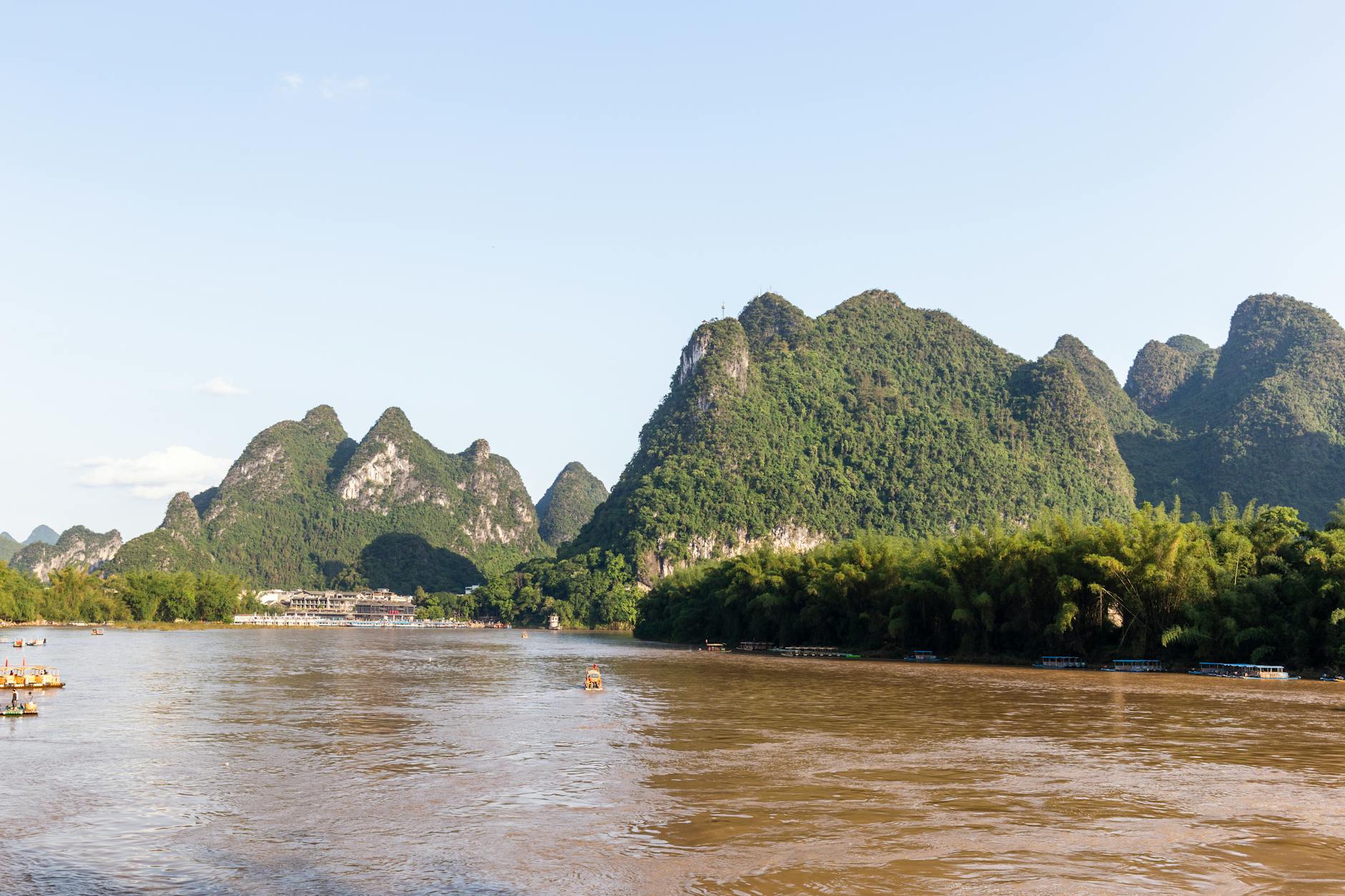
Xingping is the ancient fishing town on the Li River, between Guilin and Yangshuo. The famous ¥20-banknote view is from Xingping’s pier looking south — a perspective that Wenzhou photographer Huang Yongyu captured for the 4th-issue ¥20 note (1999). The old town itself has a 1.5-km stone-paved street with Ming-dynasty wooden buildings, fewer tourists than Yangshuo, and a much quieter overnight atmosphere. Many photographers base in Xingping (instead of Yangshuo) specifically for the early access to Xianggong Hill sunrise + ¥20-banknote dawn shots. Hotels ¥100-300, restaurants ¥30-60/person. Bamboo rafts run from Xingping pier (¥150 for 1-hour banknote-view section).
Highlights
- ¥20 banknote view pierThe exact composition on China’s ¥20 note
- 1.5-km old stone streetMing wooden buildings, fewer tourists
- Bamboo raft starting point¥150 / 1 hour mini-raft section
What Chinese travelers actually do here
Distilled from Chinese-language travel notes — the practical tips most English guides miss.
- Xingping is where photographer Huang Yongyu painted the original Li River scene that became the ¥20 banknote design (issued 1999). The banknote itself was modeled on his photo, not from a separate paint session.
- Best Xingping hotel for foreigners: Xingping Hostel (¥150-250/night, English-speaking owner, helpful pre-dawn coordination for Xianggong) or This Old Place International Hostel (similar). Both run shared shuttle to the Xianggong trail base.
- Old town’s main 1.5-km street is mostly tourist shops + low-key cafes after 5 PM. Real local life happens on the FOUR side streets — small markets, a temple, a school. Foreigners who explore these streets find the genuine Xingping.
- Xingping has been used as a film location for 200+ Chinese movies and TV shows since the 1980s. The 1986 film ‘Sister Eight’ is the most famous — Chinese tourists still pose in front of the specific buildings featured. Foreign visitors won’t recognize them.
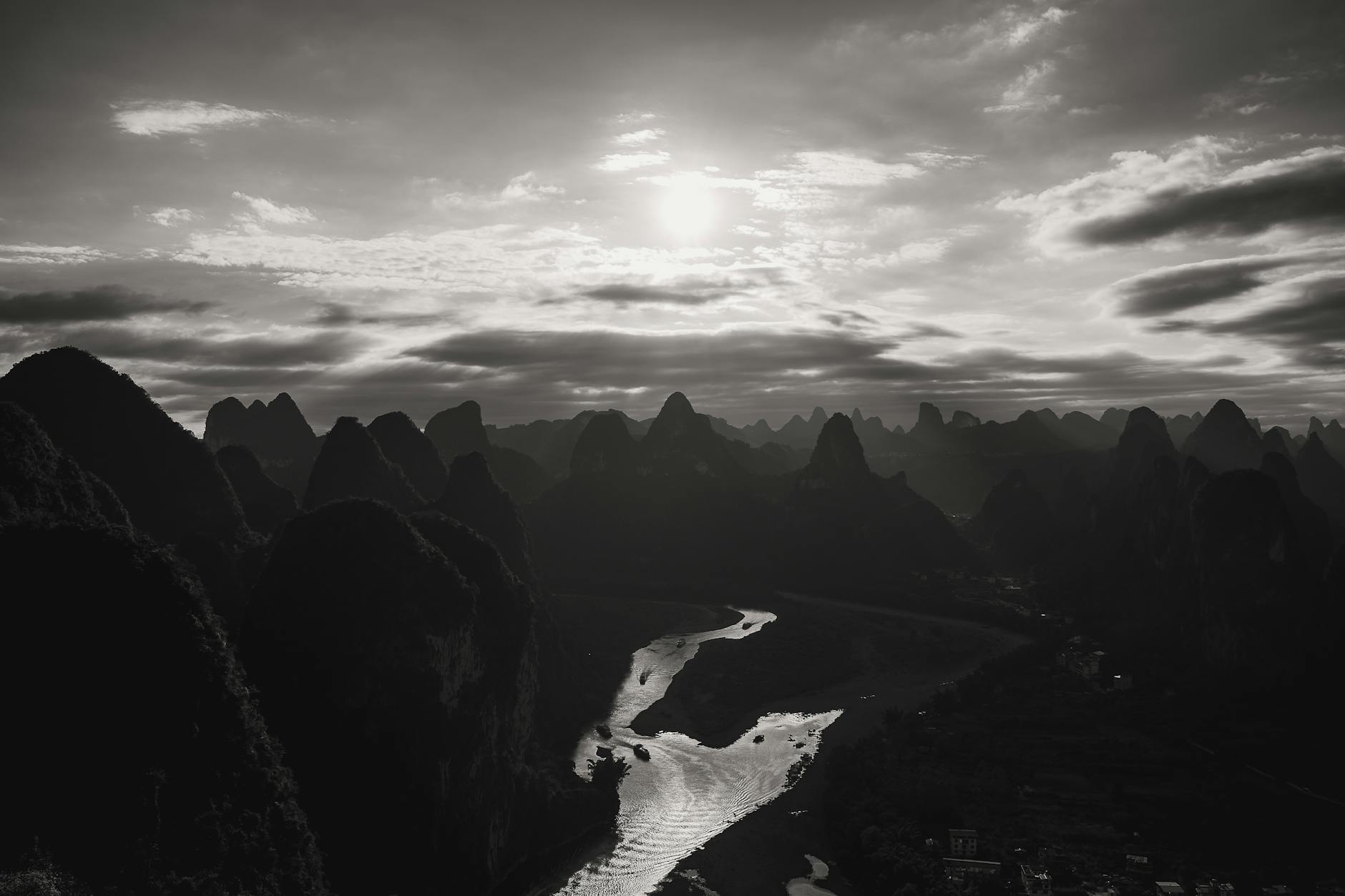
- Sunset from the pier looking south is the BEST golden-hour photo here (other than the banknote angle itself). 30 min before official sunset, the karst peaks light up in gold against the river. Most tourists miss this and visit at noon when light is flat.
- From Xingping to Xianggong Hill is just 5 km / 15 min by taxi (¥30-50). Compare to Yangshuo → Xianggong (45 min, ¥150-200). The geographic positioning is why photographers base in Xingping.
See Xingping Town tickets & tours
Trip.com link · we earn a small commission · disclosure
Photos
Watch creators visit Xingping Town
Each clip is timestamped to the moment the creator arrives at this stop.
Top 10 Best Things to Do in Yangshuo, Guilin, China [Yangshuo Travel Guide 2024]
Vacation IdeaStarts at 1:37
Yangdi-Xingping Scenic Area
Is this the most beautiful city in the world? 4 days in Guilin, Yangshuo
HeideexyzStarts at 14:11
20RMB viewpoint – how to get there + Scenic view 3 (¥20 banknote view)
Frequently asked questions about Xingping Town
- Should I stay in Xingping or Yangshuo?
- Yangshuo for most foreigners (bar scene, restaurants, climbing community). Xingping for photographers who want pre-dawn Xianggong Hill access without a 4 AM taxi from Yangshuo. Xingping is quieter, cheaper (¥150-300 hotels vs Yangshuo’s ¥300-600), and has the ¥20-banknote view 5 min from any hotel. Try 1 night in each if your trip allows.
- Where exactly is the ¥20 banknote view?
- From the Xingping pier looking south down the Li River. The exact angle is on the limestone-cobble path at the pier’s left edge, facing the karst peaks. There’s now a small wooden sign marking the spot (added 2018) but it’s still subtle — look for the slightly elevated stone platform where tour groups crowd in.
- Can I do Xingping as a day-trip from Yangshuo?
- Yes — 35 min by direct bus (¥10) or 25 min by taxi (¥150). Most foreigners do exactly this: morning Li River cruise to Yangshuo, day-trip out to Xingping for the banknote view, return to Yangshuo for dinner. Stay overnight in Xingping ONLY if you want the Xianggong sunrise.
- Is Xingping’s old town worth visiting on its own?
- Borderline. The 1.5-km stone-paved street is genuinely old (Ming dynasty wooden buildings) but small and quiet. Skipped easily if you’re tight on time. Worth a 90-min slow walk if you have a half-day, plus the bamboo raft from Xingping pier (¥150 for the banknote-view section).
- What’s the bamboo raft from Xingping like?
- Short (1 hour) and scenic — covers the most photogenic section of the Li River around the banknote view. ¥150-200/person depending on season. The raft is motorized PVC pipes painted to look like bamboo (banned real bamboo in 2014 for environmental reasons). Less authentic than the original, still visually pleasant.
More in Guilin



Plan your Guilin trip
- Guilin vs Zhangjiajie — Which Karst Landscape Should You Pick?Itineraries · 8 min read
- China High-Speed Rail (Gaotie) — The 2026 Foreigner’s GuideTransit · 11 min read
- Does Google Maps Work in China? (No — Here’s What Does, 2026)Internet & Apps · 9 min read
- WeChat Pay for Foreigners — The 2026 Setup GuidePayments · 9 min read
- 240-Hour Visa-Free Transit to China — 2026 GuideVisa & Entry · 11 min read
- How to Use Alipay as a Foreigner in China — 2026 GuidePayments · 11 min read
- Do You Need a VPN for China? Legality, Setup Before You Fly, and What Breaks (2026)Internet & Apps · 13 min read
Trip.com link earns us a small commission · disclosure