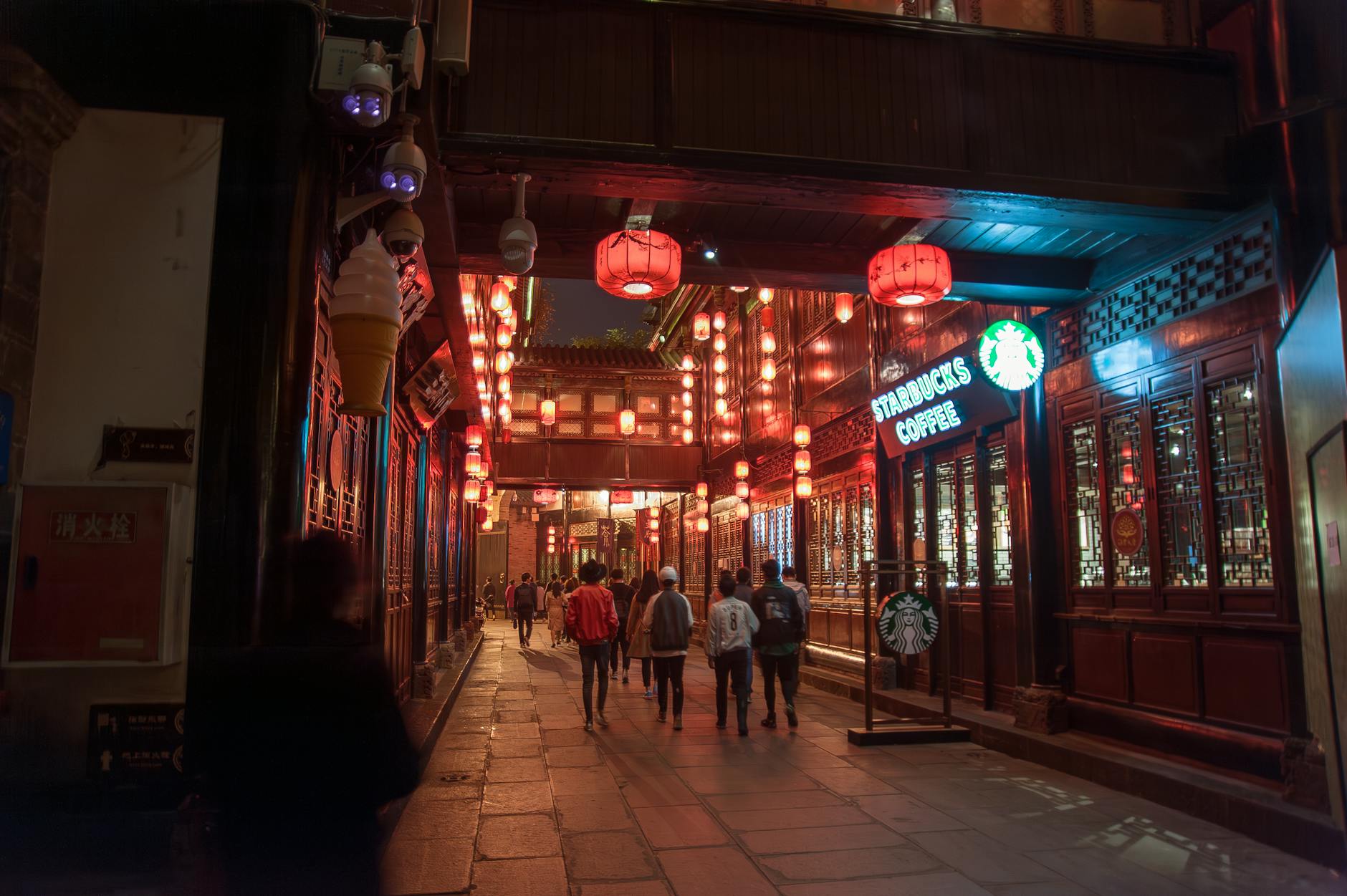
Reconstructed Three Kingdoms-era pedestrian alley jammed with Sichuan snacks, teahouses, and lantern-lit photo ops.
At a glance
- What it is
- Neighborhood
- Also known as
- 锦里古街 (Jǐnlǐ Gǔjiē)
- Opening hours
- 9 AM – 10 PM
- Time needed
- 1.5-2 hours
- Best time to visit
- After 6 PM for lantern lights
- Getting there
- Taxi / DiDi from metro
- English
- Some English signage
- Cards accepted
- Cash only
- Entry
- Walk-in — no booking · tickets & prices →
- Wi-Fi
- No public Wi-Fi
- Address
- 231 Wuhouci Avenue, Wuhou District, Chengdu · 武侯区武侯祠大街 231 号
See Jinli Ancient Street tickets & tours
Trip.com link · we earn a small commission · disclosure
Jinli Ancient Street map & getting there
Taxi / DiDi? Show the driver: 武侯区武侯祠大街 231 号 · 231 Wuhouci Avenue, Wuhou District, Chengdu
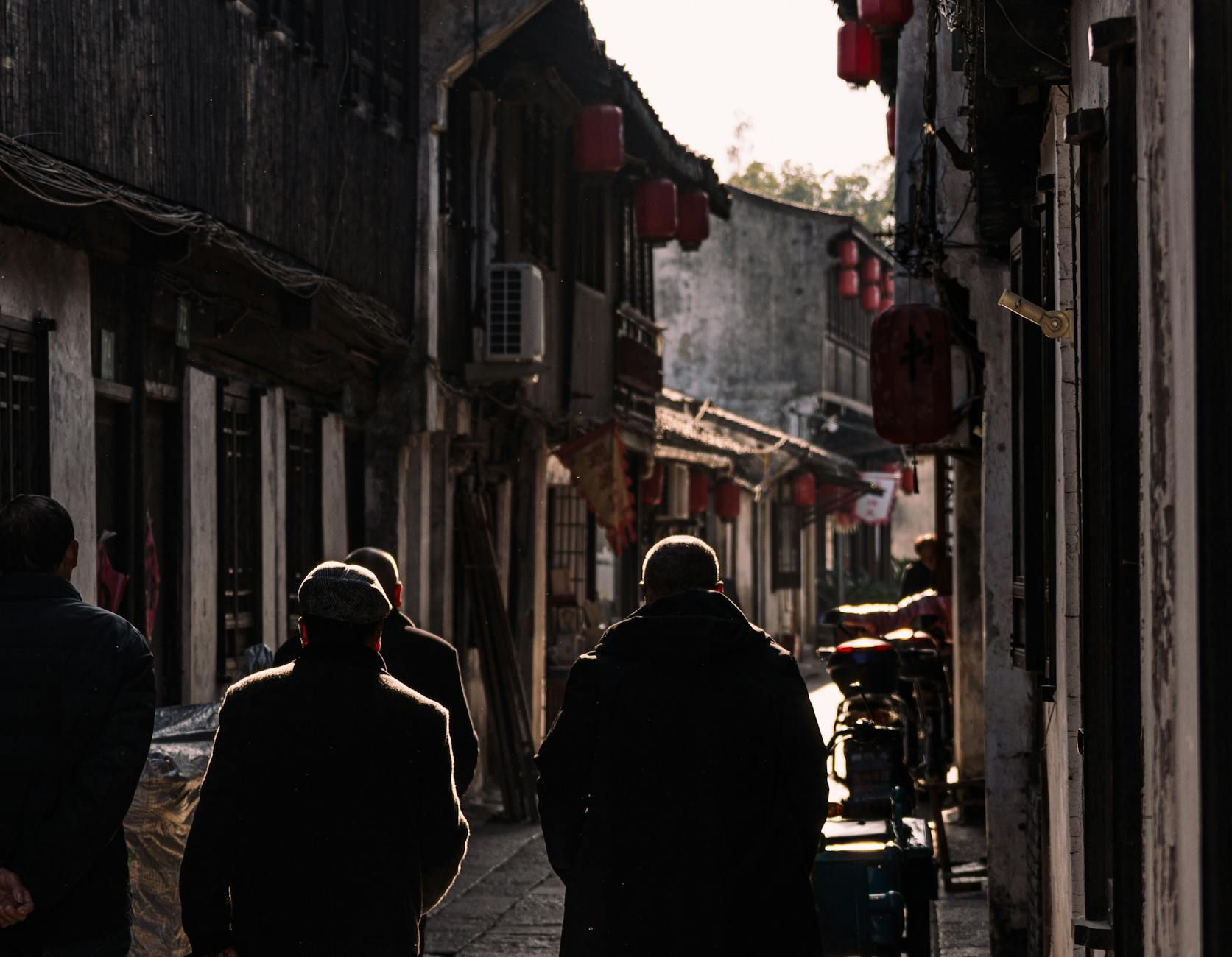
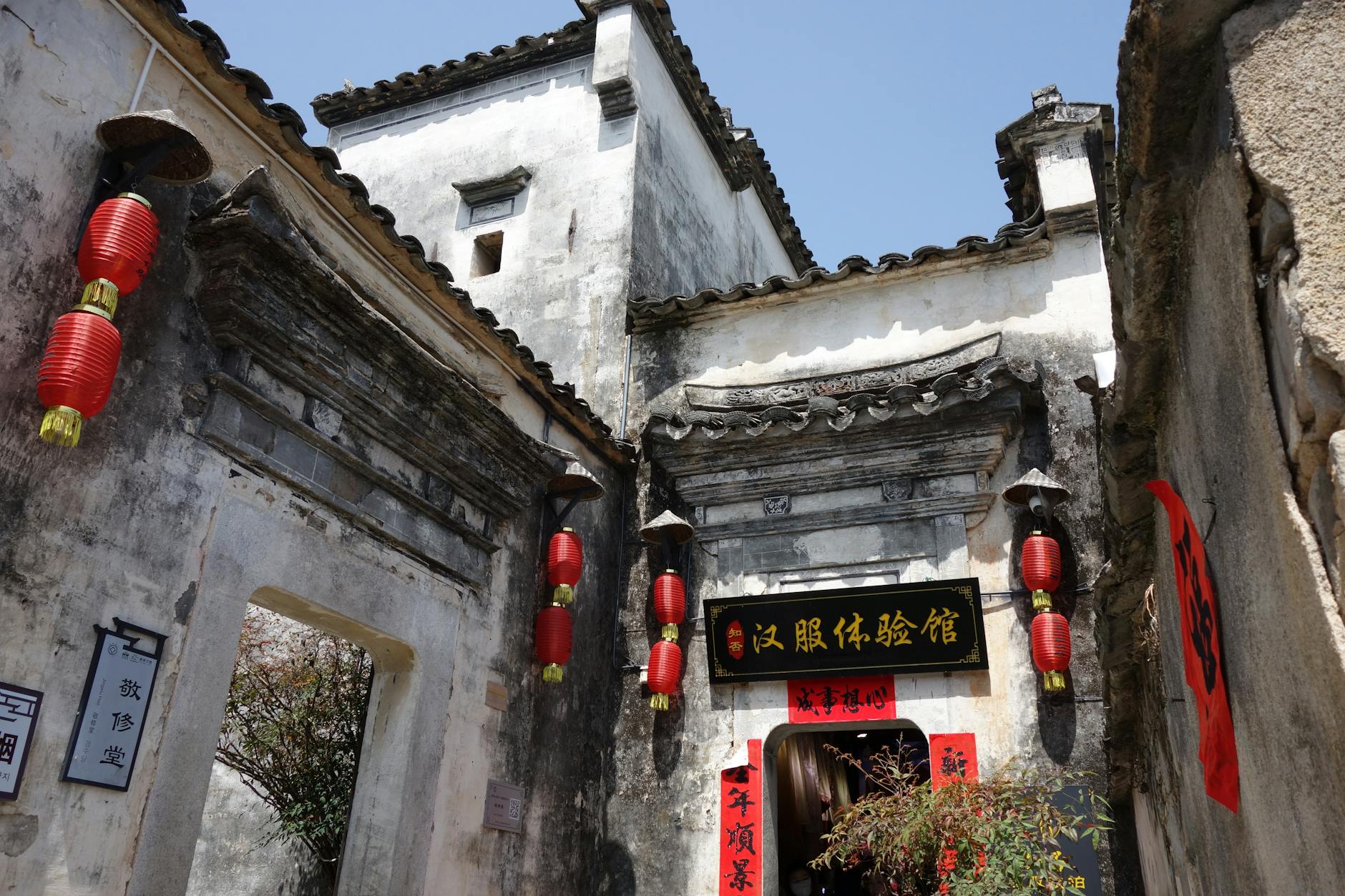
Jinli sits attached to the Wuhou Shrine (combo entry) and presents itself as a 350m Ming/Qing-style commercial street, though the buildings are 2004 reconstructions. The reason to come is the street food: dan dan noodles (担担面), three cannon snacks (三大炮), sweet glutinous rice cakes, San Da Pao mochi being whacked into the dipping bowl with three loud thumps. Evening is when the red lanterns light up and the photogenic walk shines — go after 6 PM. The shops sell tourist trinkets but the snack stalls are legitimately good. Free entry. Combine with Wuhou Shrine immediately next door (entrance literally connects). Allow 90 min for food crawl + photo walk.
Highlights
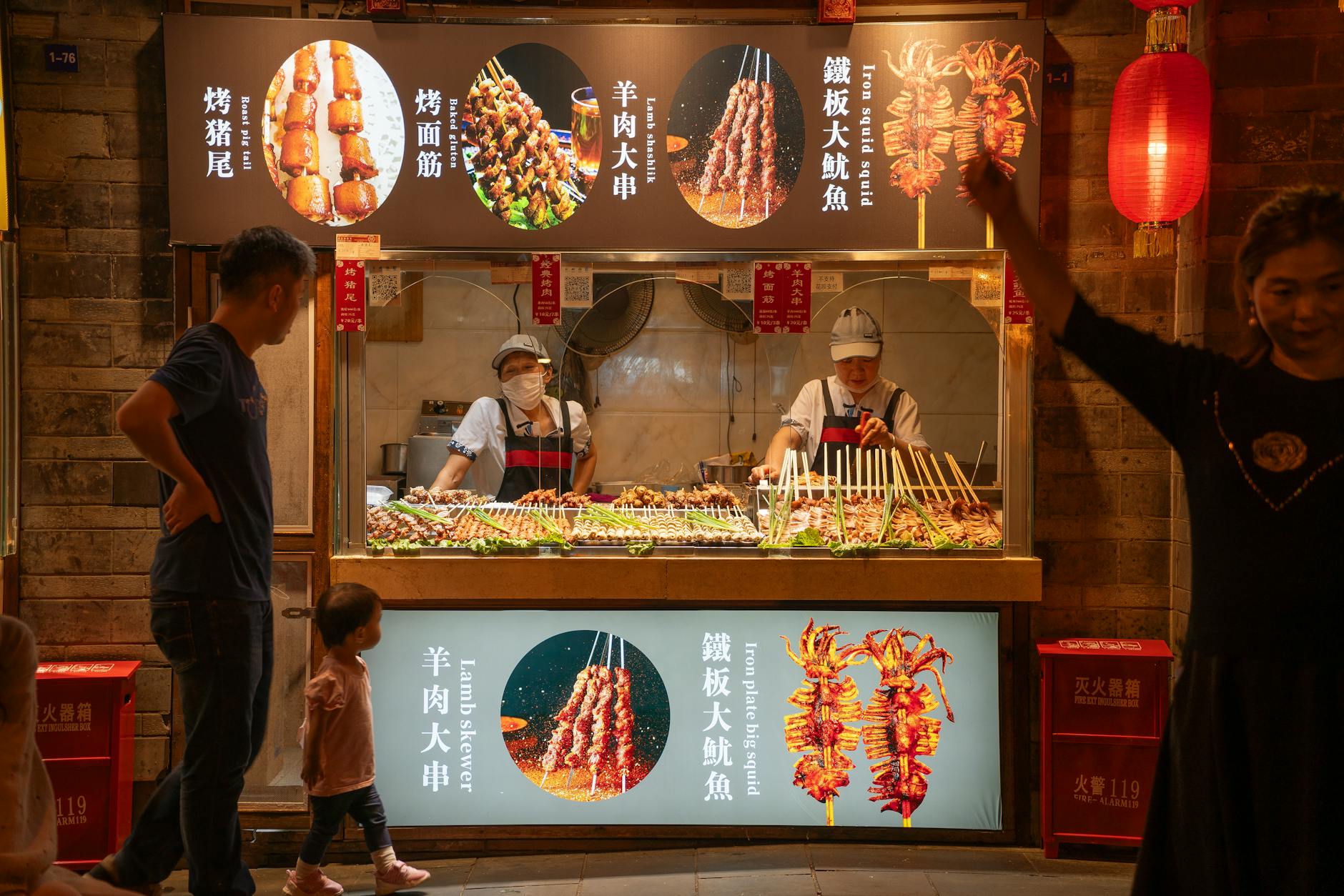
- Three Cannon Snack (三大炮)Watch them slam the mochi into bean powder
- Dan Dan Noodles (担担面)Sichuan classic; numbing-spicy minced pork
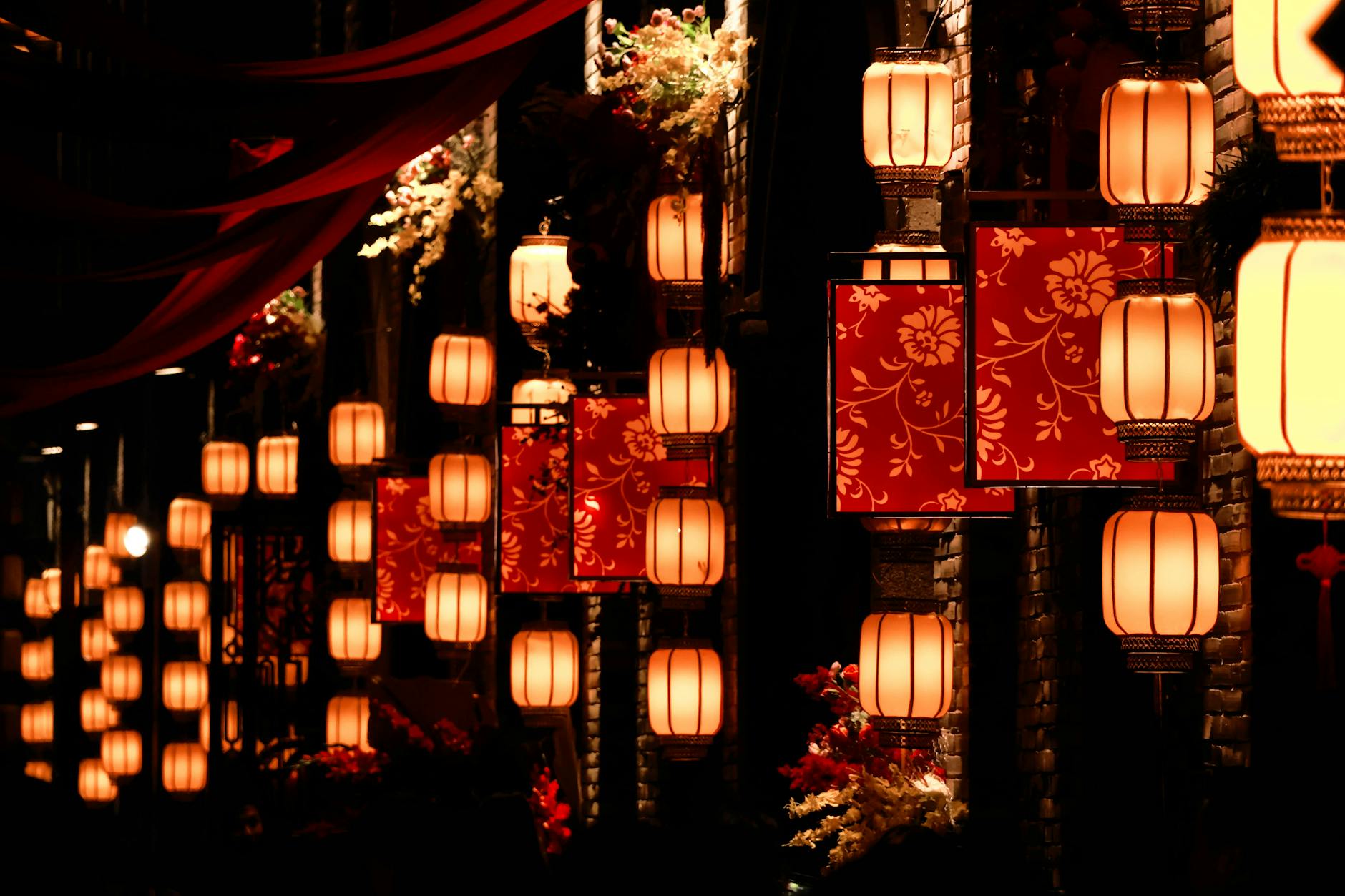
- Evening Lantern WalkBest photos 6-9 PM
What Chinese travelers actually do here
Distilled from Chinese-language travel notes — the practical tips most English guides miss.
- Come after 6 PM when the red lanterns switch on; daytime is flat and washed-out, and the lantern-lit walk is the whole reason to bother.
- The Wuhou Shrine entrance literally connects to Jinli, so do the shrine first by day, then drift into the street as the lanterns warm up.
- Watch the three-cannon (san da pao) stall before buying: the cook slams the mochi into bean powder with three loud thumps, the snack’s whole point.
- Treat the souvenir shops as scenery, not shopping. The trinkets are generic tourist stock; your money is better spent at the snack stalls.
- Ninety minutes covers a proper food crawl plus the photo walk. It is a 350-meter loop, not a half-day, so do not over-budget your evening.
- Carry some cash. The food stalls here are the old-school kind and not everything is set up for foreign cards.
- It pairs naturally with Kuanzhai Alley about 15 minutes away by metro, so chain them in one outing rather than two separate trips.
Photos
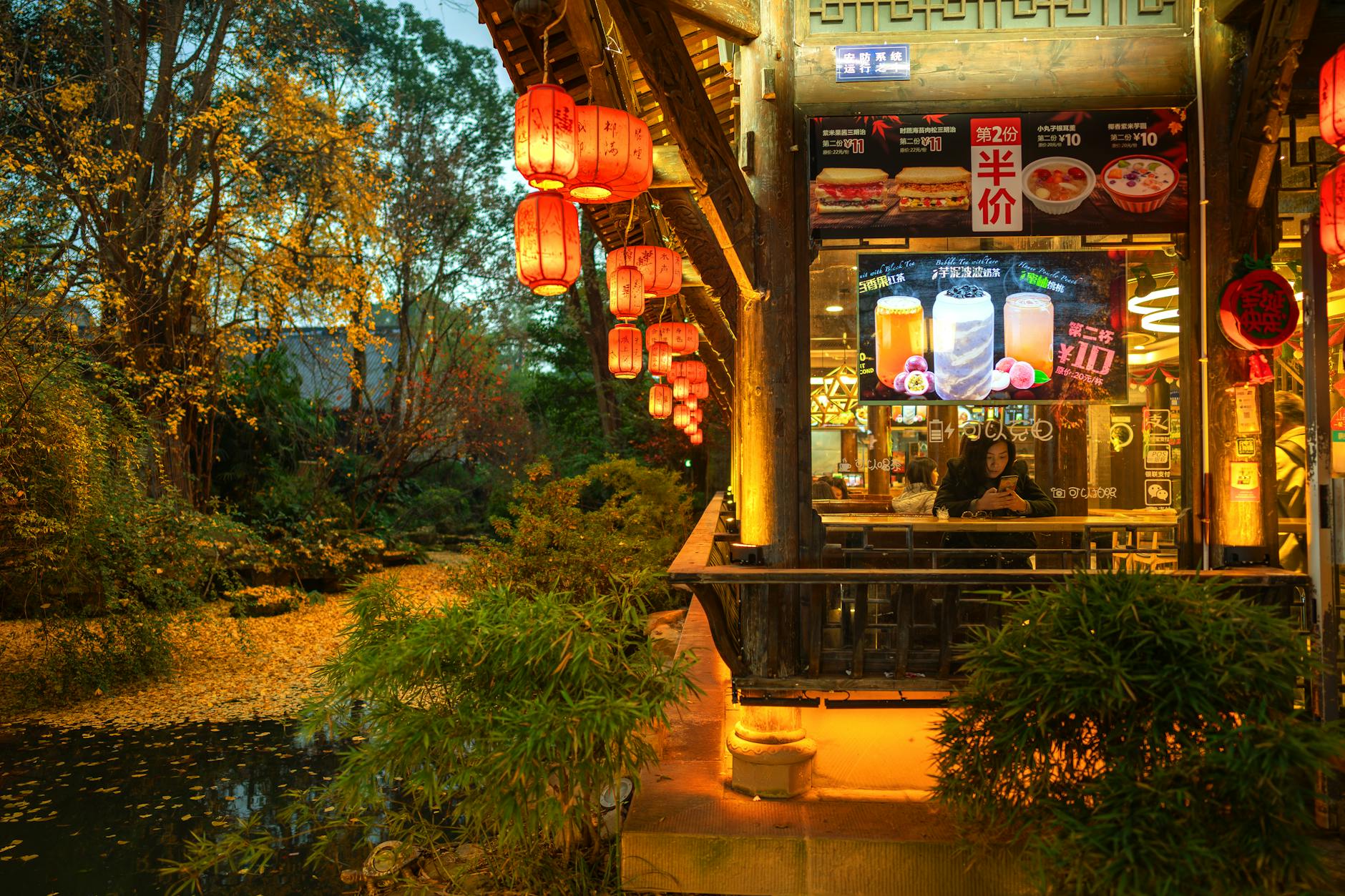

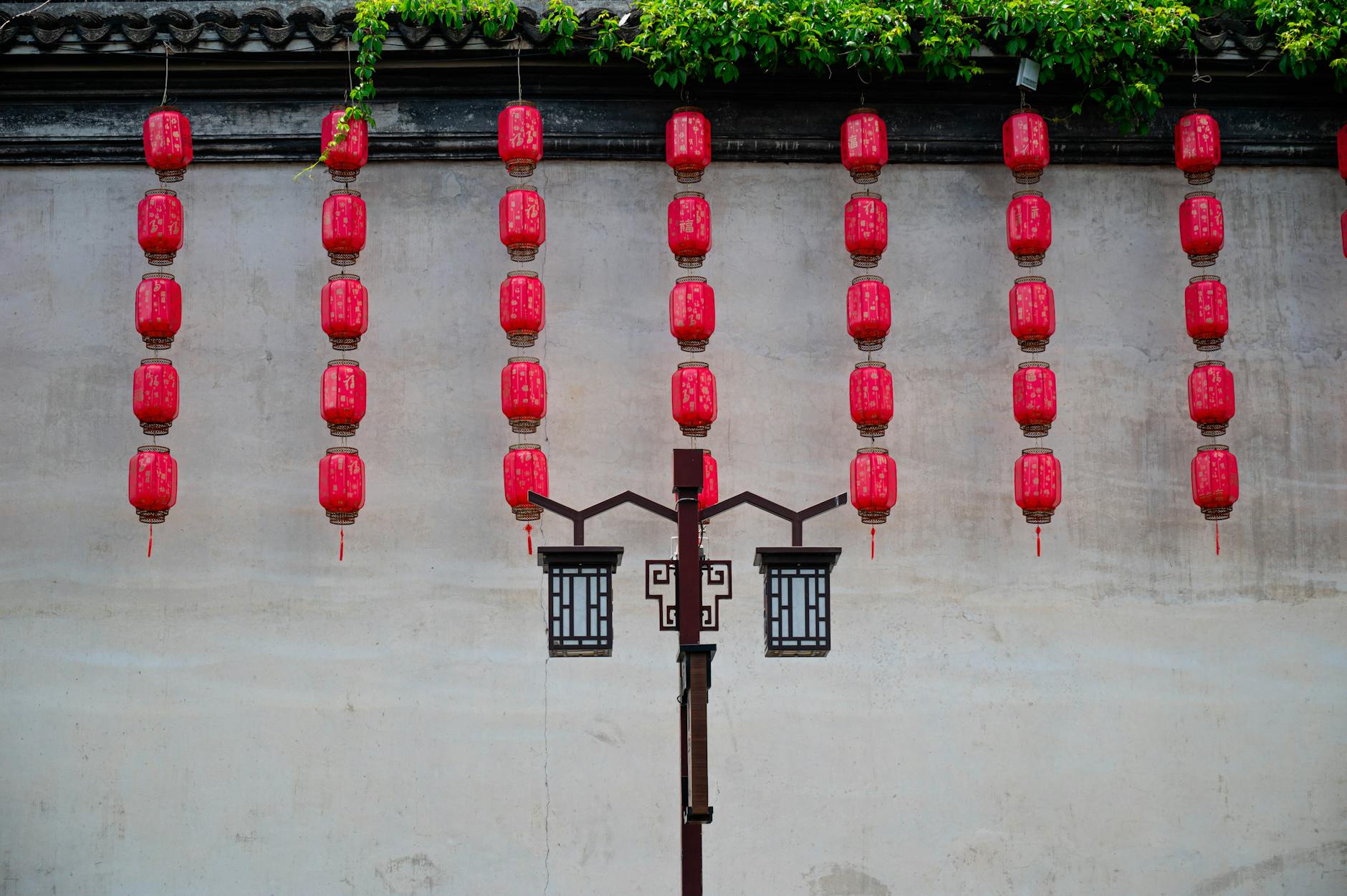
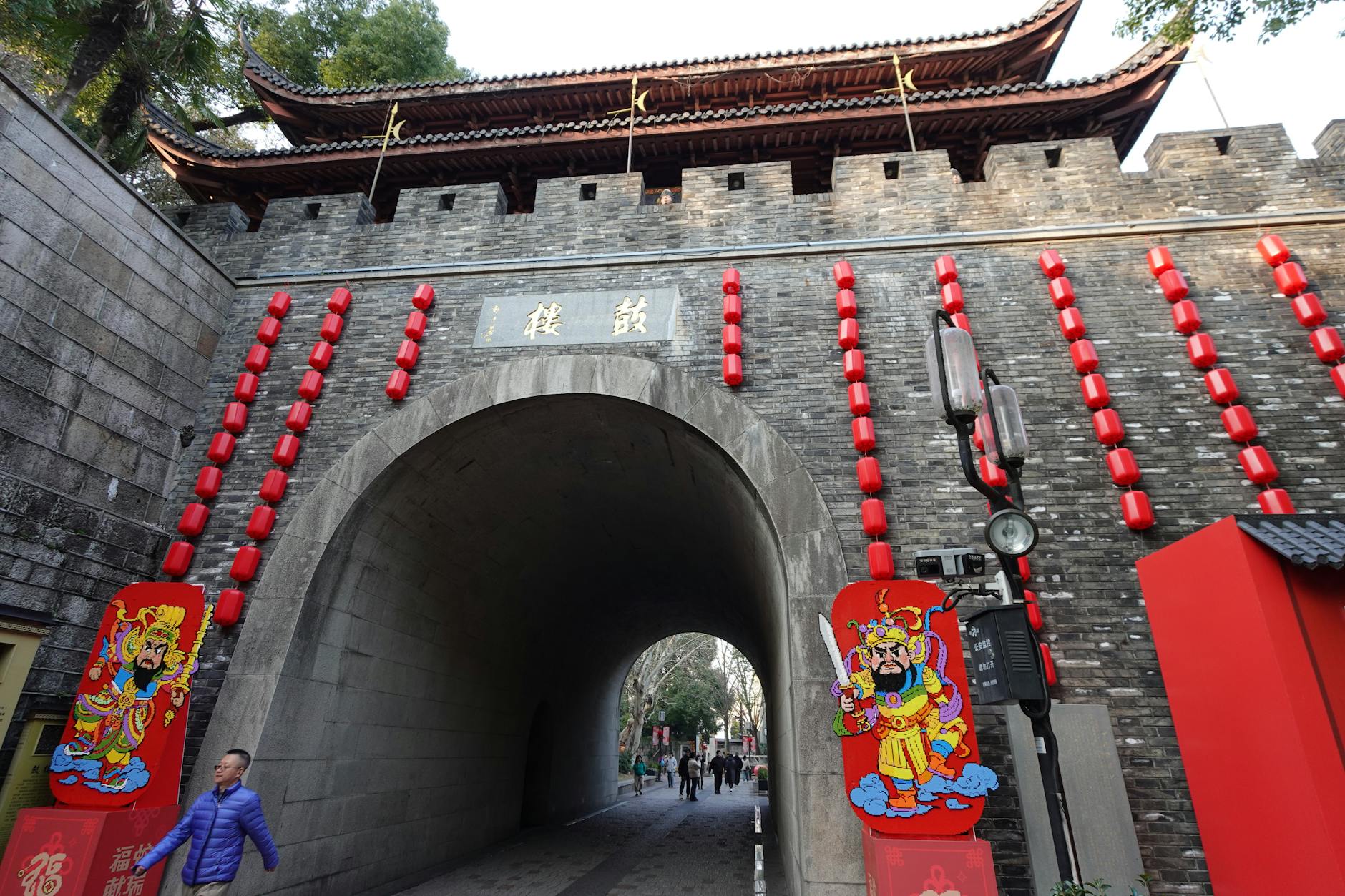
Show all 14 photosShow fewer




What visitors say about Jinli Ancient Street
Consistently praised: lantern-lit qing-style lanes packed with sichuan street snacks, folk crafts, and lively evening atmosphere
Most common gripe: weekend crowds and growing commercialization with stalls selling identical mass-produced souvenirs
Platform ratings as of 2026-07
Watch creators visit Jinli Ancient Street
Each clip is timestamped to the moment the creator arrives at this stop.
First Time in CHENGDU, CHINA! 🇨🇳 | Jinli Ancient Street, Leshan Giant Buddha & Sichuan Cuisine
Nic and CatStarts at 6:10
Best Things To Do in Chengdu China Travel Guide 2026 4K
Island Hopper TVStarts at 4:00
Frequently asked questions about Jinli Ancient Street
- What is Jinli Ancient Street in Chengdu known for?
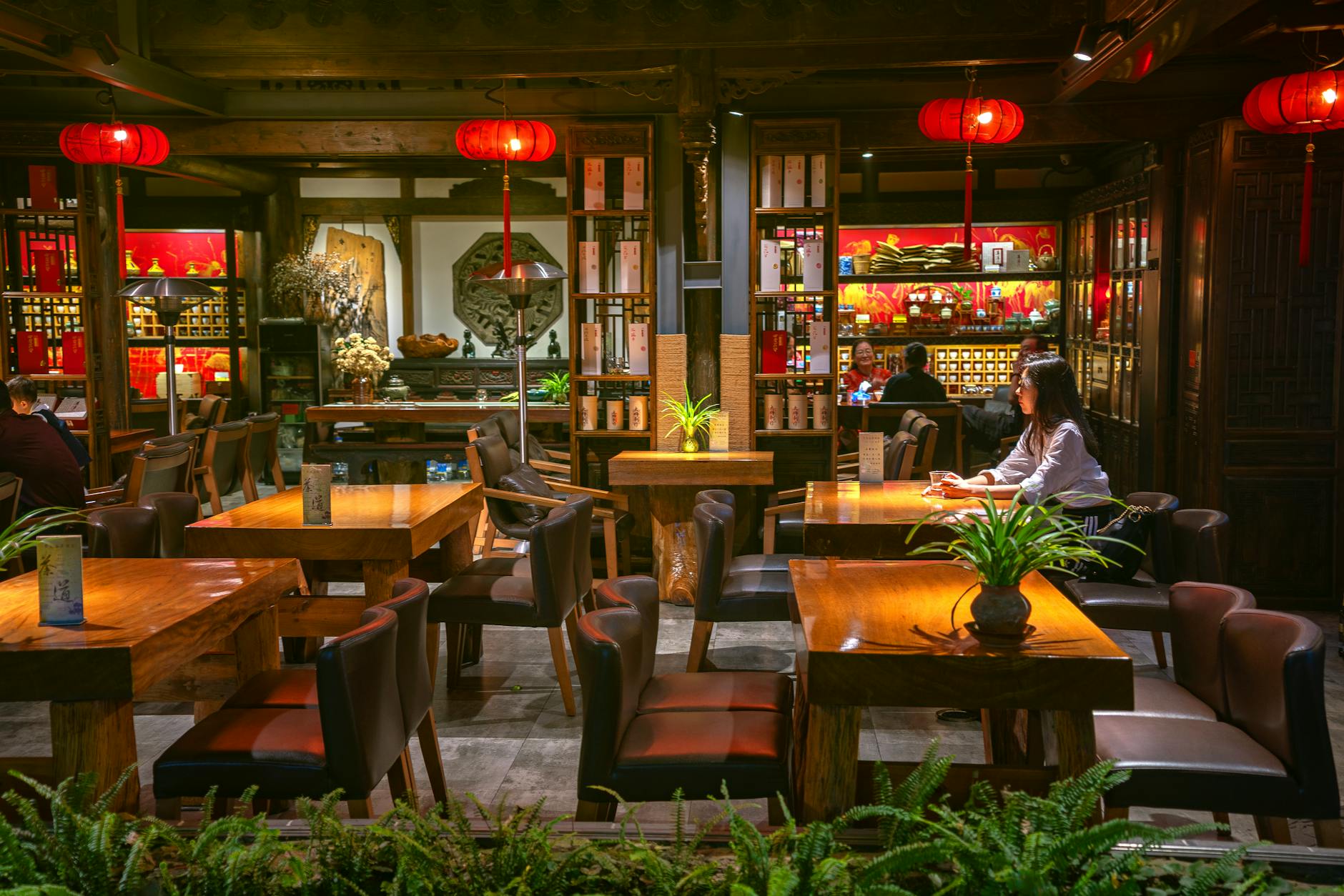
- Jinli is Chengdu’s most famous restored ancient street — 550 meters of Qing-dynasty wooden buildings adjacent to the Wuhou Shrine (Three Kingdoms temple). It is known for Sichuan street food, tea houses, traditional crafts, and shadow-puppet shows. The street has roots back to the Han dynasty (over 1,800 years), making it among the oldest commercial corridors in southwest China. Free entry; the Wuhou Shrine next door charges ¥60.
- What food should I try on Jinli Ancient Street?
- Top picks: san da pao (three big cannons — fried glutinous rice balls thrown at gongs), Zhong dumplings in chili-garlic sauce, dan dan noodles, rabbit head (a Chengdu specialty — spicy and snack-sized), pork rice-cake skewers, and Sichuan-style fragrant-and-spicy crayfish. Average snack price ¥10–25 per item; budget ¥80–120 per person to taste 6–8 dishes. Most stalls accept Alipay or WeChat Pay; some still take cash.
- How do I get to Jinli Ancient Street from downtown Chengdu?
- Metro Line 3 to Gaoshengqiao station, then a 15-minute walk west — Jinli is signed throughout. Metro Line 5 to Yongfeng station gives a slightly shorter walk. Bus 1 from Tianfu Square stops at Wuhouci Daijie. Didi from Chunxi Road takes 12 minutes (around ¥18). The street pairs naturally with Wuhou Shrine (5 minutes’ walk) and Kuanzhai Alley (15 minutes by metro).
- When is the best time to visit Jinli Ancient Street?
- Evening 6:00–10:00 PM is the sweet spot — the red lanterns light up, street performers (shadow puppets, face-changing opera teasers) begin, and the night-market food stalls peak. Daytime works for the Wuhou Shrine combo but feels less atmospheric. Avoid Spring Festival week (Feb), May Day (May 1–5), and National Day (Oct 1–7) — Jinli becomes shoulder-to-shoulder.
- Should I visit Jinli or Kuanzhai Alley in Chengdu?
- Jinli leans tourist and food-focused — restored Qing buildings, dense street-food stalls, the Wuhou Shrine combo, more performances. Kuanzhai Alley (Wide-Narrow Alley) is residential-courtyard architecture from the Manchu Qing era, with more boutique cafés, craft shops, and slower pace. First-timers should do both — they are 15 minutes apart by metro. If forced to choose, Jinli for food and Kuanzhai for atmosphere.
More in Chengdu

Plan your Chengdu trip
- Chengdu vs Chongqing Hotpot — The Real DifferenceItineraries · 8 min read
- Chengdu vs Chongqing — Which Sichuan City Should a First-Timer Pick?Itineraries · 9 min read
- China High-Speed Rail (Gaotie) — The 2026 Foreigner’s GuideTransit · 11 min read
- Does Google Maps Work in China? (No — Here’s What Does, 2026)Internet & Apps · 9 min read
- China Trip Pre-Departure Checklist — The 30-Day TimelineVisa & Entry · 10 min read
- 240-Hour Visa-Free Transit to China — 2026 GuideVisa & Entry · 11 min read
- How to Use Alipay as a Foreigner in China — 2026 GuidePayments · 11 min read
Trip.com link earns us a small commission · disclosure