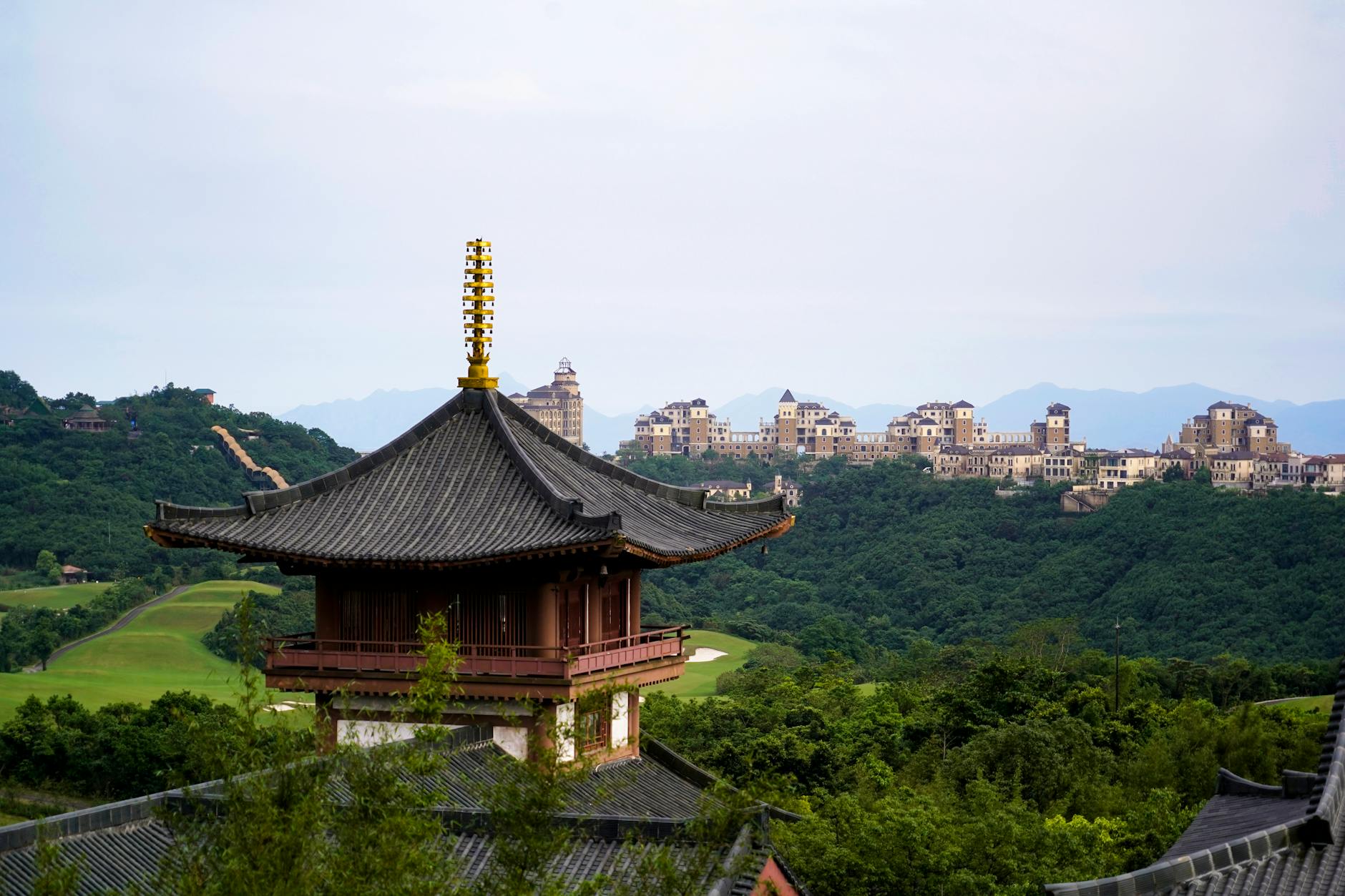
A 1,700-year-old walled town hidden inside modern Nanshan — boutique cafés and indie galleries reborn behind Ming-era stone gates.
At a glance
- What it is
- Heritage Site
- Also known as
- 南头古城 (Nántóu Gǔchéng)
- Opening hours
- Always open
- Time needed
- 2-3 hours
- Best time to visit
- Late afternoon into evening (cafés open, walls lit)
- Getting there
- Metro to the door
- English
- English tours available
- Cards accepted
- Visa, Mastercard
- Entry
- Walk-in — no booking
- Wi-Fi
- Free Wi-Fi
- Address
- 18 Zhongshan East Road, Nanshan District, Shenzhen · 南山区中山东路18号
Nantou Ancient City map & getting there
Taxi / DiDi? Show the driver: 南山区中山东路18号 · 18 Zhongshan East Road, Nanshan District, Shenzhen
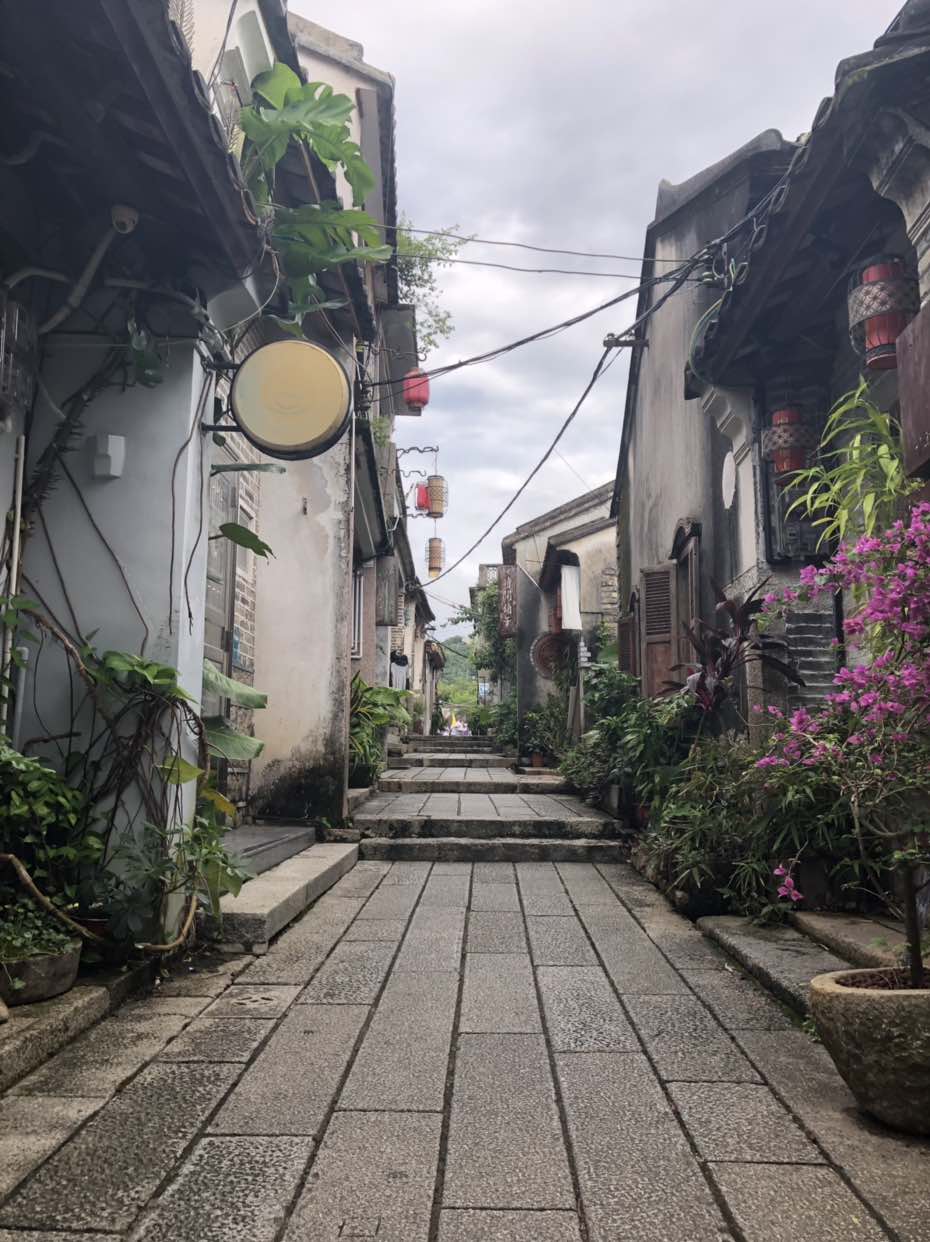
Nantou Ancient City is the oldest settlement in Shenzhen — founded as a Han Dynasty salt-tax outpost and walled in the Ming Dynasty (1394). By 2017 it had become an overcrowded urban village swallowed by Nanshan’s high-rises. A 2019 revitalization project by Urbanus Architects preserved the Ming gates and street grid while injecting design studios, indie galleries, craft beer, third-wave coffee, and pop-up exhibits. The result is one of the country’s most successful adaptive-reuse heritage districts: tourists in the morning, locals at night, no commercial-temple feel. Walk in via the South Gate, climb the wall, drift north for two hours, finish with dinner at one of the lane-house restaurants. Free entry; some museums charge 20-50 RMB.
Highlights
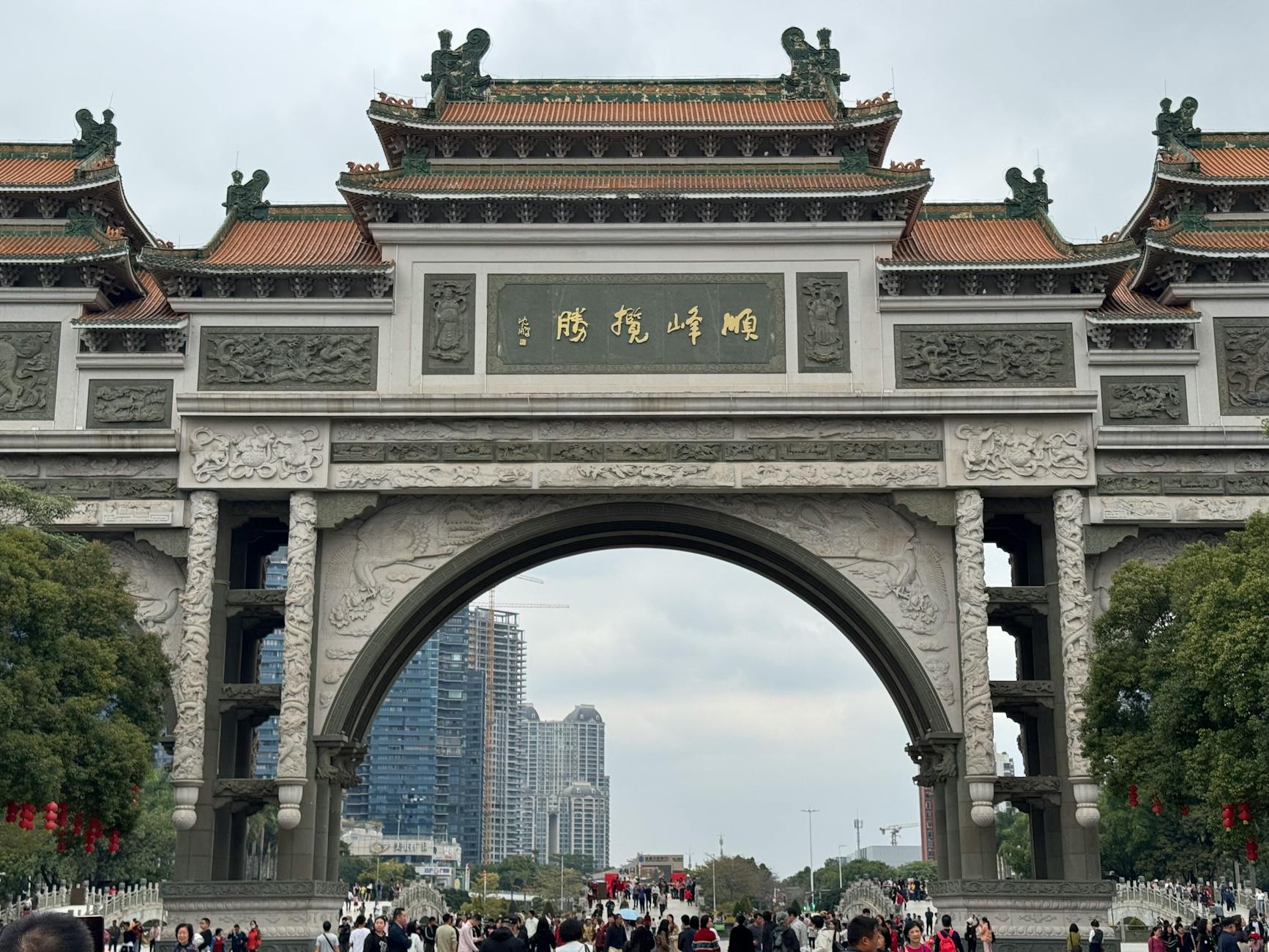
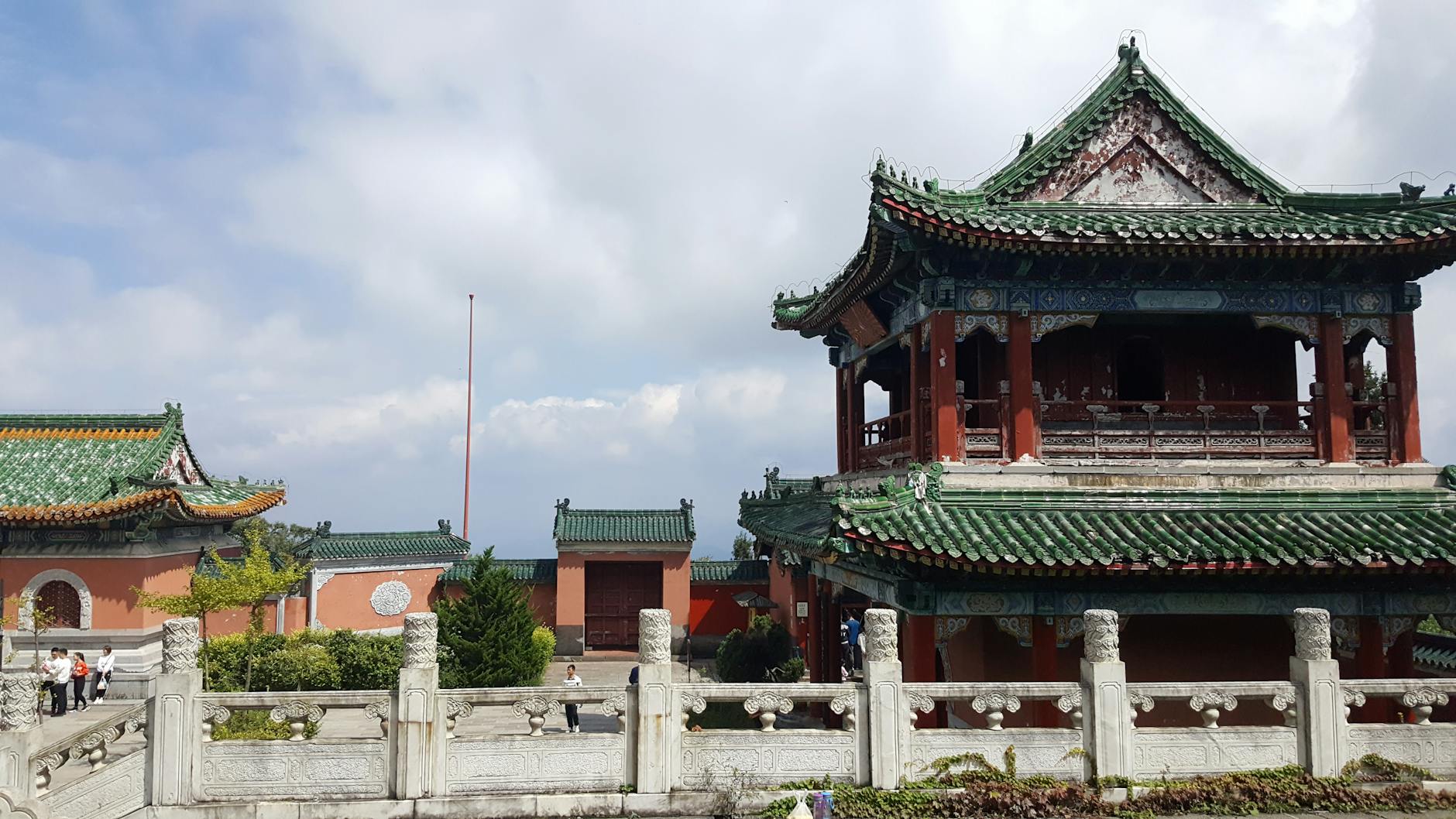
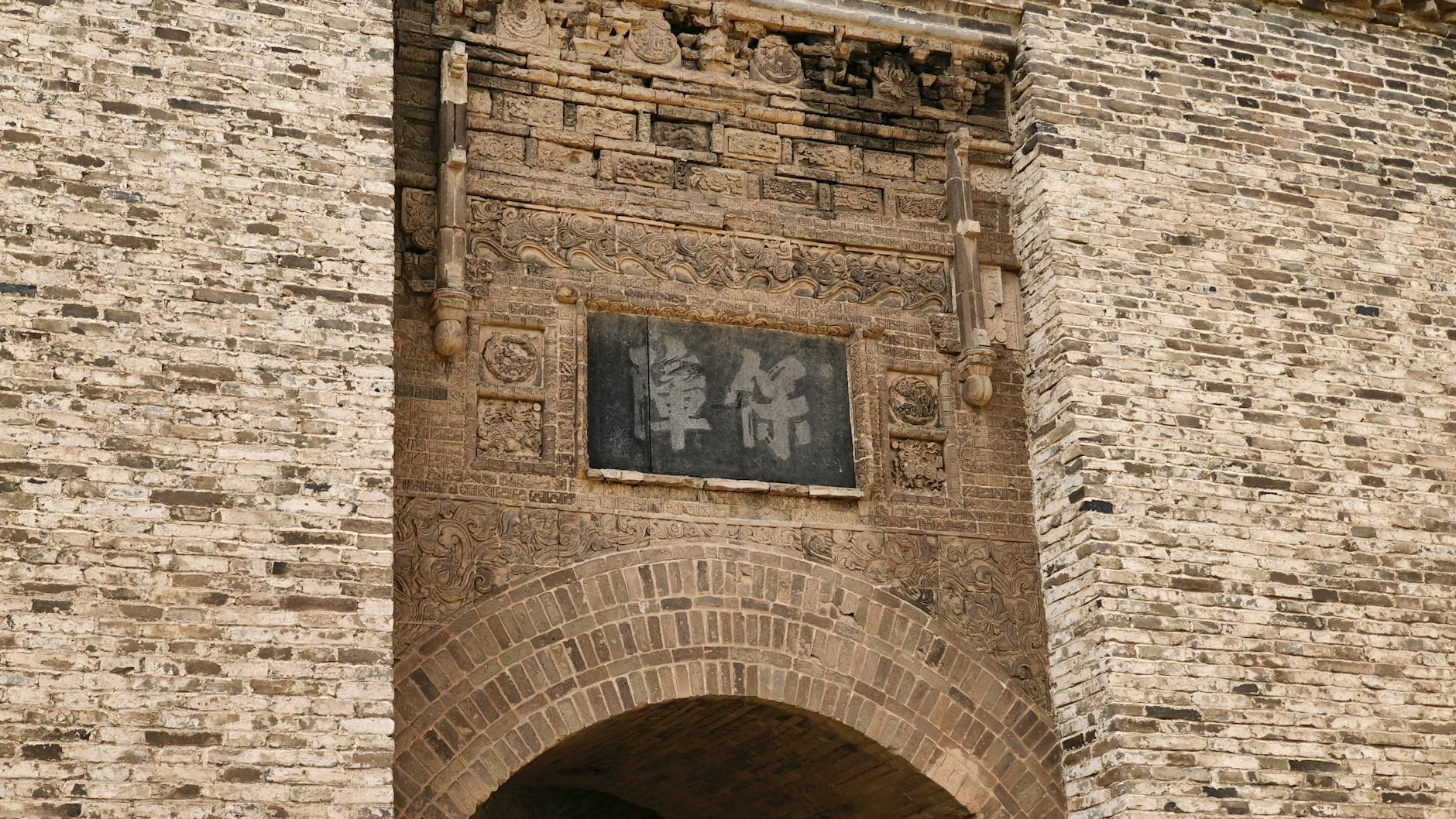
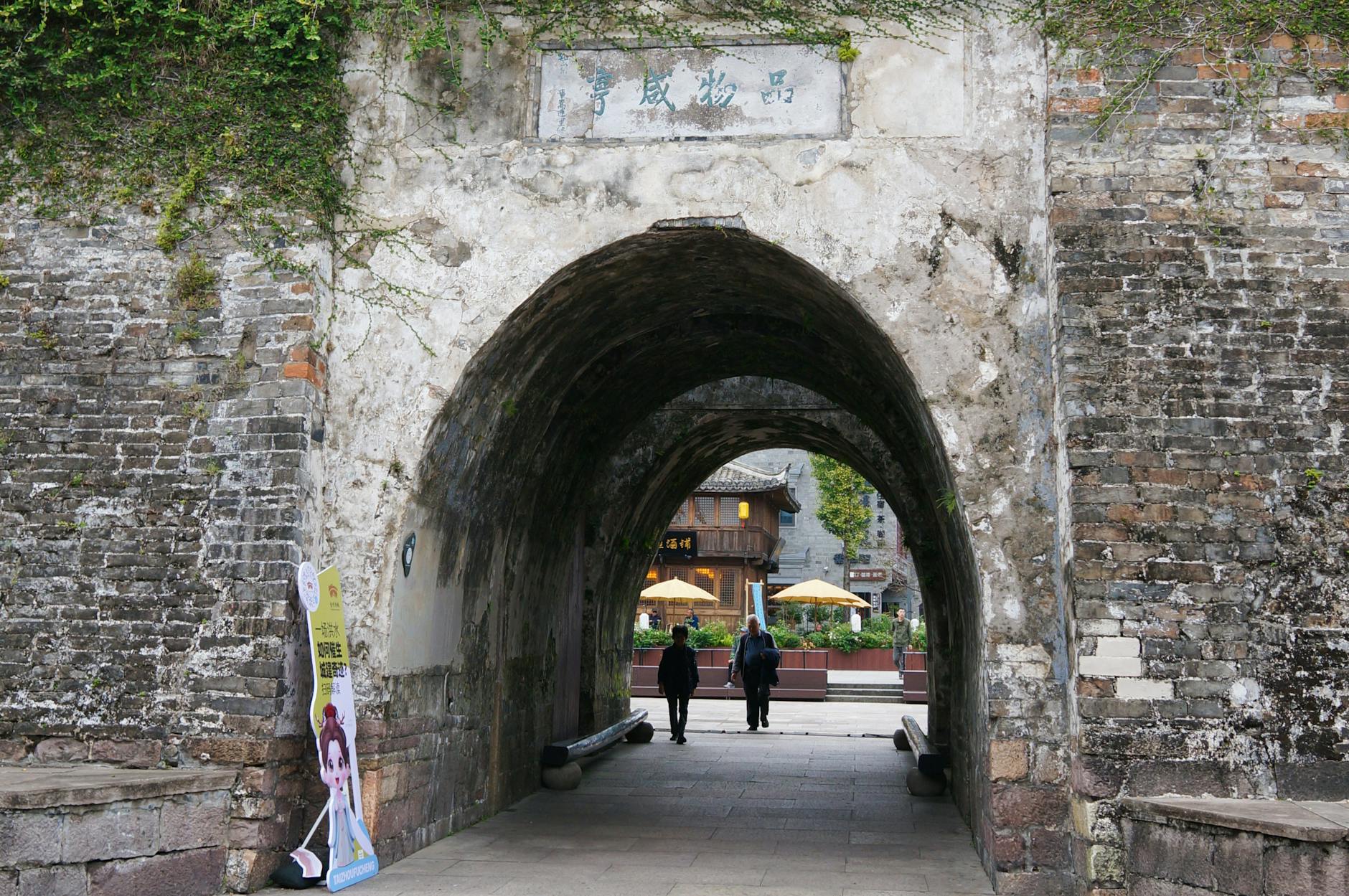
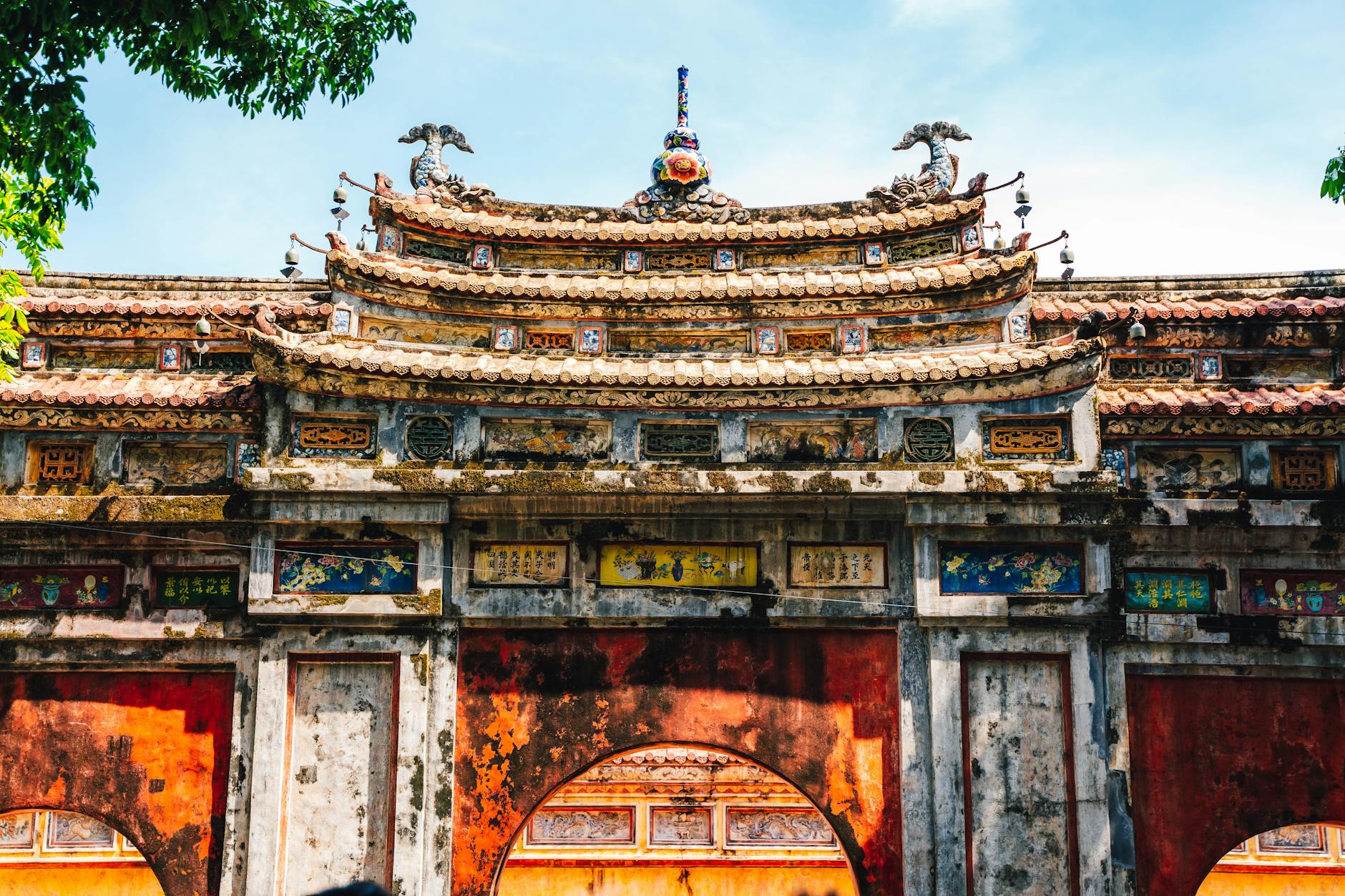
- South Gate (南门)Ming Dynasty stone gate, 1394; main photo spot
- Nantou wall walk200m restored section accessible from inside
- Design studios & indie galleriesUrbanus-curated tenants from 2020; rotates seasonally
- Lane-house restaurantsCantonese seafood, hand-pulled noodles, ramen — pick by the queue
What Chinese travelers actually do here
Distilled from Chinese-language travel notes — the practical tips most English guides miss.
- Enter via the South Gate, not the north side drop-off, so you hit the restored 200m wall walk first while light is good.
- Climb onto the restored wall section from inside the town; most visitors miss the stair access and never go up.
- Gallery and studio tenants rotate seasonally, so don’t chase a specific exhibit you read about online; just wander and discover.
- Weekday afternoons are near empty in the lanes; weekend evenings get packed once the bar crowd arrives.
- Pick a lane-house restaurant by the length of its queue rather than its English menu; the locals’ line is the honest signal.
- Bring a little cash; some indie stalls and smaller museums inside prefer it even though main cafés take Visa and Mastercard.
- Shoot the South Gate against the high-rises behind it for the old-versus-new contrast that defines this place.
Photos


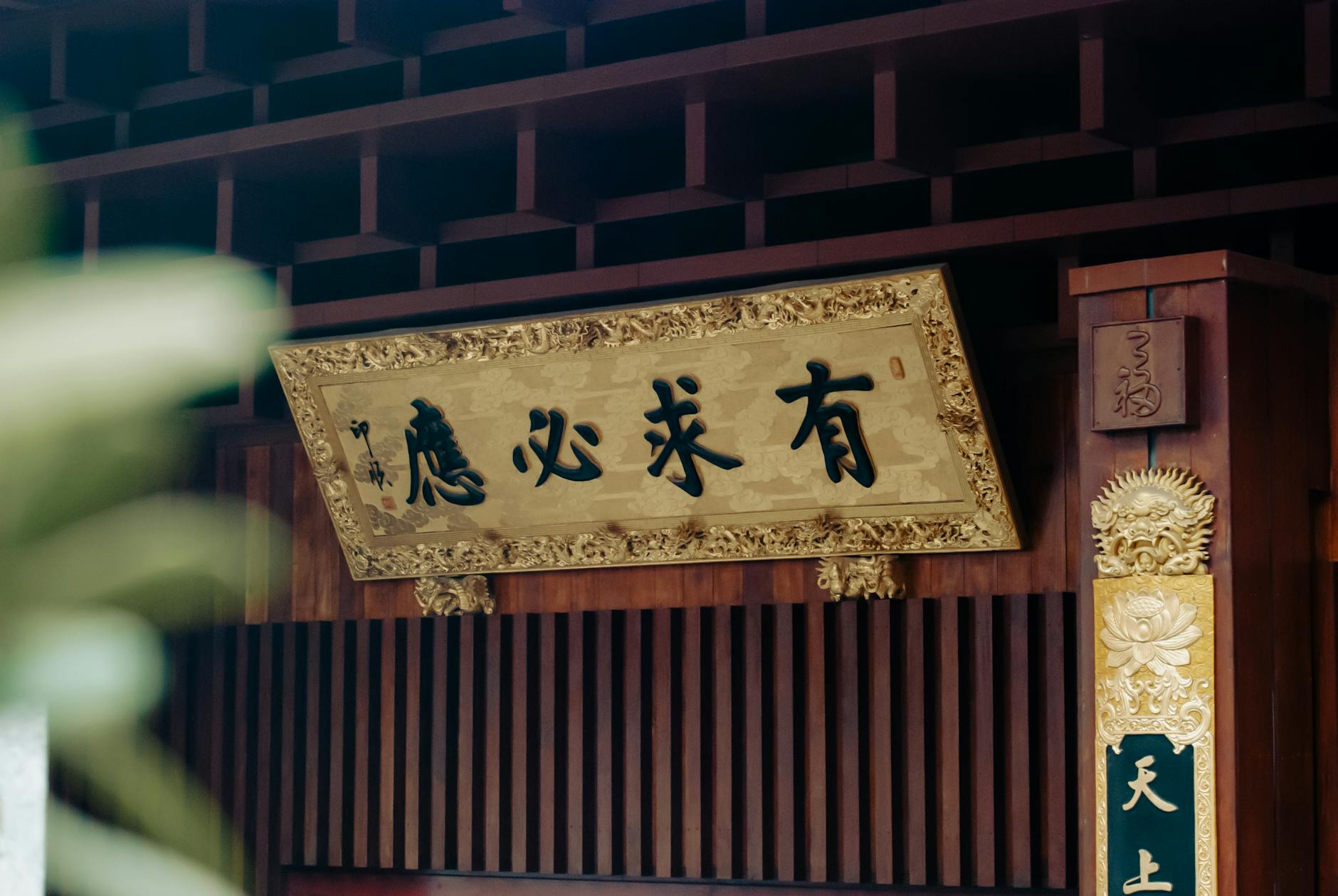
Show all 14 photosShow fewer

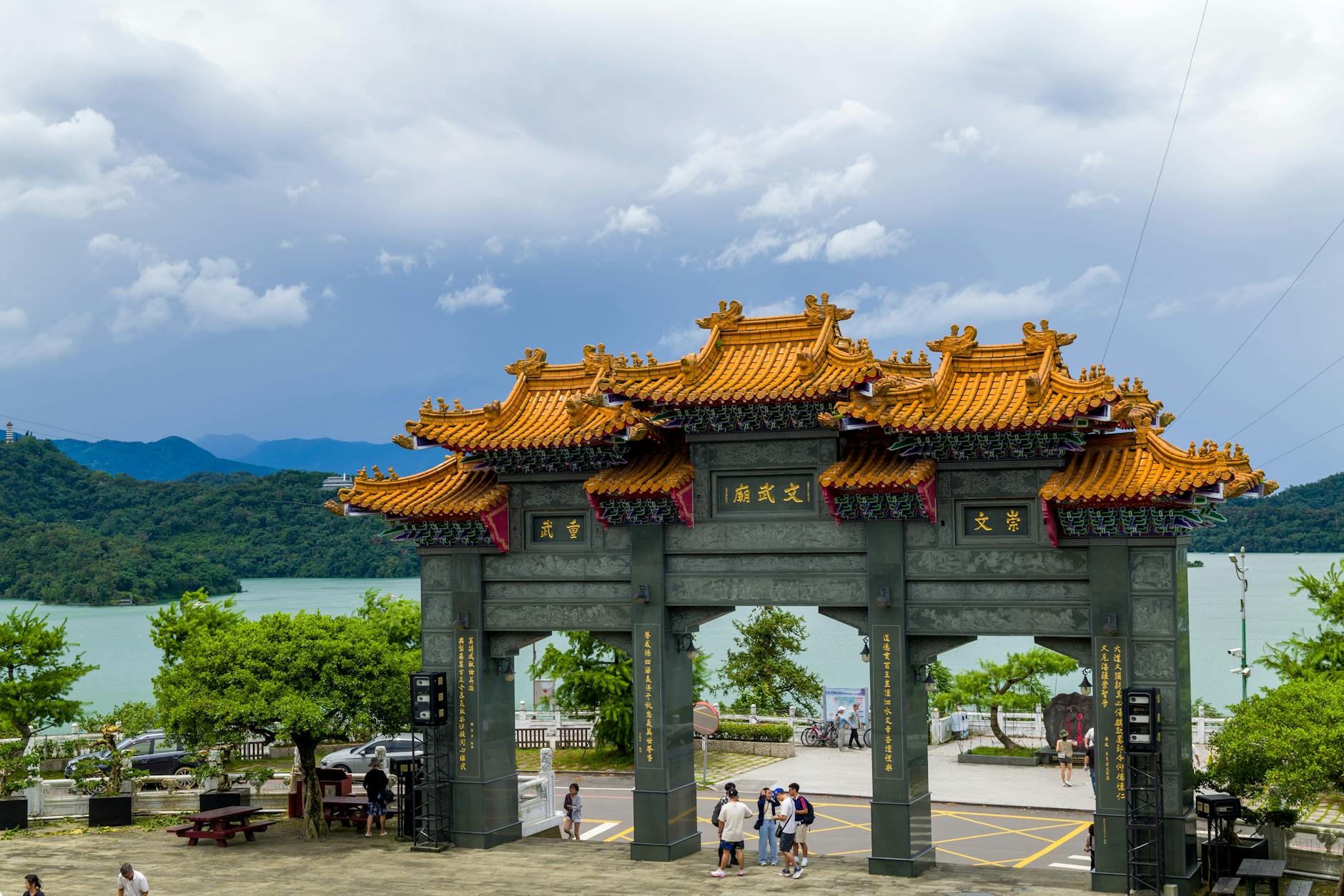
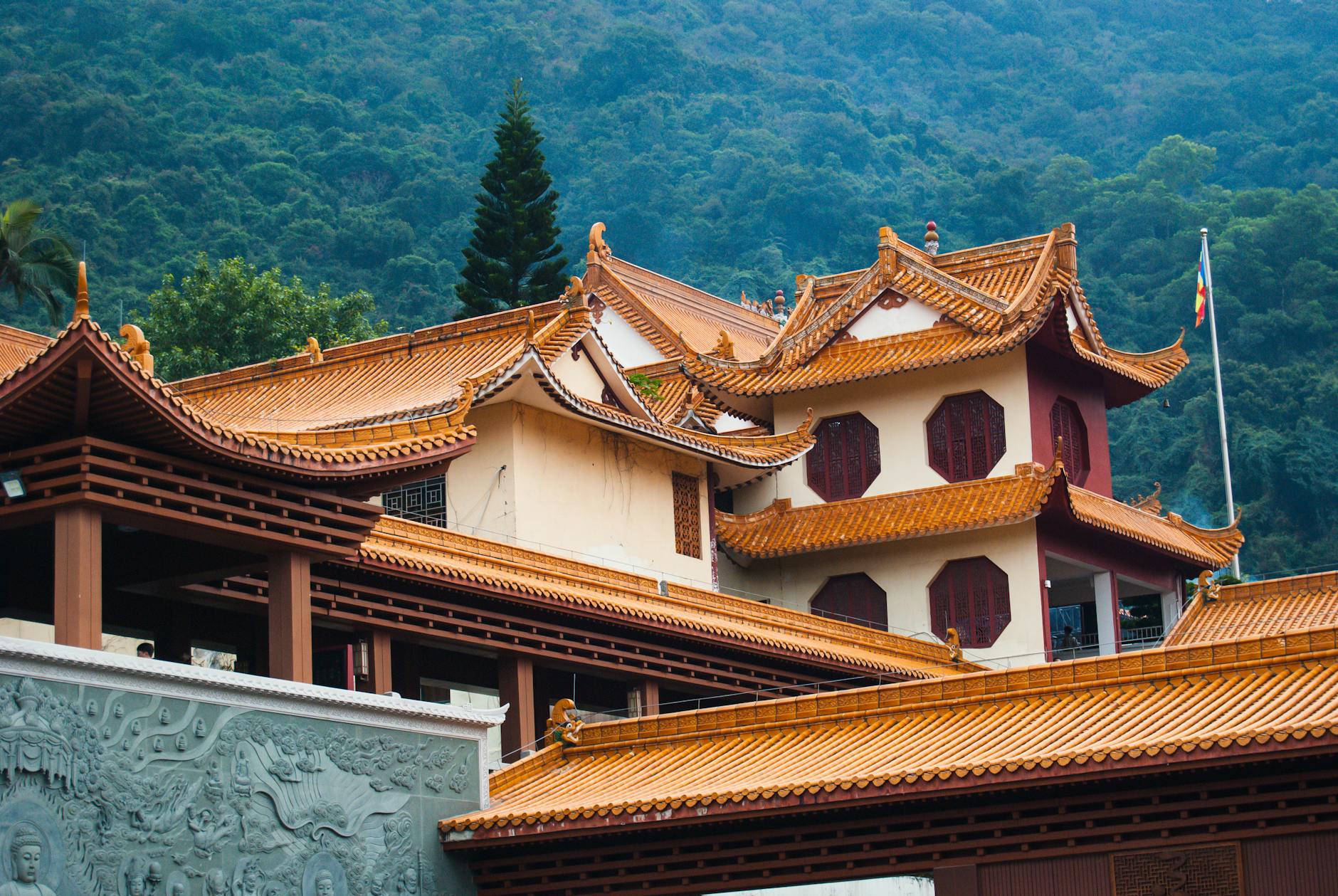
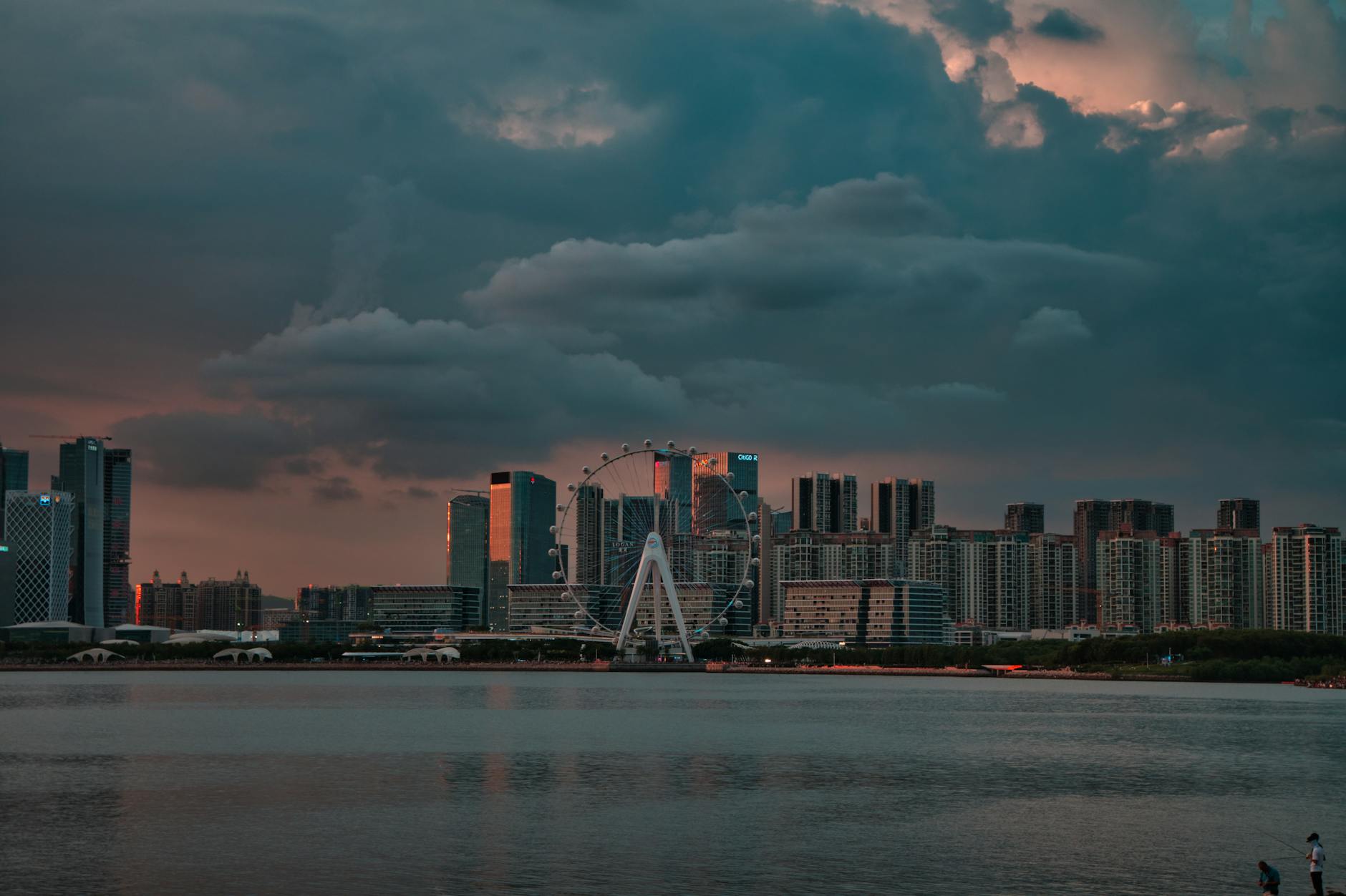
Watch creators visit Nantou Ancient City
Each clip is timestamped to the moment the creator arrives at this stop.
Don’t make this MISTAKE in China 🇨🇳 | Shenzhen to Hong Kong Vlog
DerekVisitsStarts at 0:30
An art, food and culture lover’s guide to Shenzhen 🇨🇳 | China Travel 2026
Sketch and RunStarts at 5:21
Frequently asked questions about Nantou Ancient City
- Is Nantou Ancient City free to enter, and how do I get there?
- Yes, entry to the walled town is free, though a few small museums inside charge roughly 20-50 RMB. It sits in Nanshan District at 18 Zhongshan East Road and is reachable directly by metro, so you don’t need a taxi. Walk in through the South Gate, the Ming-era stone arch from 1394.
- Is Nantou Ancient City worth visiting, or is it just another shopping street?
- It’s genuinely different. A 2019 Urbanus revitalization kept the Ming gates and old street grid while filling the lane houses with indie galleries, design studios, third-wave coffee and craft beer. There’s no fake-temple souvenir feel. Tourists come by day, locals fill the bars at night. Budget two to three hours.
- When is the best time of day to visit Nantou Ancient City?
- Late afternoon into evening is ideal. The cafés and galleries are open, the walls are lit after dark, and the crowd shifts from daytime sightseers to a relaxed local scene. Arrive around golden hour, walk the wall, drift north through the lanes, and finish with dinner at a lane-house restaurant.
More in Shenzhen


Plan your Shenzhen trip
- China High-Speed Rail (Gaotie) — The 2026 Foreigner’s GuideTransit · 11 min read
- Does Google Maps Work in China? (No — Here’s What Does, 2026)Internet & Apps · 9 min read
- WeChat Pay for Foreigners — The 2026 Setup GuidePayments · 9 min read
- China Trip Pre-Departure Checklist — The 30-Day TimelineVisa & Entry · 10 min read
- Do You Need a VPN for China? Legality, Setup Before You Fly, and What Breaks (2026)Internet & Apps · 13 min read
- China Travel Insurance Requirements 2026 — What You Actually NeedVisa & Entry · 10 min read
- 240-Hour Visa-Free Transit to China — 2026 GuideVisa & Entry · 11 min read