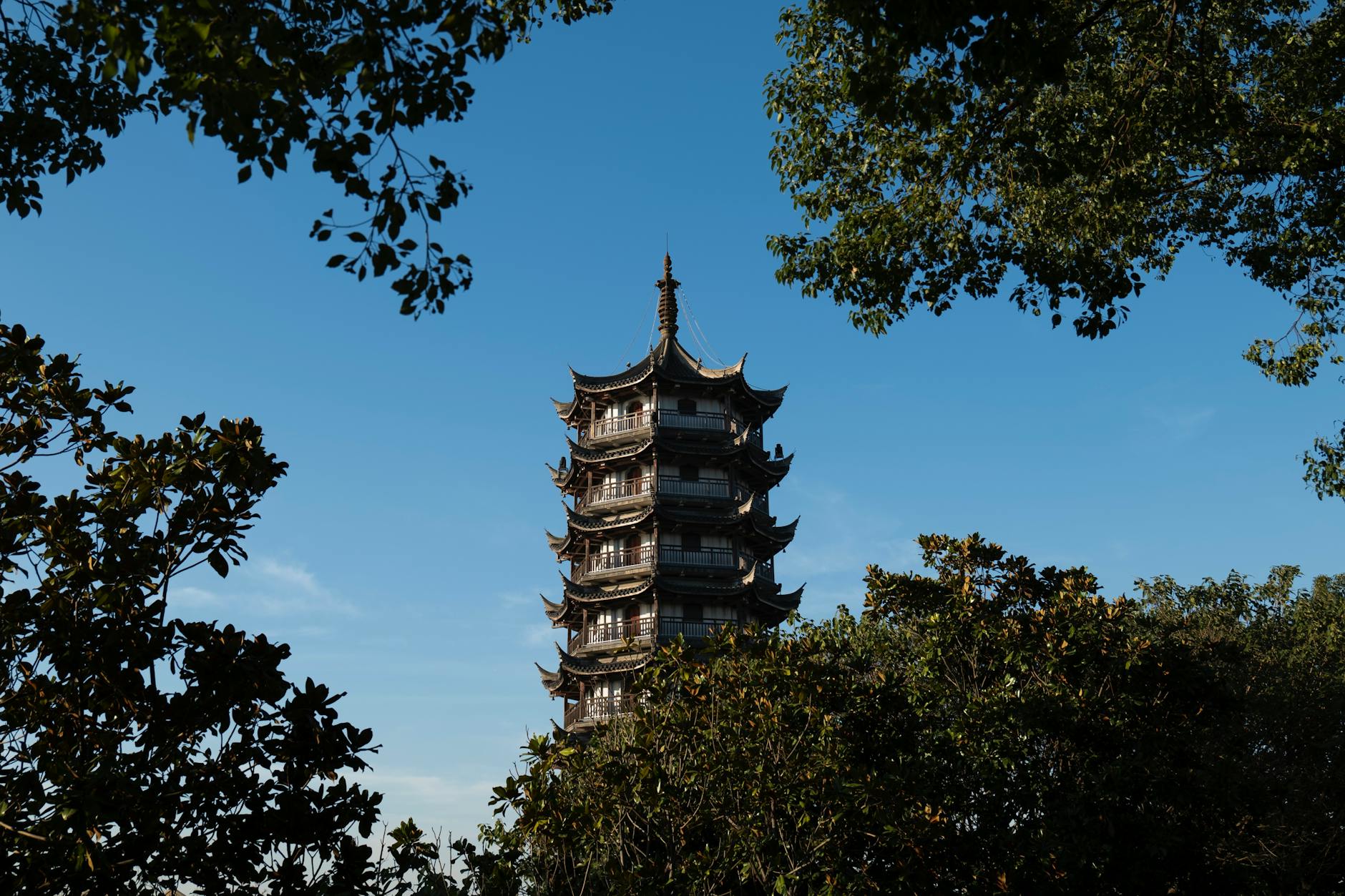
Shanghai’s oldest temple and its only surviving ancient pagoda, a brick-and-wood spire from 977 AD.
At a glance
- What it is
- Heritage Site
- Also known as
- 龙华寺 (Lóng Huá Sì)
- Opening hours
- 7 AM – 4:30 PM
- Time needed
- 1-1.5 hours
- Best time to visit
- Weekday mornings or for the spring temple fair
- Getting there
- Metro to the door
- English
- Little to no English
- Cards accepted
- Cash only
- Entry
- Walk-in — no booking · tickets & prices →
- Wi-Fi
- No public Wi-Fi
- Address
- 2853 Longhua Road, Xuhui District, Shanghai · 徐汇区龙华路2853号
See Longhua Temple tickets & tours
Trip.com link · we earn a small commission · disclosure
Longhua Temple map & getting there
Taxi / DiDi? Show the driver: 徐汇区龙华路2853号 · 2853 Longhua Road, Xuhui District, Shanghai
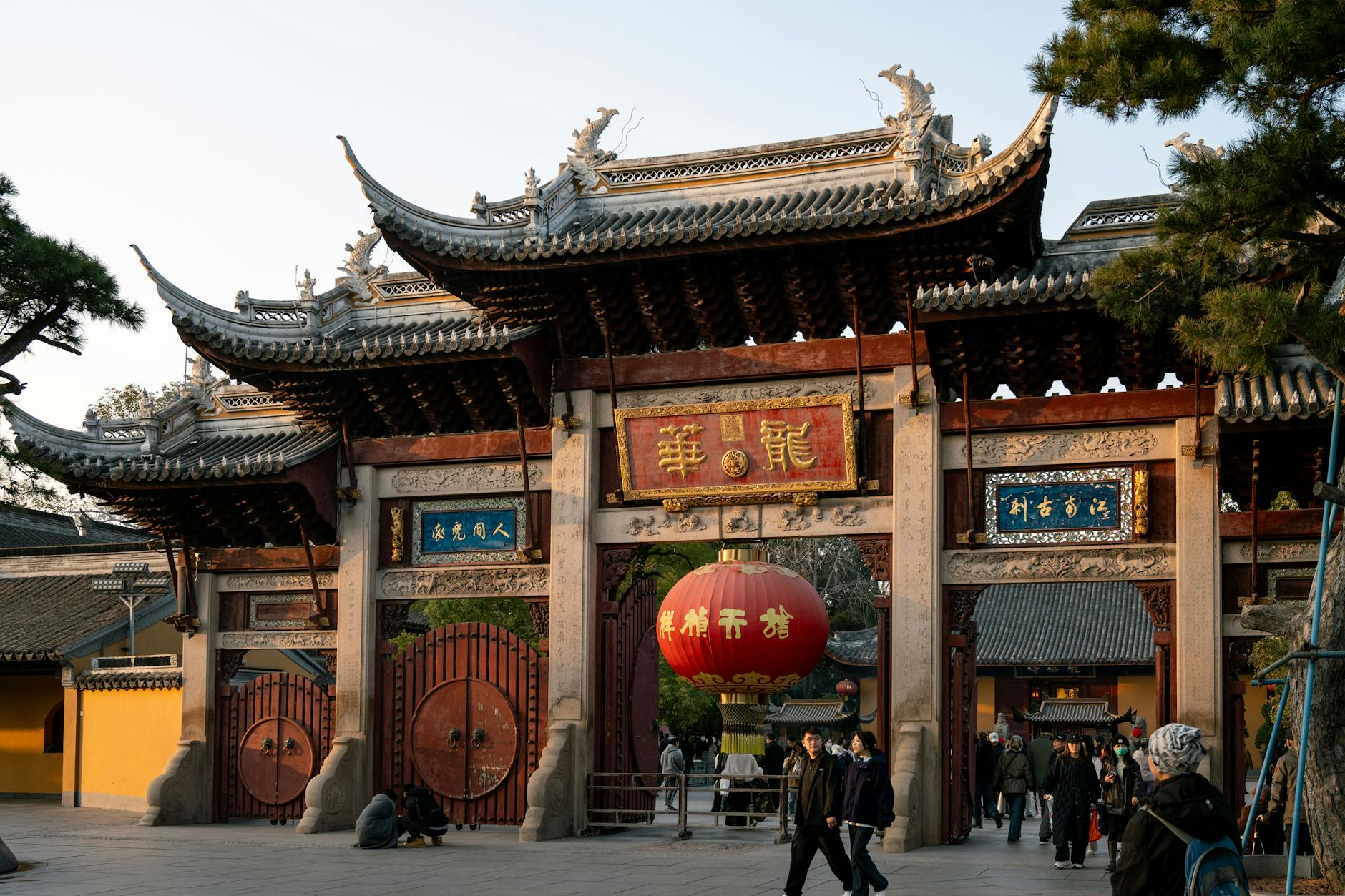
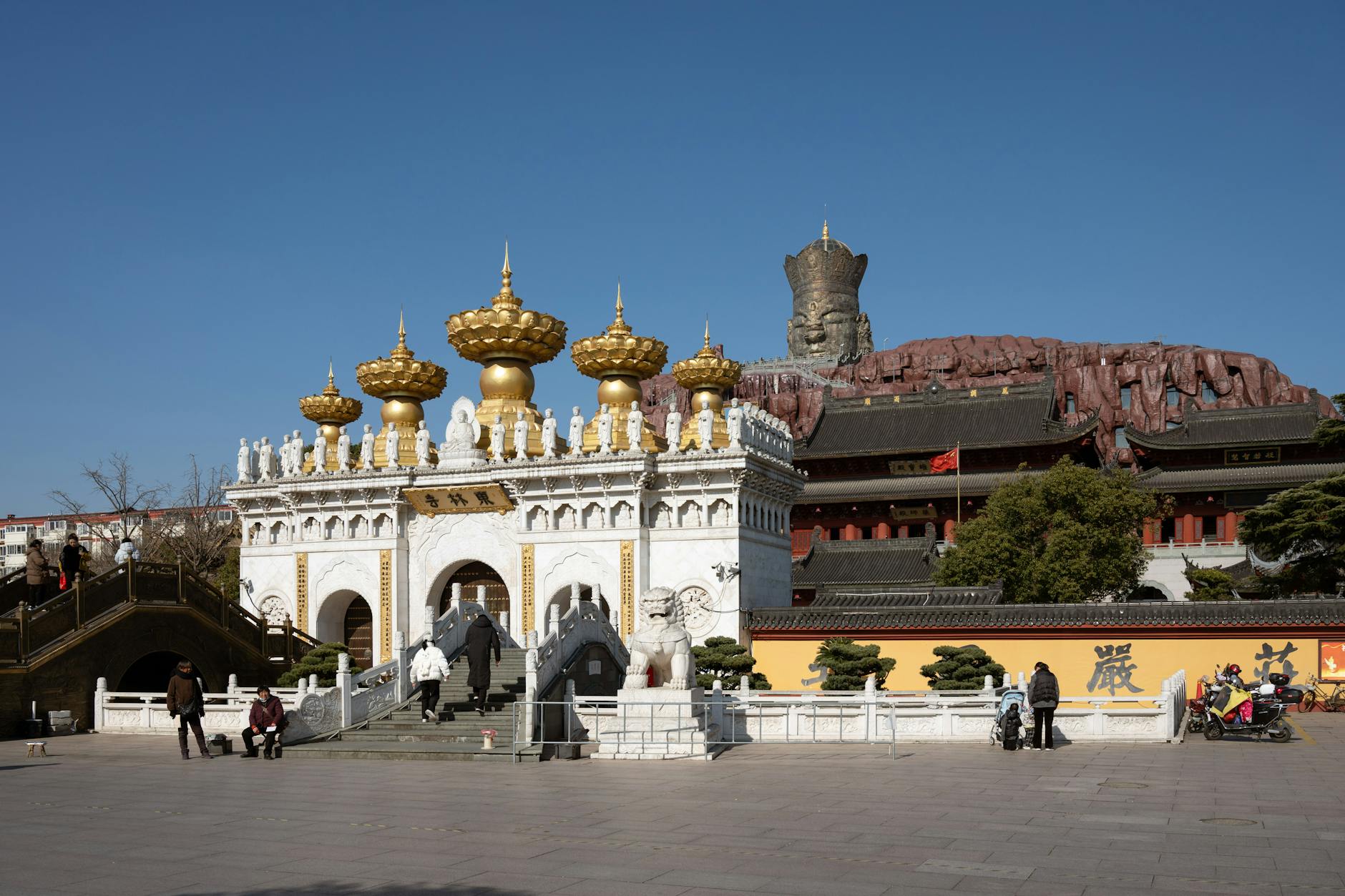
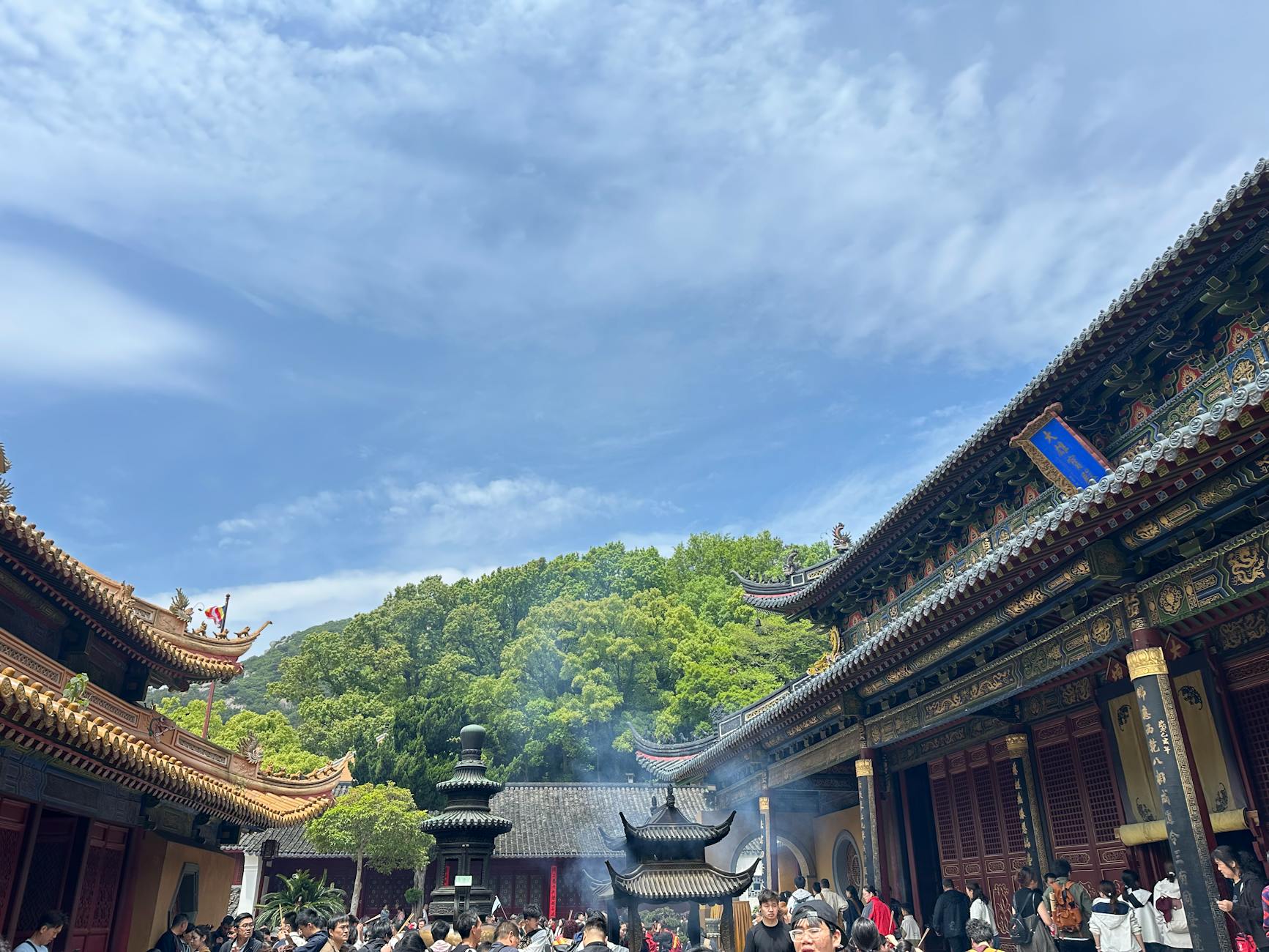
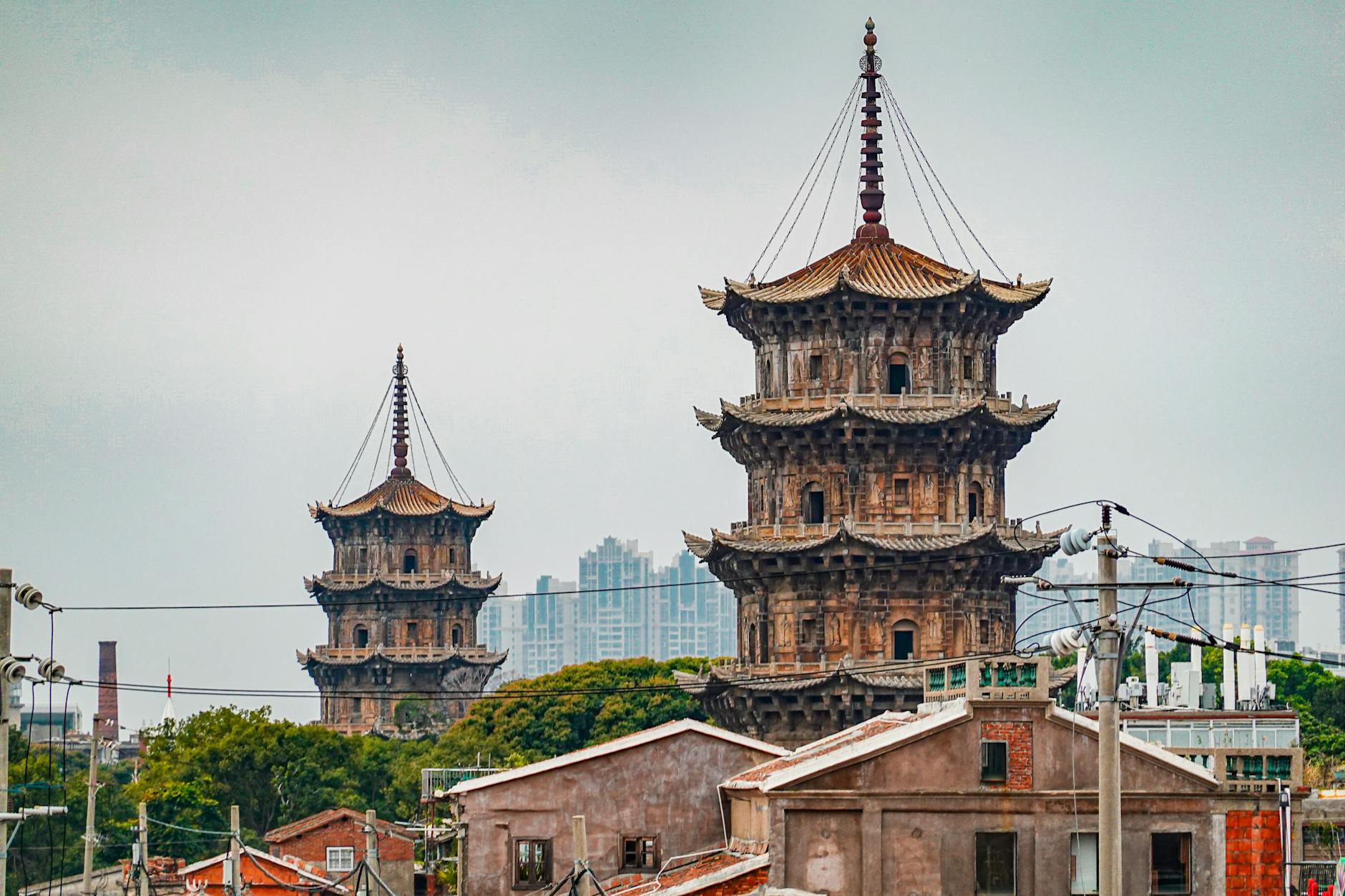
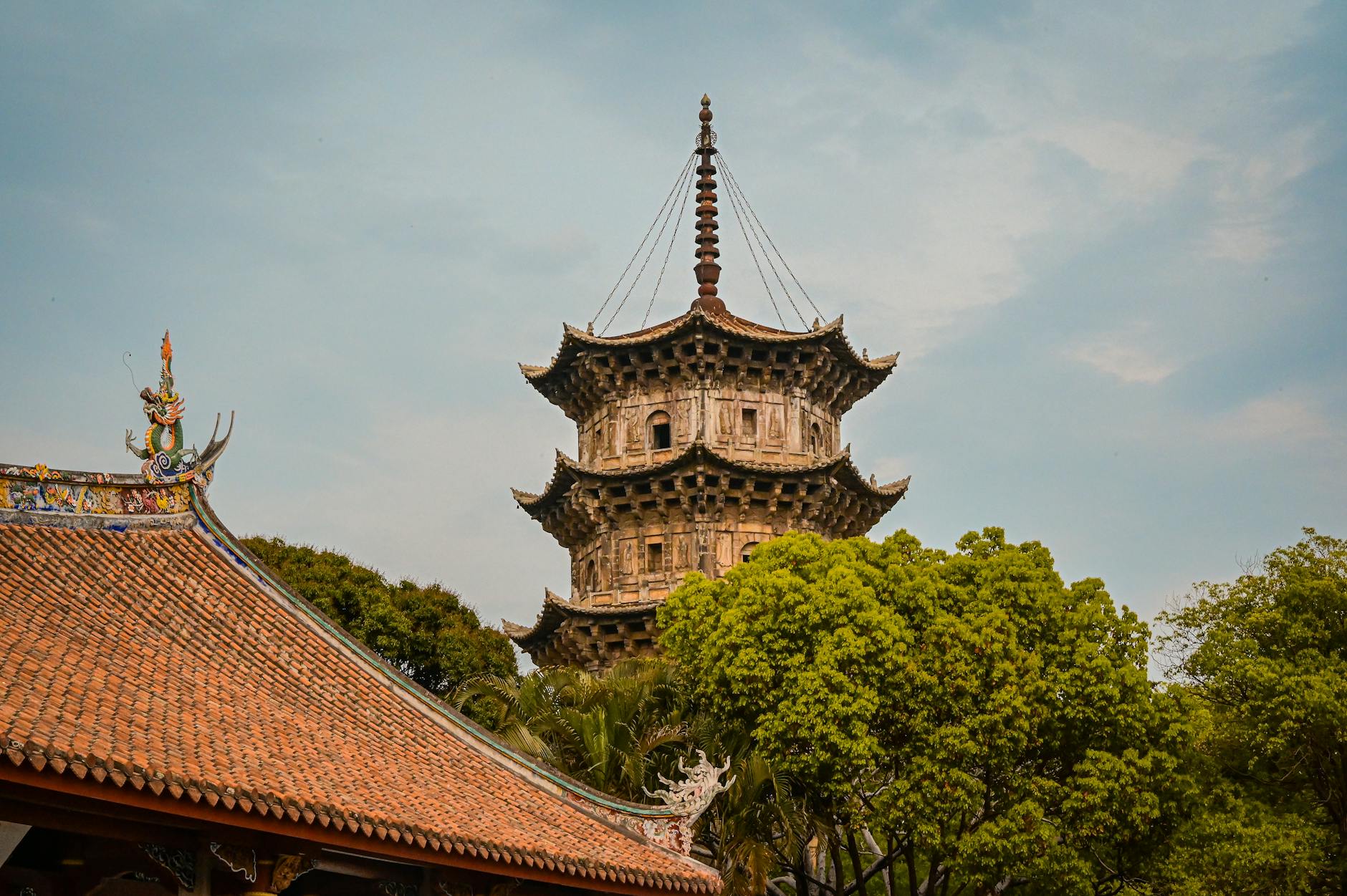
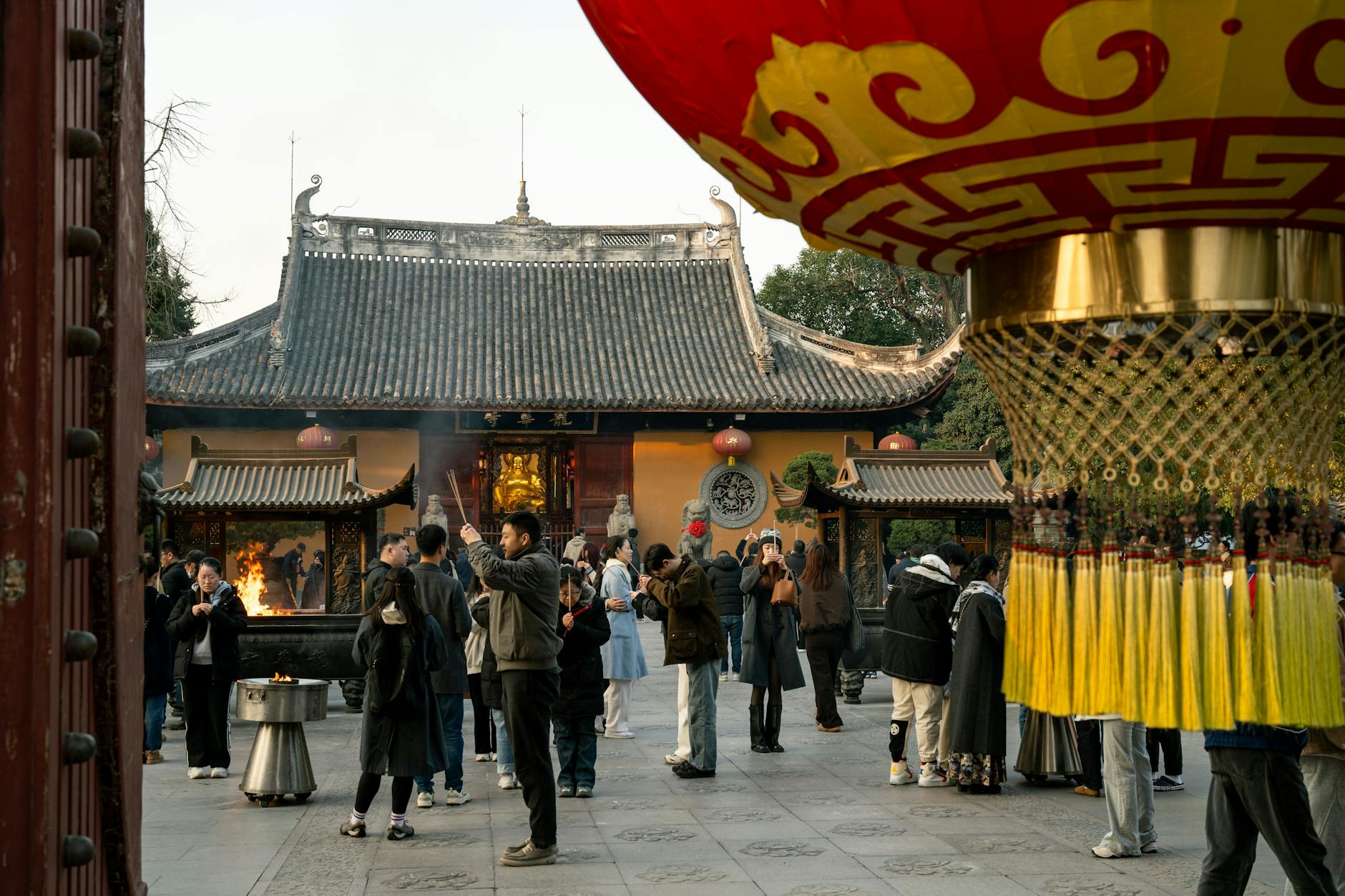
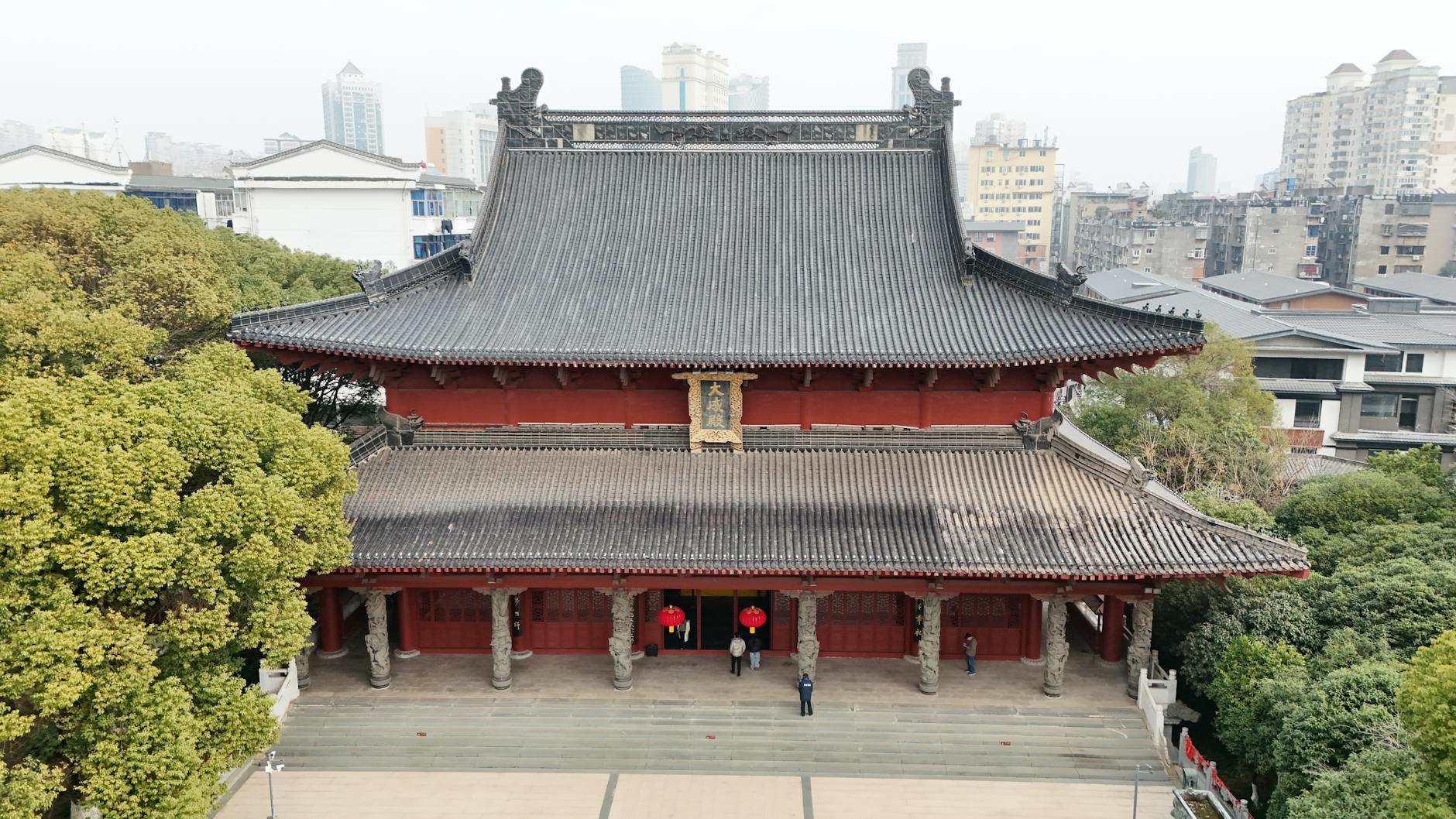
Founded by Sun Quan in 242 AD and rebuilt countless times, Longhua is Shanghai’s oldest and largest Buddhist complex. Its octagonal seven-story pagoda — visible from afar — dates to 977 AD and is the only ancient pagoda left in the city. Inside the temple grounds you’ll find the Hall of Heavenly Kings, the Mahavira Hall, and a vegetarian restaurant. The atmosphere is calmer and more devotional than Jing’an, with fewer tourists. The annual Longhua Temple Fair around the third lunar month brings crowds. Entry 10 RMB; pagoda is admired from outside (closed to climbers). Combine with the adjacent Longhua Martyrs’ Memorial Park.
Highlights
- Ancient Pagoda (古塔)Only surviving ancient pagoda in Shanghai, built 977 AD; admire from outside only.
- Hall of Heavenly Kings (天王殿)First hall inside the complex; houses statues of the four heavenly kings.
- Mahavira Hall (大雄宝殿)Main worship hall; central to the temple experience.
- Vegetarian Restaurant (素斋)On-site dining; try the famous Longhua vegetarian noodles.
- Longhua Temple Fair (龙华庙会)Annual event around third lunar month; lively crowds and festivities.
What Chinese travelers actually do here
Distilled from Chinese-language travel notes — the practical tips most English guides miss.
- Arrive right at the 7am opening on a weekday morning to share the courtyards mainly with worshippers, not tour groups.
- Buy a bundle of incense from inside the grounds rather than the street hawkers at the gate for a fairer price.
- The on-site vegetarian hall serves the famous Longhua noodles; queues build fast around noon, so eat early or late.
- The pagoda photographs best from the street outside the wall, where you can frame the full seven tiers without the crowds.
- Pair the visit with the adjacent Longhua Martyrs’ Memorial Park next door for free, quiet gardens few tourists reach.
- Skip the temple entirely during the spring Temple Fair unless you actively want festival crowds rather than calm.
- Dress with shoulders and knees covered as a courtesy; this is an active place of worship, not just a sightseeing stop.
Photos
Show all 14 photosShow fewer
Videos
![Shanghai's Hidden Gem - Longhua Temple ᴴᴰ ● 龙华寺 上海 中国 [Cinematic Edition]⎮SUPERGENKI in China](https://i.ytimg.com/vi/6F86R3HjhAs/hqdefault.jpg)

Frequently asked questions about Longhua Temple
- Is Longhua Temple worth visiting in Shanghai?
- Yes, especially if you want a working Buddhist temple rather than a polished tourist set-piece. It is the city’s oldest and largest complex, founded in 242 AD, and its 977 AD octagonal pagoda is the only ancient pagoda left in Shanghai. The mood is quieter and more devotional than Jing’an Temple, with noticeably fewer foreign visitors.
- How do I get to Longhua Temple and is there an entrance fee?
- Take Metro Line 11 or Line 12 to Longhua station; the temple is a short signed walk from there. Entry is a token fee of around 10 RMB, cash only, so carry small notes since card and foreign-app payment can be unreliable. There is no English-language service, so a translation app helps for signage and tickets.
- Can you climb the Longhua Pagoda?
- No. The seven-story brick-and-wood pagoda is admired from the outside only and is closed to climbers, so plan your visit around photographing it rather than going up. The best vantage points are from the temple forecourt and the adjacent street; allow about an hour to ninety minutes to also walk the main halls inside.
More in Shanghai
Plan your Shanghai trip
- Shanghai Metro Guide for English Speakers — 2026Transit · 8 min read
- Shanghai 3-Day Itinerary for First-Time Visitors (2026)Itineraries · 12 min read
- Shanghai vs Hong Kong — Which Megacity Should a Foreigner Pick First?Itineraries · 9 min read
- French Concession Walking Tour — Self-Guided Route & MapItineraries · 11 min read
- Beijing, Xi’an & Shanghai: A 7-Day Itinerary That Actually Books (2026)Itineraries · 14 min read
- Shanghai Pudong Airport (PVG) to the City Center — Every Option, RankedTransit · 10 min read
Trip.com link earns us a small commission · disclosure