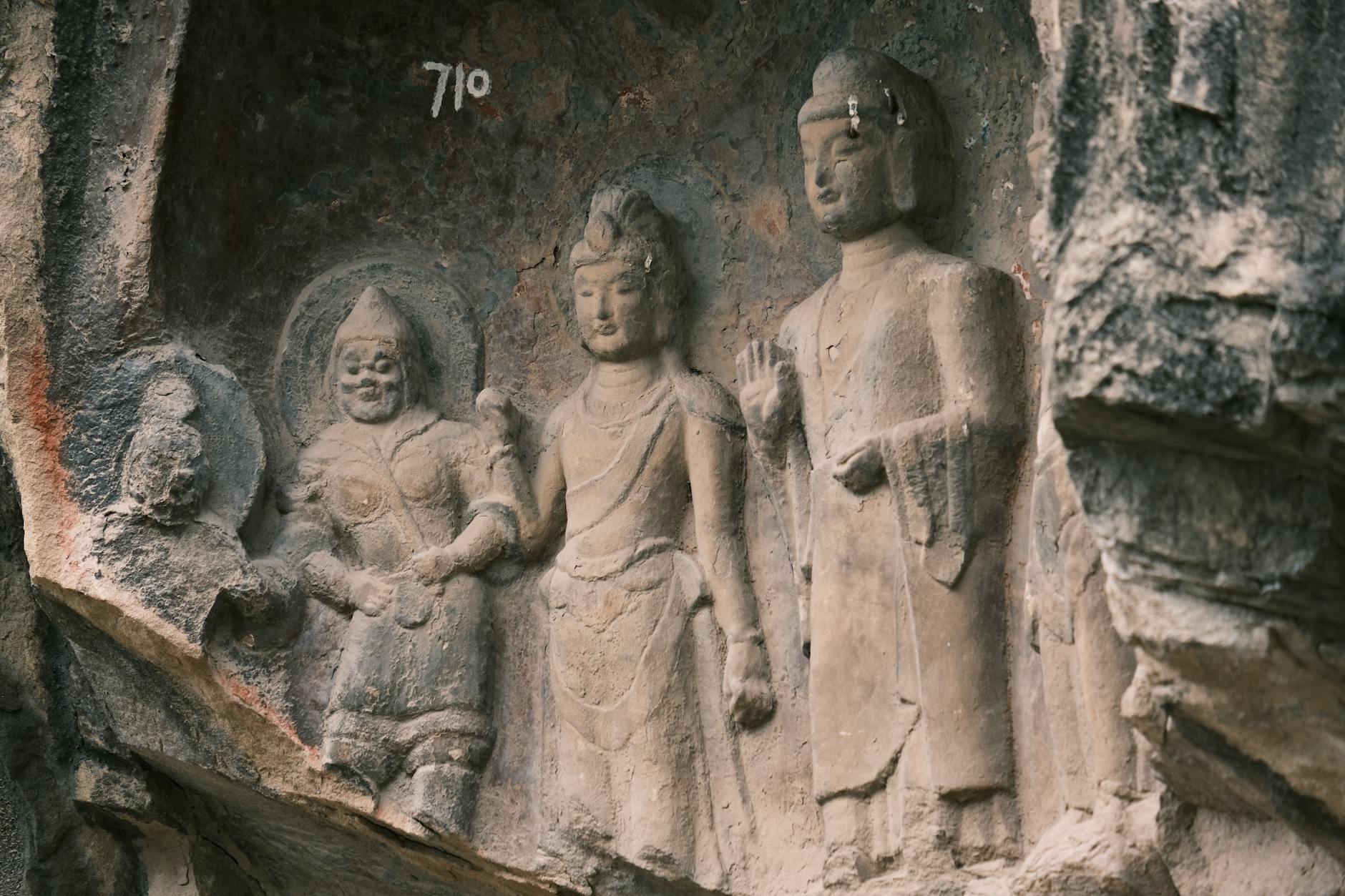
UNESCO World Heritage — 9th-13th century Buddhist + Taoist + Confucian cliff sculptures, the most complete Chinese rock-cave art preserved.
At a glance
- What it is
- Outdoors
- Also known as
- 大足石刻 (Dàzú Shíkè)
- Opening hours
- 8:30 AM – 5:30 PM
- Time needed
- Full day (with travel)
- Best time to visit
- Spring/autumn weekday; arrive 9 AM opening
- Getting there
- Remote — taxi can be tricky
- English
- English tours available
- Cards accepted
- Visa, Mastercard
- Entry
- Passport booking required · tickets & prices →
- Wi-Fi
- Free Wi-Fi
- Address
- Baoding Mountain, Dazu District, Chongqing · 大足区宝顶镇宝顶石刻
See Dazu Rock Carvings tickets & tours
Trip.com link · we earn a small commission · disclosure
Dazu Rock Carvings map & getting there
Taxi / DiDi? Show the driver: 大足区宝顶镇宝顶石刻 · Baoding Mountain, Dazu District, Chongqing
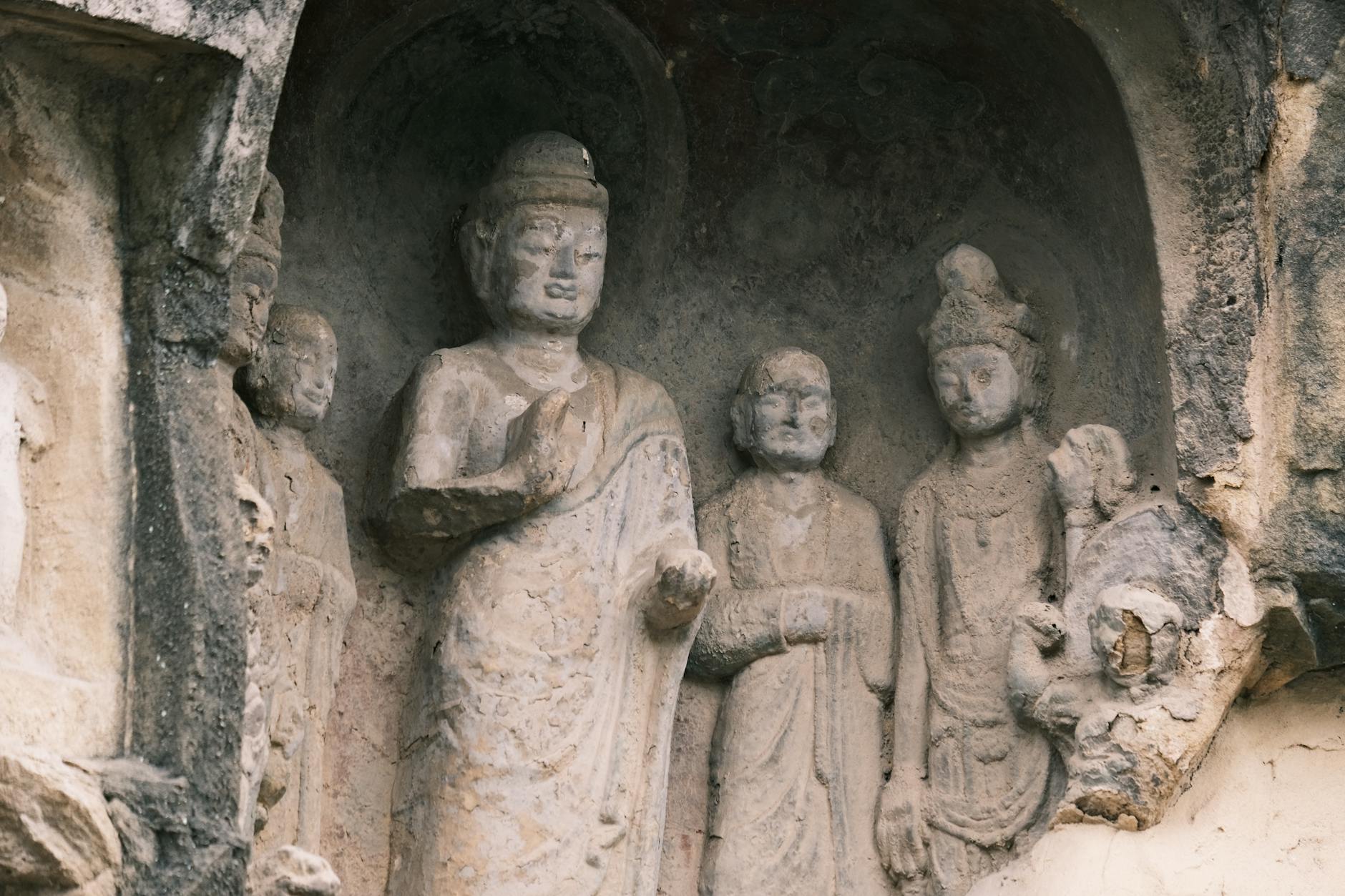
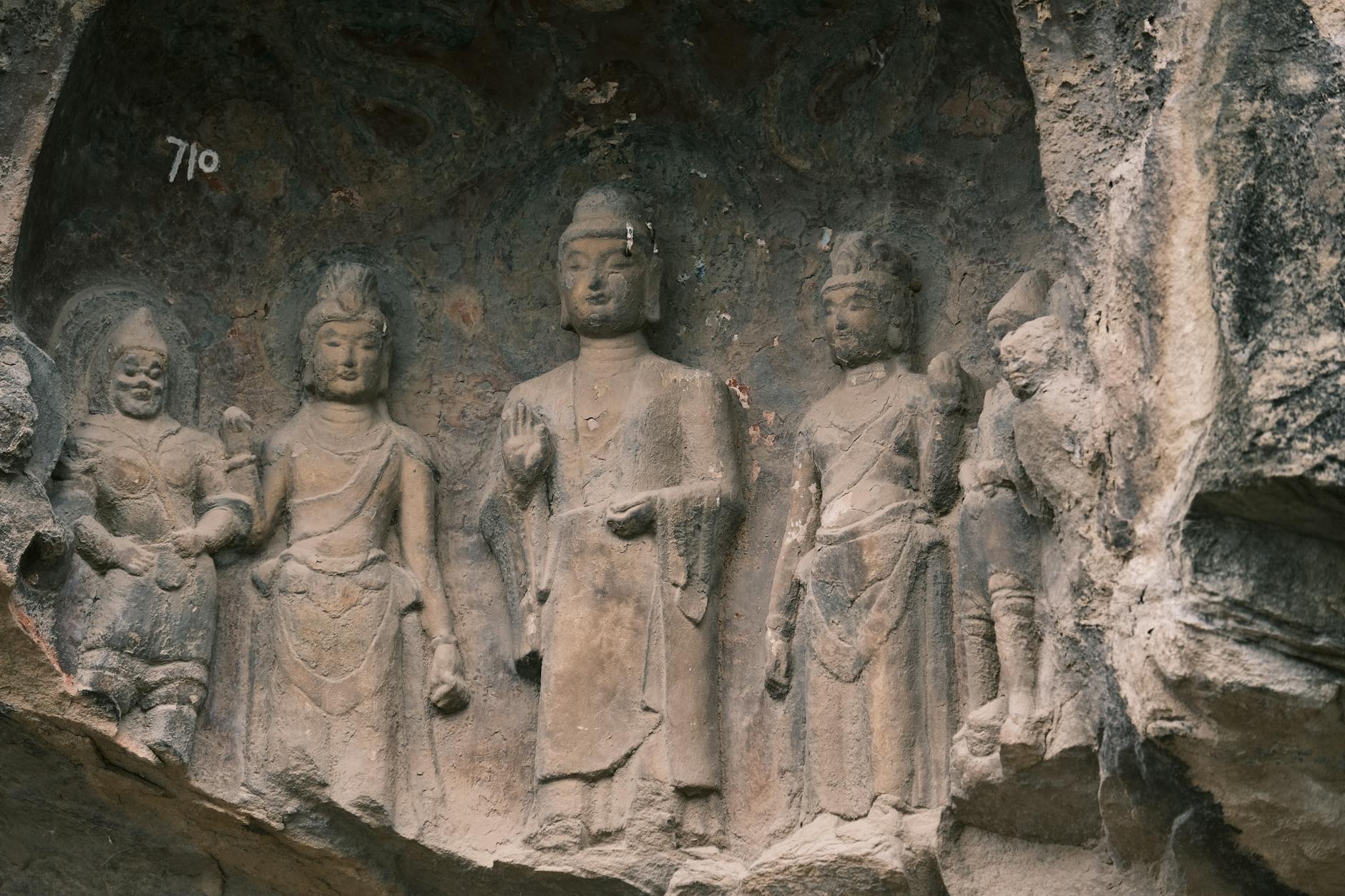
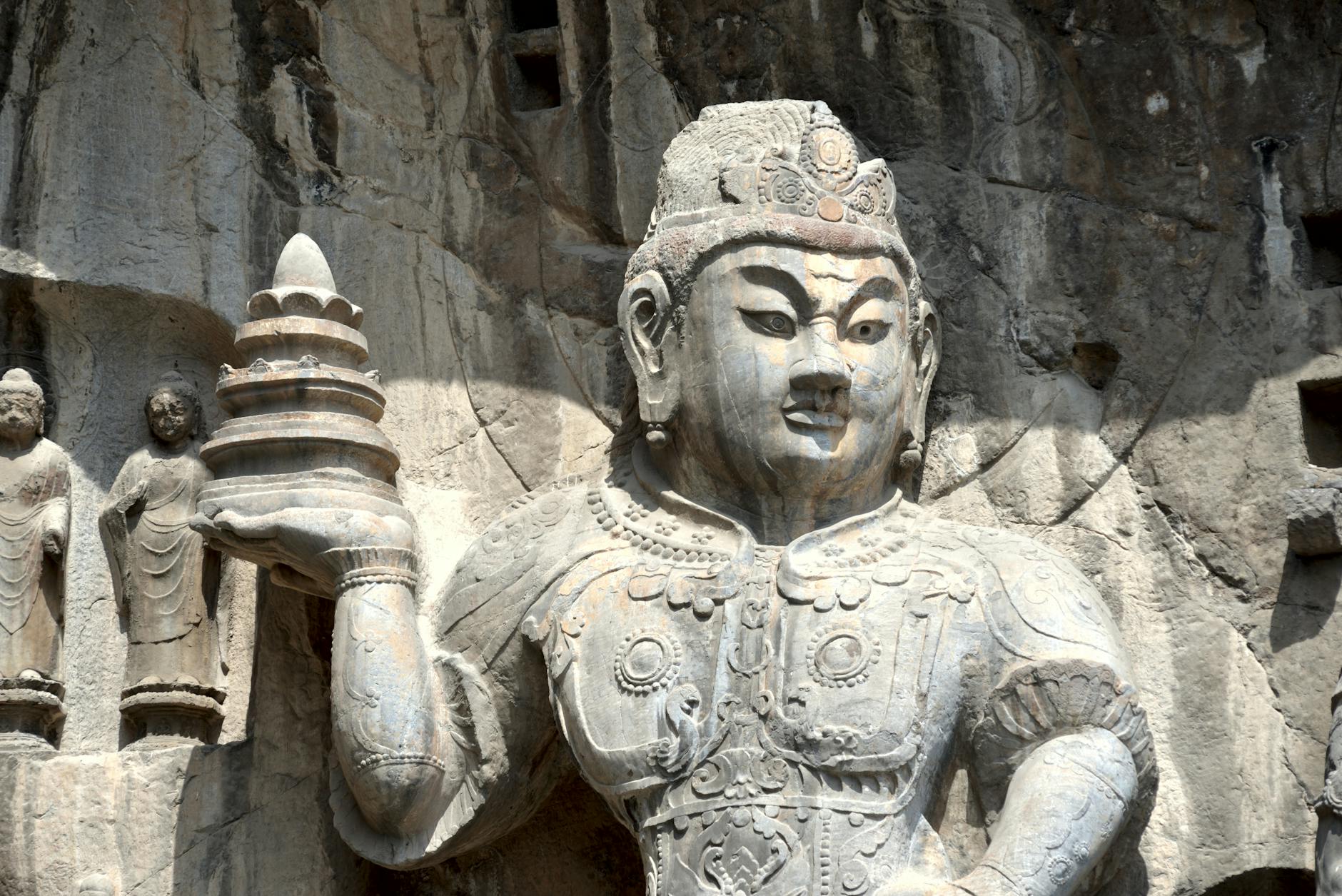
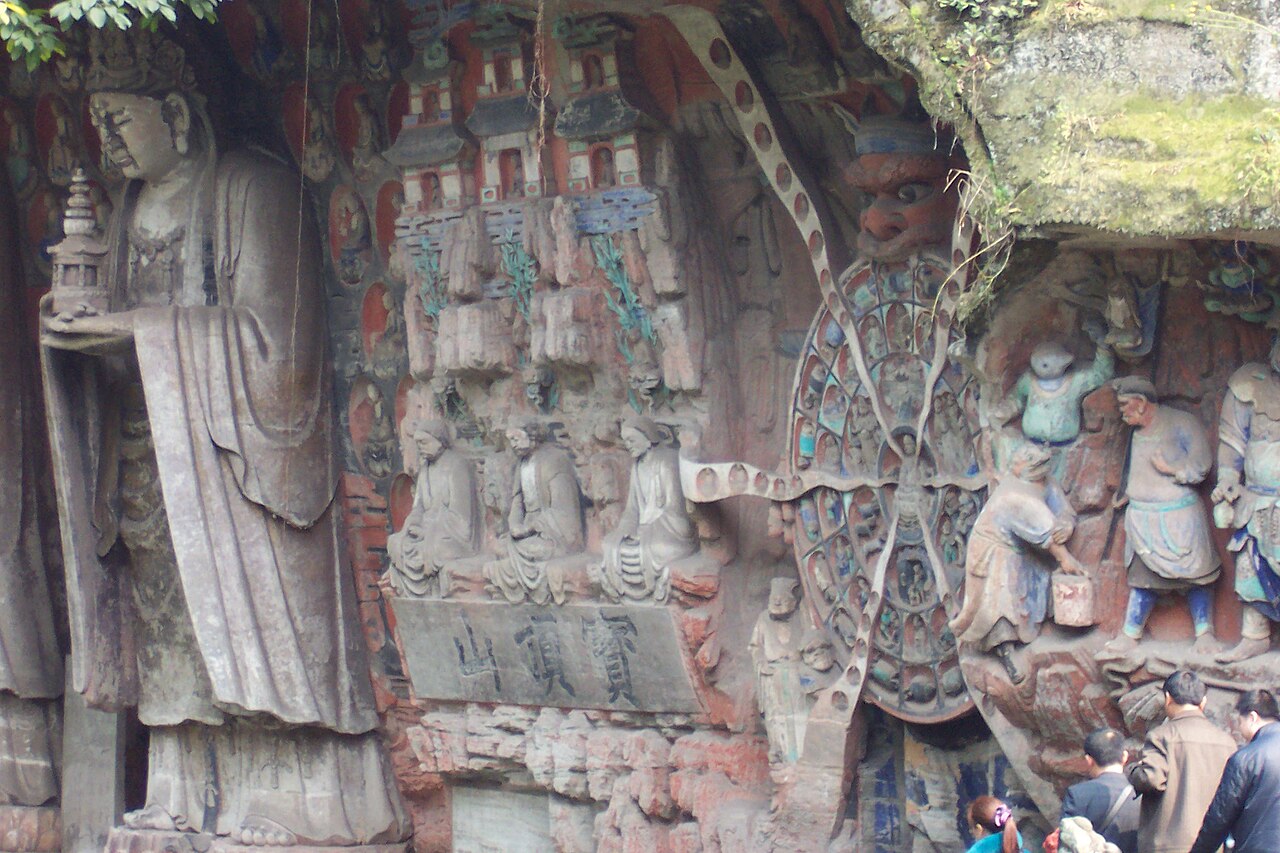
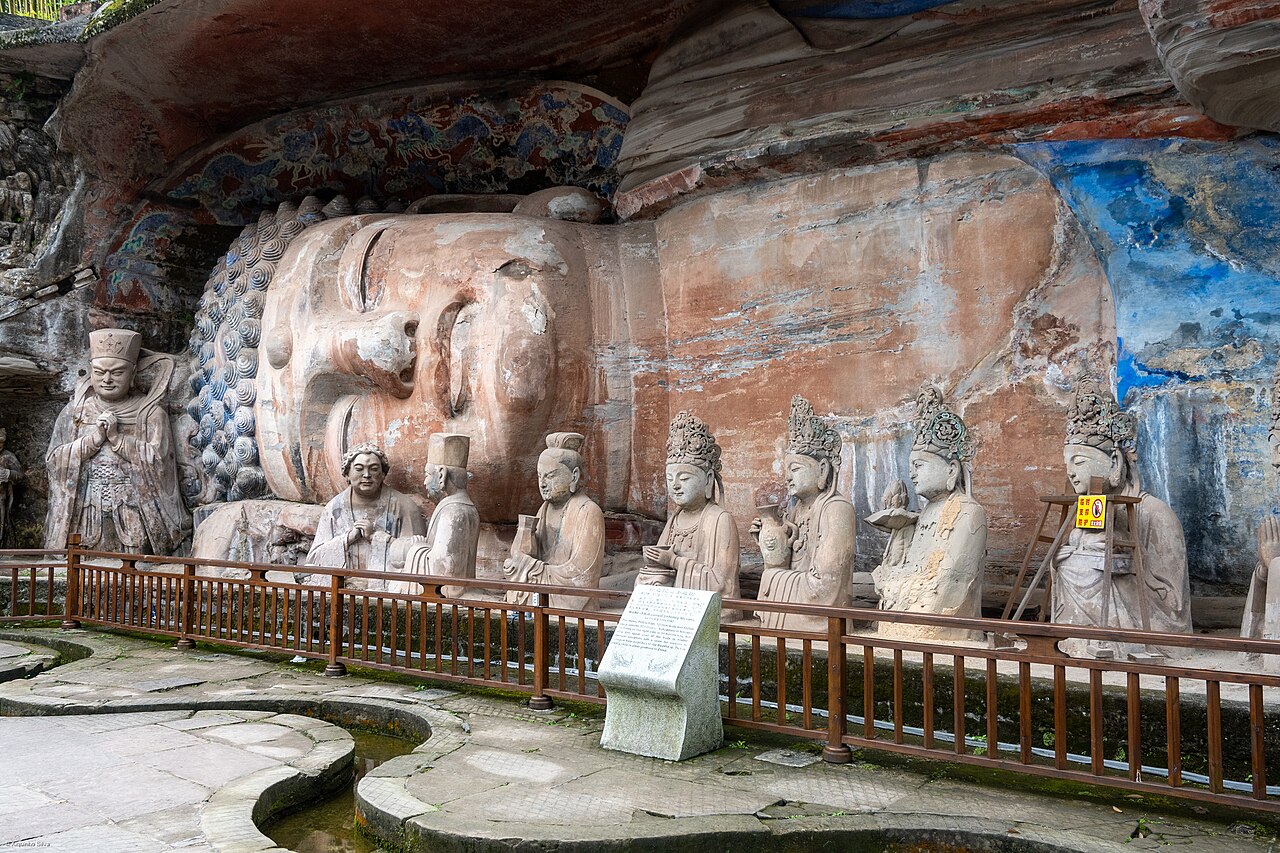
Dazu has the highest concentration of Tang/Song-dynasty rock carvings in China — 50,000+ figures across 75 sites, the most important being Baoding Mountain and North Mountain (Beishan). UNESCO inscribed 1999. Unlike the older Mogao or Longmen, Dazu integrates Buddhist + Confucian + Taoist iconography reflecting China’s religious syncretism. The 31m Reclining Buddha at Baoding (1174-1252) is the centerpiece — the entire site is laid out as a Buddhist cosmological cliff face. Entry 115 RMB (Baoding) + 90 RMB (North Mountain). Best to do both on one day. 70 km from Chongqing — 1 hr by high-speed rail (¥40) from Chongqing North or Shapingba Station to Dazu South Station, then 30 min taxi. Allow full day. Wear comfortable shoes — extensive stair climbing.
Highlights
- 31m Reclining BuddhaBaoding Mountain centerpiece; Song dynasty masterpiece
- Wheel of ReincarnationMost photographed image; Buddhist cosmology in stone
- North Mountain Bas-reliefsSmaller but finely detailed Tang-Song carvings
What Chinese travelers actually do here
Distilled from Chinese-language travel notes — the practical tips most English guides miss.
- Go on a weekday — Sunday and Chinese-holiday crowds at Baoding can push tour groups shoulder-to-shoulder in front of the Thousand-Hand Guanyin shrine. On a Tuesday morning you’ll often have it to yourself.
- Hire one of the official guides at the entrance (¥150 for 2 hours, English available if you ask in advance via the official Dazu account on WeChat). The carvings have layered narrative meaning that’s invisible without explanation — without a guide you’ll see 30% of what’s there.
- Eat lunch in Longshui Town (龙水镇) 15 minutes from the site, not at the Baoding tourist canteen. Longshui’s specialty is paigu (排骨) ribs at a row of family-run restaurants near the main intersection for ¥45 a meal.
- Best photo of the Reclining Buddha is from the elevated walkway at the western end of the No. 11 niche, around 10 AM when the side light defines the folds of the robe. Most tourists shoot from directly in front and lose all dimensionality.
- Bring a small flashlight or use your phone torch — several of the smaller caves at Baoding have minimal lighting and the carved detail is invisible to the naked eye in the depths.
- Skip Beishan if it’s raining. Baoding is mostly under stone overhangs and viable in light rain; Beishan has more exposed niches and the visit becomes miserable.
- The audio guide app (大足石刻官方导览) is downloadable from a QR code at the gate and uses Chinese-China numbering for the niches that doesn’t always match the physical signage in English — easier to rent the dedicated audio device for ¥20 than to fight the app.
Photos
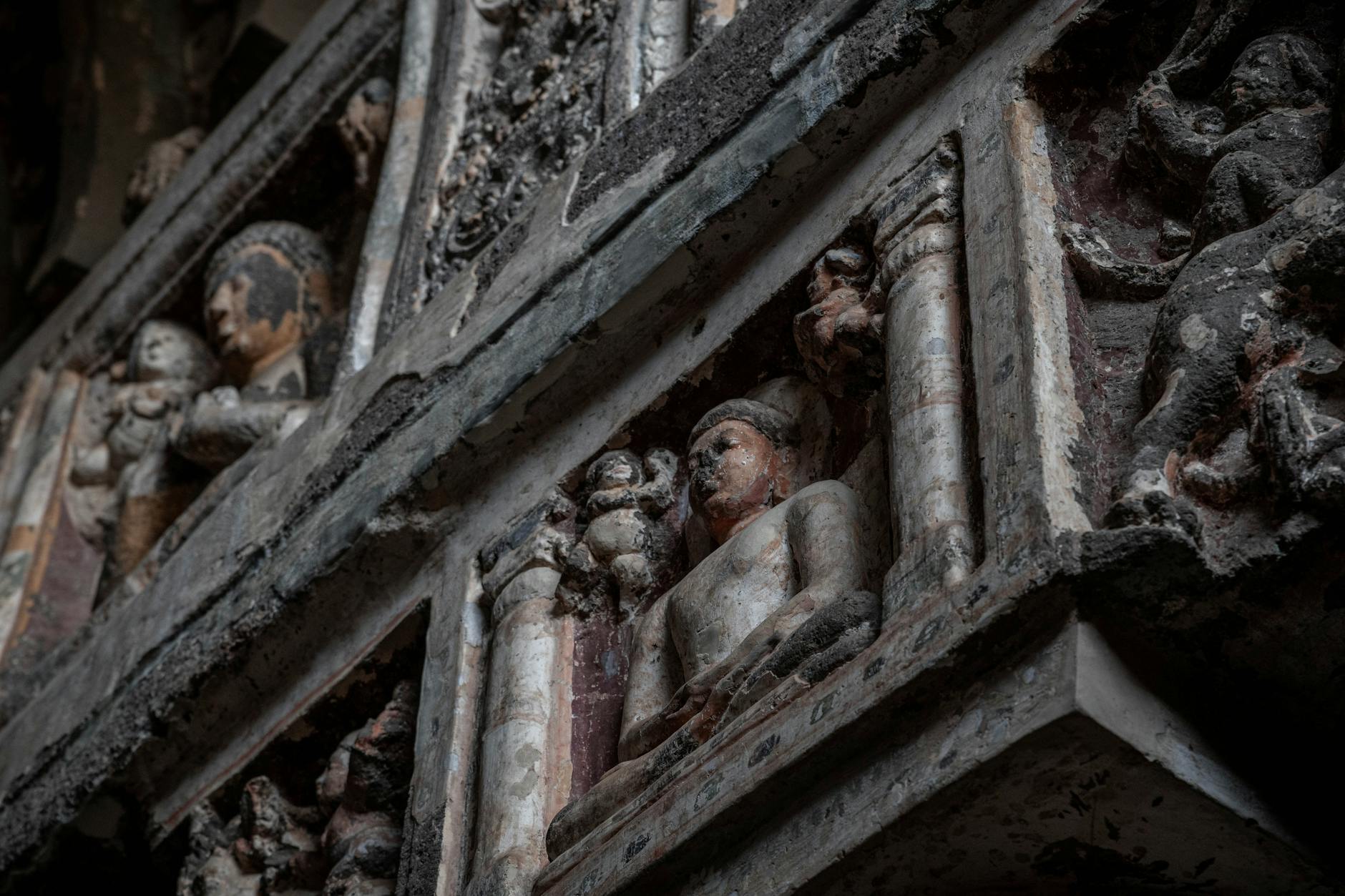
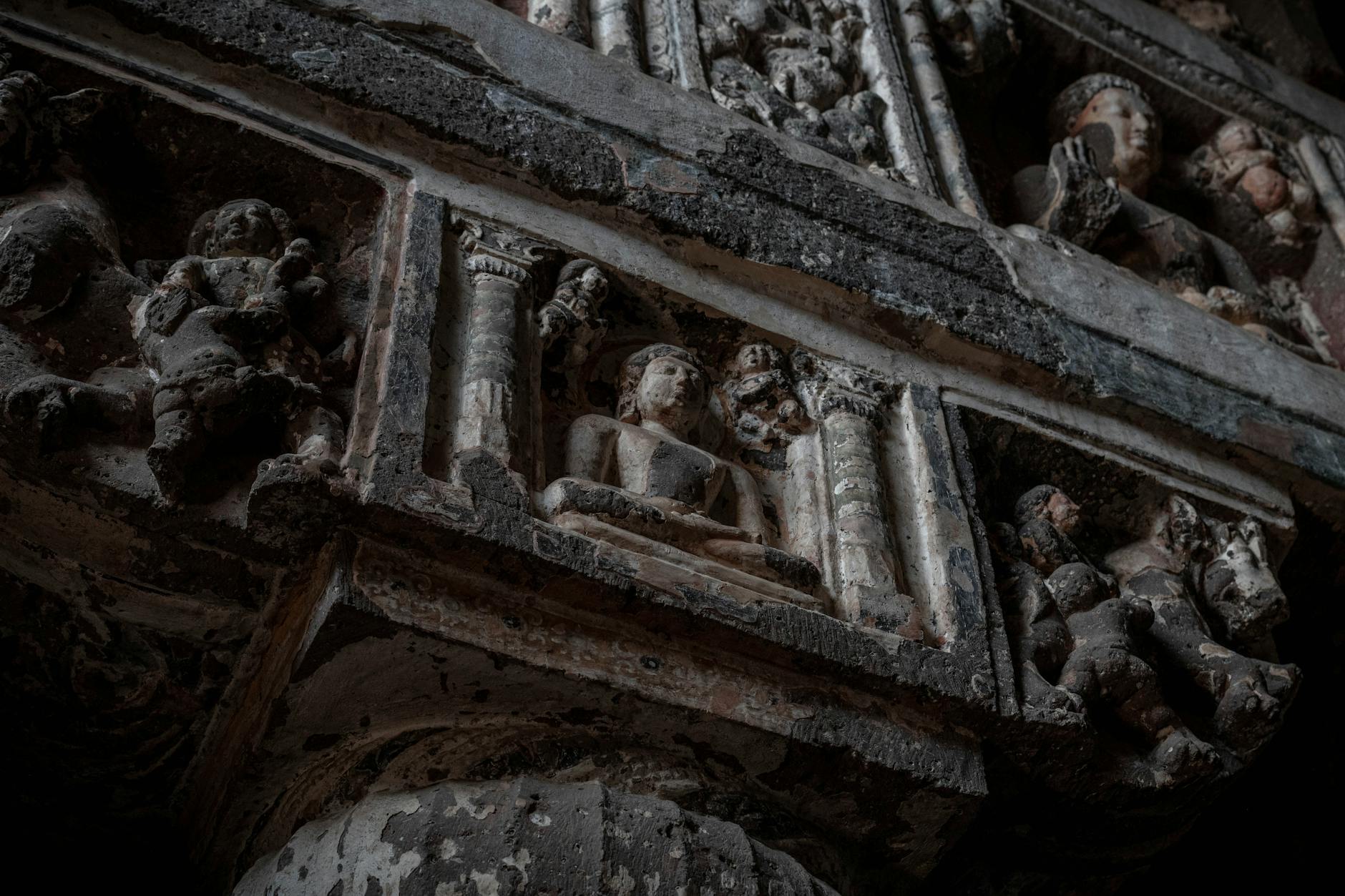
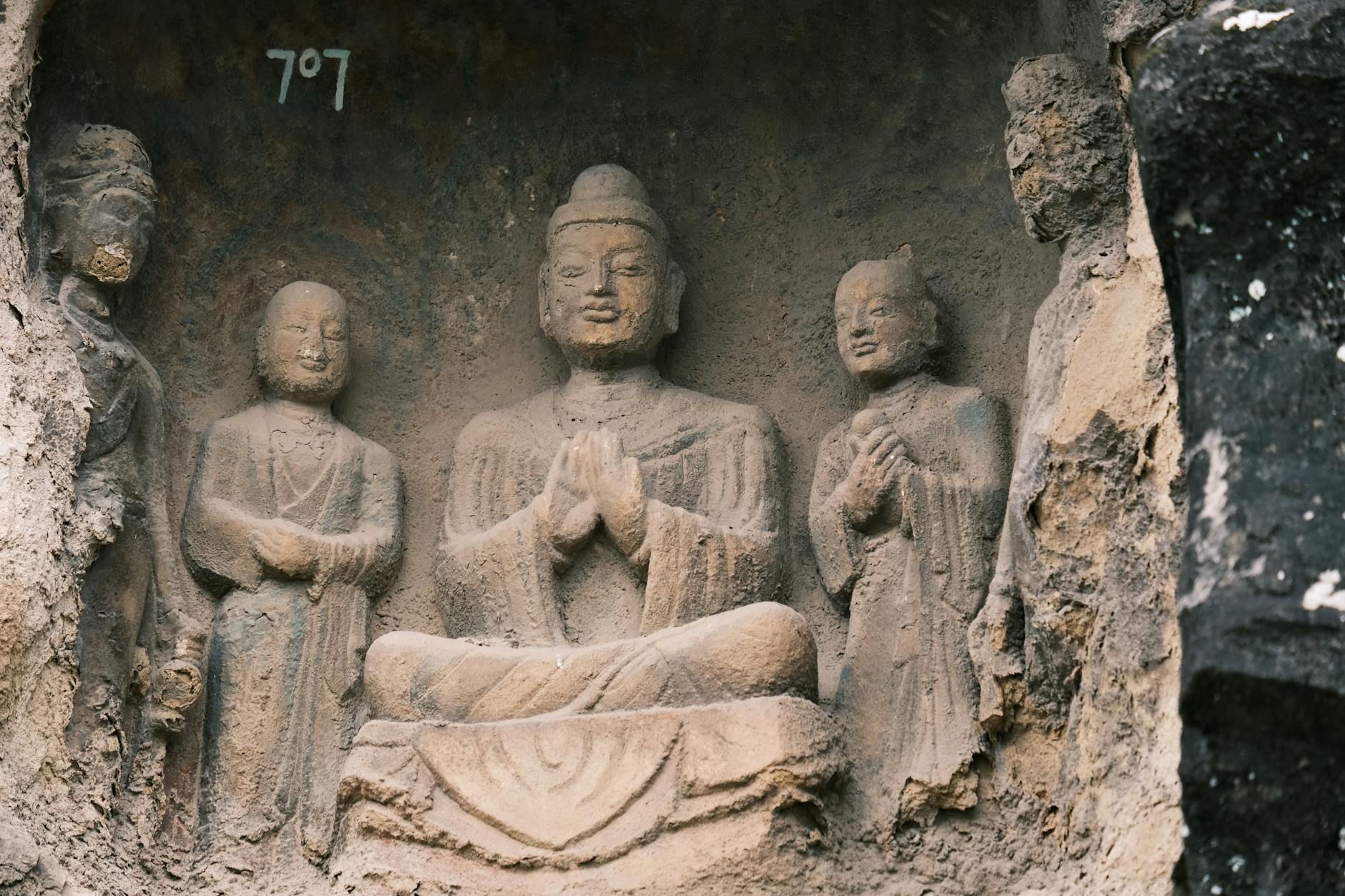
Show all 14 photosShow fewer
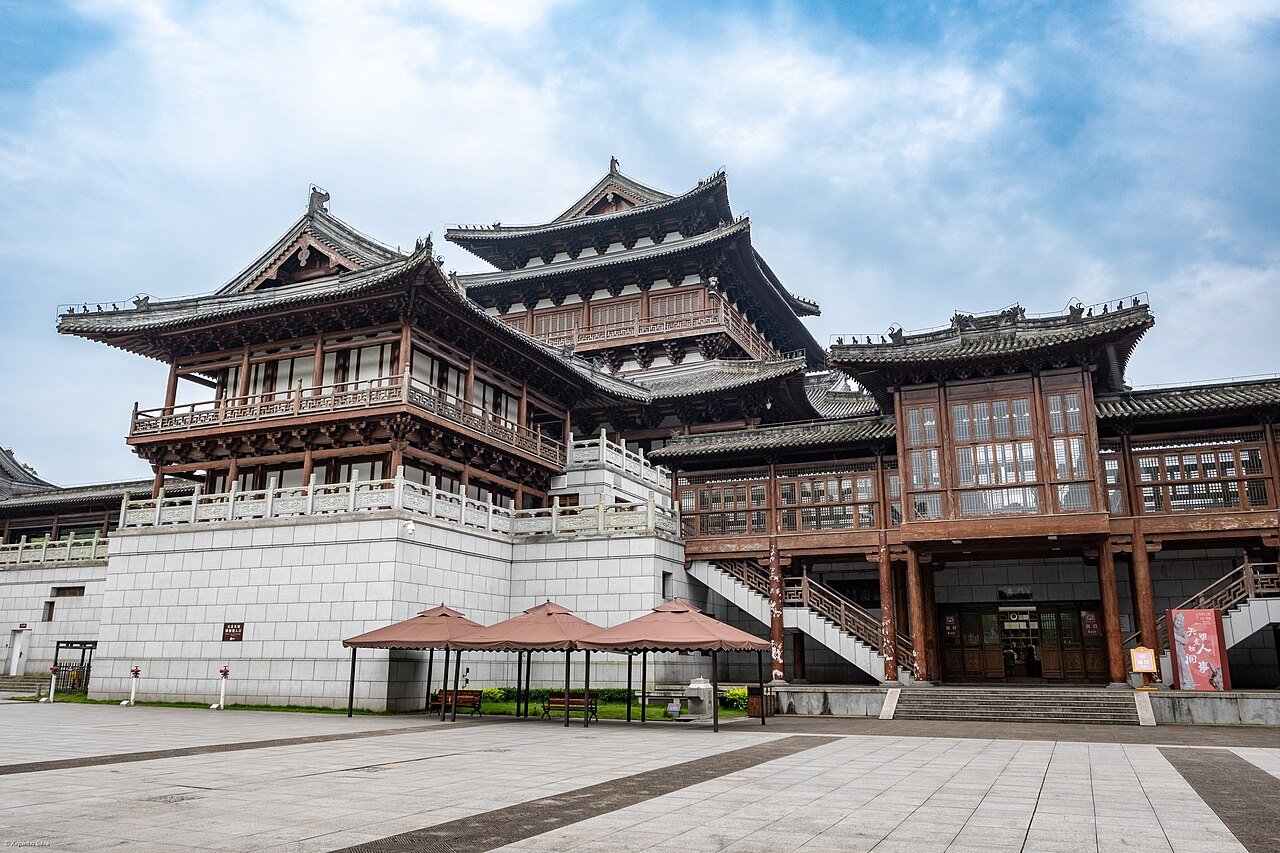
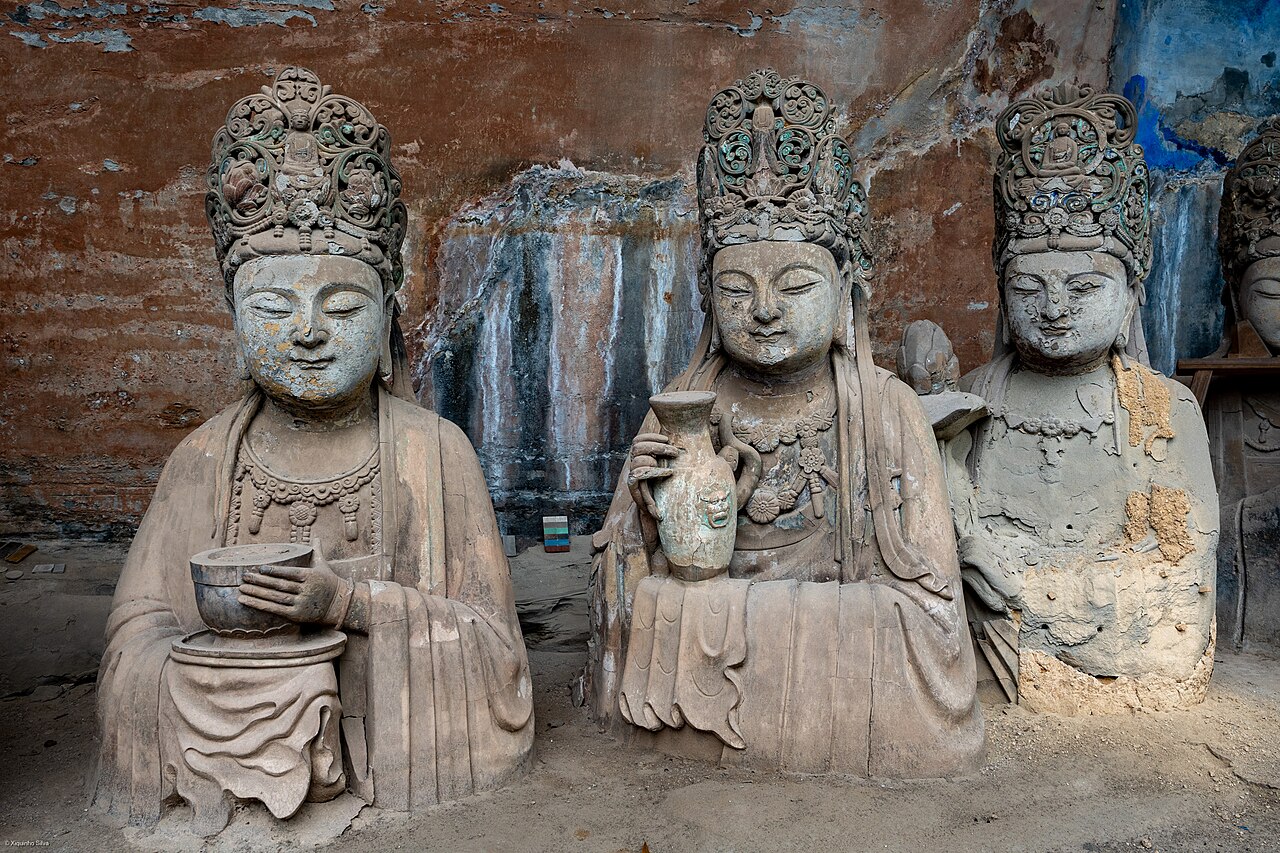
Watch creators visit Dazu Rock Carvings
Each clip is timestamped to the moment the creator arrives at this stop.
Undercover in China’s Real-Life Cyberpunk Megacity: CHONGQING
Pasta and PandaStarts at 26:32
Frequently asked questions about Dazu Rock Carvings
- How do I get to Dazu Rock Carvings from Chongqing?
- Take the high-speed train from Chongqing North to Dazu South Station (大足南站) — 75 minutes, ¥45-65 one way, hourly. From Dazu South, take the K200 tourist bus or shuttle directly to Baoding Mountain (30 minutes, ¥10). Total ~2 hours from central Chongqing. Day-trippable.
- Should I visit Baoding Mountain, Beishan, or both?
- Baoding Mountain has the icons (Thousand-Hand Guanyin, Reclining Buddha, Hell Scenes) and 80% of what tourists come for. Beishan is older Tang-era work, quieter, less spectacular individually — worth it only if you have a full day and care about the historical progression. First-time visitors: Baoding only.
- How much does Dazu Rock Carvings cost?
- Baoding Mountain admission is ¥115; Beishan is ¥70; combined ticket is ¥140 (saves ¥45 if doing both). Audio guide rental is ¥20 and has decent English narration. The shuttle from Dazu South Station to Baoding is ¥10 each way.
- How does Dazu compare to Mogao Caves or Longmen Grottoes?
- Longmen (Luoyang) is older and purely Buddhist; Mogao (Dunhuang) is the most artistically diverse but extremely crowded and ticketed at strict daily caps. Dazu is later (Song Dynasty), syncretic (Buddhist + Daoist + Confucian), and the least crowded — you’ll routinely have major carvings to yourself, which never happens at the other two.
- Can I take photos of the carvings?
- Photography without flash is allowed at all open-air sites and most caves. Flash is banned because the pigment-painted statues fade. Tripods are technically not allowed but enforcement is loose on weekdays. Drones are prohibited.
- Is Dazu worth the trip if I’ve been to Longmen or Mogao?
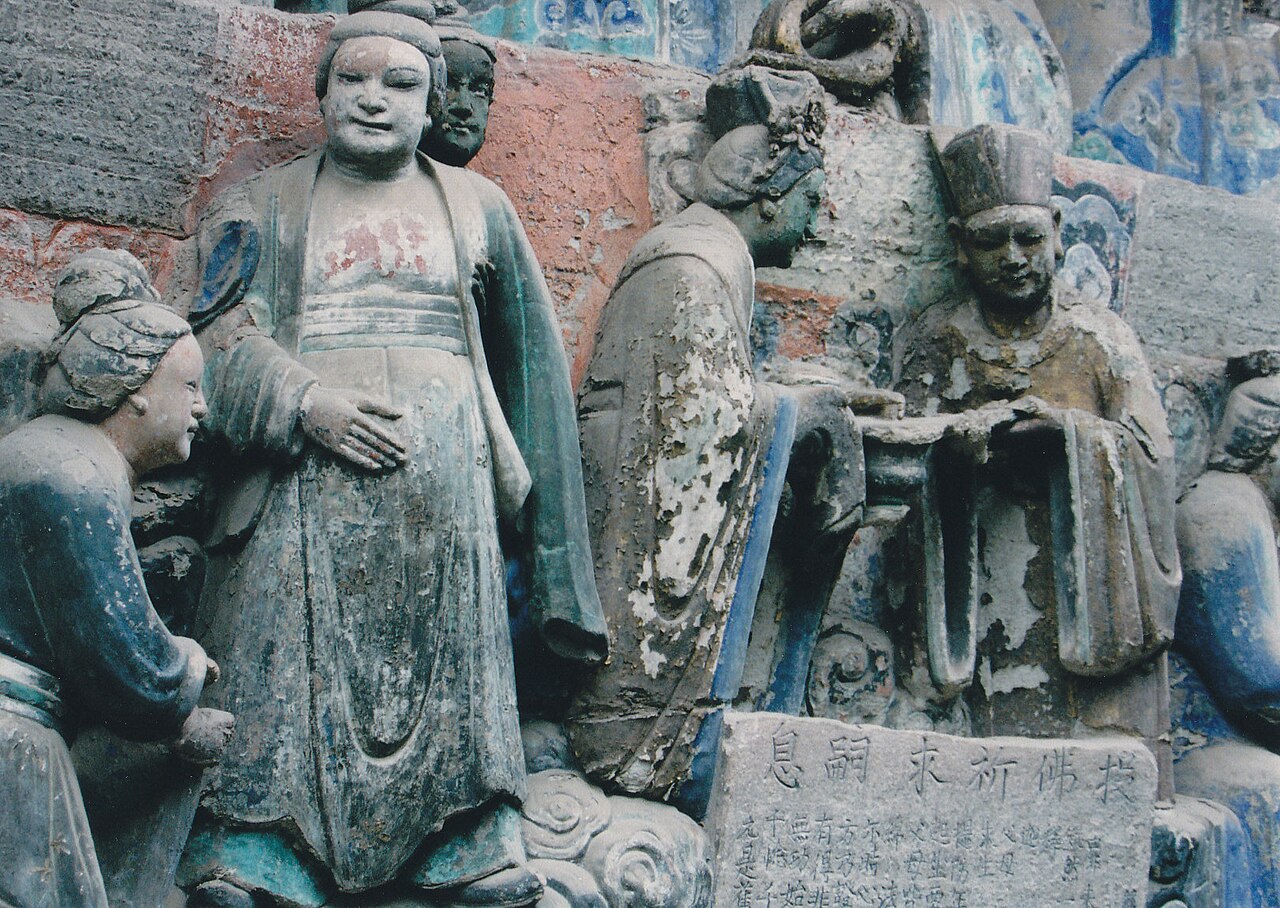
- Yes, because the content is genuinely different. Dazu’s narrative panels (hell scenes, parental-piety stories) are unique — they’re folk-Buddhist storytelling, not pure devotional sculpture. The Thousand-Hand Guanyin alone is worth the trip if you’ve seen the other two.
More in Chongqing
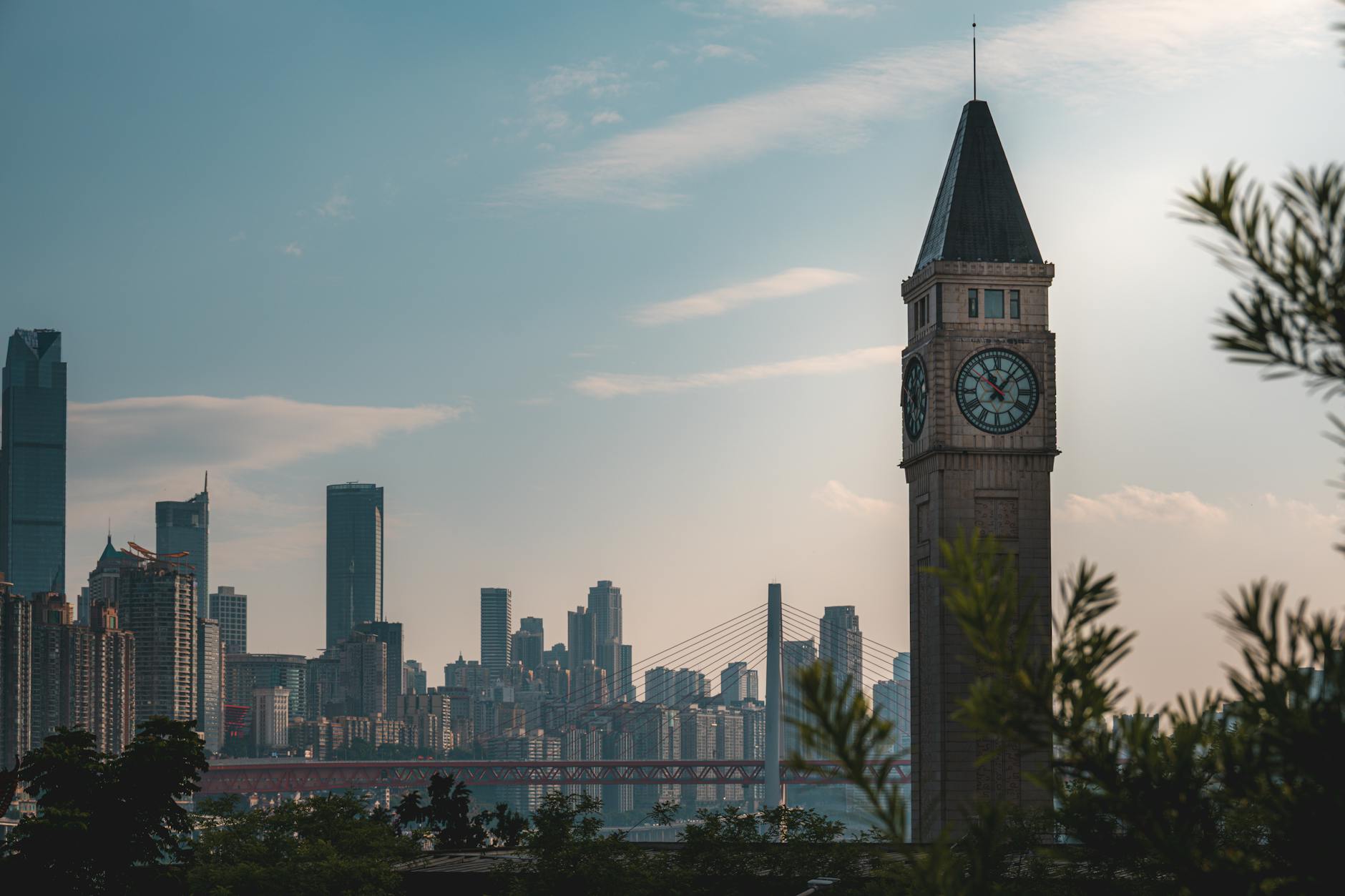


Plan your Chongqing trip
- Chengdu vs Chongqing Hotpot — The Real DifferenceItineraries · 8 min read
- Chengdu vs Chongqing — Which Sichuan City Should a First-Timer Pick?Itineraries · 9 min read
- China High-Speed Rail (Gaotie) — The 2026 Foreigner’s GuideTransit · 11 min read
- Does Google Maps Work in China? (No — Here’s What Does, 2026)Internet & Apps · 9 min read
- China Trip Pre-Departure Checklist — The 30-Day TimelineVisa & Entry · 10 min read
- 240-Hour Visa-Free Transit to China — 2026 GuideVisa & Entry · 11 min read
- How to Use Alipay as a Foreigner in China — 2026 GuidePayments · 11 min read
Trip.com link earns us a small commission · disclosure