On-site museum of the 3000-year-old Shu civilization — home of the famous Gold Sun Bird (Sichuan’s symbol).
At a glance
- What it is
- Arts & Culture
- Also known as
- 金沙遗址博物馆 (Jīnshā Yízhǐ Bówùguǎn)
- Opening hours
- 9 AM – 6 PM
- Time needed
- 2.5-3 hours
- Best time to visit
- Weekday 10 AM - 2 PM
- Getting there
- Metro to the door
- English
- English tours available
- Cards accepted
- Visa, Mastercard
- Entry
- Passport booking required · tickets & prices →
- Wi-Fi
- Free Wi-Fi
- Address
- 2 Jinsha Site Rd, Qingyang District, Chengdu · 青羊区金沙遗址路 2 号
See Jinsha Site Museum tickets & tours
Trip.com link · we earn a small commission · disclosure
Jinsha Site Museum map & getting there
Taxi / DiDi? Show the driver: 青羊区金沙遗址路 2 号 · 2 Jinsha Site Rd, Qingyang District, Chengdu
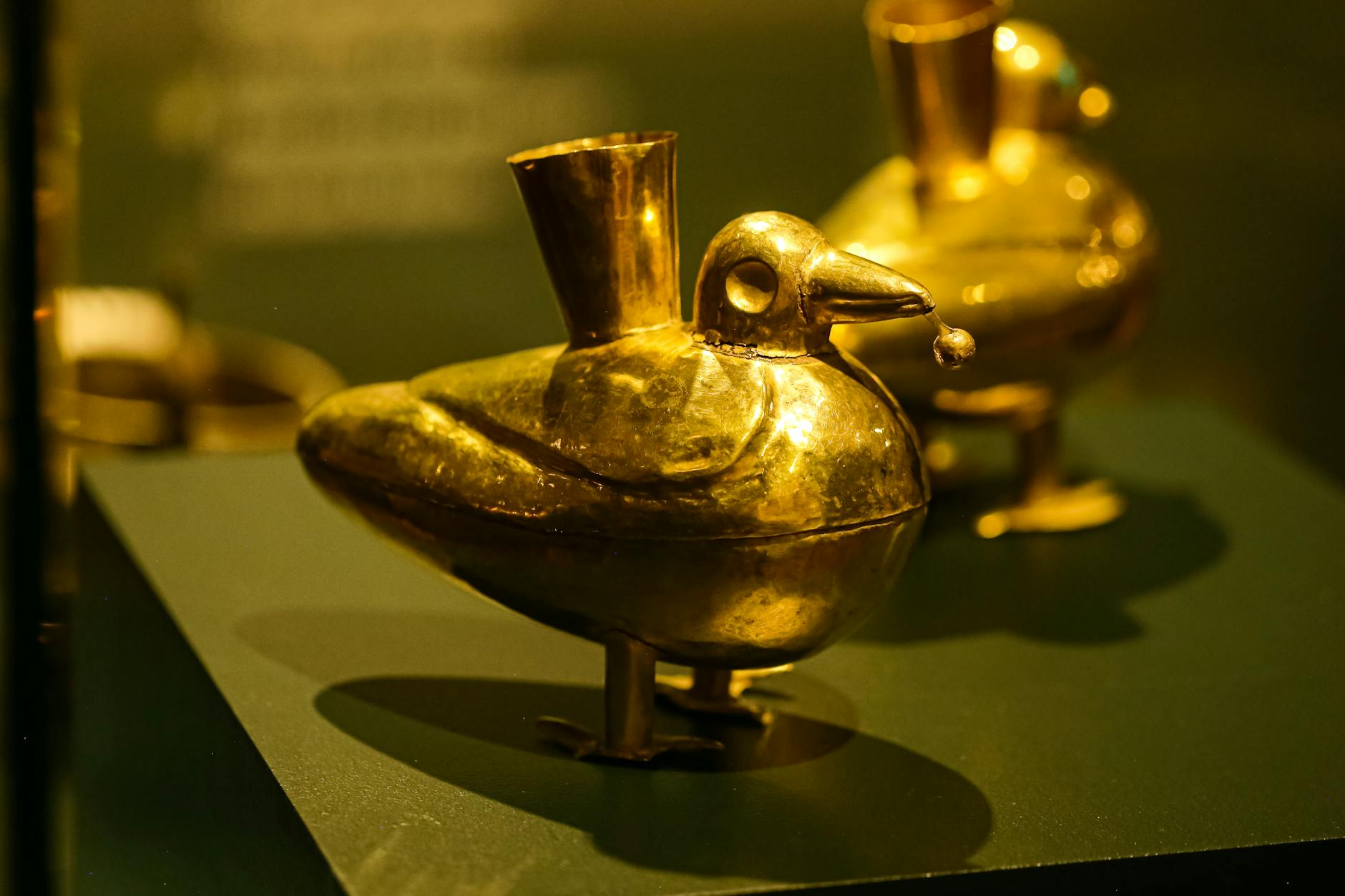
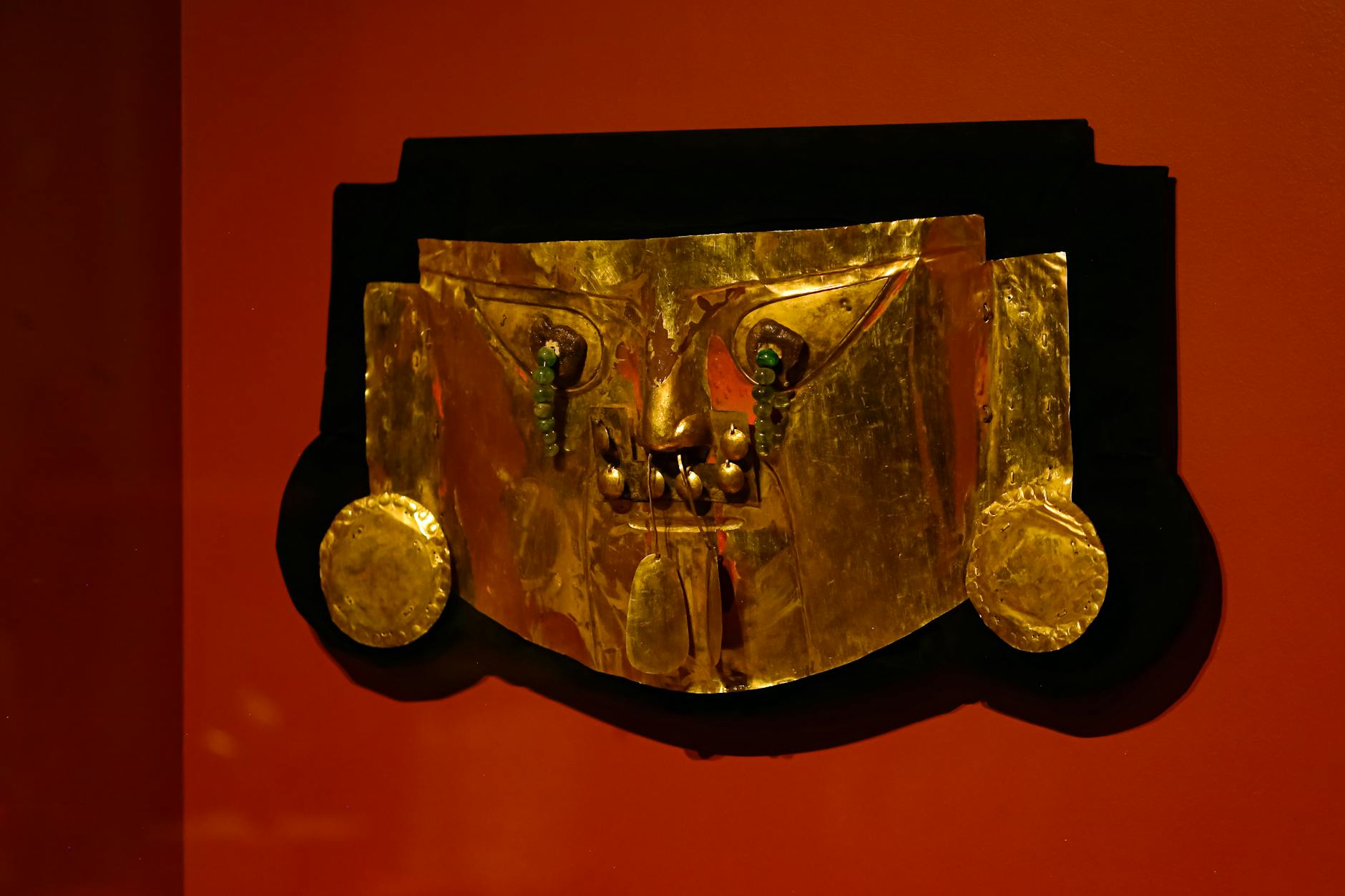
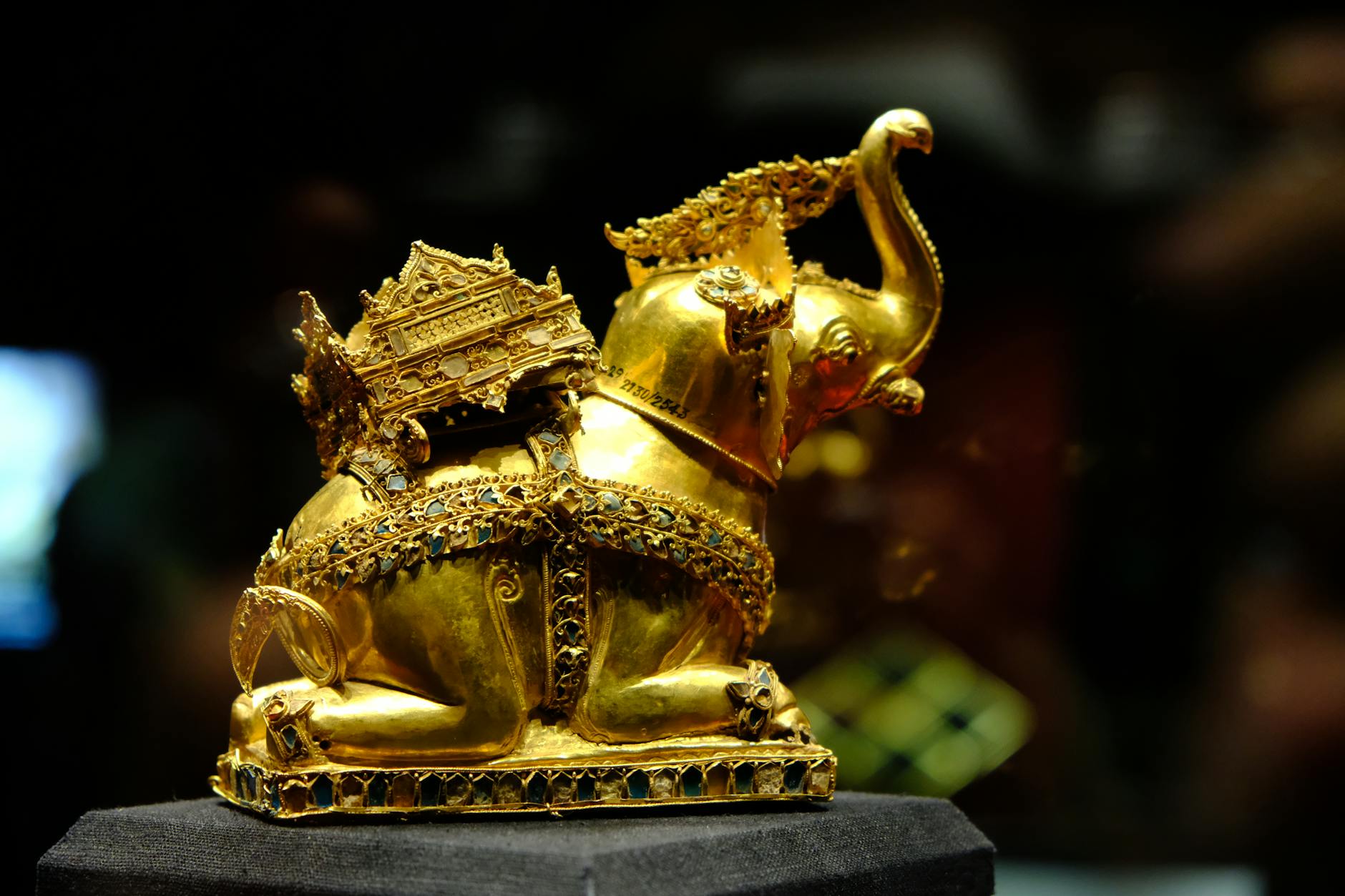
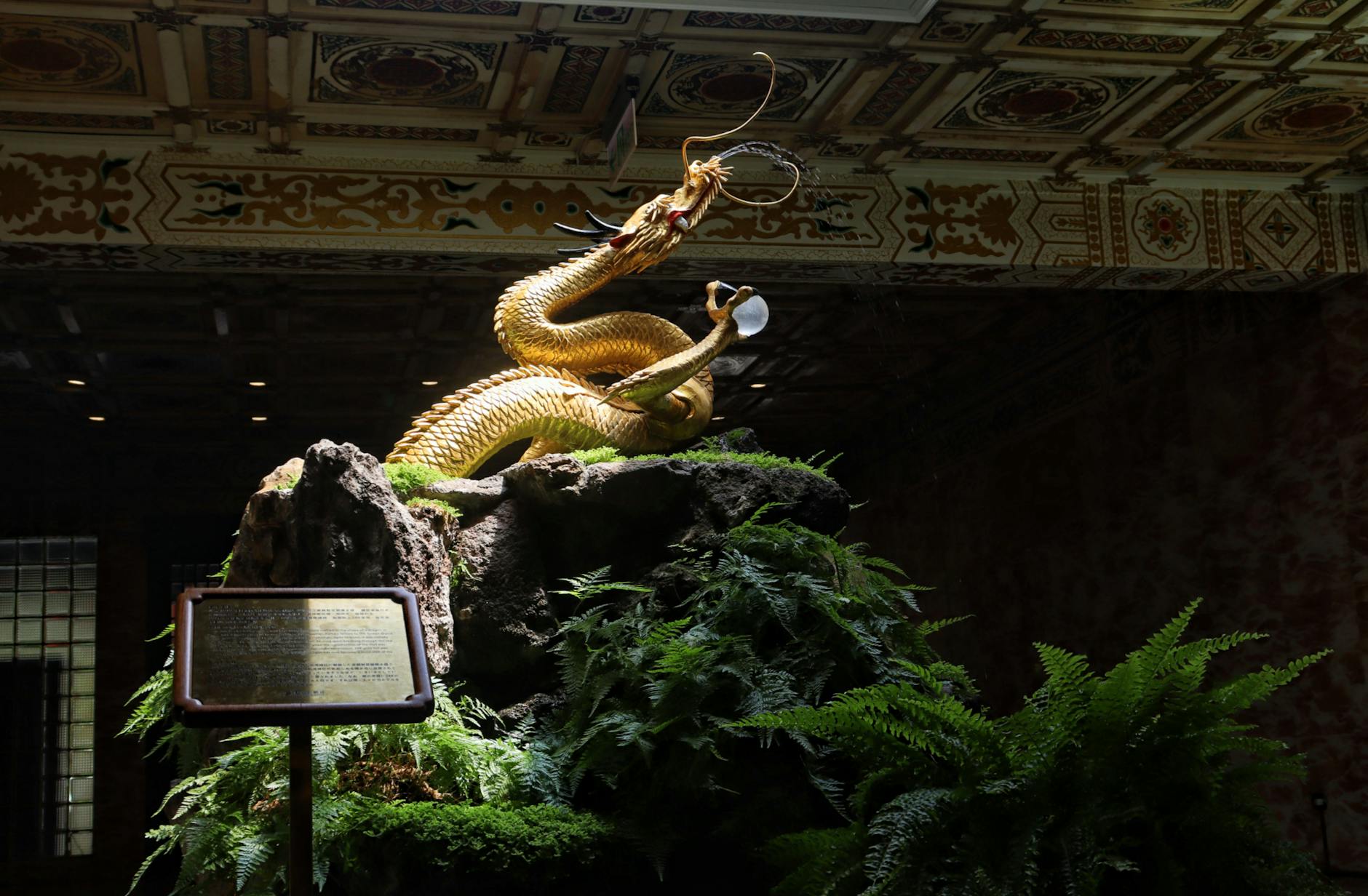
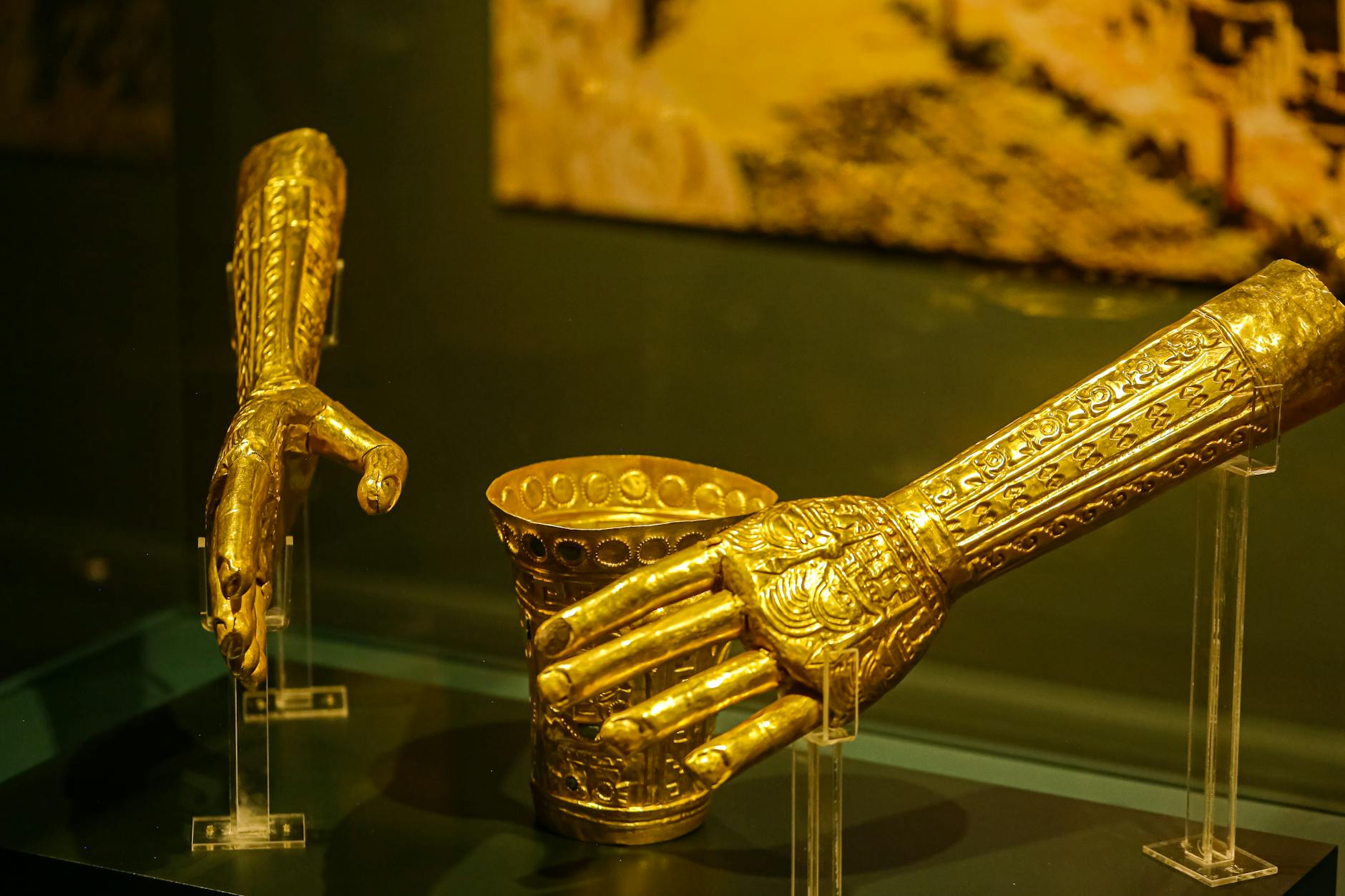
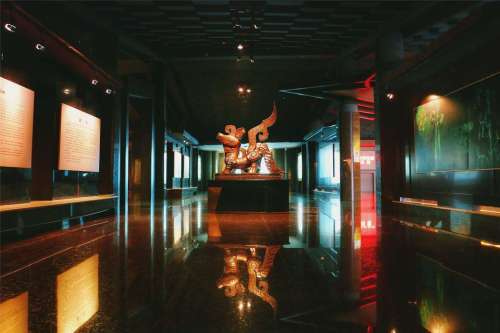
Jinsha was the Shu kingdom’s capital from 1200-650 BCE — discovered by accident during a 2001 construction dig. The Gold Sun Bird (太阳神鸟) gold foil, just 0.02mm thick and 12.5cm wide, is the museum’s icon and serves as the official symbol of Chinese Cultural Heritage. The 5-hall museum covers the dig site (preserved in situ under a glass dome), the artifacts (gold, jade, bronze), and the cultural context. Entry 70 RMB. Allow 3 hours. The artifacts predate written Chinese history in southwest China by 1500 years; the museum’s interpretive videos in English are surprisingly good. Pairs with Sanxingdui for a ‘Shu civilization’ day trip — Sanxingdui is 40 km away (1 hr by metro+bus).
Highlights
- Gold Sun Bird (太阳神鸟)0.02mm gold foil; China’s cultural heritage symbol
- Excavation Site in SituGlass-domed actual dig with skeletons + ivory
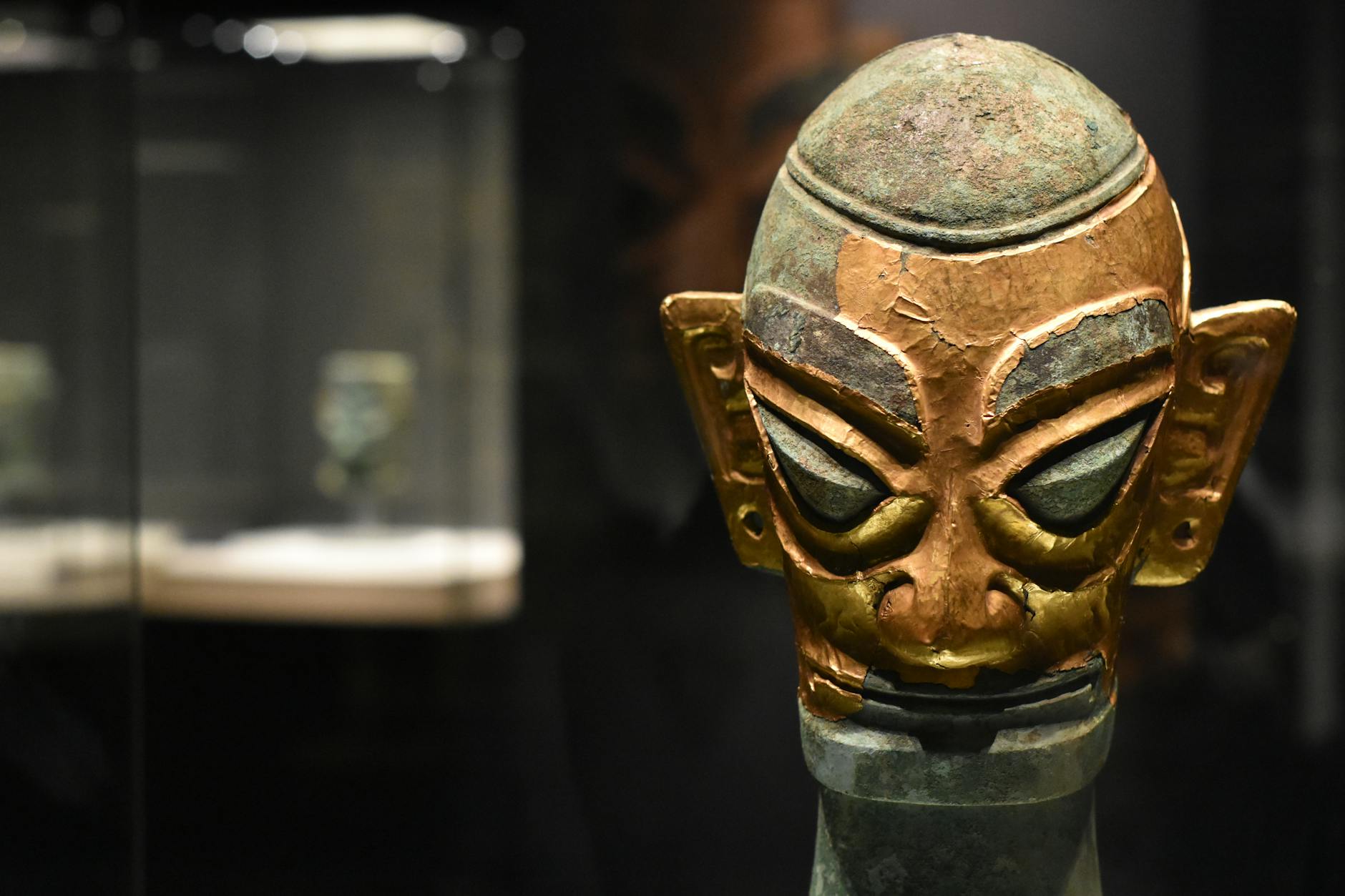
- Jade & Bronze HallPre-Han ritual objects, Shu kingdom 1200 BCE
What Chinese travelers actually do here
Distilled from Chinese-language travel notes — the practical tips most English guides miss.
- Enter the glass-domed excavation hall first thing; tour groups flood it mid-morning and the elevated walkway gets shoulder-to-shoulder.
- The Gold Sun Bird original is far smaller than the giant replicas outside; manage expectations and view it under the focused gallery lighting.
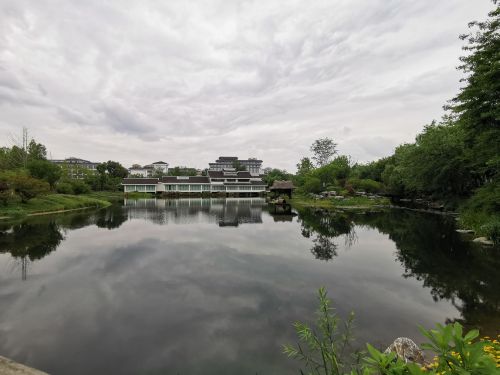
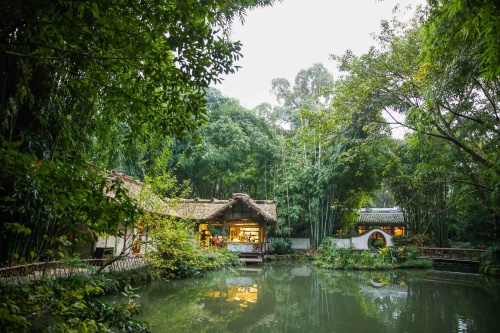
- The surrounding garden has wild deer and seasonal plum blossoms in late winter, a quiet escape most museum-only visitors skip entirely.
- Catch the short English interpretive films between halls; they connect the artifacts far better than the object labels alone.
- Visit on a weekday between 10am and 2pm; weekends and the Chengdu school holidays pack the in-situ dome with local families.
- If pairing with Sanxingdui, do Jinsha second; its clearer English explanations make more sense after seeing the older bronzes.
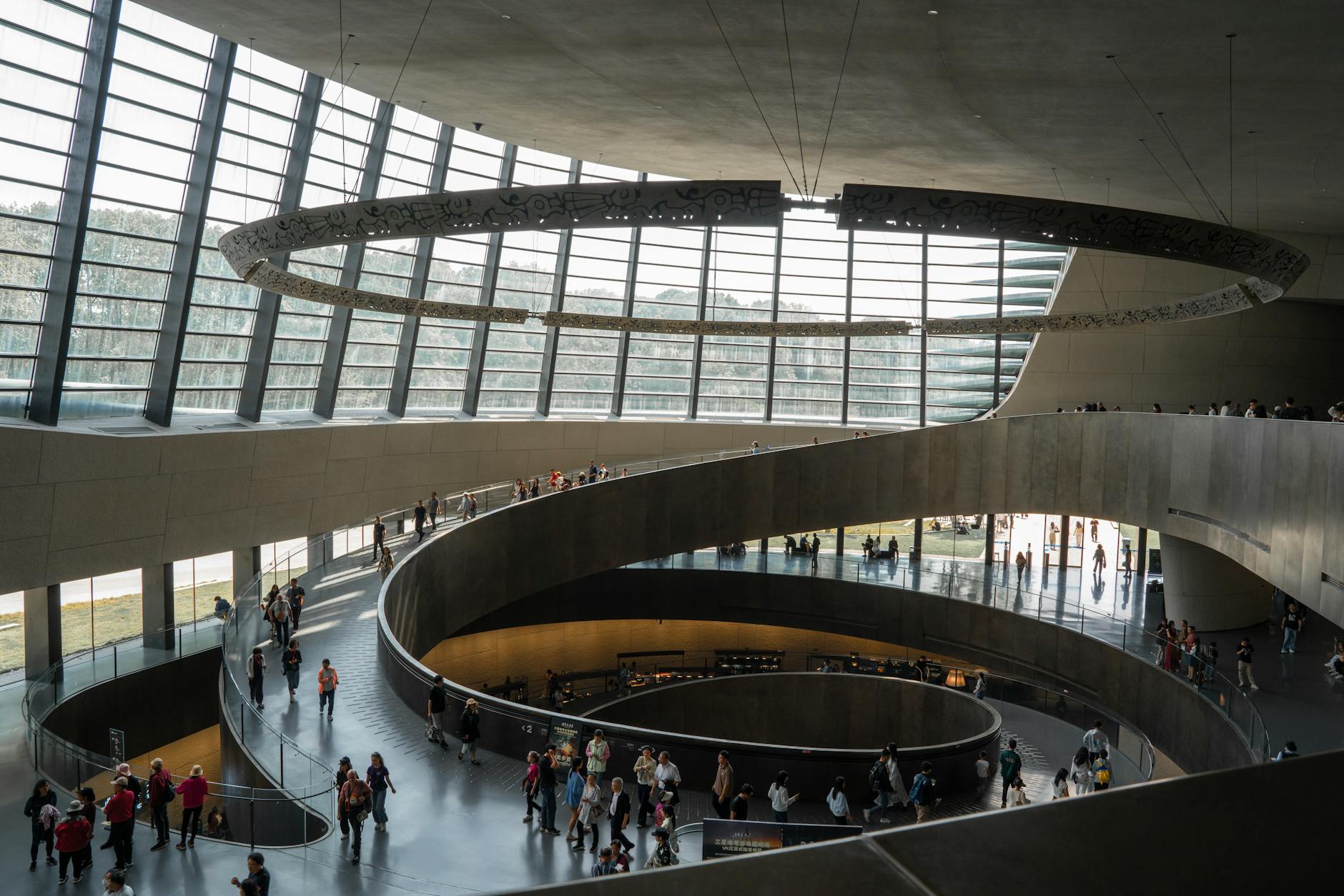
- Photograph the spiral atrium architecture from the upper level for the best clean composition, away from gift-shop foot traffic.
Photos

Show all 14 photosShow fewer


Frequently asked questions about Jinsha Site Museum
- What is the Gold Sun Bird and why does it matter at Jinsha?
- It is a paper-thin gold foil ring, just 0.02mm thick and about 12.5cm across, showing four birds circling a sun. Found here, it became China’s official symbol of cultural heritage. The original is tiny and easy to miss in the crowd, so look for the dedicated display and read the panel beside it.
- Is Jinsha the same as Sanxingdui, or should I visit both?
- They are different sites from the same ancient Shu culture. Jinsha sits inside Chengdu and shows a slightly later phase; Sanxingdui is 40km north with the famous bronze masks. Many visitors do both on consecutive days for the full story, but Jinsha alone gives a clear, well-explained introduction in roughly three hours.
- Do I need my passport to enter Jinsha Site Museum?
- Yes. Passport booking is required, so carry the same passport you used to reserve and bring it to the entry gate. English interpretive videos are available inside, and the museum offers an English tour option. Allow about three hours to cover the in-situ excavation dome and all five halls without rushing.
More in Chengdu
Plan your Chengdu trip
- Chengdu vs Chongqing Hotpot — The Real DifferenceItineraries · 8 min read
- Chengdu vs Chongqing — Which Sichuan City Should a First-Timer Pick?Itineraries · 9 min read
- China High-Speed Rail (Gaotie) — The 2026 Foreigner’s GuideTransit · 11 min read
- Does Google Maps Work in China? (No — Here’s What Does, 2026)Internet & Apps · 9 min read
- China Trip Pre-Departure Checklist — The 30-Day TimelineVisa & Entry · 10 min read
- 240-Hour Visa-Free Transit to China — 2026 GuideVisa & Entry · 11 min read
- How to Use Alipay as a Foreigner in China — 2026 GuidePayments · 11 min read
Trip.com link earns us a small commission · disclosure