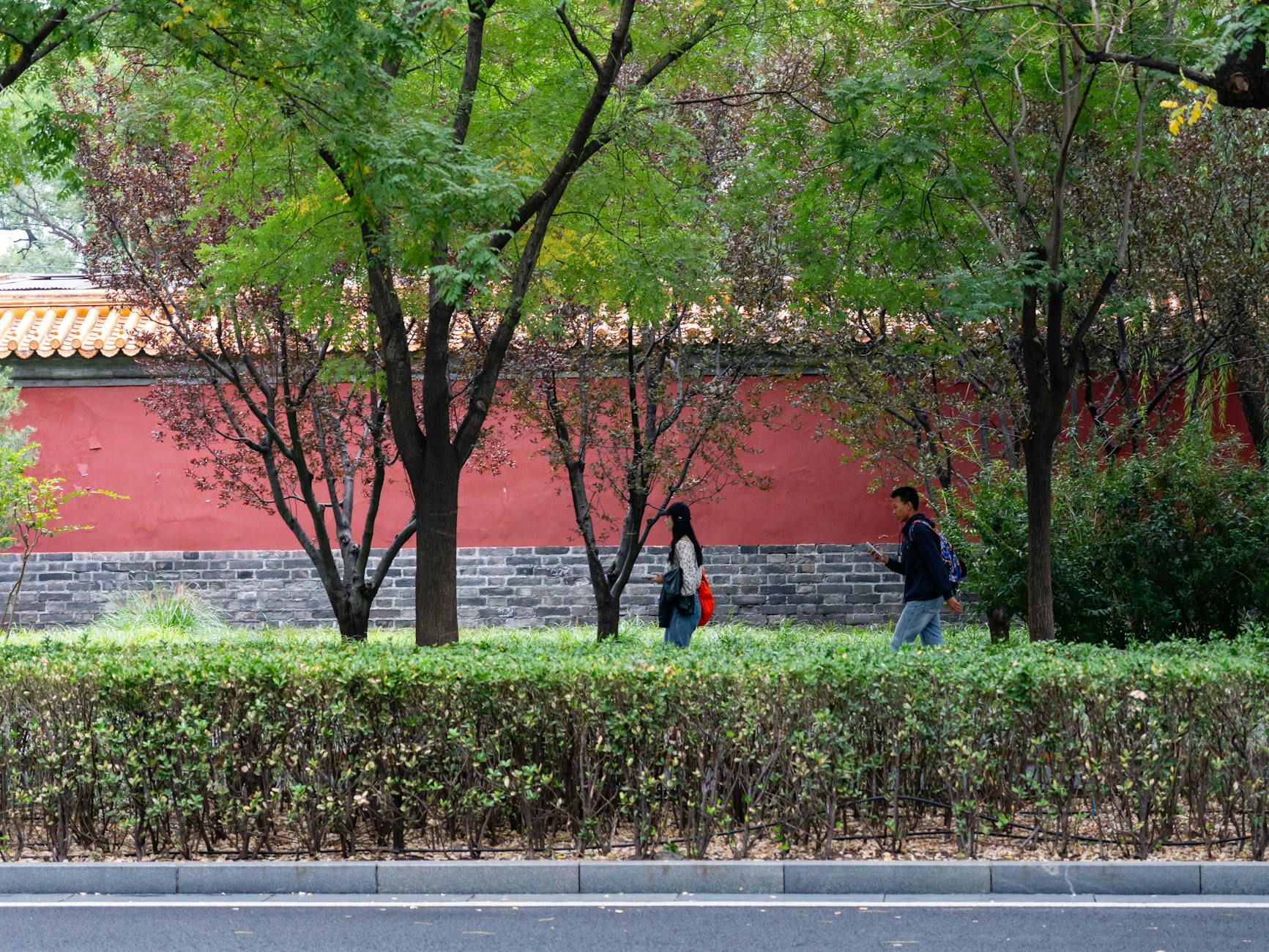
Beijing’s most beautiful Tibetan Buddhist temple — Emperor Yongzheng’s former palace, now an active monastery.
At a glance
- What it is
- Heritage Site
- Also known as
- 雍和宫 (Yōng Hé Gōng)
- Opening hours
- 9 AM – 4:30 PM
- Time needed
- 1.5-2 hours
- Best time to visit
- Weekday mornings 9:00-11:00
- Getting there
- Metro to the door
- English
- Some English signage
- Cards accepted
- Cash only
- Entry
- Walk-in — no booking · tickets & prices →
- Wi-Fi
- No public Wi-Fi
- Address
- 12 Yonghegong St, Dongcheng District, Beijing · 东城区雍和宫大街12号
See Yonghe Temple (Lama Temple) tickets & tours
Trip.com link · we earn a small commission · disclosure
Yonghe Temple (Lama Temple) map & getting there
Taxi / DiDi? Show the driver: 东城区雍和宫大街12号 · 12 Yonghegong St, Dongcheng District, Beijing
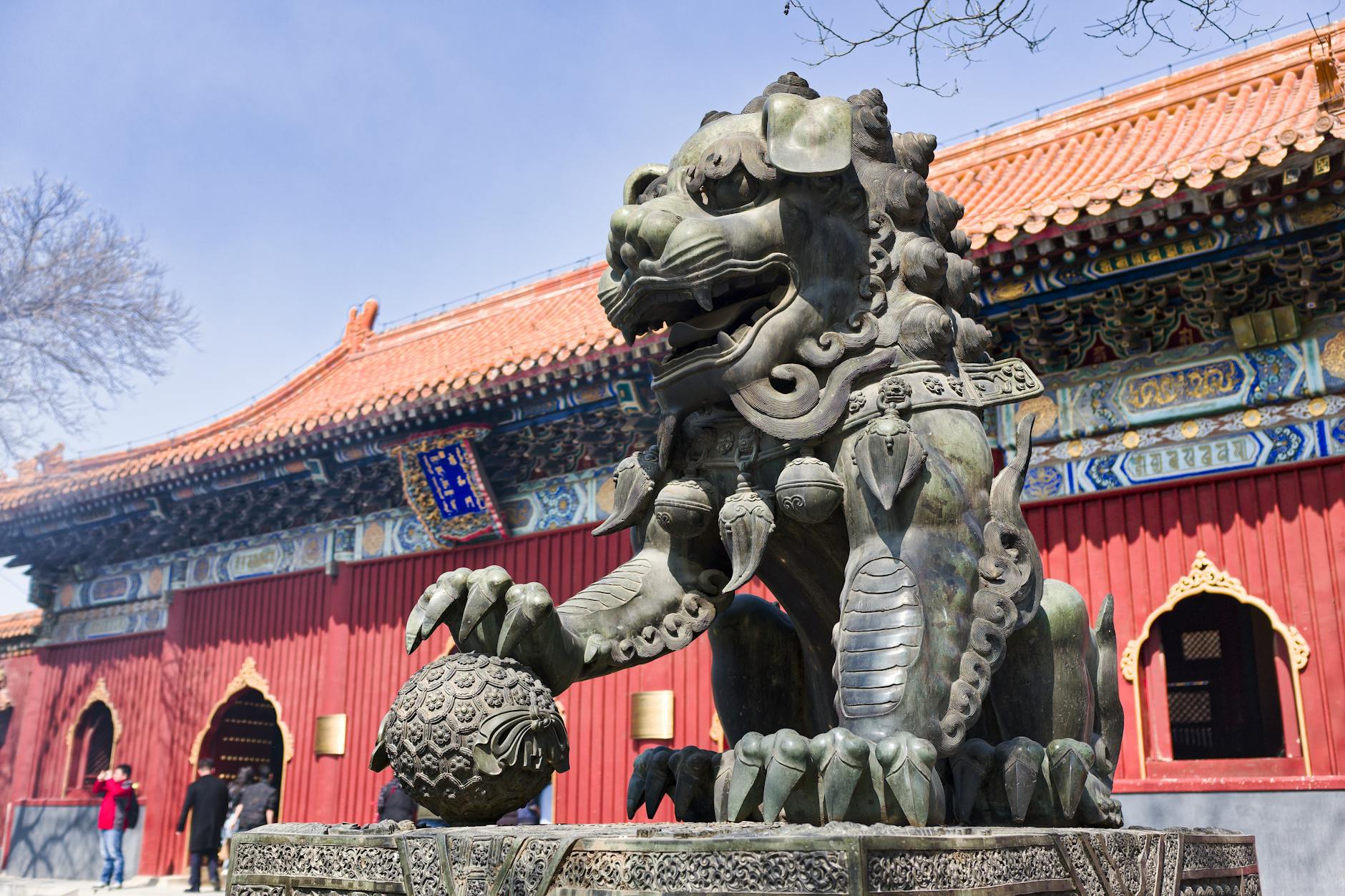
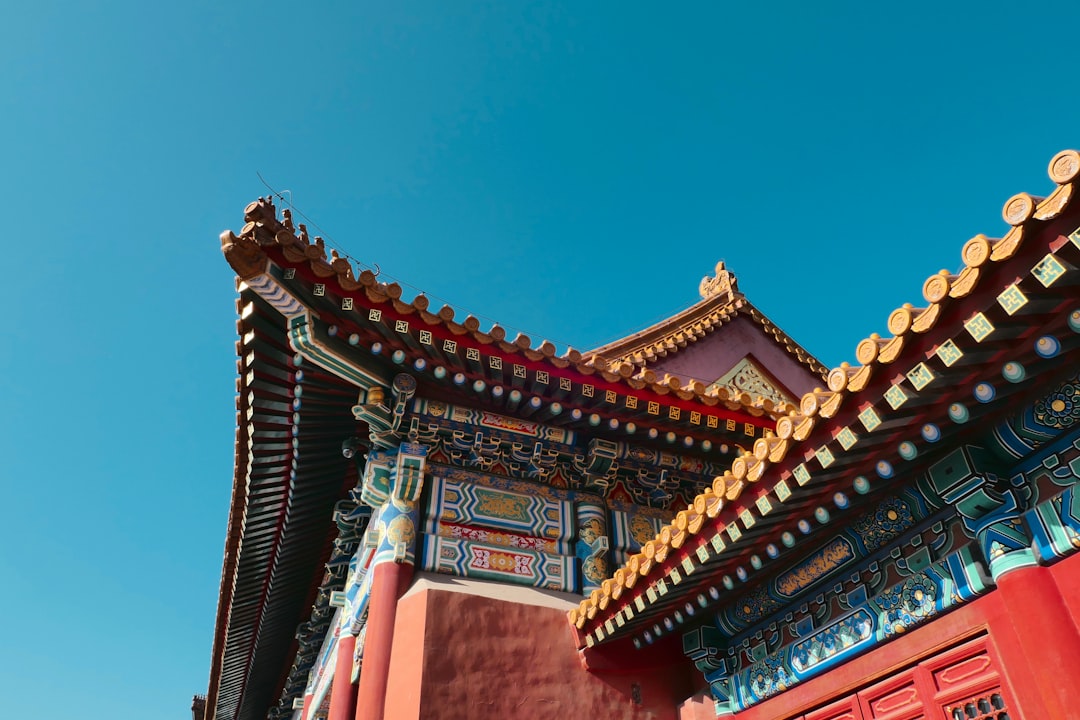
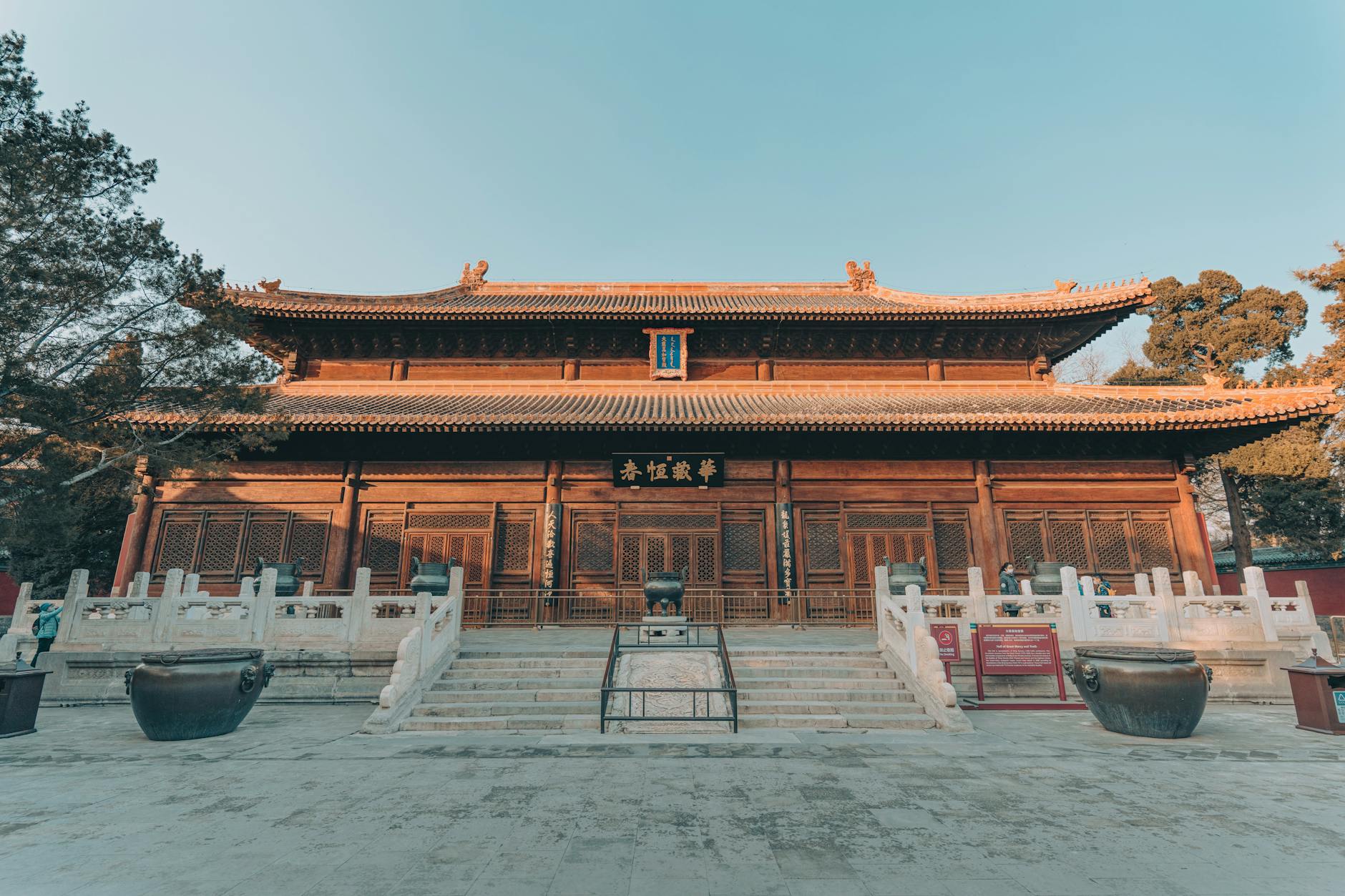
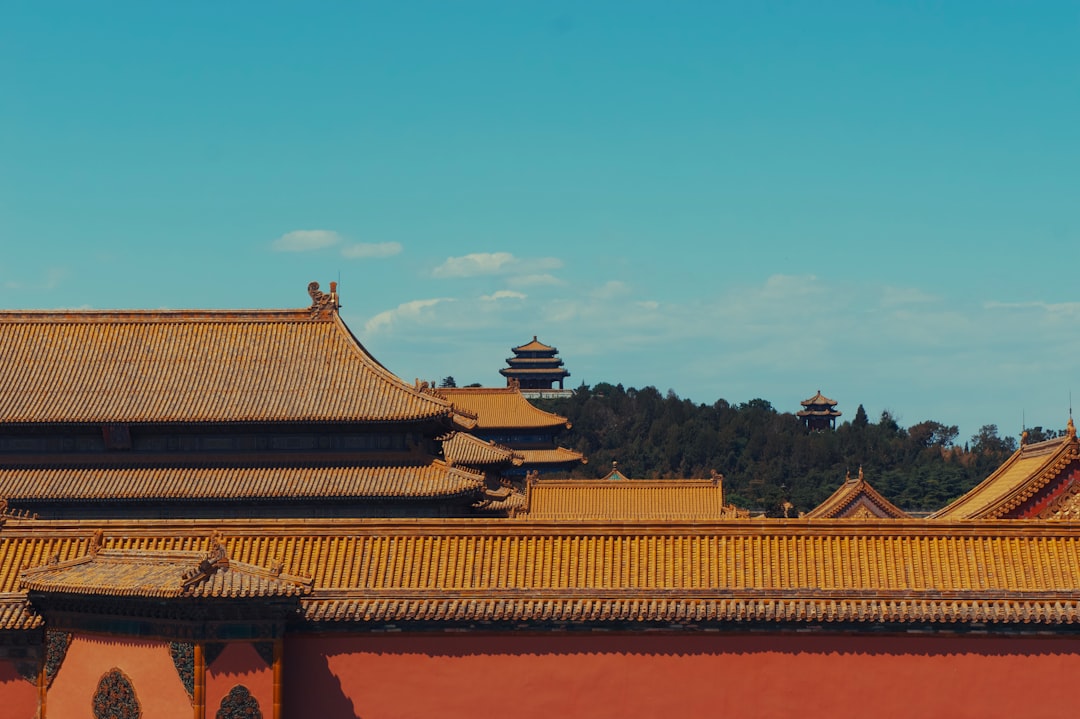
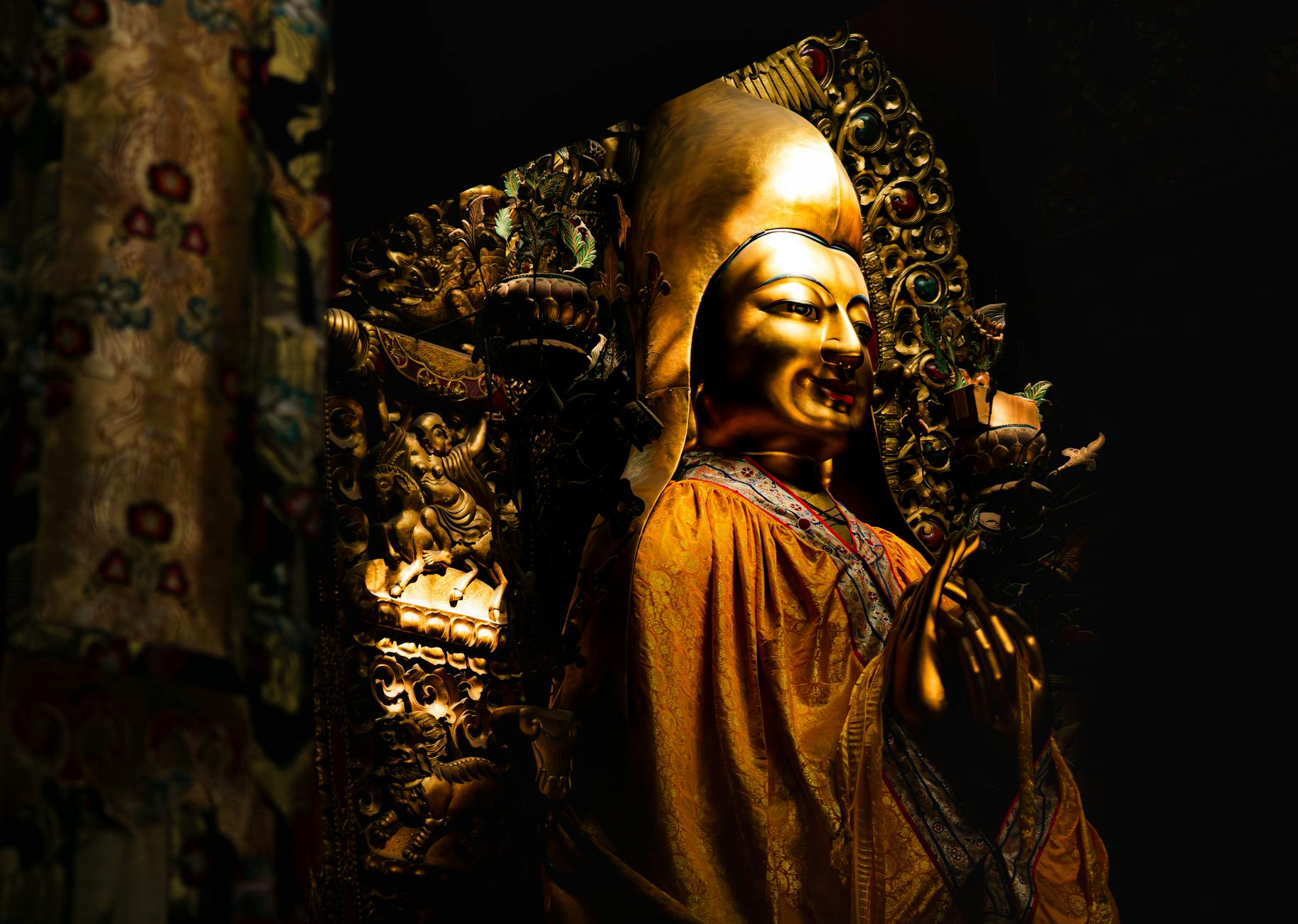
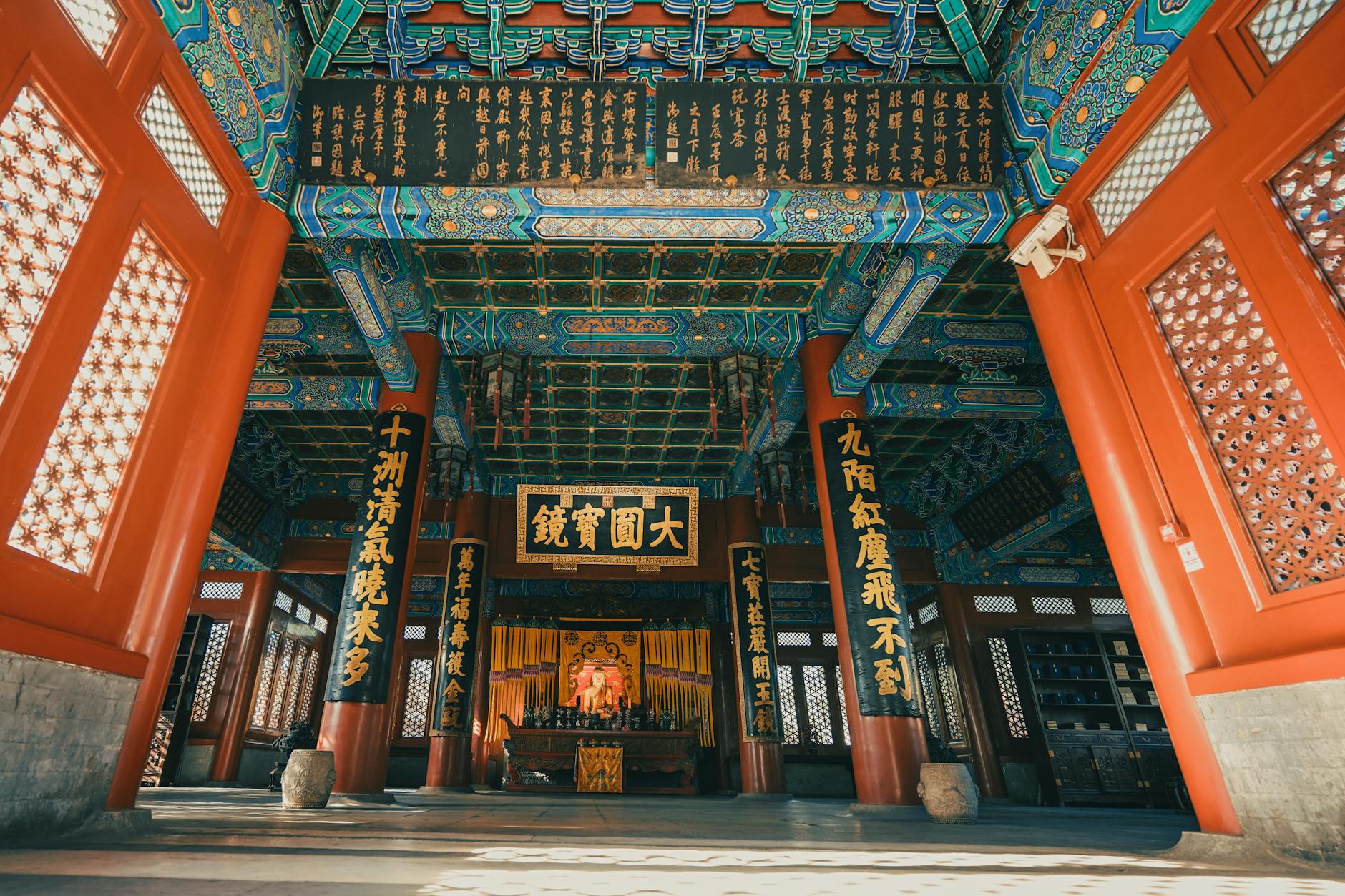
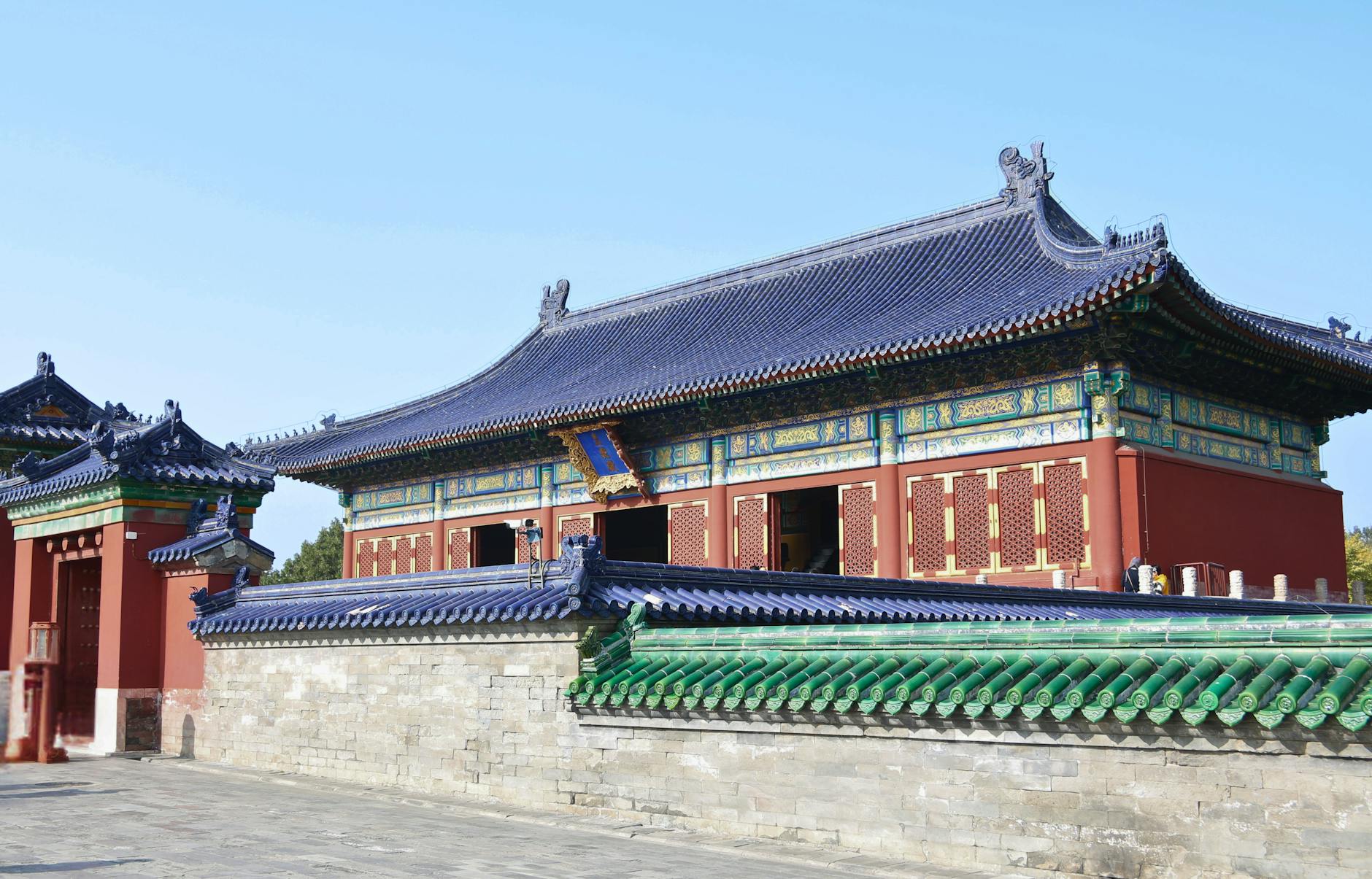
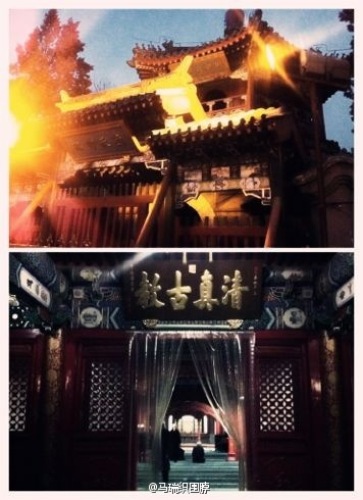
Yonghe Temple, known to tourists as the Lama Temple, was originally built in 1694 as the residence of the Yongzheng Emperor before he ascended the throne. After he became emperor, the building was converted into a Tibetan Buddhist temple in 1722, and it remains one of the largest and most important Tibetan Buddhist monasteries outside of Tibet. The complex stretches along five courtyards on a north-south axis, growing larger and more dramatic as you walk in. The highlight is the Wanfu Pavilion containing the world’s largest Buddha statue carved from a single piece of white sandalwood — 26 meters tall (18m above ground, 8m below), confirmed by Guinness World Records. Active monks chant here daily; you’ll see locals making offerings of fruit, incense, and yak butter. Free incense is provided at the entrance. Modest dress required. Don’t miss the Mandala wood carving in the Hall of the Wheel of Law.
Highlights
- 26m Sandalwood Buddha (檀木大佛)World’s largest single-piece sandalwood Buddha — Guinness record
- Wanfu Pavilion (万福阁)The pavilion built around the colossal Buddha statue
- Free Incense (免费香)Provided at entrance; light at the courtyards, not inside halls
- Active Monastery (常驻僧人)See real monks chanting; modest dress required
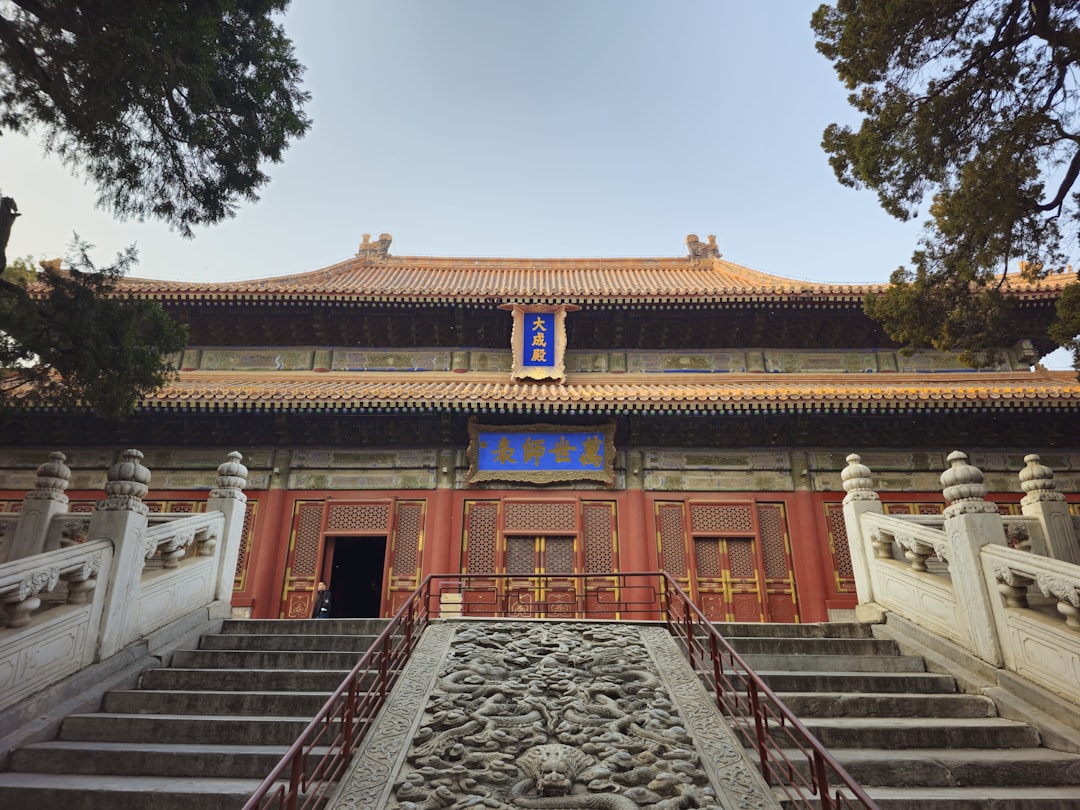
- Combine with Confucius Temple (孔庙)10-minute walk west; two heritage sites in one trip
What Chinese travelers actually do here
Distilled from Chinese-language travel notes — the practical tips most English guides miss.
- Arrive right at opening on a weekday morning; incense smoke and low light through the first courtyards are at their best before crowds build.
- Light the free incense at the courtyards, not inside the halls, and follow how worshippers bow at each gate.
- Save the Wanfu Pavilion for last; the courtyards deliberately build up to the towering sandalwood Buddha at the rear.
- Don’t overlook the intricate Mandala wood carving in the Hall of the Wheel of Law, which most rushed visitors walk past.
- Dress modestly with shoulders and knees covered; this is an active monastery with monks chanting daily, not a museum.
- Walk ten minutes west afterward to the quieter Confucius Temple and Imperial College to round out the morning.
- On the first and fifteenth of the lunar month the temple fills with worshippers, so come another day if you want calm.
Photos
Show all 14 photosShow fewer
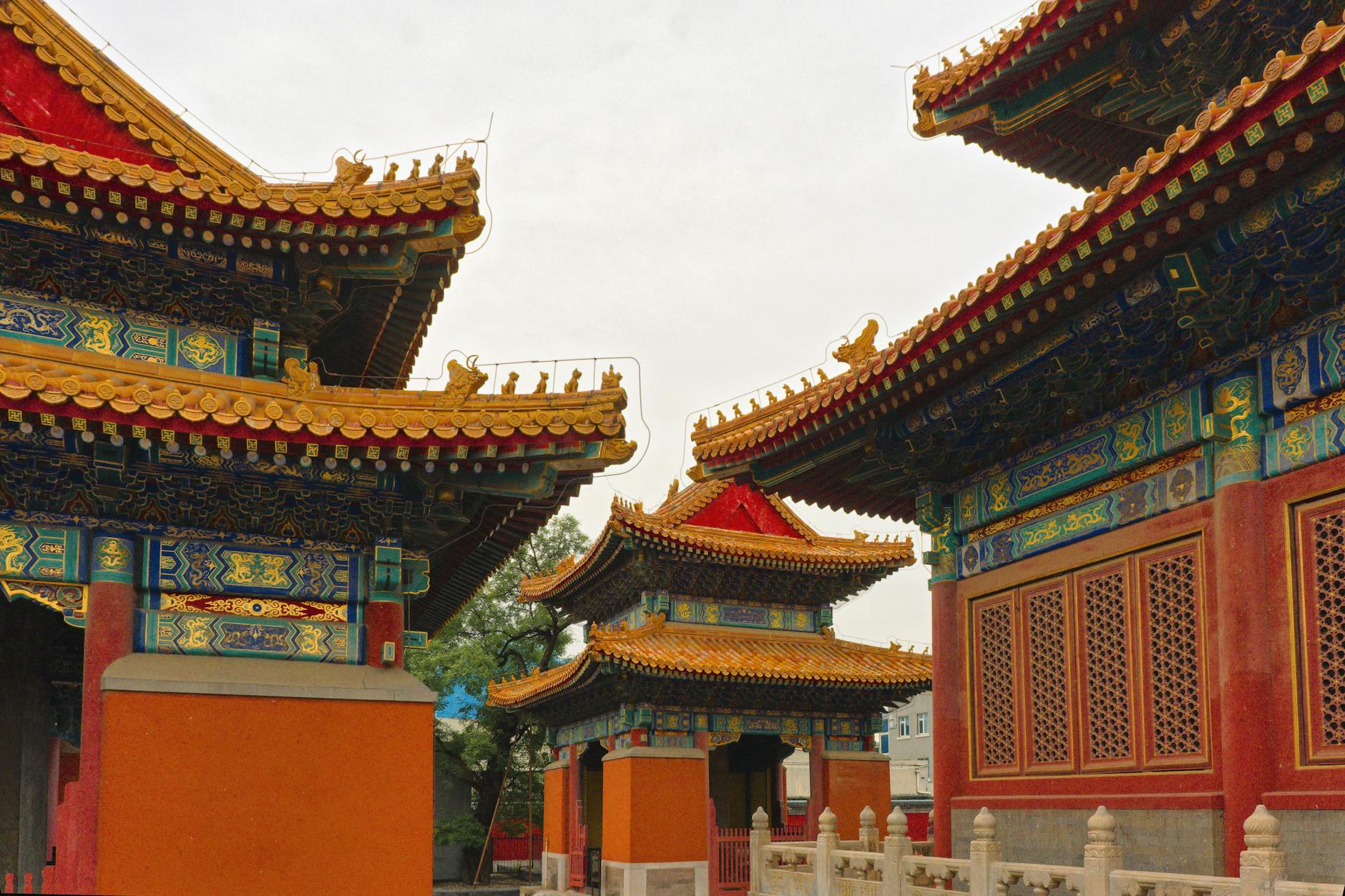
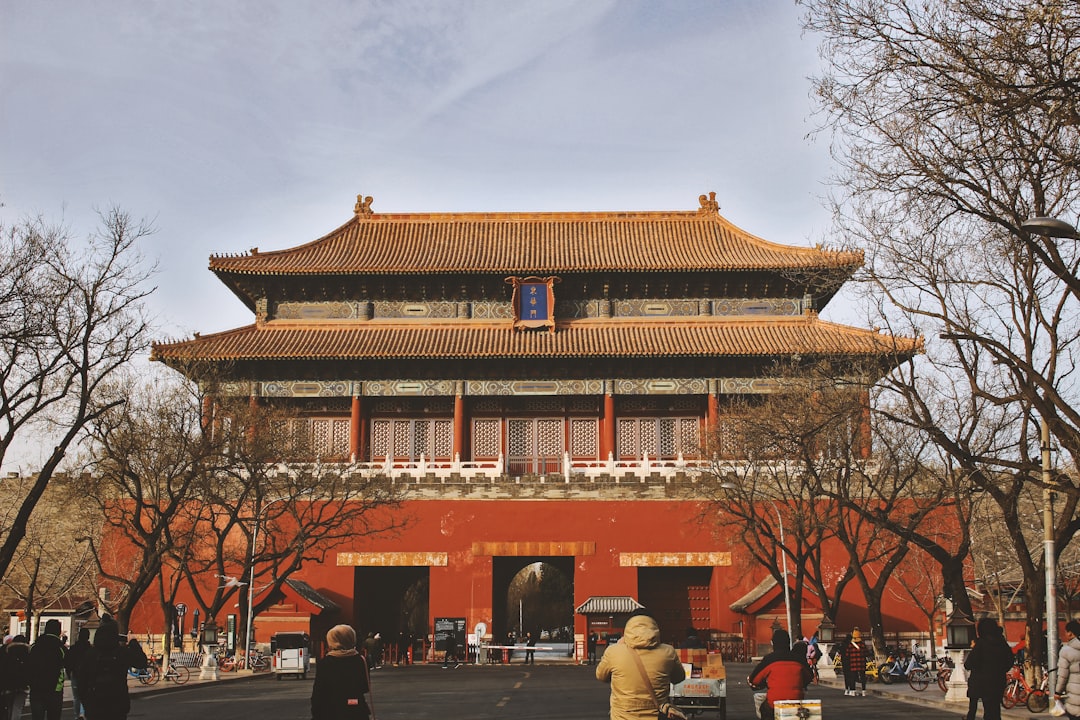
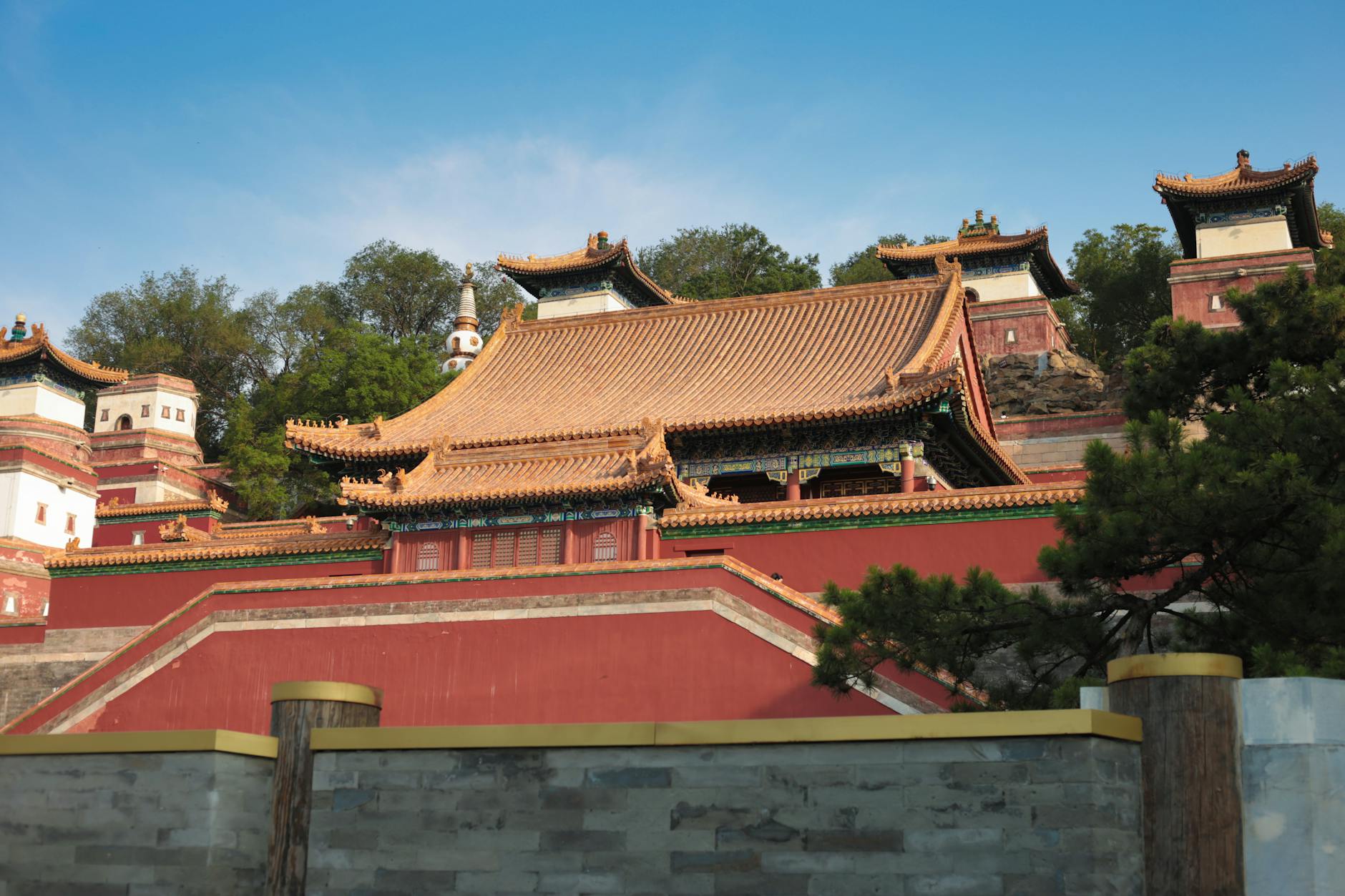
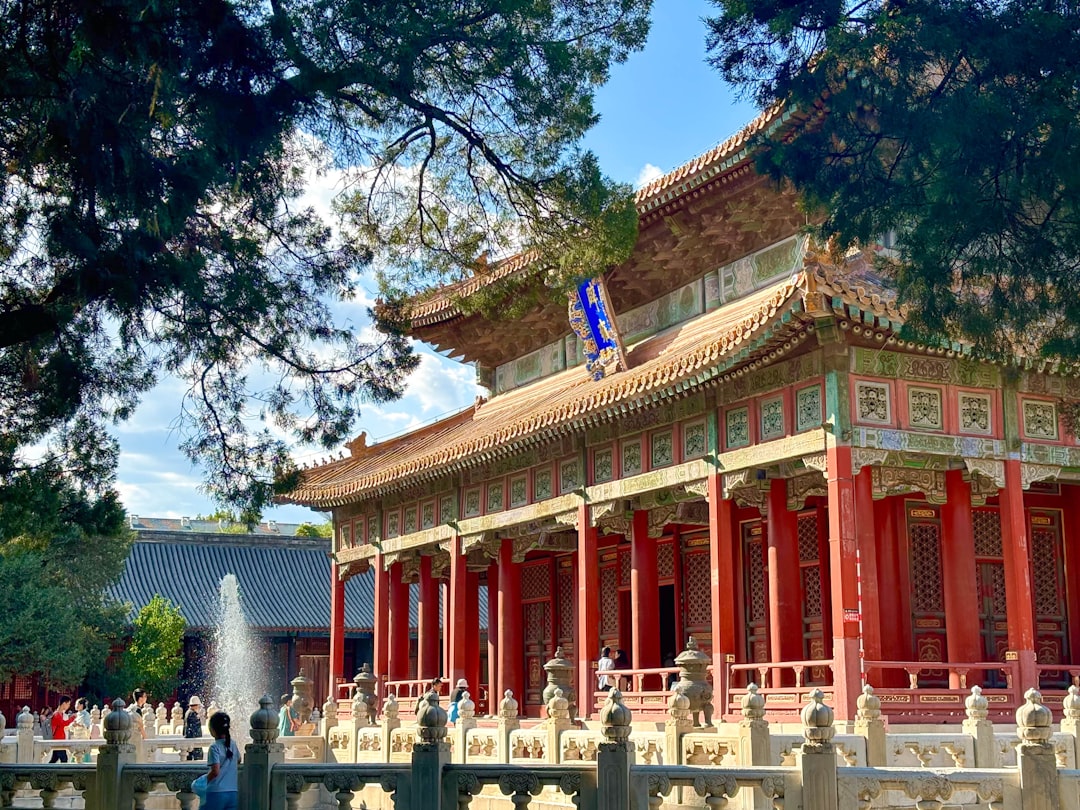
Watch creators visit Yonghe Temple (Lama Temple)
Each clip is timestamped to the moment the creator arrives at this stop.
This Is Beijing — Ancient, Modern, Unbelievable 🇨🇳
CoolVisionStarts at 26:02
Lama Temple
Videos

Frequently asked questions about Yonghe Temple (Lama Temple)
- Is the Lama Temple (Yonghe Temple) worth visiting?
- Yes. It is Beijing’s most beautiful Tibetan Buddhist temple, originally the Yongzheng Emperor’s residence before it became a monastery in 1722. It is still an active place of worship, so you see monks chanting and locals making offerings of incense and fruit. The standout is the Wanfu Pavilion’s 26-meter Buddha carved from a single piece of white sandalwood, a Guinness World Record.
- How do I get to the Lama Temple and do I need to book?
- Take the metro directly to Yonghegong station; the temple entrance is a short walk from the exit. No passport booking is needed. Free incense is provided at the entrance, which you light at the courtyards rather than inside the halls. Modest dress is required since it is a working monastery, not just a tourist site.
- How long should I spend at Yonghe Temple?
- Plan about one and a half to two hours to walk the five courtyards, which grow larger and more dramatic as you move north toward the giant Buddha. Weekday mornings, roughly 9 to 11, are the calmest and most atmospheric. The Confucius Temple is a ten-minute walk west, so many visitors pair the two heritage sites in one trip.
More in Beijing
Plan your Beijing trip
- Beijing Subway Guide for English Speakers — 2026Transit · 8 min read
- Mutianyu Great Wall Day Trip from Beijing — The 2026 GuideItineraries · 10 min read
- Beijing vs Xi’an — Which Ancient Capital Should a History Traveler Pick?Itineraries · 9 min read
- Beijing, Xi’an & Shanghai: A 7-Day Itinerary That Actually Books (2026)Itineraries · 14 min read
- Beijing Capital Airport (PEK) to the City Center — Which Way In Is Worth ItTransit · 10 min read
- Beijing Daxing Airport (PKX) to the City Center — Every Option Compared for 2026Transit · 10 min read
Trip.com link earns us a small commission · disclosure