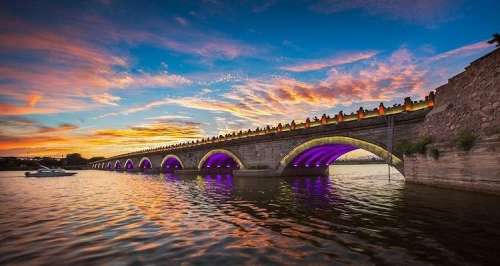
Marco Polo’s ‘most beautiful bridge in the world’ (1192) — and the trigger site of the 1937 Sino-Japanese War.
At a glance
- What it is
- Heritage Site
- Also known as
- 卢沟桥 (Lú Gōu Qiáo)
- Opening hours
- 7 AM – 6 PM
- Time needed
- 1.5-2 hours
- Best time to visit
- Weekday morning
- Getting there
- Taxi / DiDi from metro
- English
- Some English signage
- Cards accepted
- Cash only
- Entry
- Walk-in — no booking · tickets & prices →
- Wi-Fi
- No public Wi-Fi
- Address
- Lugou Nanli, Fengtai District, Beijing · 丰台区卢沟桥南里
See Lugou Bridge (Marco Polo Bridge) tickets & tours
Trip.com link · we earn a small commission · disclosure
Lugou Bridge (Marco Polo Bridge) map & getting there
Taxi / DiDi? Show the driver: 丰台区卢沟桥南里 · Lugou Nanli, Fengtai District, Beijing
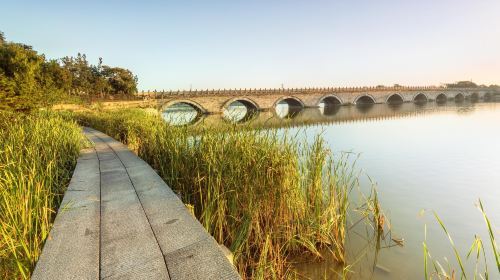
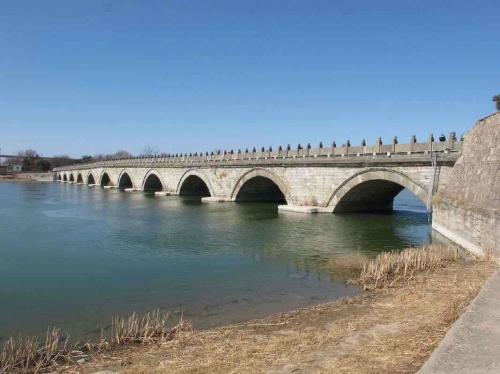
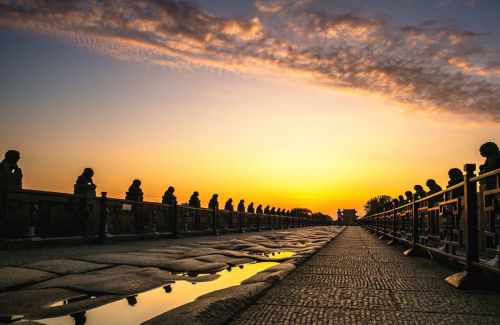
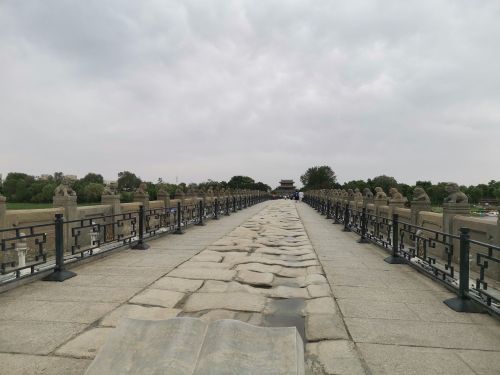
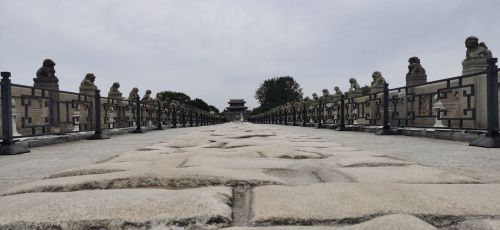
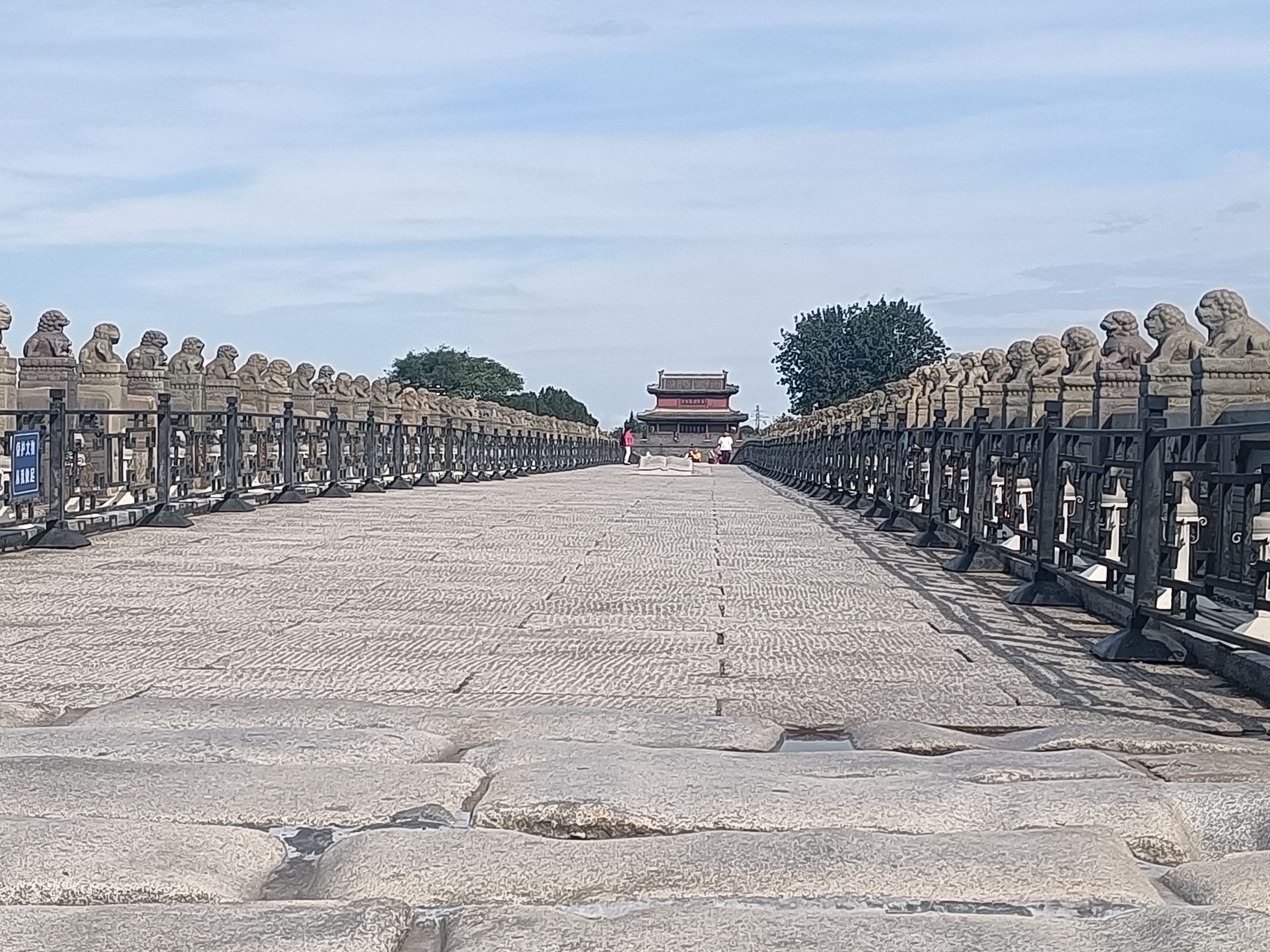
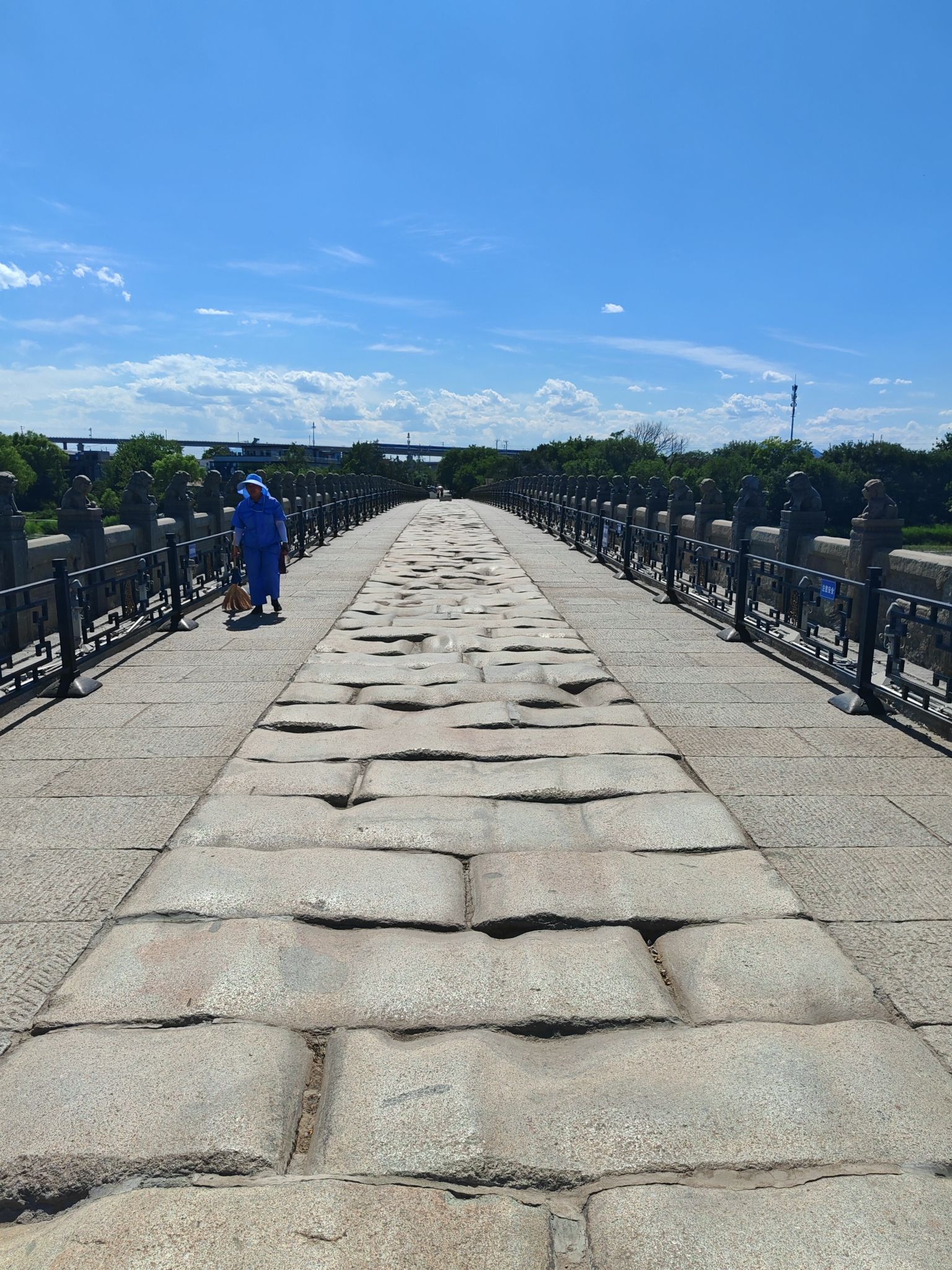
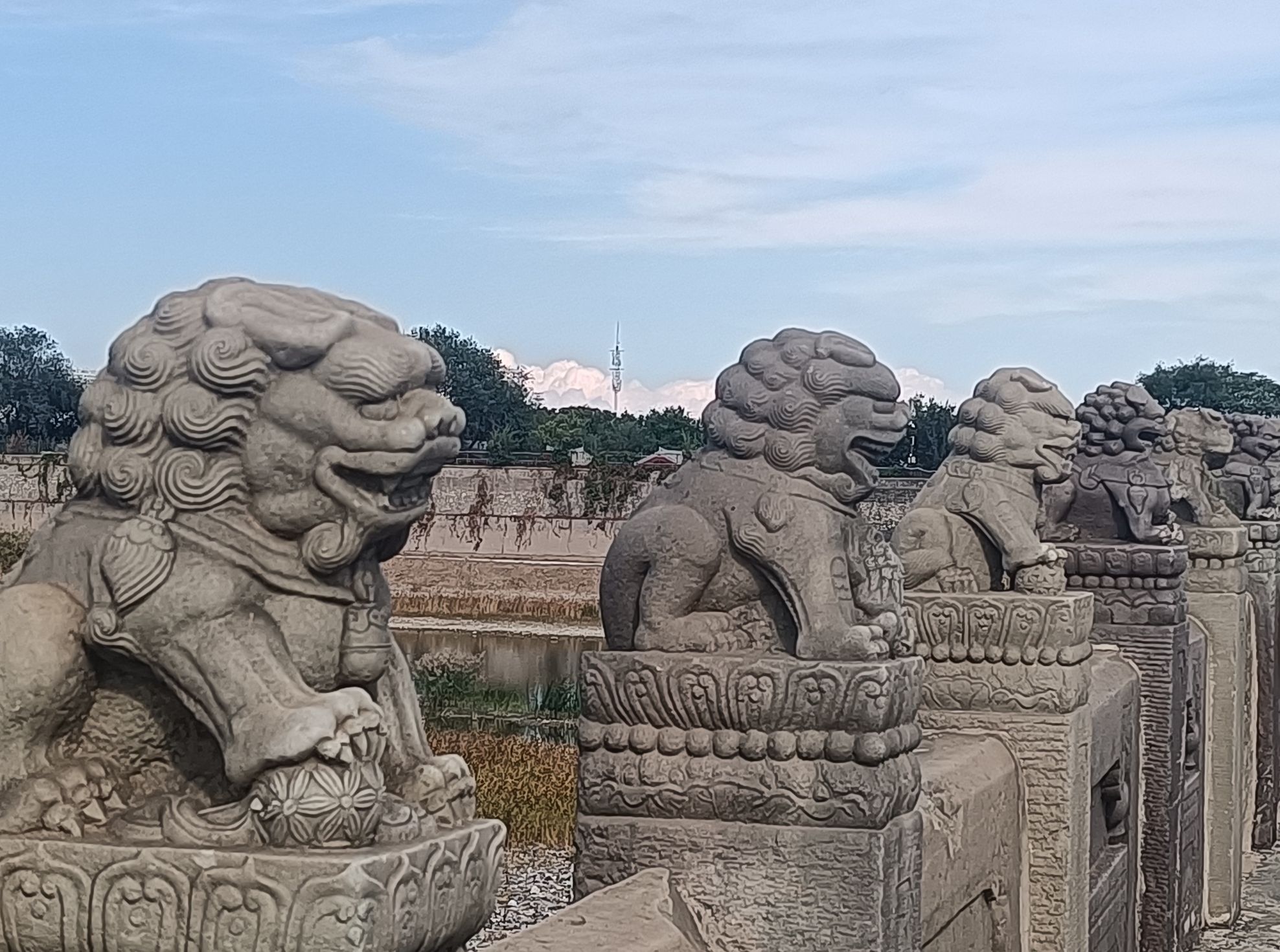
Lugou Bridge — known in the West as Marco Polo Bridge after the Venetian’s enthusiastic 13th-century description — was built in 1192 during the Jin dynasty and remains one of the oldest stone arch bridges in northern China. Its eleven arches span 266 meters over the Yongding River, and the parapets are decorated with 485 carved stone lions — “no two alike” is the local saying, though many were re-carved over the centuries. Historically significant for two reasons: Marco Polo praised it lavishly in his Travels (a 17th-century European literary milestone), and on July 7, 1937, a small-arms clash on this bridge between Chinese and Japanese troops triggered the full-scale Second Sino-Japanese War — making it one of the most politically charged historical sites in China. The Anti-Japanese War Memorial Hall sits at the bridge’s east end. Located in Fengtai District 17 km southwest of central Beijing; reach via Metro Line 14 (Dawayao Station) then 15-min walk, or by taxi.
Highlights
- 485 Stone Lions (485只石狮)Carved into the bridge parapets; locals say no two are identical
- 1937 War Trigger SiteJuly 7, 1937 incident here started the full Sino-Japanese War
- Anti-Japanese War MuseumAt east end; free entry with passport; sobering exhibits
- Marco Polo’s PraiseDescribed in his Travels as a marvel of bridge engineering
- 11 Stone Arches, 266 Meters1192 Jin dynasty original; one of north China’s oldest bridges
What Chinese travelers actually do here
Distilled from Chinese-language travel notes — the practical tips most English guides miss.
- Bring your passport; the Anti-Japanese War Memorial Hall at the east end needs it for free entry.
- Come on a weekday morning; weekends draw domestic school and tour groups to this patriotic site.
- Photograph the stone lions in low side-light early or late; midday flattens their carved detail.
- This is a politically sensitive war site for Chinese visitors, so keep commentary respectful.
- Count lions on a few posts as you walk; spotting how no two match is the local game.
- It’s well outside the center, so pair it with nothing else and budget the round-trip time.
- Carry cash; the area is cash-only and far from the card-friendly tourist core.
Photos
Show all 8 photosShow fewer
Videos


Frequently asked questions about Lugou Bridge (Marco Polo Bridge)
- How do I get to Lugou (Marco Polo) Bridge from central Beijing?
- The bridge sits in Fengtai District, about 17 km southwest of the center. Take Metro Line 14 to Dawayao Station, then walk roughly 15 minutes, or take a taxi door to door. It’s not as metro-convenient as central sights, so a weekday morning trip helps you avoid both traffic and crowds.
- Is Lugou Bridge worth visiting?
- Yes, if you care about history. Built in 1192, it’s one of northern China’s oldest stone arch bridges, praised by Marco Polo, and famous for 485 carved stone lions that locals say are all different. It’s also where the July 7, 1937 incident triggered the full Sino-Japanese War, making it a deeply significant site.
- What is there to see besides the bridge itself?
- At the bridge’s east end is the Anti-Japanese War Memorial Hall, with sobering exhibits on the 1937 conflict; entry is free with your passport. Allow 1.5 to 2 hours total to walk the 266-meter span, study the stone lions, and visit the museum. The river setting is quiet and uncrowded on weekdays.
More in Beijing
Plan your Beijing trip
- Beijing Subway Guide for English Speakers — 2026Transit · 8 min read
- Mutianyu Great Wall Day Trip from Beijing — The 2026 GuideItineraries · 10 min read
- Beijing vs Xi’an — Which Ancient Capital Should a History Traveler Pick?Itineraries · 9 min read
- Beijing, Xi’an & Shanghai: A 7-Day Itinerary That Actually Books (2026)Itineraries · 14 min read
- Beijing Capital Airport (PEK) to the City Center — Which Way In Is Worth ItTransit · 10 min read
- Beijing Daxing Airport (PKX) to the City Center — Every Option Compared for 2026Transit · 10 min read
Trip.com link earns us a small commission · disclosure