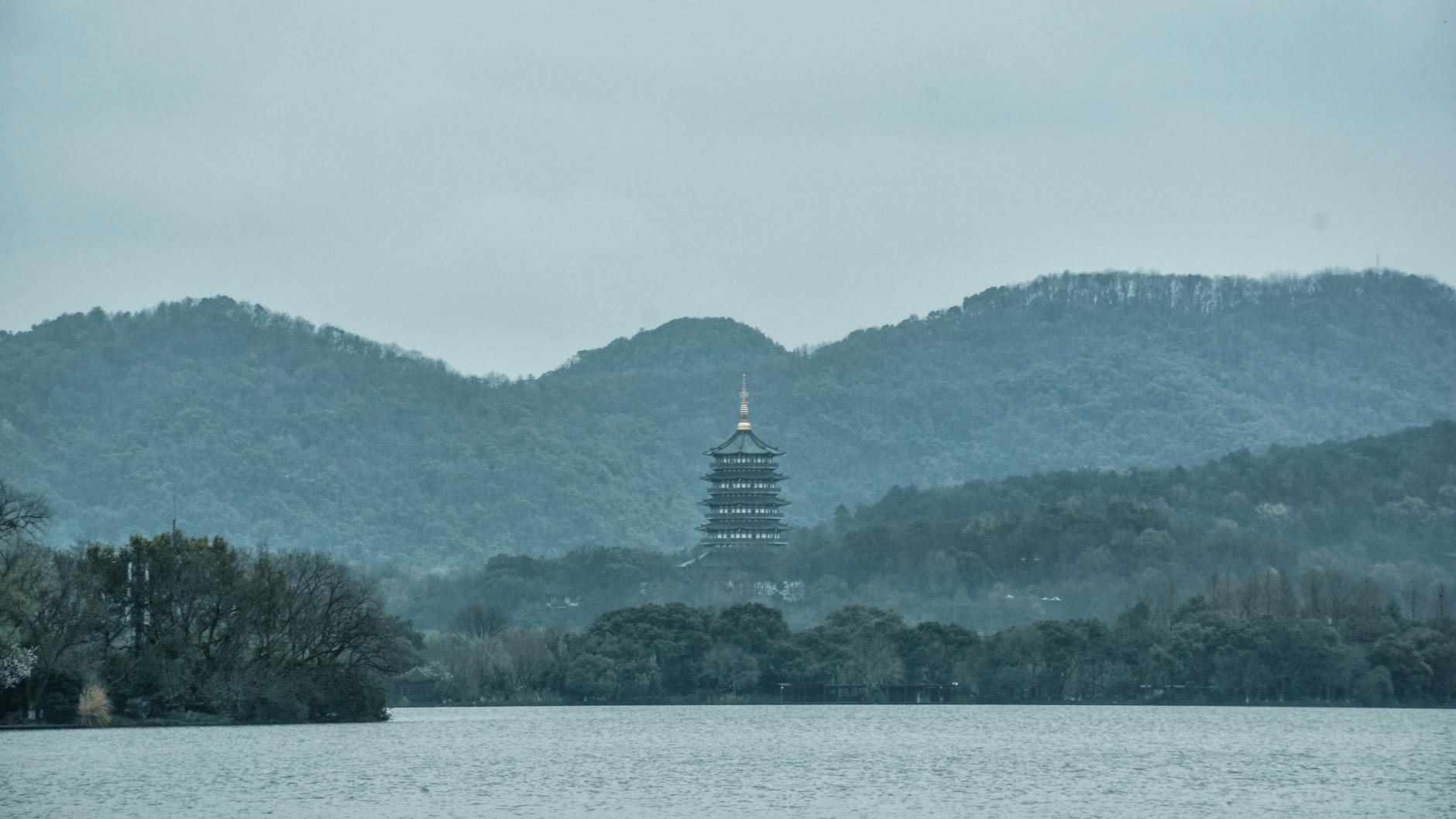
970 CE Northern Song-era 13-story brick + wood pagoda overlooking the Qiantang River — built to control the river’s famous tidal bore.
At a glance
- What it is
- Heritage Site
- Also known as
- 六和塔 (Liù Hé Tǎ)
- Opening hours
- 7:30 AM – 6 PM
- Time needed
- 1.5 hours
- Best time to visit
- Mid-Autumn Festival weekend (tidal bore season)
- Getting there
- Taxi / DiDi from metro
- English
- Some English signage
- Cards accepted
- Visa, Mastercard
- Entry
- Passport booking recommended
- Wi-Fi
- Free Wi-Fi
- Address
- 16 Zhijiang Rd, Hangzhou · 之江路 16 号
Six Harmonies Pagoda map & getting there
Taxi / DiDi? Show the driver: 之江路 16 号 · 16 Zhijiang Rd, Hangzhou
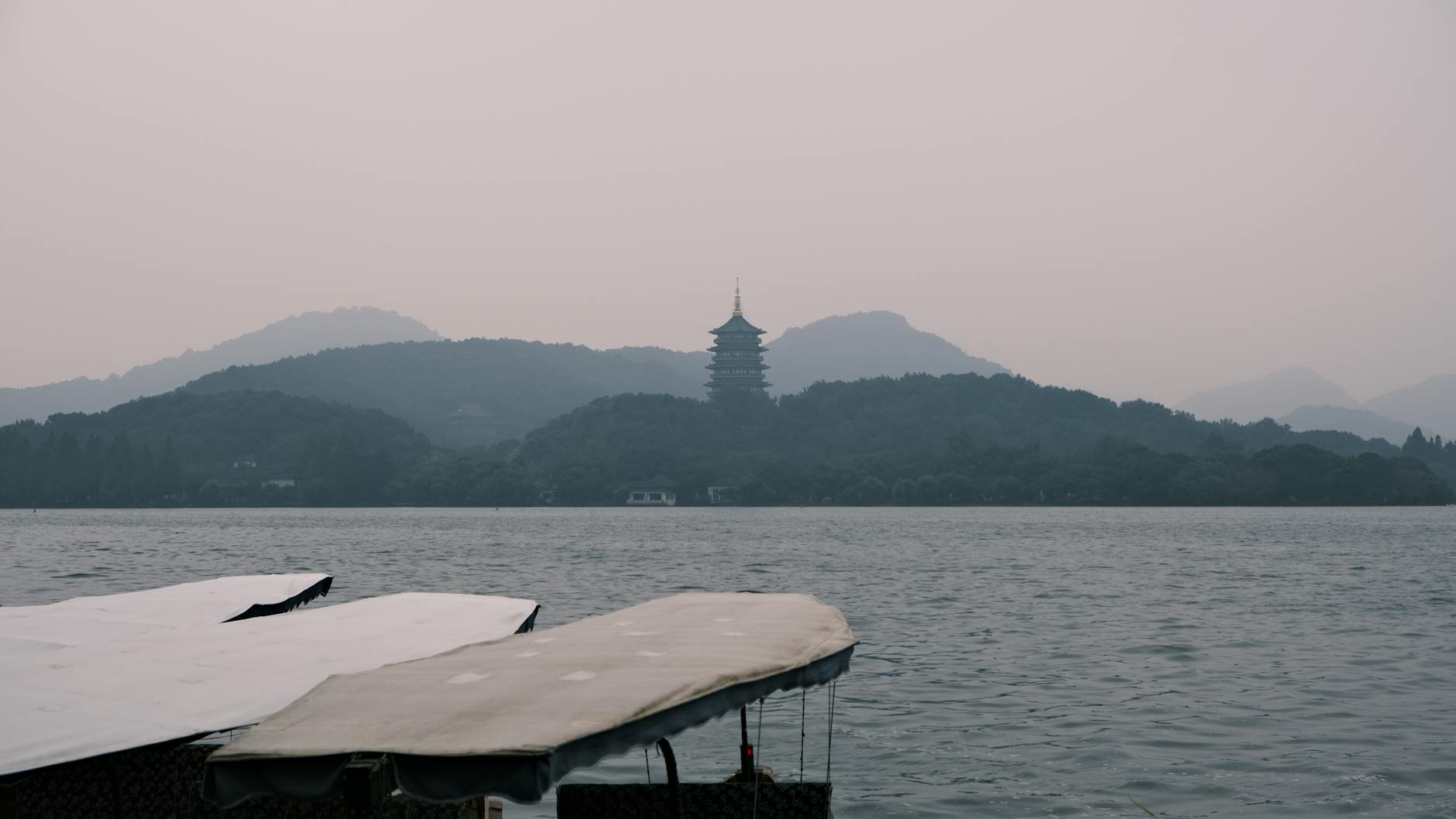
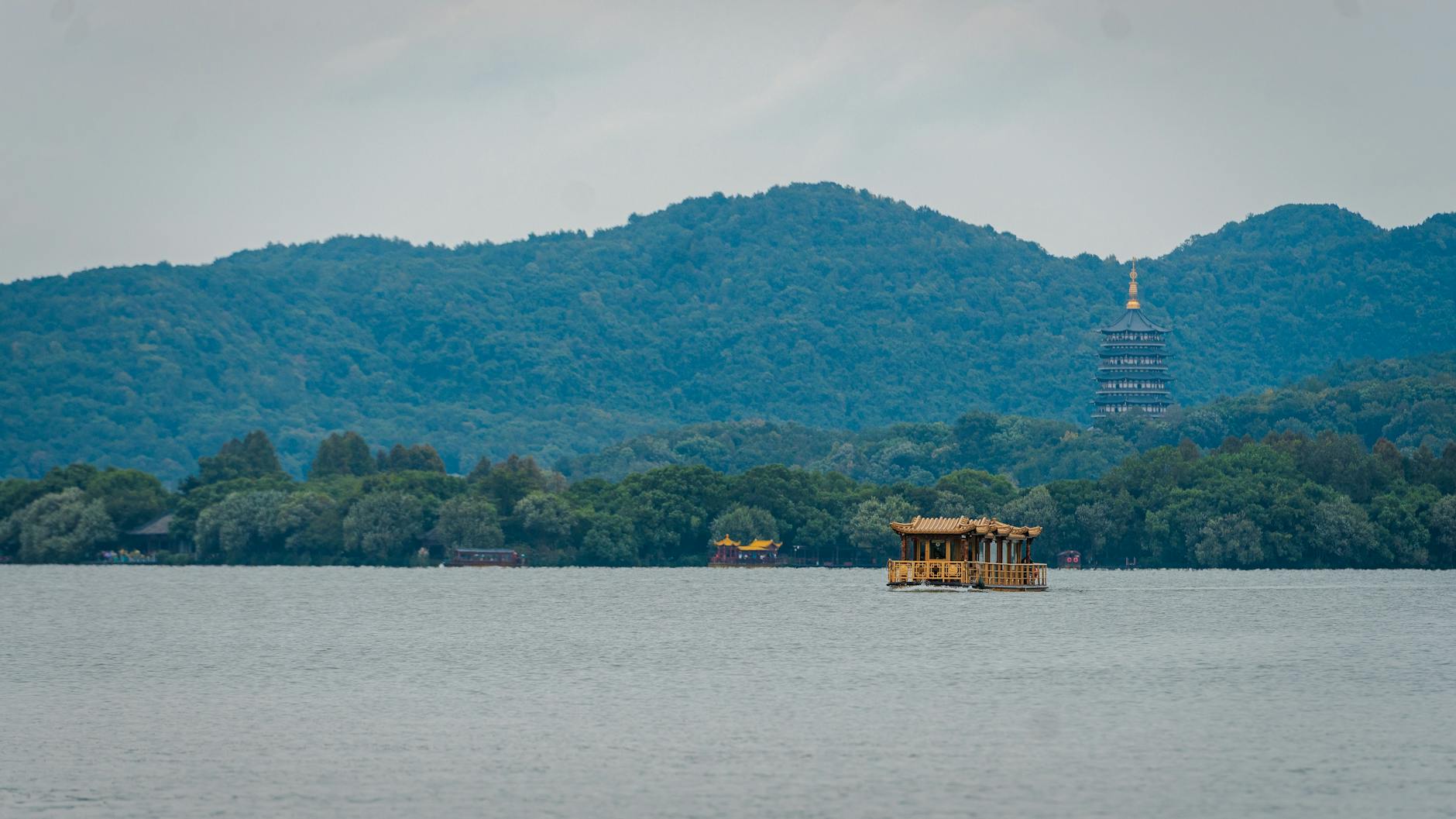
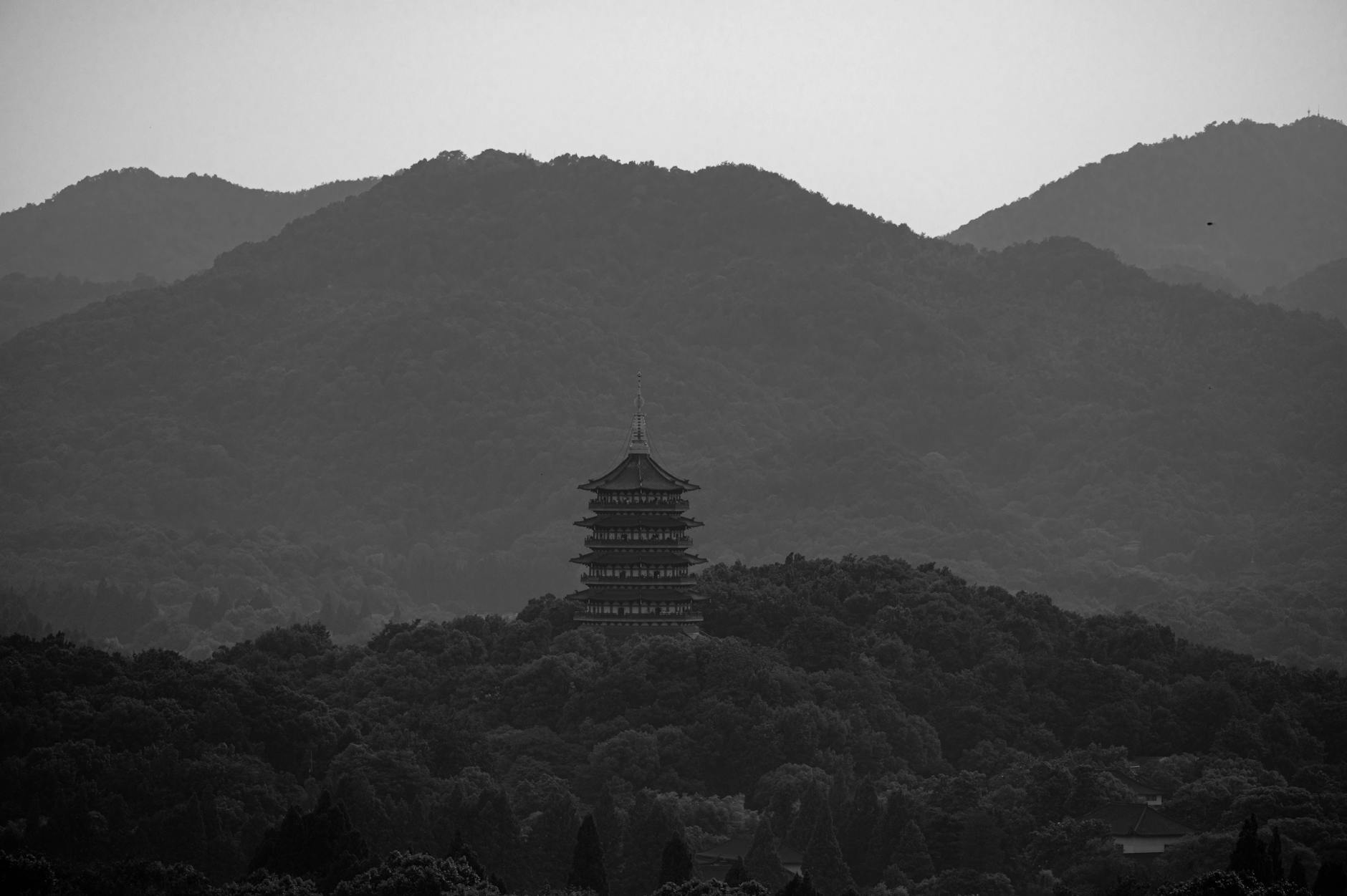
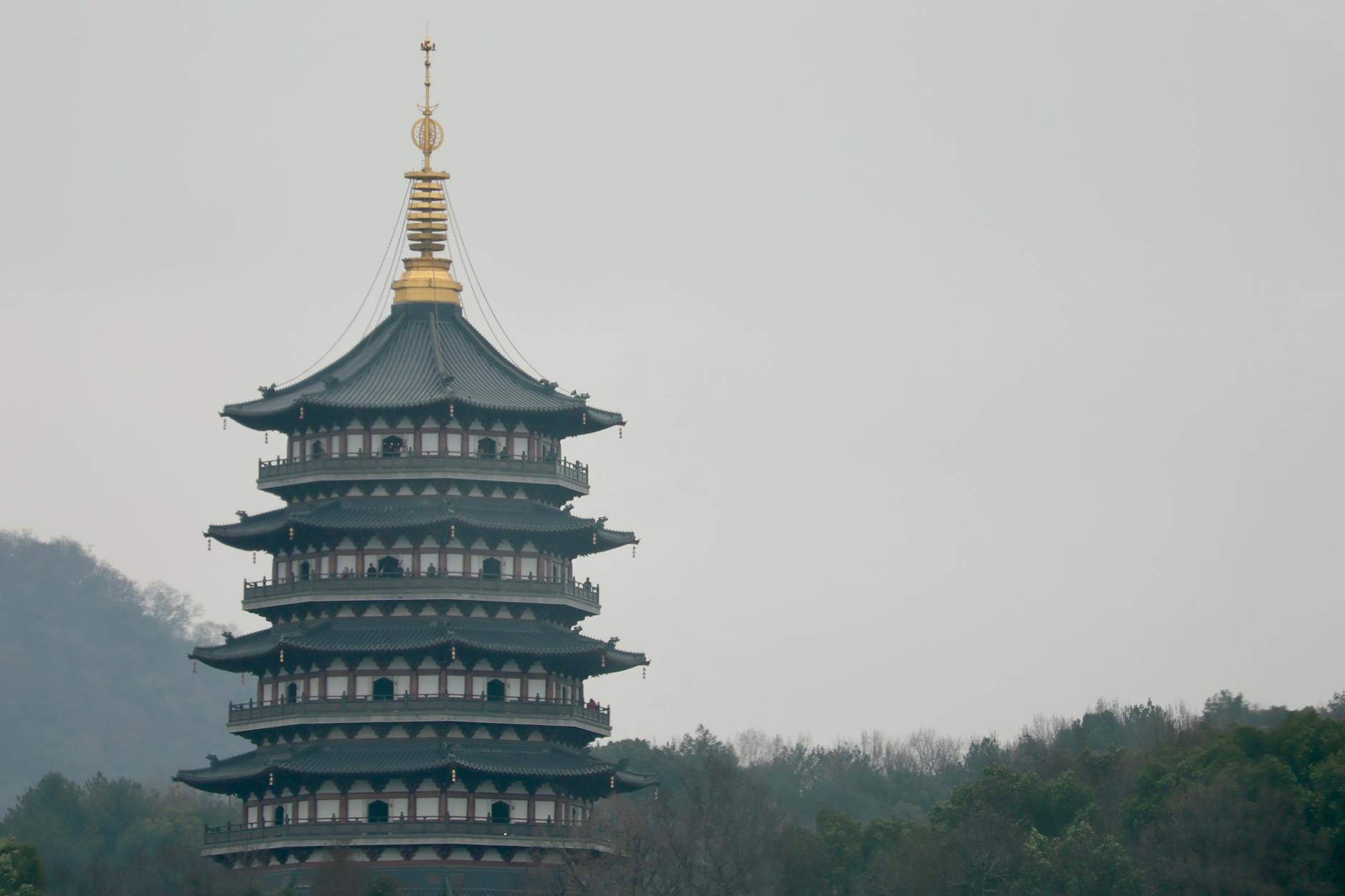
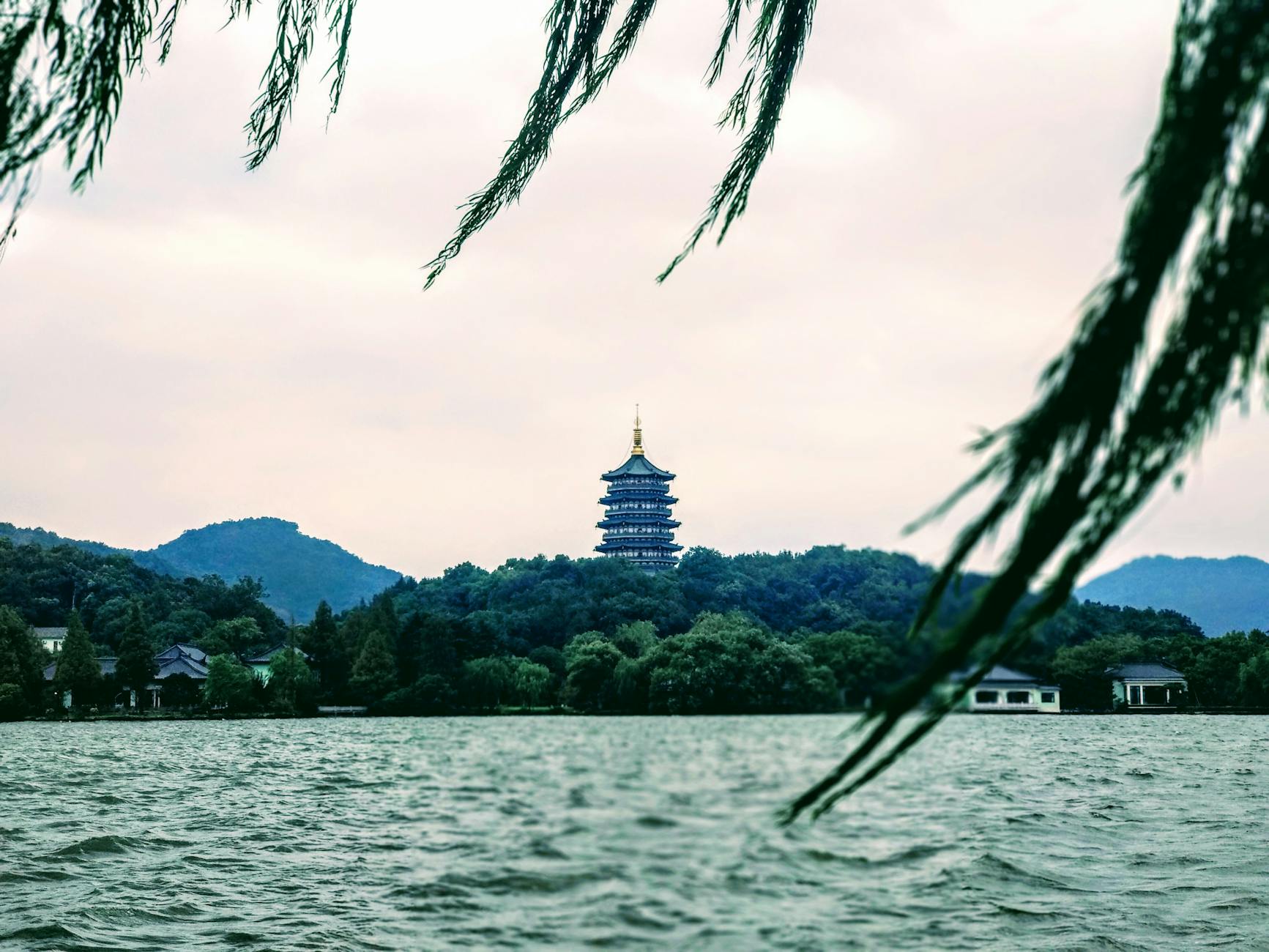
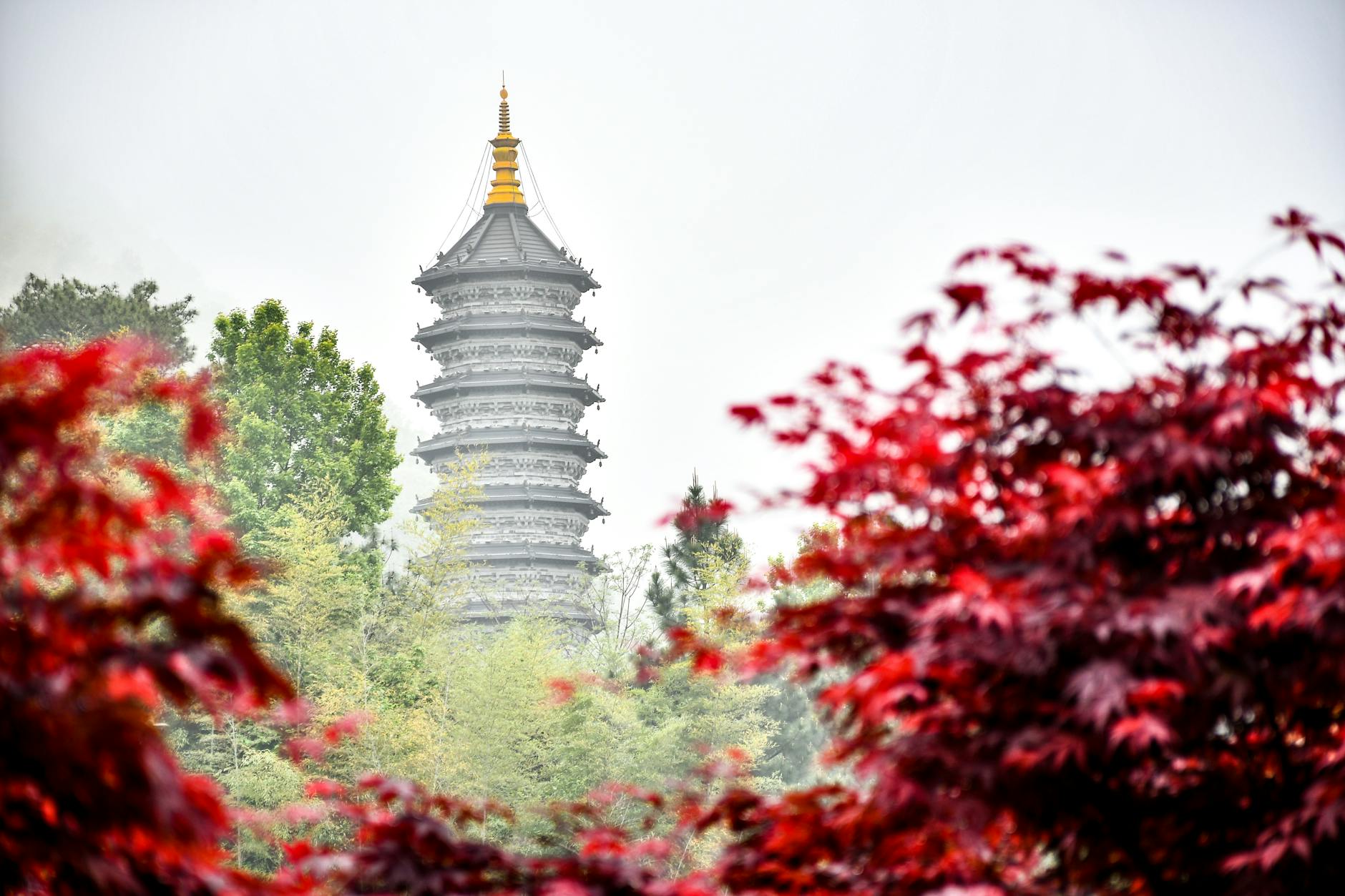
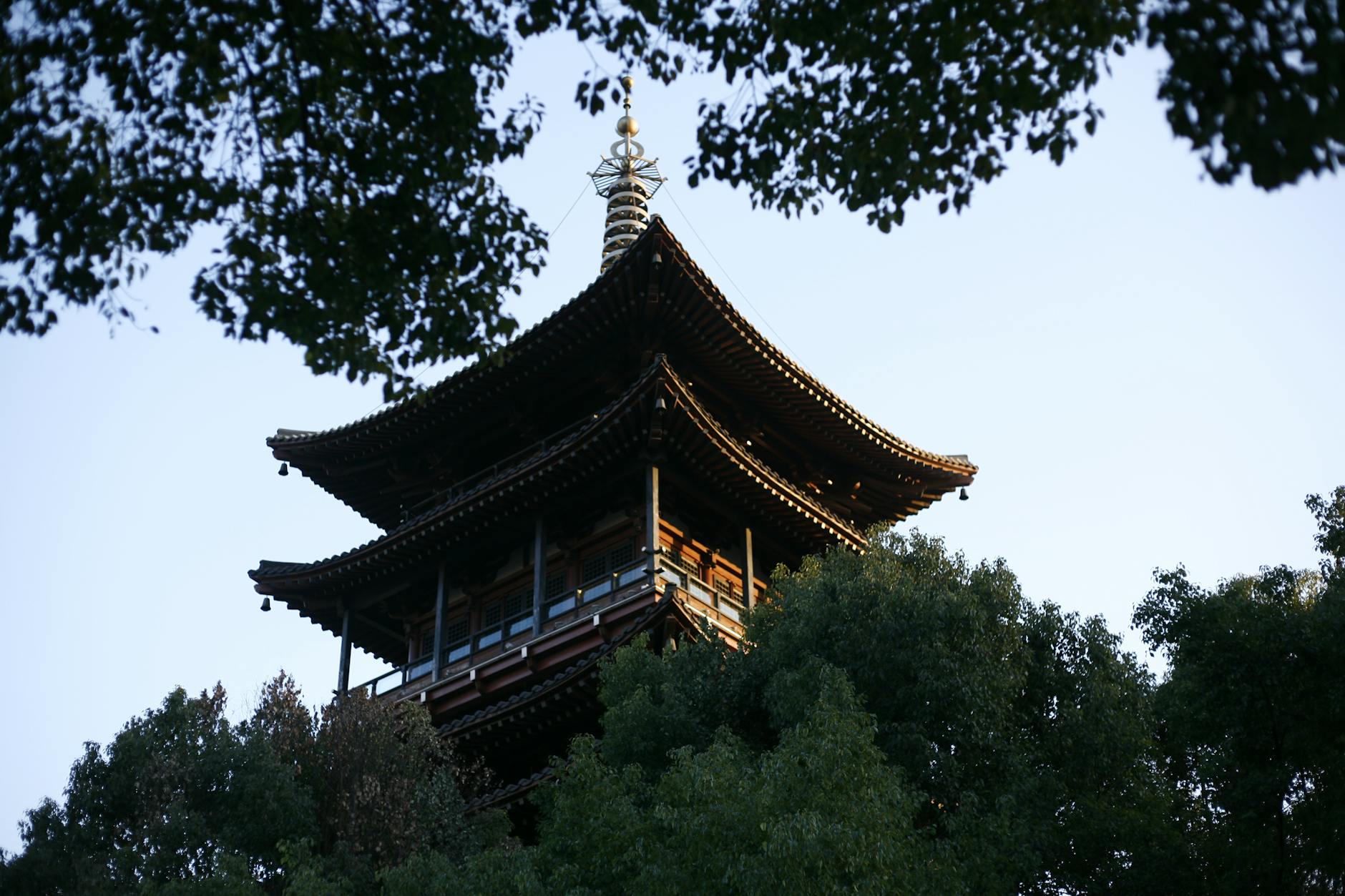
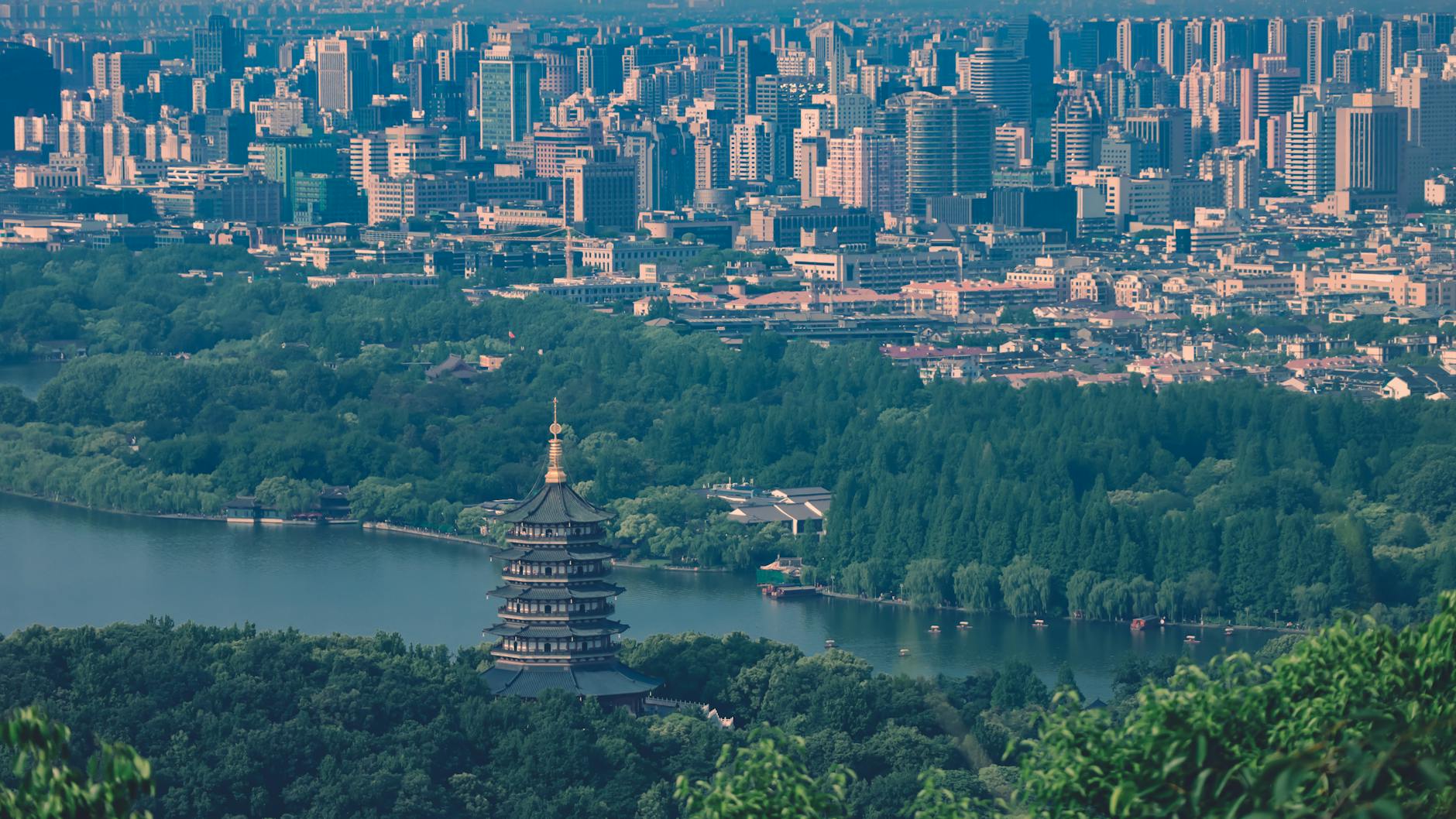
The Six Harmonies Pagoda (970 CE, current rebuild 1153) sits on the north bank of the Qiantang River, originally built to suppress the Qiantang River’s tidal bore (an annual 9m-high tsunami-like wave that still occurs every Mid-Autumn Festival). The 13-story 60m pagoda has external balconies for viewing the river. The Qiantang River Bridge (1937, the first modern bridge built by Chinese engineers, designed by Tsai Ti-yan to span the river) is visible from the pagoda — a key wartime engineering achievement. Entry ¥30 + ¥10 to climb. Combine with the Hangzhou River Trail walk (5 km along the Qiantang). 30 min from West Lake by taxi (¥30) — most foreigners don’t make it here but it’s the city’s best off-the-tourist-track stop.
Highlights
- Tidal Bore ViewingMid-Autumn Festival weekend; 9m wave annually
- Climb the 13-story PagodaQiantang River + bridge panorama
- 1937 Qiantang BridgeFirst modern Chinese-engineered bridge; visible from pagoda
What Chinese travelers actually do here
Distilled from Chinese-language travel notes — the practical tips most English guides miss.
- Climb to an upper balcony for the river-and-bridge panorama; the view, not the interior, is the real reward here.
- It is well south of West Lake; budget a half-hour taxi each way and treat it as its own outing.
- Mid-Autumn Festival weekend draws crowds for the tidal bore, but the wave is best seen downriver, not from the pagoda itself.
- The riverside trail along the Qiantang runs for kilometres from here and is far emptier than any West Lake path.
- Morning light favours photos of the pagoda against the hillside; afternoon backlights it from across the river.
- Spot the 1937 Qiantang River Bridge from the upper floors, a piece of wartime engineering most foreign visitors never notice.
- Wear proper shoes; the wooden internal stairs are steep and uneven compared with West Lake’s flat causeways.
Photos

Show all 14 photosShow fewer


Frequently asked questions about Six Harmonies Pagoda
- Why was the Six Harmonies Pagoda built?
- It was first raised in 970 CE on the bank of the Qiantang River, partly to symbolically suppress the river’s dramatic tidal bore, a tsunami-like wave that still surges each Mid-Autumn Festival. The current structure dates from a 1153 rebuild. Standing 13 storeys and about 60 metres tall, it also served as a navigation marker for boats on the river.
- Can I climb the pagoda and what will I see?
- Yes. Entry covers the grounds and a small extra fee lets you climb the 13-storey tower, which has external balconies on the way up. From the top you look out over the Qiantang River and the 1937 Qiantang River Bridge, the first modern bridge designed and built by Chinese engineers, a landmark of the country’s engineering history.
- Is the Six Harmonies Pagoda worth visiting away from West Lake?
- It is for travellers wanting a quieter, less touristy stop. It sits south of the lake, roughly half an hour by taxi, and few foreign visitors make the trip. You can pair it with a riverside walk along the Qiantang. Allow about an hour and a half for the pagoda and the surrounding park.
More in Hangzhou
Plan your Hangzhou trip
- Hangzhou vs Suzhou — Which Day Trip Should You Take from Shanghai?Itineraries · 8 min read
- China High-Speed Rail (Gaotie) — The 2026 Foreigner’s GuideTransit · 11 min read
- Does Google Maps Work in China? (No — Here’s What Does, 2026)Internet & Apps · 9 min read
- WeChat Pay for Foreigners — The 2026 Setup GuidePayments · 9 min read
- China Travel Insurance Requirements 2026 — What You Actually NeedVisa & Entry · 10 min read
- China Trip Pre-Departure Checklist — The 30-Day TimelineVisa & Entry · 10 min read
- 240-Hour Visa-Free Transit to China — 2026 GuideVisa & Entry · 11 min read