Wang Shu’s Pritzker-laureate (2012) sustainable campus — 22 buildings made of recycled bricks and tiles from demolished Chinese villages.
At a glance
- What it is
- Arts & Culture
- Also known as
- 中国美术学院象山校区 (Zhōngguó Měishù Xuéyuàn)
- Opening hours
- 9 AM – 5 PM
- Time needed
- 1.5 hours
- Best time to visit
- Weekday morning 10 AM
- Getting there
- Taxi / DiDi from metro
- English
- English tours available
- Cards accepted
- Cash only
- Entry
- Passport booking required
- Wi-Fi
- Free Wi-Fi
- Address
- 352 Xiangshan, Zhuantang, West Lake District · 西湖区转塘镇象山352号
China Academy of Art (Xiangshan Campus) map & getting there
Taxi / DiDi? Show the driver: 西湖区转塘镇象山352号 · 352 Xiangshan, Zhuantang, West Lake District
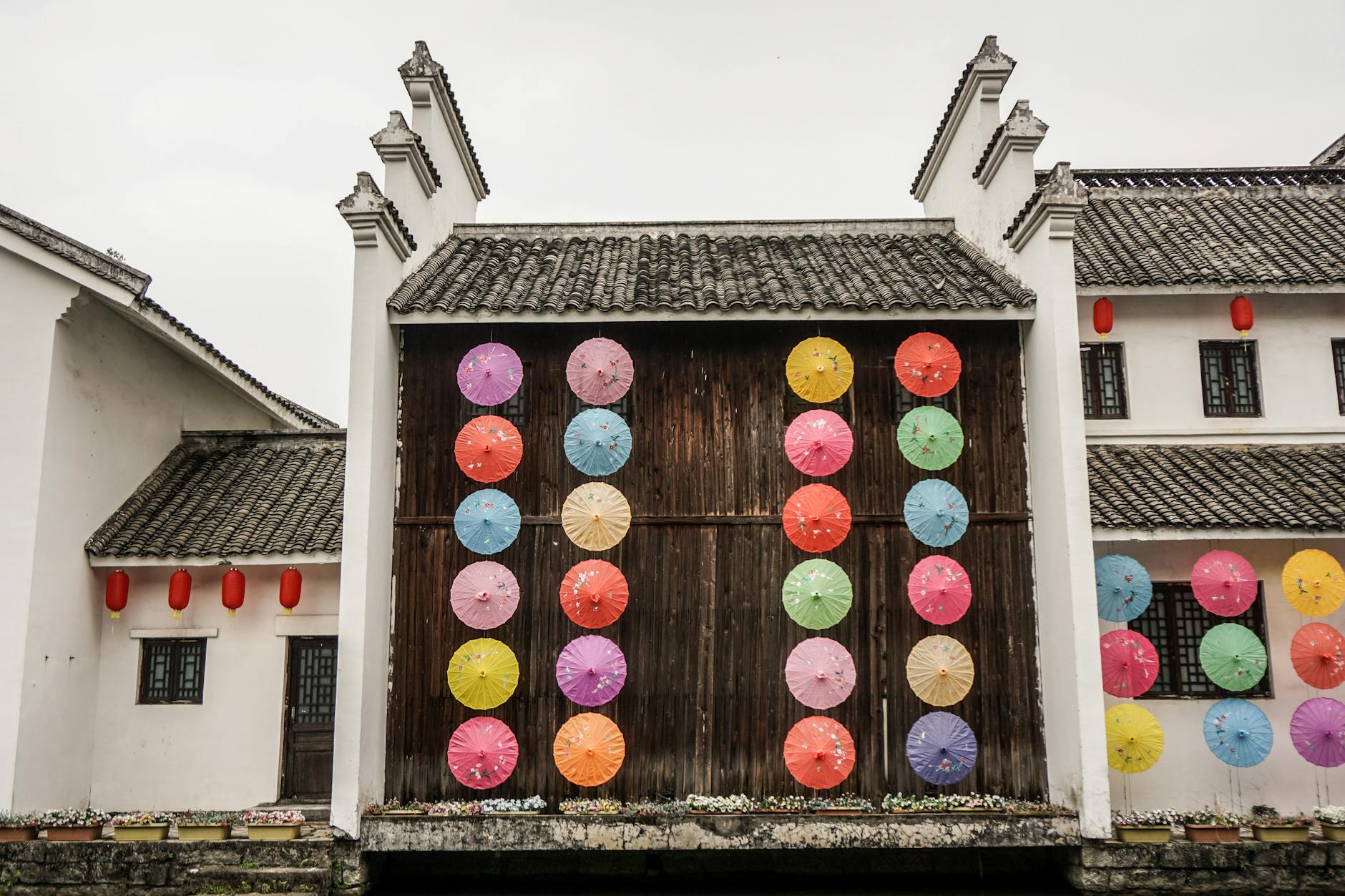
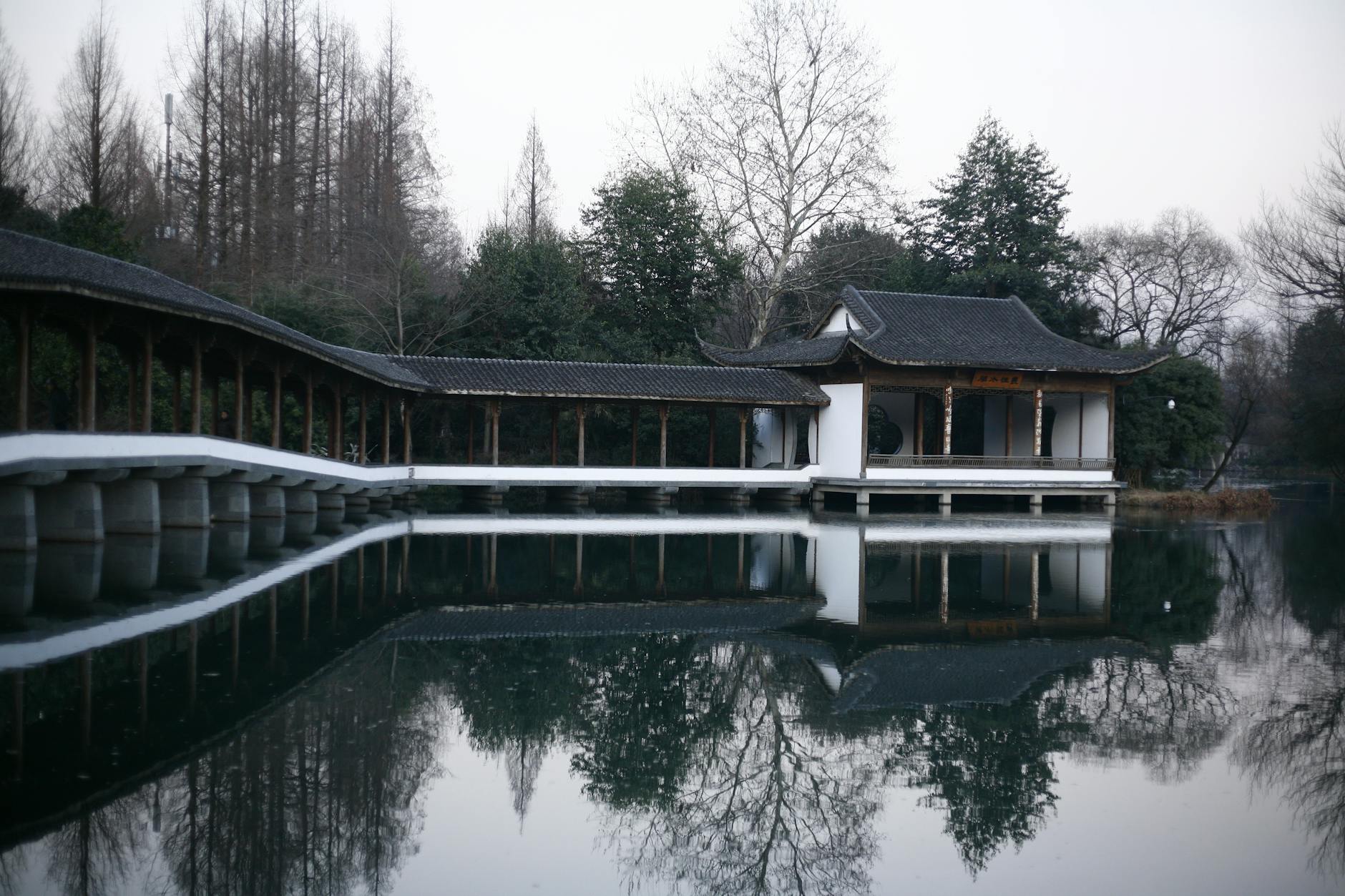
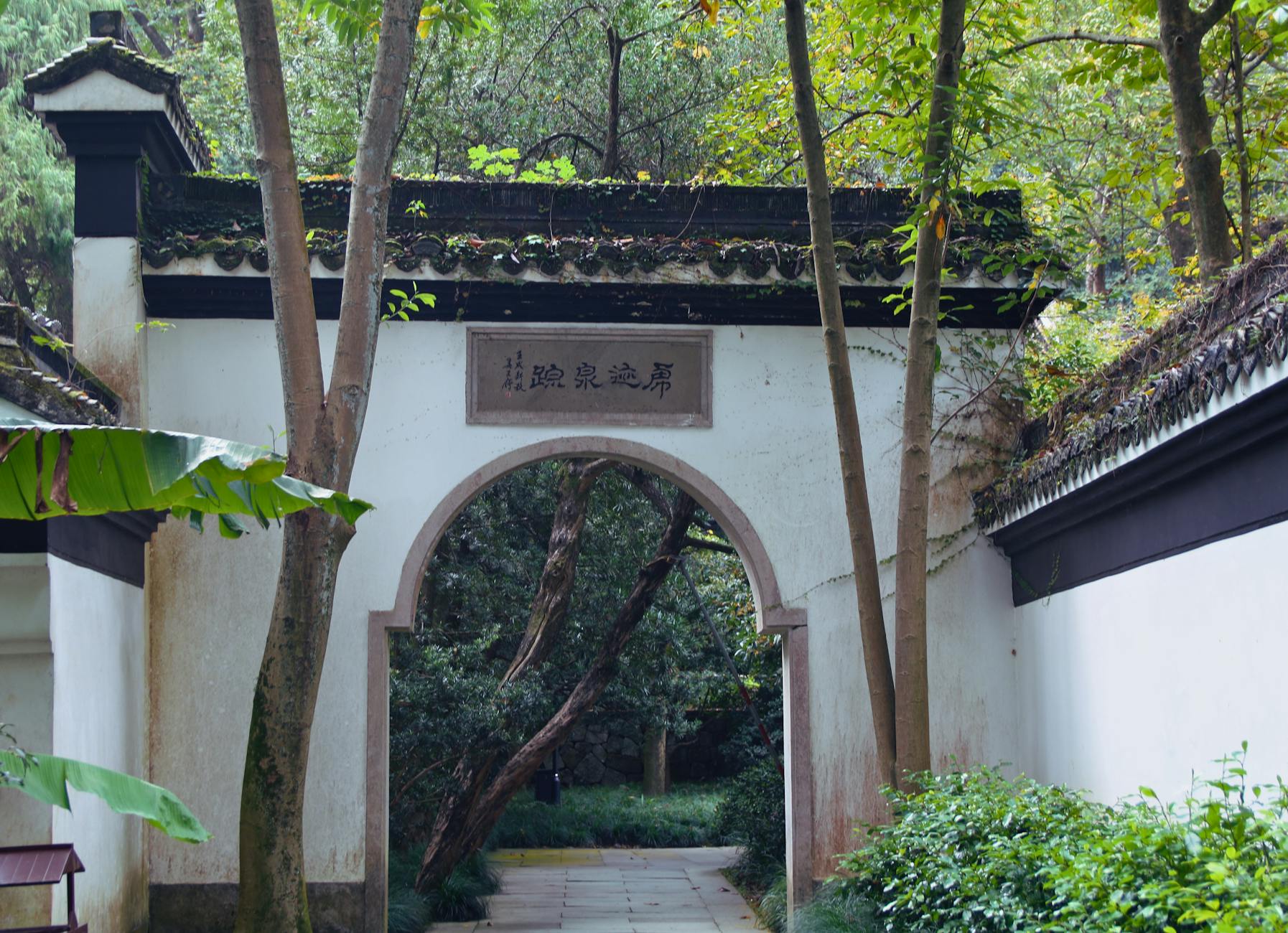
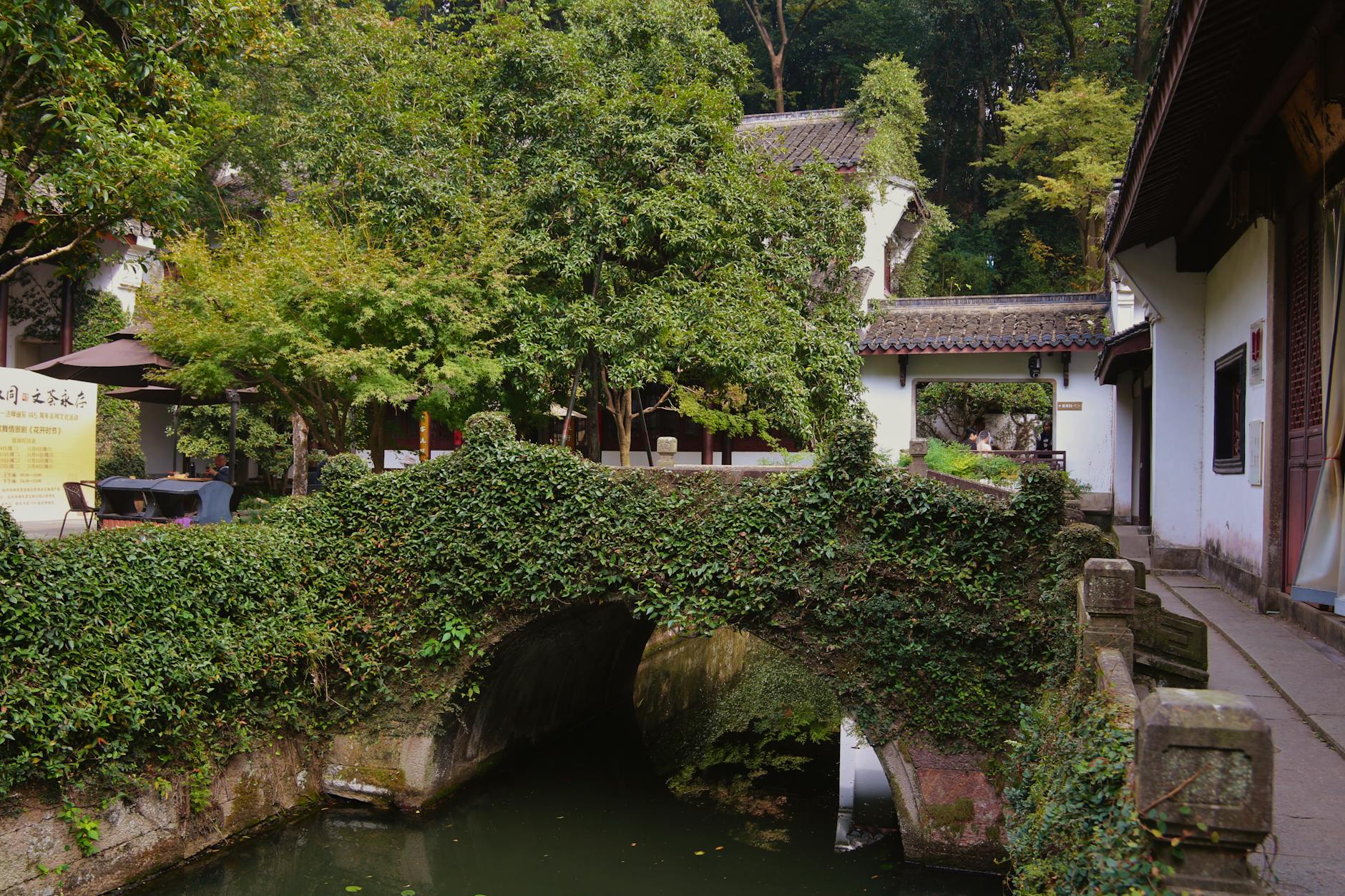
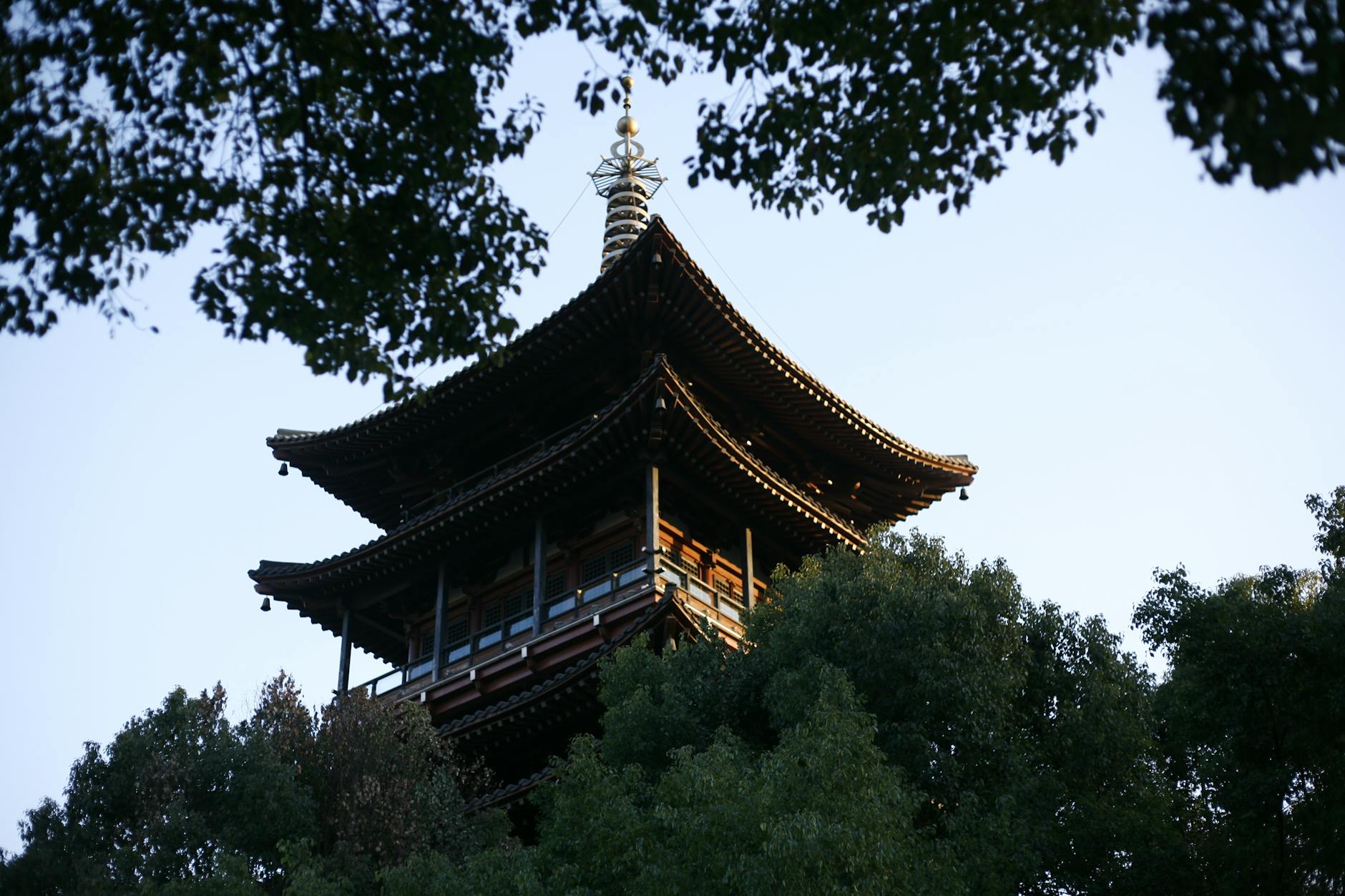
The China Academy of Art’s Xiangshan Campus (2002-2007) was designed by Wang Shu — the first Chinese architect to win the Pritzker Prize (2012). The 22 buildings are made of recycled bricks, tiles, and roof shingles salvaged from demolished traditional Chinese villages (1.5 million pieces total), creating a campus that visually references centuries-old village architecture while being thoroughly contemporary. Free public access weekdays (campus visitor sign-in at the south gate); architecture students still actively use it. Pairs with the New Bund Art Museum (¥100) for an architecture day. 30 min taxi from West Lake. Skip if not architecture-interested; absolute pilgrimage if you are.
Highlights
- Wang Shu (Pritzker 2012)First Chinese Pritzker laureate; Xiangshan is his masterwork
- 1.5M Recycled Village TilesBricks + roof shingles from demolished villages
What Chinese travelers actually do here
Distilled from Chinese-language travel notes — the practical tips most English guides miss.
- Visit on a weekday morning around 10 AM; weekend public access is less reliable on a working campus.
- The recycled grey tile and brick walls photograph best in soft, slightly overcast light that reveals texture.
- Carry cash; this far out in Zhuantang, foreign-card acceptance is unreliable, unlike central Hangzhou.
- Pair it with the New Bund Art Museum for one focused architecture day rather than a standalone trip.
- Respect that students are working; keep voices low and avoid photographing people inside studios.
- Settle your return taxi or ride-hail before exploring, as cabs are scarce around the remote campus.
- Skip this entirely if architecture is not your thing; the appeal is the buildings, not facilities or views.
Photos
Show all 14 photosShow fewer
Frequently asked questions about China Academy of Art (Xiangshan Campus)
- Can visitors enter the China Academy of Art’s Xiangshan Campus?
- Yes, the campus allows free public access on weekdays, with a visitor sign-in at the south gate. It is a working campus where architecture students are still active, so you are walking through a live academic space rather than a museum. Bringing your passport for the gate sign-in is advised.
- Why is the Xiangshan Campus famous in architecture circles?
- It was designed between 2002 and 2007 by Wang Shu, the first Chinese architect to win the Pritzker Prize, in 2012. Its 22 buildings use around 1.5 million recycled bricks, tiles and roof shingles salvaged from demolished traditional villages, so the campus echoes centuries-old village forms while staying thoroughly contemporary.
- How do I get to the Xiangshan Campus and is it worth the trip?
- It sits in Zhuantang, about a 30-minute taxi from West Lake, with no direct metro, so plan a taxi or ride-hail. It is an absolute pilgrimage if you care about architecture, but honestly skippable if you do not. Pair it with the nearby art museum for a full architecture day.
More in Hangzhou


Plan your Hangzhou trip
- Hangzhou vs Suzhou — Which Day Trip Should You Take from Shanghai?Itineraries · 8 min read
- China High-Speed Rail (Gaotie) — The 2026 Foreigner’s GuideTransit · 11 min read
- Does Google Maps Work in China? (No — Here’s What Does, 2026)Internet & Apps · 9 min read
- WeChat Pay for Foreigners — The 2026 Setup GuidePayments · 9 min read
- China Travel Insurance Requirements 2026 — What You Actually NeedVisa & Entry · 10 min read
- China Trip Pre-Departure Checklist — The 30-Day TimelineVisa & Entry · 10 min read
- 240-Hour Visa-Free Transit to China — 2026 GuideVisa & Entry · 11 min read