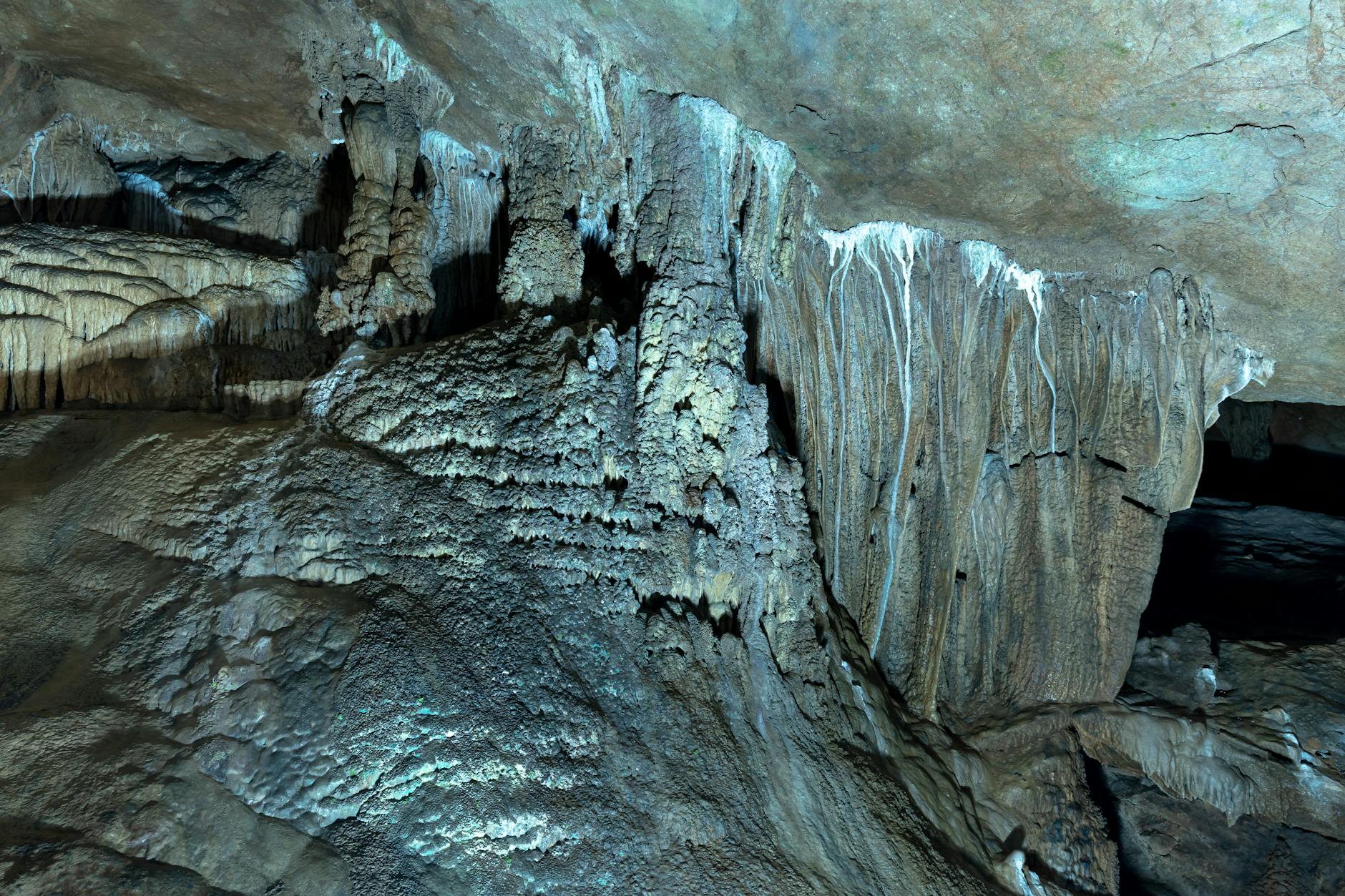
240m show cave with 70+ illuminated stalactite chambers — the largest cave open to tourists in Guilin region.
At a glance
- What it is
- Outdoors
- Also known as
- 芦笛岩 (Lúdíyán)
- Opening hours
- 7:30 AM – 6 PM
- Time needed
- 1.5-2 hours
- Best time to visit
- Summer hot days; mornings to avoid tour bus crowds
- Getting there
- Taxi / DiDi from metro
- English
- English tours available
- Cards accepted
- Visa, Mastercard
- Entry
- Walk-in — no booking
- Wi-Fi
- Free Wi-Fi
- Address
- 1 Ludi Road, Xiufeng District, Guilin · 桂林市秀峰区芦笛路1号
Reed Flute Cave map & getting there
Taxi / DiDi? Show the driver: 桂林市秀峰区芦笛路1号 · 1 Ludi Road, Xiufeng District, Guilin
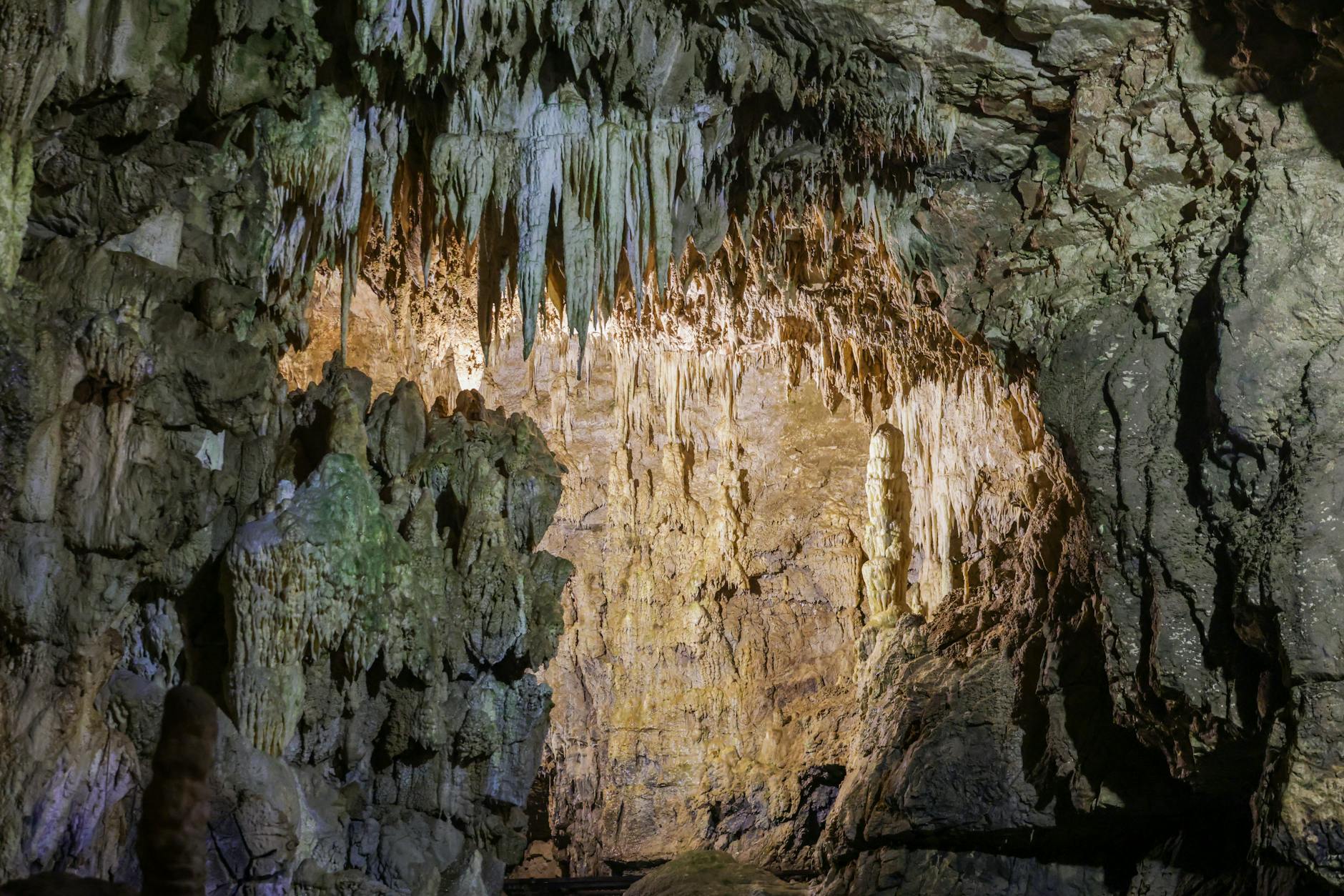
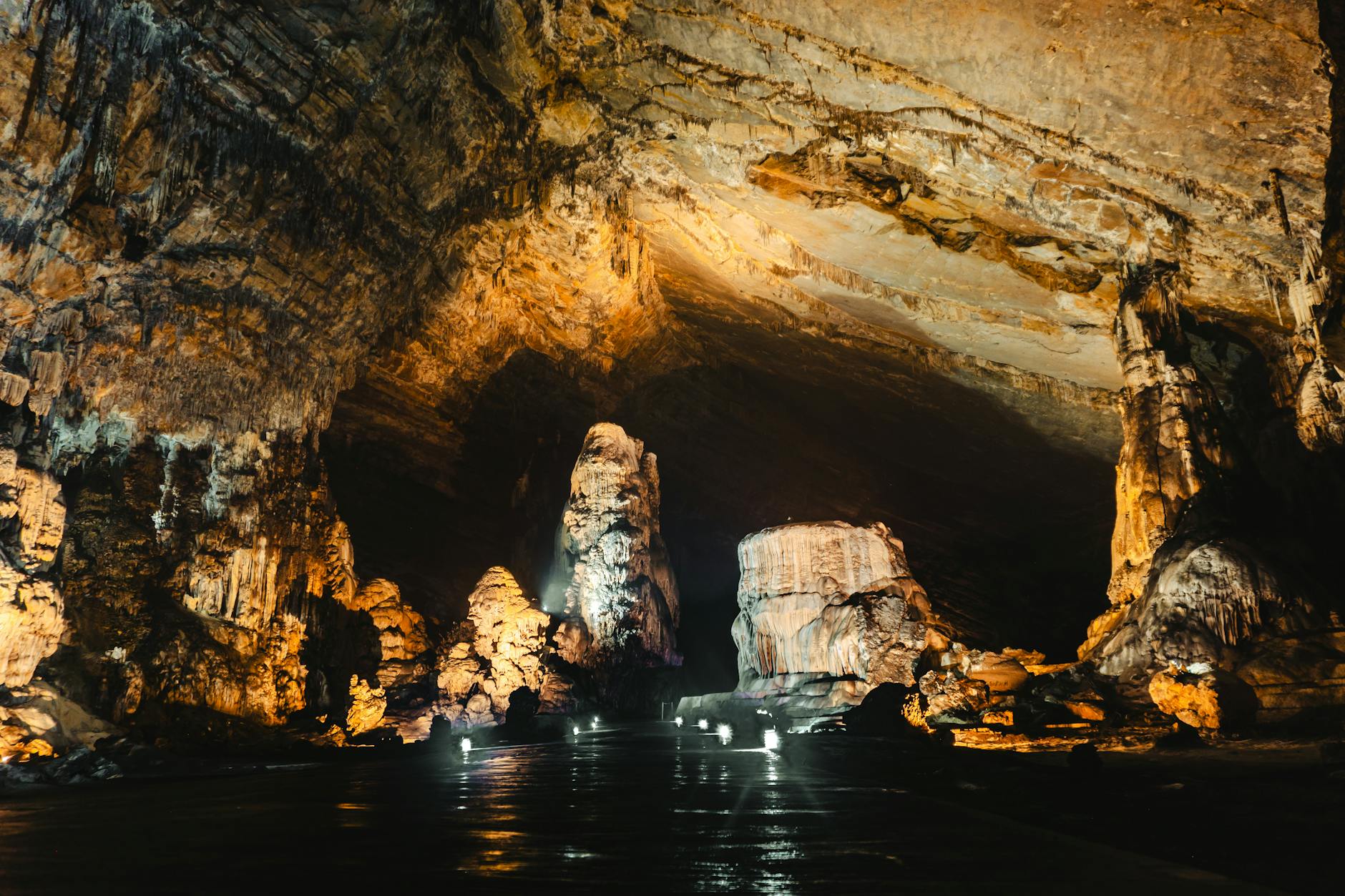
Reed Flute Cave is a 240m-deep show cave in northwest Guilin, named for the reeds growing at its entrance (historically used to make flutes). It’s been a tourist site for 1,200+ years — ancient Tang-dynasty graffiti is preserved on the walls — and was upgraded with extensive LED lighting in the 2000s, making the stalactite chambers brilliantly colorful. The standard 1-km walking route takes ~60 minutes and passes 70+ named formations (Crystal Palace, Lion Forest, Cloud-Reaching Pillar). Entry ¥110. The colored lighting is divisive — some find it kitsch, others find it the cave’s whole point. Worth visiting in summer for the cool 18°C cave interior on hot days; skip in winter when cave warmth + outside cold create constant fog inside.
Highlights
- 70+ illuminated chambersLED-lit stalactite formations
- Crystal Palace sectionLargest single chamber; mirror-still water reflects ceiling
- Tang-dynasty graffiti1,200-year-old wall inscriptions preserved
What Chinese travelers actually do here
Distilled from Chinese-language travel notes — the practical tips most English guides miss.
- Reed Flute Cave got its name from the reeds historically growing at the entrance, used to make traditional Chinese flutes (笛). The reeds are still there but mostly ornamental now; the area outside the cave is a small garden park.
- Summer (July-August) is the best time — outside humidity hits 95%, cave interior is steady 18°C with 75% humidity, feels luxurious. Winter (December-February) creates condensation issues; the cave fogs internally and reduces photo quality.
- Tour groups arrive 10 AM - 2 PM (3 buses simultaneously can fill the entire route). Go at 7:30 AM opening OR after 4 PM to skip the crush. The cave operators try to space groups but during Golden Week (Oct 1-7) the system breaks down.
- Crystal Palace (the largest chamber, ~85m wide) is the cave’s signature room — get there 60 seconds before the next tour group arrives for the empty-room photo. Wait near the entry, let the previous group exit, then walk in alone before the next group enters.
- There’s a small souvenir shop at the cave exit selling polished cave-stone keychains (¥30-80) — legitimately sourced from cave-quarry operations 200 km away, NOT from Reed Flute itself. Tourist authorities prohibit any in-cave material extraction.
- Pair Reed Flute Cave with nearby Diecai Hill or Fubo Hill same day — both are 20-30 min by taxi. The cave morning + karst-hill afternoon makes a balanced Guilin city day.
Photos
Videos


Frequently asked questions about Reed Flute Cave
- Is Reed Flute Cave worth visiting?
- Conditional yes — best in summer for the 18°C cool cave interior on hot days, OR if you’ve never seen an illuminated show cave before. Skip if you’ve done similar caves in Vietnam (Phong Nha) or Slovenia (Postojna) — Reed Flute is similar concept, smaller scale, with more aggressive LED lighting some find kitsch.
- Is the colored lighting tasteful or kitschy?
- Divisive. Chinese taste embraces vivid pink/green/blue LED illumination of natural formations; Western taste tends to prefer subtle white/amber. The lighting at Reed Flute is firmly in the Chinese-vivid camp. Most foreigners find it overwhelming for the first 10 min, then accept it as the cave’s defining character. If you want ‘natural cave aesthetic,’ look elsewhere.
- How long does the cave tour take?
- 60 minutes for the standard route (1 km through the cave with named-formation stops). English-language audio guides are available for ¥30 deposit. Most tour groups blast through in 45 min; independent travelers should plan 90 min to actually photograph properly. Don’t combine with another heavy activity — your eyes need 30 min adjustment after exiting.
- Can I take photos inside the cave?
- Yes — flash photography is permitted (unusual for cave systems). The illuminated formations actually photograph BETTER with phone HDR than DSLR; the LED lighting provides enough exposure for handheld shots. Don’t use ring lights or external flashes — those wash out the colored lighting and make photos look like white-light caves.
- What’s the ‘Tang-dynasty graffiti’ inside?
- On the south wall of the second chamber there are ~80 small Chinese-character inscriptions dated 7th-9th century — visitors of that era wrote their names and dates on the cave wall. Local archaeologists preserved them. They’re behind glass now and the labels are Chinese-only; ask for the English audio guide ¥30 to get the historical context.
More in Guilin
Plan your Guilin trip
- Guilin vs Zhangjiajie — Which Karst Landscape Should You Pick?Itineraries · 8 min read
- China High-Speed Rail (Gaotie) — The 2026 Foreigner’s GuideTransit · 11 min read
- Does Google Maps Work in China? (No — Here’s What Does, 2026)Internet & Apps · 9 min read
- WeChat Pay for Foreigners — The 2026 Setup GuidePayments · 9 min read
- 240-Hour Visa-Free Transit to China — 2026 GuideVisa & Entry · 11 min read
- How to Use Alipay as a Foreigner in China — 2026 GuidePayments · 11 min read
- Do You Need a VPN for China? Legality, Setup Before You Fly, and What Breaks (2026)Internet & Apps · 13 min read